
Traditional Figurative Painting
Traditional figurative painting captures human narratives and likenesses through recognised schools, offering collectors direct windows into past daily life and portraiture.
Traditional Figurative Painting
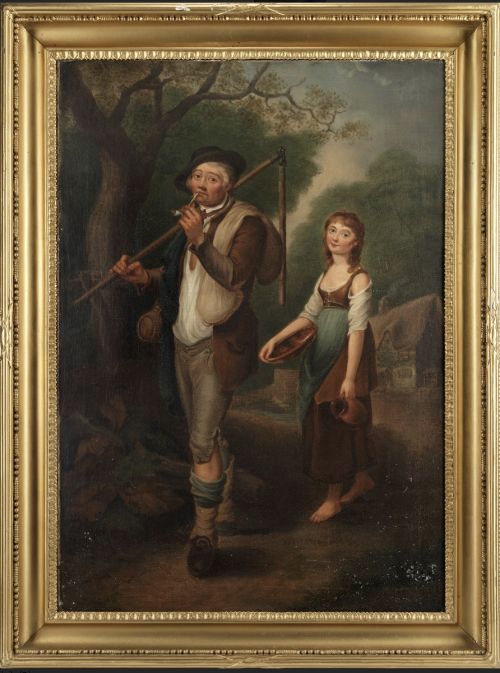
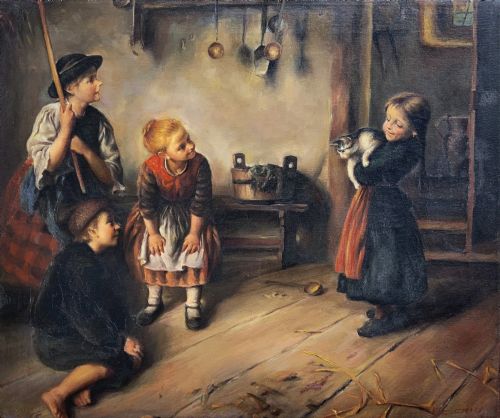
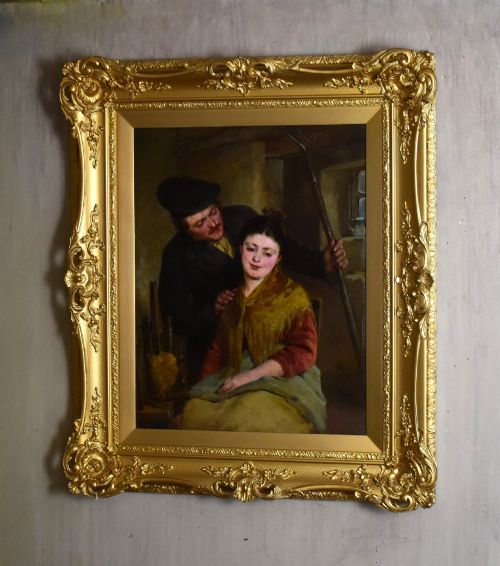
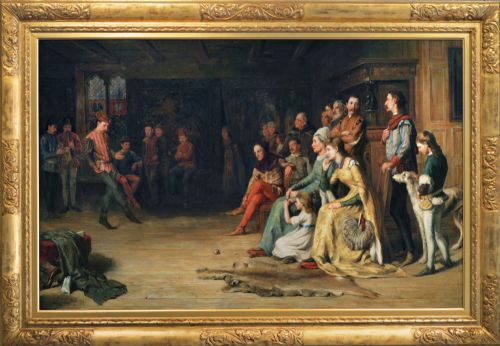
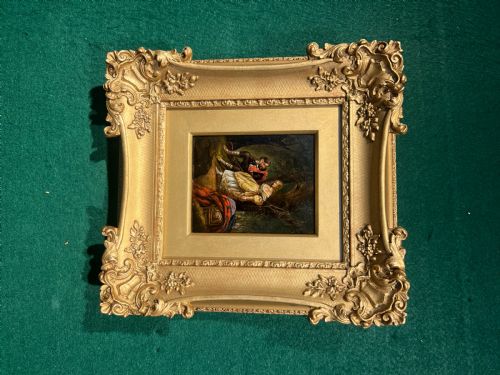
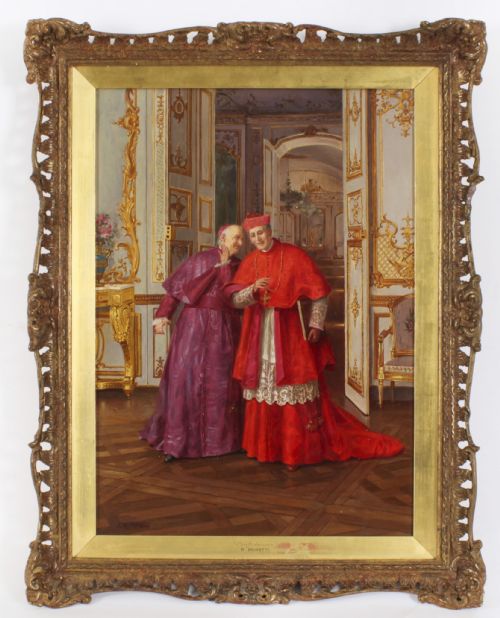
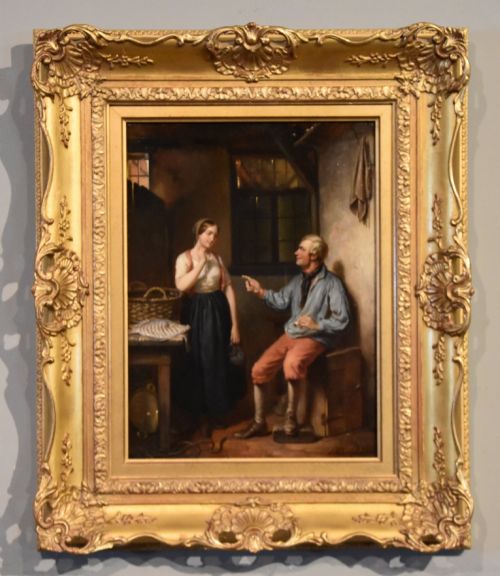
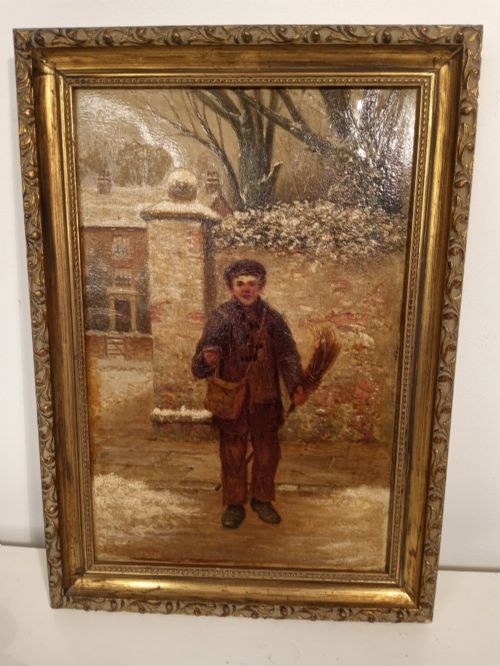
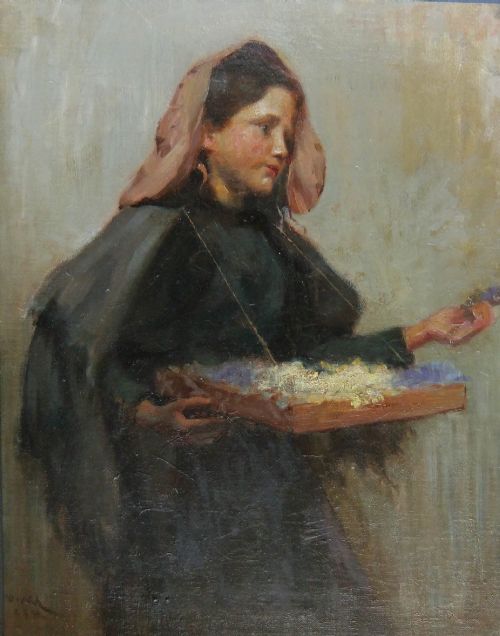
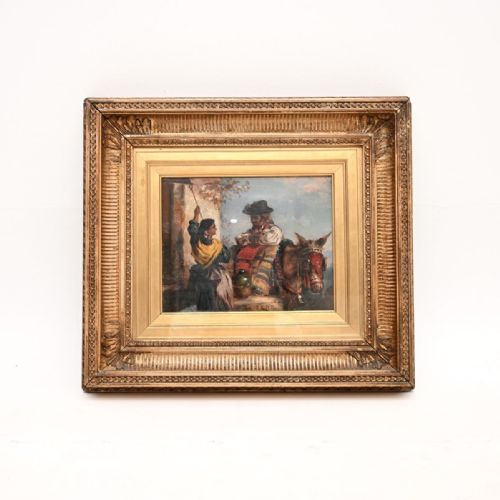
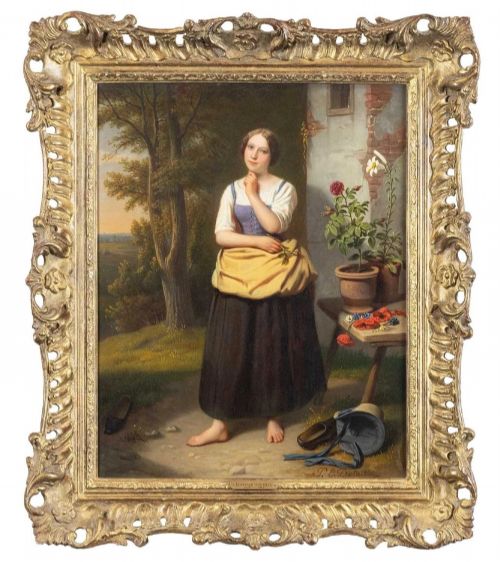
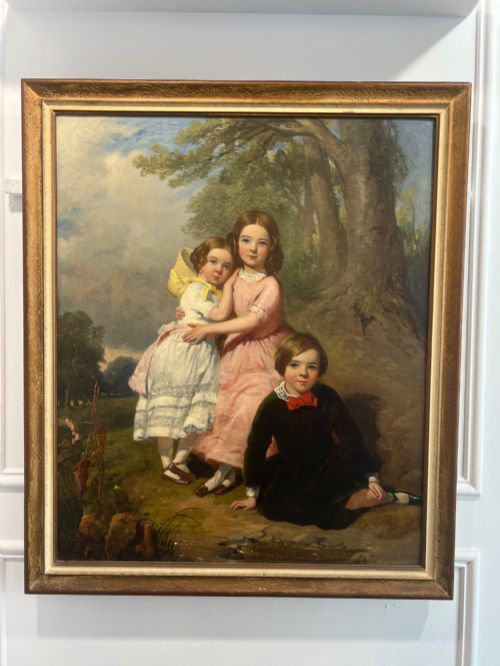
A search for traditional figurative painting reveals works centring on human subjects, ranging from intimate domestic interiors to structured historical and genre scenes. These pieces span the nineteenth century into the mid-twentieth century, encompassing Victorian realism alongside broader European and Asian schools.
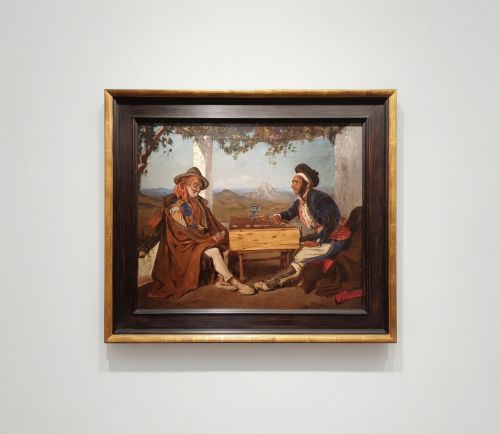
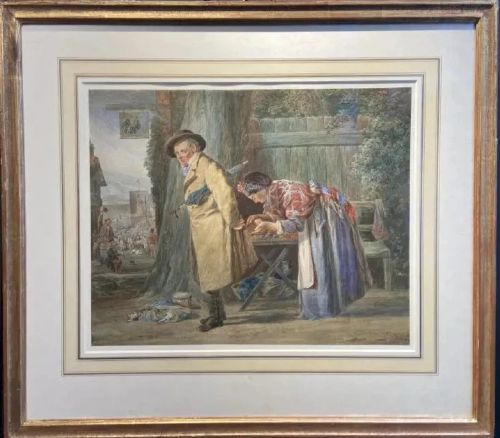
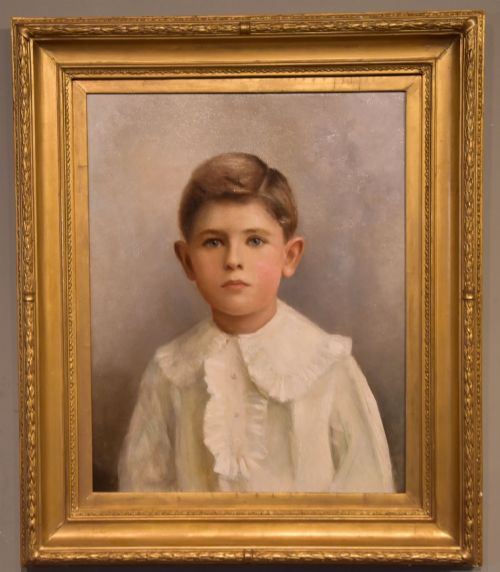
Buyers encounter oil paintings on canvas and panel most frequently on this page, accompanied by watercolours and tempera works. Subjects include portraits of children, flower girls, card players and musicians set within cottage interiors or wider landscapes.
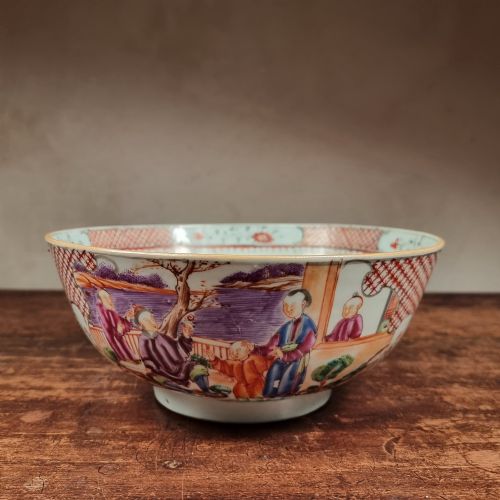
Works attributed to named artists share space with pieces from wider Scottish, Dutch or Balinese schools. Forms extend from framed fine art paintings to specific decorative items documented within the listings.
Materials and construction
Artists painted primarily using oil on canvas or wood panels, building pigment layers to achieve depth in human figures and interior lighting. Gesso and giltwood frames frequently house these works, providing structural support and decorative borders.
Watercolour and tempera on paper or canvas appear alongside oil techniques, particularly in works originating from specific regional schools. Lithographs and oileographs represent alternative reproduction methods recorded in the evidence.
Among the human portraits and cottage scenes, a charming oil on board captures the distinct likeness of Dora the boxer dog.
Assessing quality and execution
Quality rests upon the artist's handling of human anatomy, expression and narrative tension within genre scenes. Works demonstrating precise draftsmanship and nuanced brushwork stand apart from simpler decorative pieces.
The sophistication of the surrounding frame, often comprising period giltwood or gesso, contributes to the overall integrity of the piece. Provenance or attribution to documented painters further distinguishes individual artworks.
Thomas Barker of Bath·Howard Helmick·James Hamilton·Henry Windsor Fry·Jacob Akkersdijk·William Watt Milne·Thomas Kent Pelham·Charles Edward Wilson·Harry Brooker·Charles Haigh Wood·Haynes King·John Sanderson Wells·James Kyd·David Teniers II·Friedrich von Kaulbach·Hendricus Joseph Dillens·William Adolph Bouguereau·Frank Hyde·Fernand Jean Barbier·Thomas James Lloyd·Jane Maria Bowkett·William Oliver·Leonardo Morello
The Traditional Figurative Painting Glossary
- Genre painting
- Depiction of aspects of everyday life by depicting ordinary people engaged in common activities. These scenes often capture domestic interiors or social gatherings.
- Oil on canvas
- Pigment mixed with drying oil applied to a stretched fabric surface. This medium allows for rich colour blending and textured brushwork.
- Giltwood
- Wood carved and covered with a thin layer of gold leaf or metallic powder. This material frequently frames nineteenth-century fine art.
- Tempera
- A permanent, fast-drying painting medium consisting of coloured pigment mixed with a water-soluble binder. It provides a flat, opaque finish on canvas or paper.
- Oileograph
- A mechanical colour reproduction on canvas designed to imitate an oil painting. These pieces simulate the texture of actual brushstrokes.
Traditional Figurative Painting: Frequently Asked Questions
What is a traditional figurative painting?
A traditional figurative painting depicts human subjects within realistic or narrative settings, such as domestic interiors, historical moments or portraits.
These artworks rely on established artistic conventions from periods like the nineteenth century to portray people and social interactions.
How do I care for an antique oil painting?
Keep oil paintings away from direct sunlight and dramatic fluctuations in temperature and humidity to protect the canvas and paint layers.
Dust the surface gently with a soft, dry brush and avoid using water or chemical cleaning solutions on the pigment.
What does genre painting mean?
Genre painting refers to art that shows scenes from everyday life, featuring ordinary people at work, at play or in their homes.
Unlike formal portraiture, these works tell stories about social customs and daily routines of past eras.
How can I tell a canvas from a panel?
A canvas consists of woven fabric stretched over a wooden frame, which yields slightly to gentle pressure on the reverse.
A panel is made of solid wood and offers a rigid, inflexible surface for the applied paint layers.