
Traditional Figurative Artwork
Traditional figurative artwork captures human narrative and portraiture, offering a direct window into historical domestic scenes and character studies.
Traditional Figurative Artwork
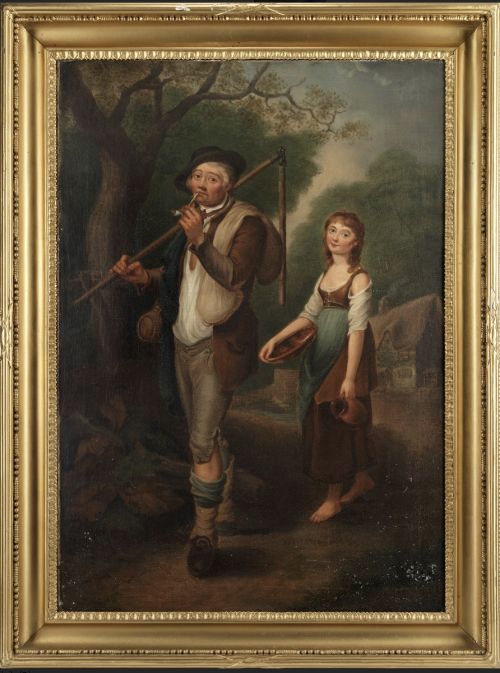
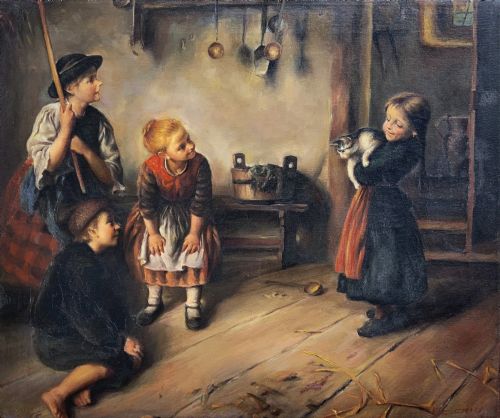
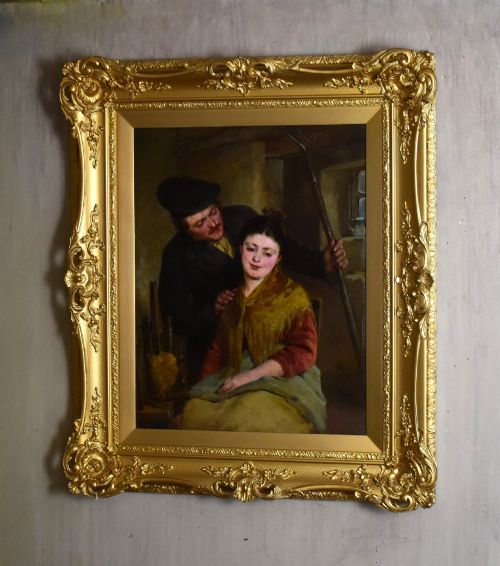
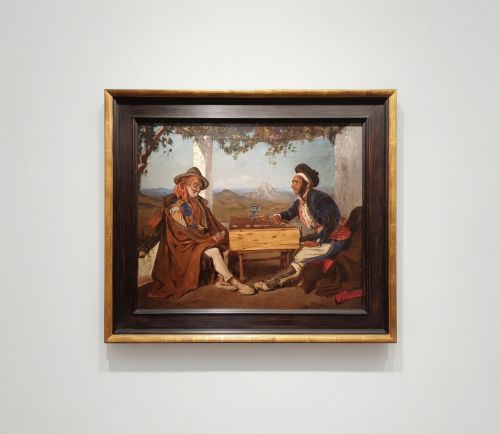
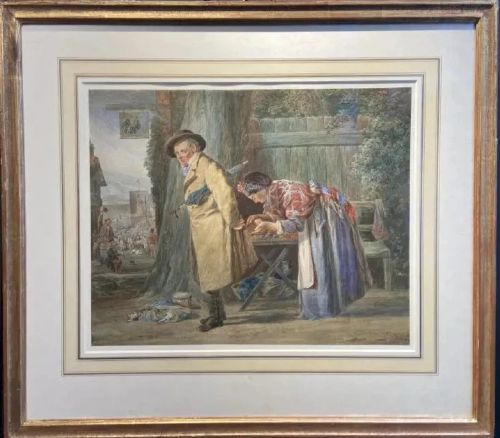
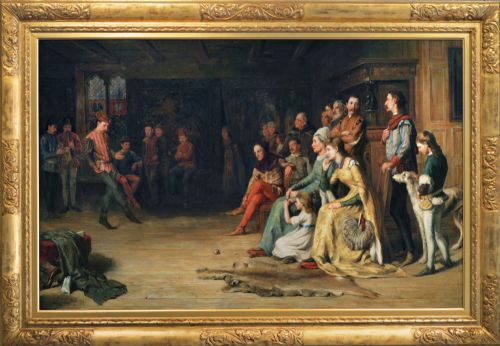
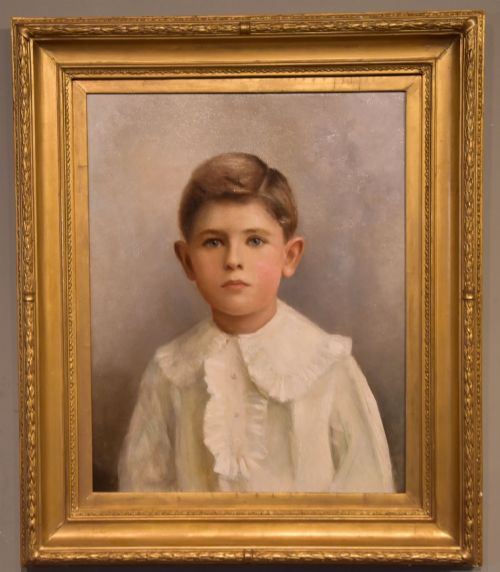
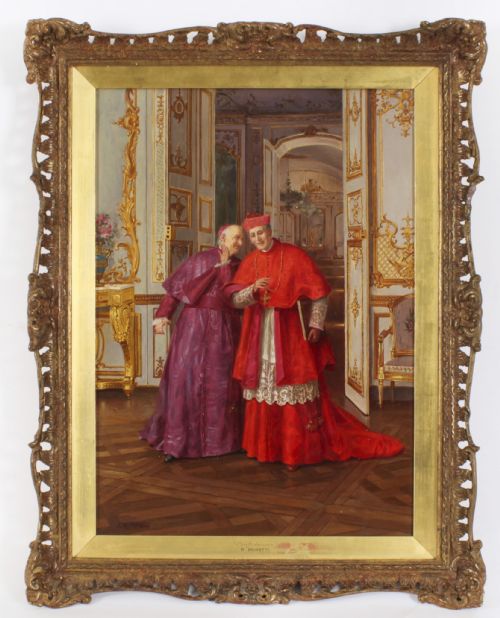
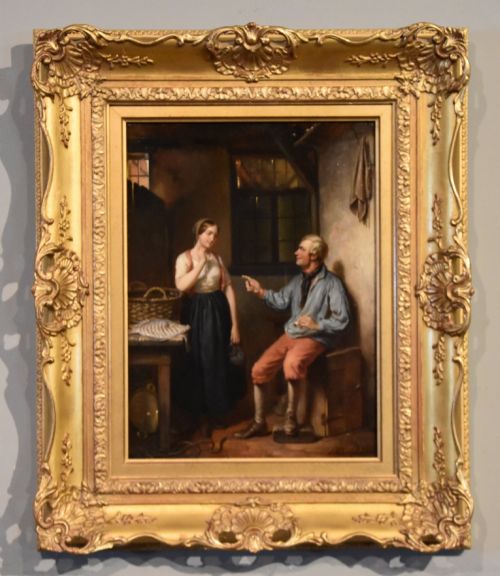
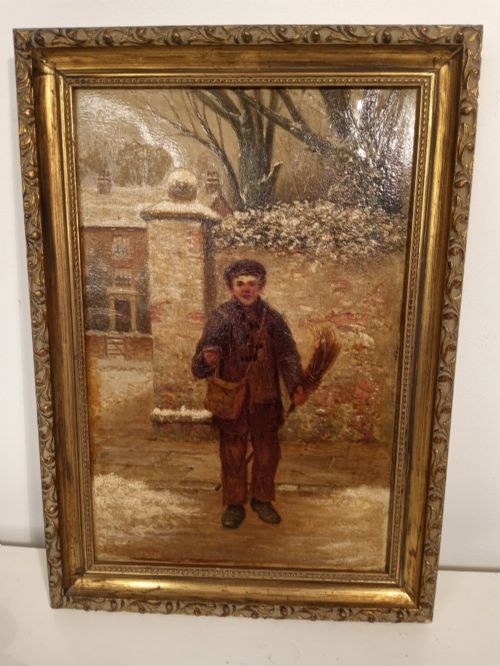
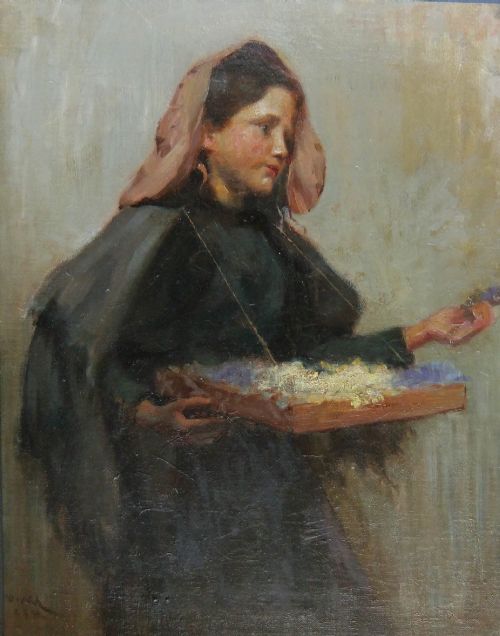
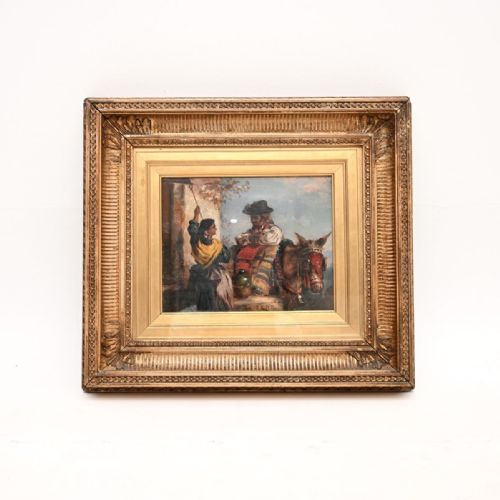
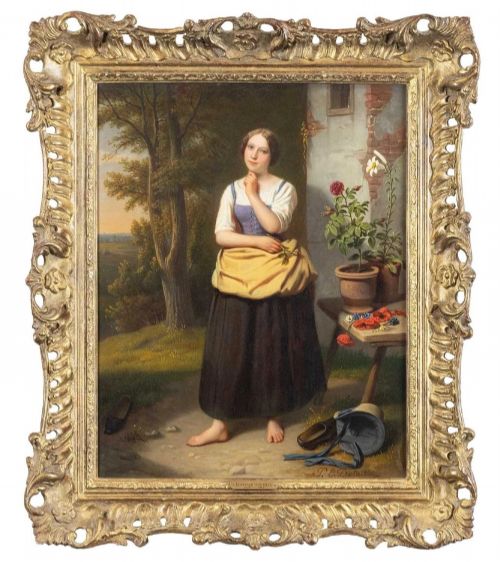
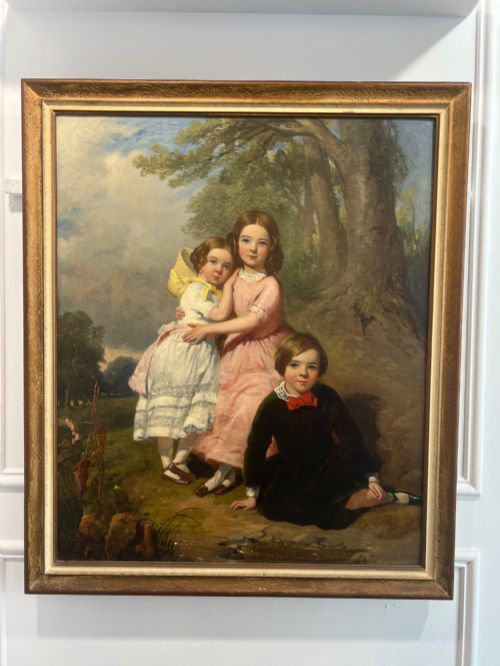
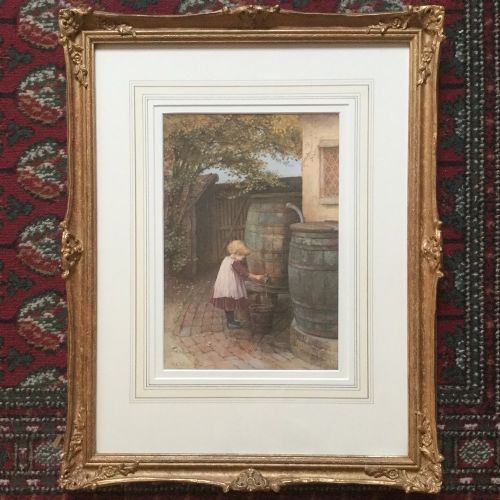
Traditional figurative artwork encompasses paintings and prints that focus on human subjects, ranging from intimate domestic interiors to bustling street scenes. When exploring traditional figurative artwork, buyers encounter numerous Victorian and nineteenth-century examples depicting everyday life, children, and workers.
The selections span distinct periods including the Georgian era, the Victorian epoch, and mid-century modern interpretations. Subjects frequently include genre scenes of rural activities, family gatherings, and individual portraits rendered with historical accuracy.
Materials and techniques
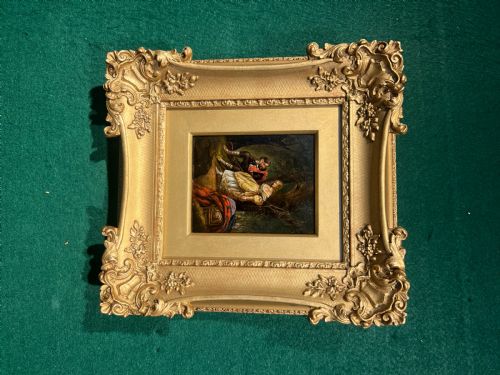
Oil paint applied to canvas or wood panel forms the primary medium for these historical pieces, allowing for rich colour depth and subtle blending. Artisans utilised traditional ground layers and gesso preparations beneath the paint surface to ensure long-term preservation.
Works on paper incorporate watercolours, tempera, and lithographic printing techniques. Framing often involves giltwood or carved wooden structures designed to complement the period aesthetic of the painting.
Canine portraiture appears among the human subjects, capturing a boxer dog immortalised in oil on board.
Distinctions in craftsmanship
Preservation of the original paint layer without extensive overpainting maintains the integrity of the work. The quality of the supporting canvas, panel, and period framing further elevates the standing of individual examples.
Howard Helmick·James Hamilton·Henry Windsor Fry·Jacob Akkersdijk·Thomas Kent Pelham·Charles Edward Wilson·Harry Brooker·Charles Haigh Wood·Haynes King·John Sanderson Wells·James Kyd·David Teniers II·Friedrich von Kaulbach·Kunisada·Hendricus Joseph Dillens·Frank Hyde·Fernand Jean Barbier·Thomas James Lloyd·Jane Maria Bowkett·William Oliver·Leonardo Morello·William Russell Flint
The Traditional Figurative Artwork Glossary
- Genre art
- Depictions of everyday subjects and ordinary people engaged in secular activities. This style flourished during the nineteenth century in various European schools.
- Gesso
- A plaster-like mixture applied to wood panels or canvas to create a smooth, absorbent surface for painting. It provides a stable foundation for oil and tempera mediums.
- Giltwood
- Wood that has been coated with a thin layer of gold leaf or gold paint. It frequently appears on traditional antique frames.
- Lithograph
- A print made from an image drawn on limestone or a metal plate with a greasy crayon. This technique allows for faithful reproductions of original paintings.
Traditional Figurative Artwork: Frequently Asked Questions
What defines traditional figurative artwork?
Traditional figurative artwork comprises paintings and prints that centre on human subjects, historical narratives, and domestic scenes rather than abstract concepts. These pieces draw from established academic and regional artistic traditions spanning several centuries.
Subjects typically reflect the social conditions and cultural practices of the period in which they were created, offering visual documentation of past ways of life.
How should I care for oil paintings?
Oil paintings require stable environmental conditions away from direct sunlight and extreme temperature fluctuations to prevent cracking of the paint layer. Dusting should be performed gently with a soft, dry brush without applying pressure to the canvas.
Avoid using liquid cleaners or moisture on the painted surface. Professional conservation is recommended for any structural repairs or cleaning of aged varnish.
Where were these artworks produced?
The pieces originate from various European and international art centres, including British, Dutch, Flemish, and Italian schools. Regional workshops and academic institutions shaped the specific painting styles and technical methods evident in the work.
Artists frequently travelled or studied abroad, leading to stylistic influences crossing national boundaries during the nineteenth and early twentieth centuries.
How can I identify the period of a painting?
Dating relies on stylistic clues, costume details of the subjects, and technical characteristics of the canvas, stretcher frames, and pigments used. Signatures, inscriptions, and labels on the reverse often provide direct evidence of the creation date or artist.
Comparative analysis with documented works by known artists or regional schools helps narrow down the timeframe of unsigned or attributed pieces.