
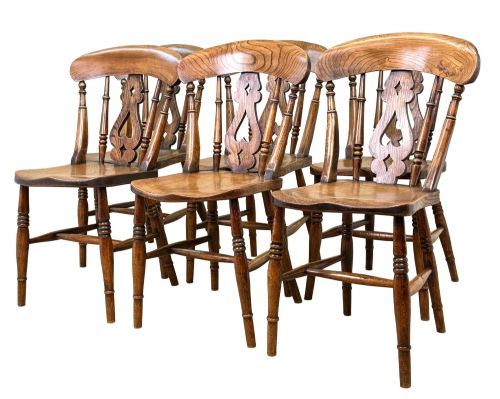
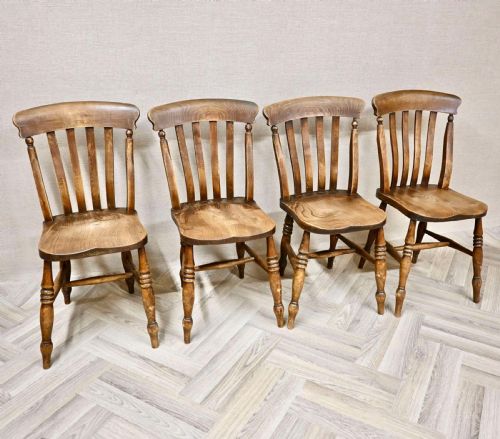
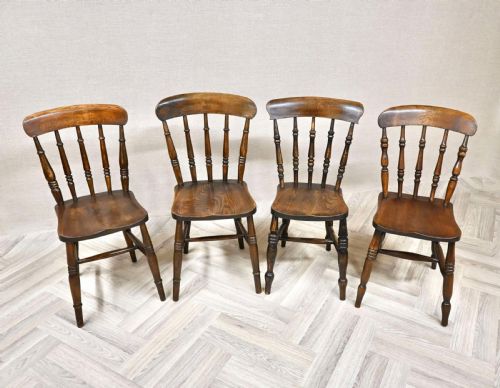
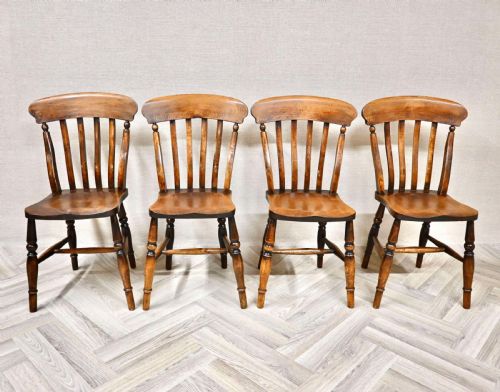

Traditional Farmhouse Kitchen Chairs
Traditional farmhouse kitchen chairs are robust wooden seats built for heavy daily use, and you want them for their honest craftsmanship and time-worn character.
Traditional Farmhouse Kitchen Chairs
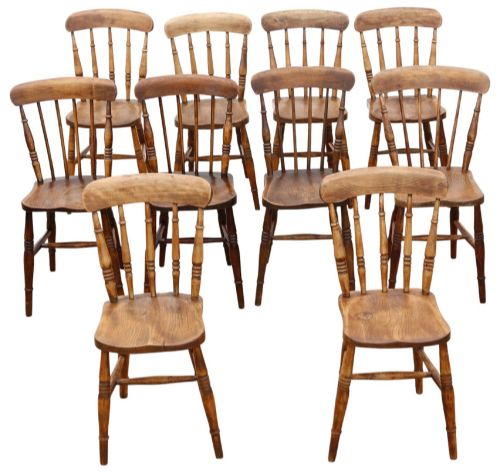
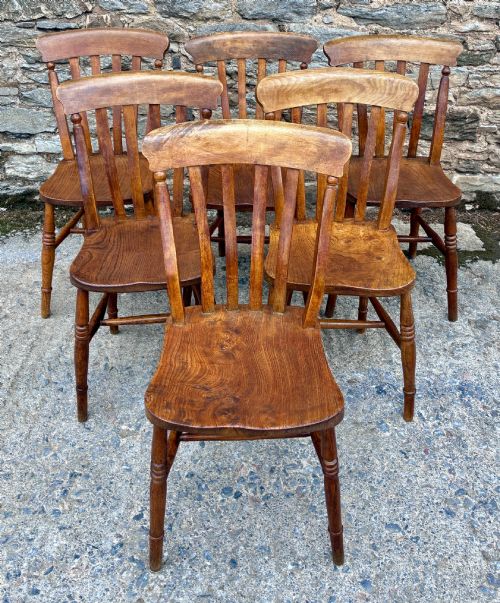
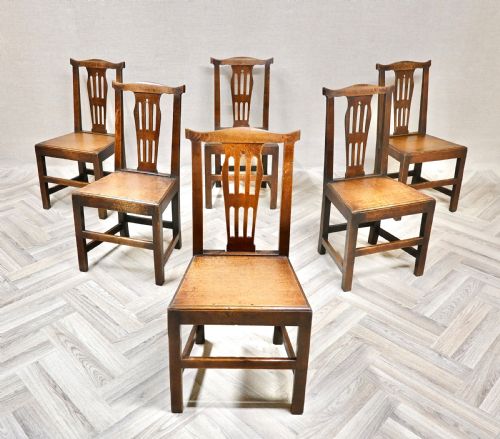
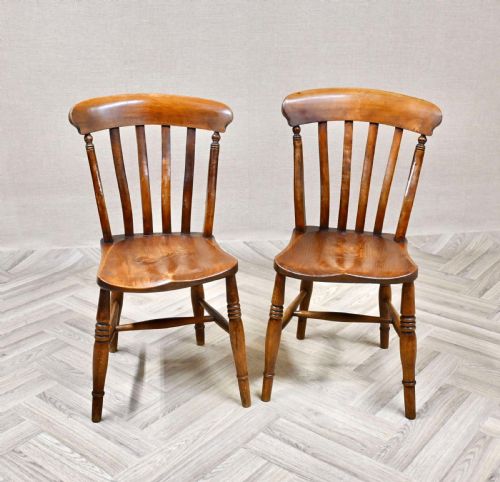
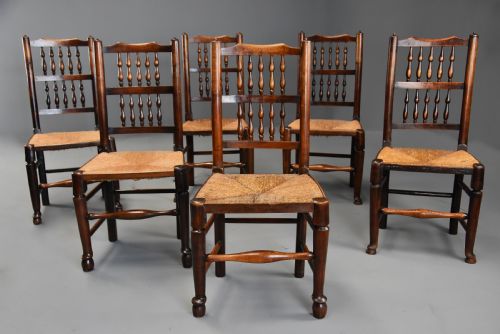
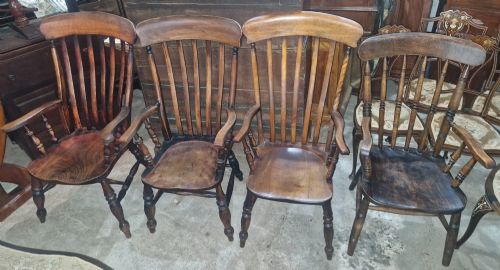
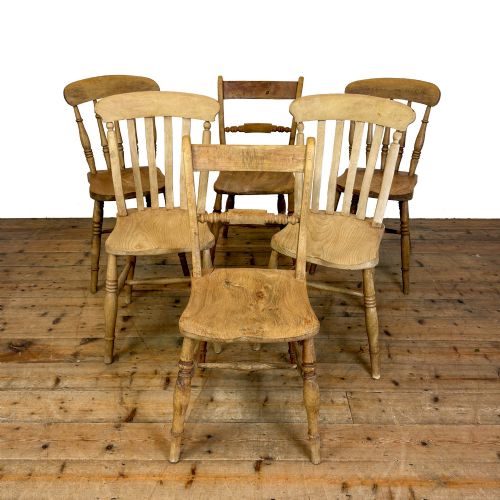
Traditional farmhouse kitchen chairs encompass sturdy wooden seating built for everyday utility across the Georgian and Victorian eras. These robust furnishings appear most frequently as matched sets or harlequin groups designed for dining tables.
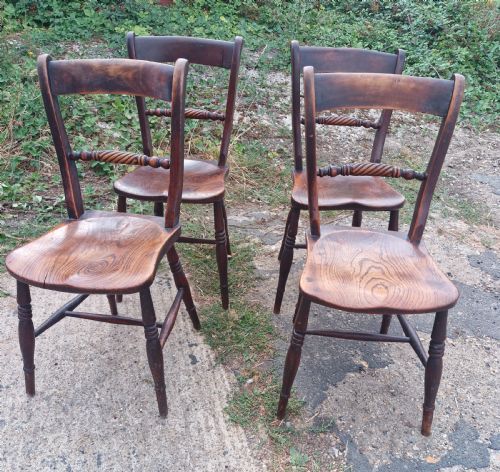
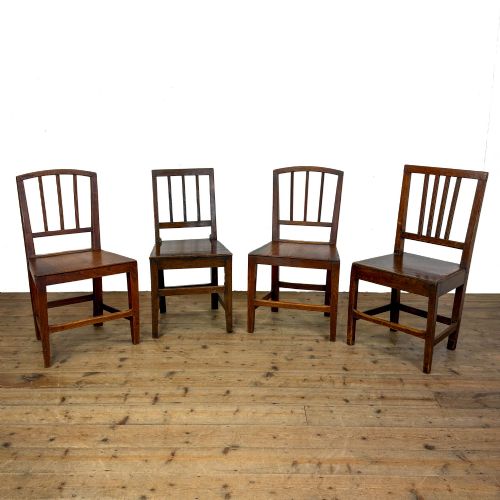
The selection centres heavily on nineteenth-century Windsor forms alongside ladderback and spindle back variants. Regional styles like Thames Valley stick backs sit alongside simpler country kitchen dining chairs.
Materials and construction
Maker traditions rely on combining resilient native timbers to withstand domestic labour. Elm provides tough, un-splitable seats, while beech, ash and oak form the turned legs, spindles and bentwood hoops.
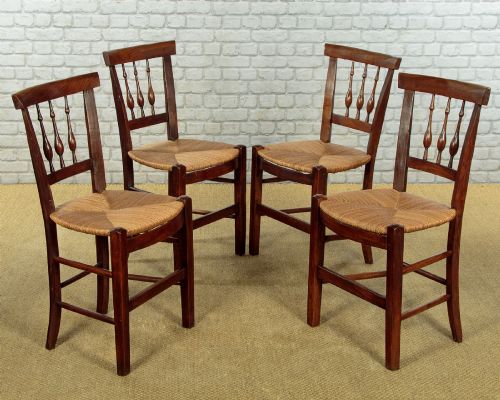
Joinery methods utilise traditional wedged tenons and steam-bending techniques to create flexible yet durable frameworks. Rush seating also appears woven tightly over sturdy wooden frames.
Listings feature nineteenth-century and Victorian pieces constructed primarily from elm, beech, ash and oak.
Quality distinctions
The character of the timber and the depth of the surface finish dictate the standing of a set. Examples retaining rich patination from decades of use demonstrate superior handling compared to stripped or heavily restored surfaces.
Structural integrity and the subtlety of the turning on spindles and legs separate standard utilitarian seating from finer regional workshop output.
Worksop
The Traditional Farmhouse Kitchen Chairs Glossary
- Windsor
- A chair built with a solid wooden seat into which the legs and back spindles are separately bored and wedged. This form provides immense strength through its integrated construction.
- Harlequin set
- A collection of chairs that match in general style and period but differ slightly in individual detail. Such groupings often accumulate organically over time rather than starting as a factory-made batch.
- Patina
- The deep sheen and surface warmth acquired by wood through generations of handling and polishing. This quality marks genuine age and domestic service.
- Ladderback
- A chair back constructed from horizontal wooden slats positioned between two upright posts. These slats are often curved to fit the sitter's spine.
- Spindle back
- A seating design utilising numerous thin, turned wooden uprights to support the back rail. This construction distributes weight evenly while keeping the frame light.
Traditional Farmhouse Kitchen Chairs: Frequently Asked Questions
What defines traditional farmhouse kitchen chairs?
These chairs are utilitarian wooden seats built during the Georgian and Victorian periods for heavy domestic use. They rely on local timbers like elm, ash and beech combined with vernacular joinery.
Designs typically include Windsor, ladderback and spindle back forms tailored for farmhouse kitchens and dining rooms.
How do I care for antique wooden kitchen chairs?
Maintain these wooden seats by keeping them away from direct heat sources and sudden humidity changes to prevent timber splitting. Regular gentle dusting preserves the historic surface finish.
Apply traditional wax sparingly when the wood appears dry, buffing it lightly with a soft cloth to maintain the natural sheen.
Are harlequin sets authentic?
Harlequin sets consist of chairs sharing a common period and style but possessing subtle individual variations in turning or proportions. Country houses and farms frequently gathered seating in this manner over many years.
These assembled groups offer a traditional aesthetic that matches historical domestic practices.
How can I tell the age of these chairs?
Dating relies on examining tool marks, construction methods, timber choice and the wear patterns around the seat edges and footings. Hand-turned components and pegged joints often indicate nineteenth-century or earlier origins.
Changes in wood colour and surface oxidation further help distinguish Georgian examples from later Victorian reproductions.