
Antique Wood Kitchen Seating
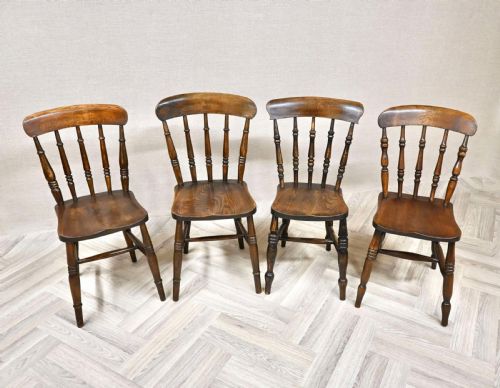
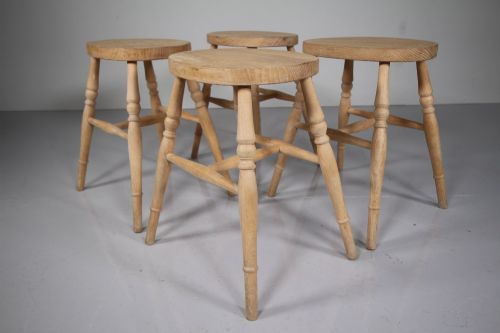
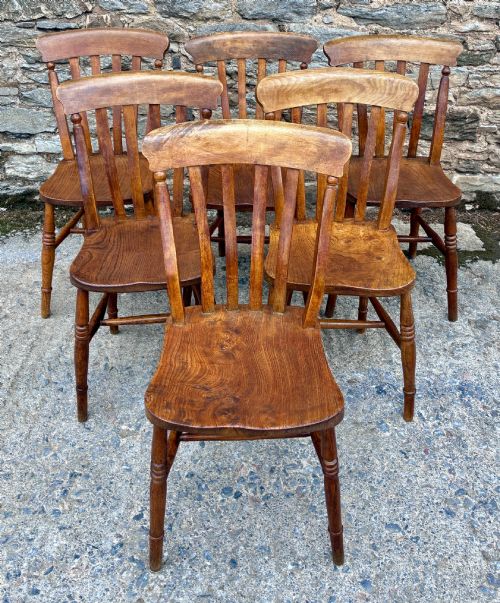
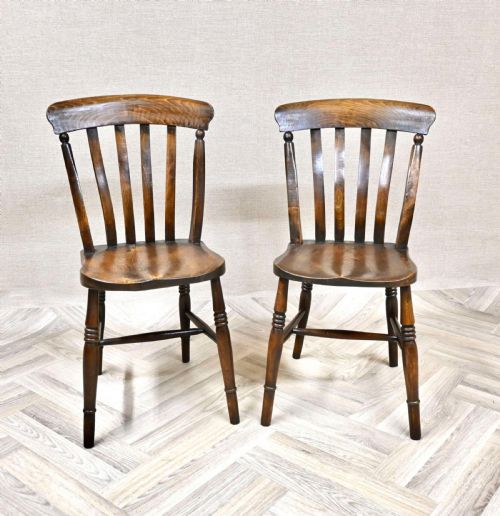
Antique wood kitchen seating brings rugged daily utility and honest country character to a room, offering sturdy benches, stools and spindle-back chairs shaped by generations of domestic use.
How they were made
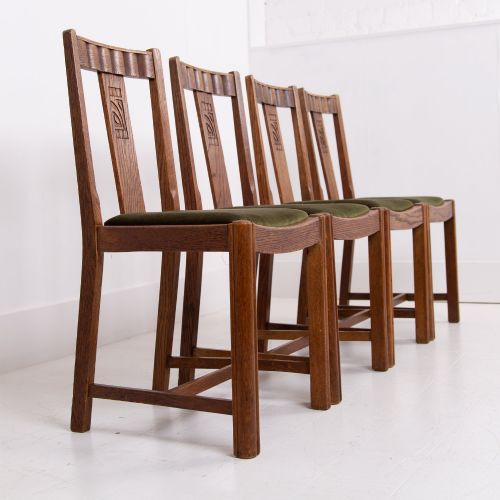
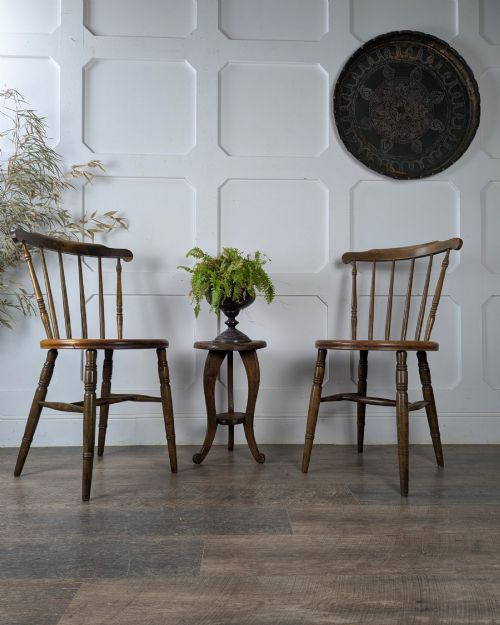
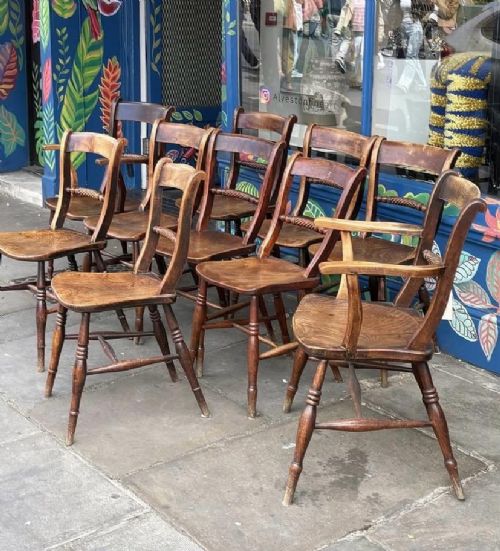
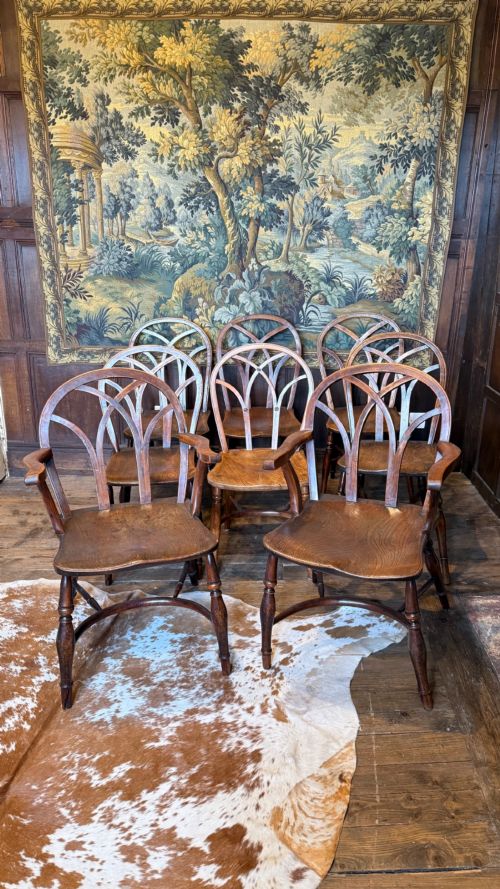
Cabinet makers and bodgers utilised solid native timbers such as elm, beech, ash and oak, selecting tough woods for seats and flexible branches for bent components. Windsor chairs typically combine a sculpted solid wood seat with steam-bent bows and slender turned spindles secured by wedges.
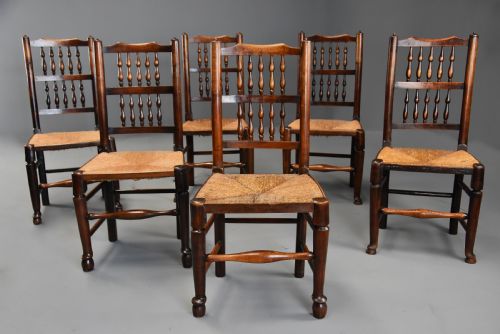
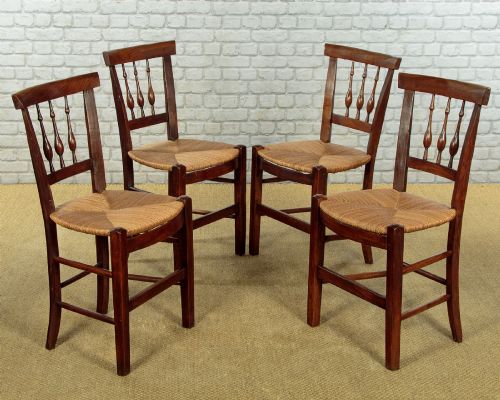
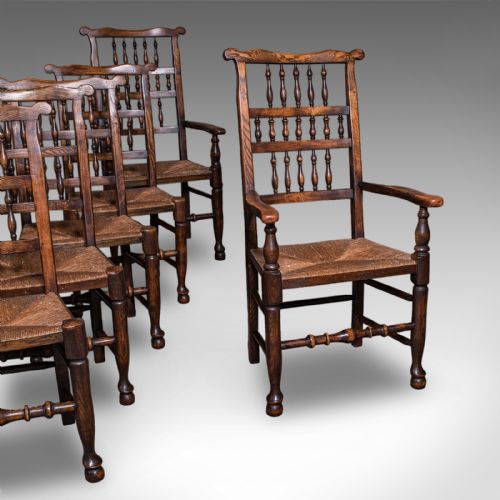
Joinery methods relied on traditional pegging, mortise and tenon joints, and double stretchers to ensure structural rigidity under constant use. Rush seating appeared frequently on ladder-back chairs, woven tightly onto wooden frames to create a resilient, textured platform.
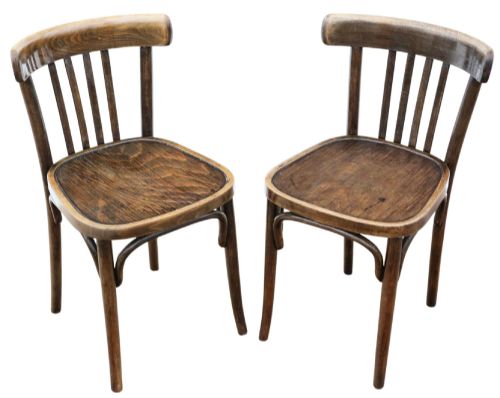
Makers occasionally incorporated cherrywood and pine, finishing surfaces with wax or oil that absorbed the patina of decades in bustling kitchens. Bentwood pieces relied on industrial steam-pressing techniques to curve timber into continuous frames for bistro stools and chairs.
What varies in quality
The quality of antique wood kitchen seating lies in the integrity of its construction and the depth of its original surface patina. Pieces retaining their original wedged joints, tight turnings and unstripped timber surfaces sit at the top of the range.
Chairs with matched sets of six or eight pieces demand higher regard than assembled harlequin groups gathered together later in their lives. The skill of the rustic turner shows in the crispness of spindle profiles and the careful ergonomic shaping of solid saddle seats.
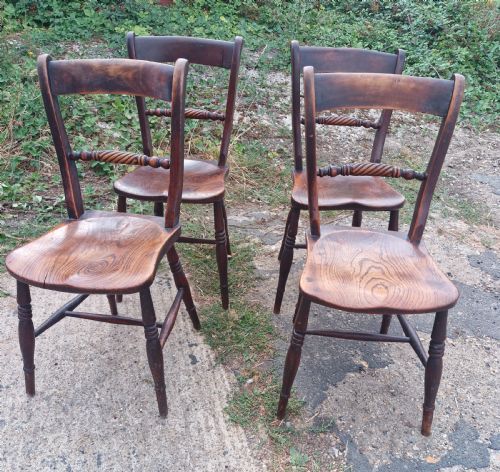
Subtle differences in timber selection, such as figured elm seats paired with contrasting ash spindles, distinguish superior regional craftsmanship from utilitarian workshop production. Minimal replacement wood and sturdy original stretchers indicate a well-preserved survivor from busy domestic environments.
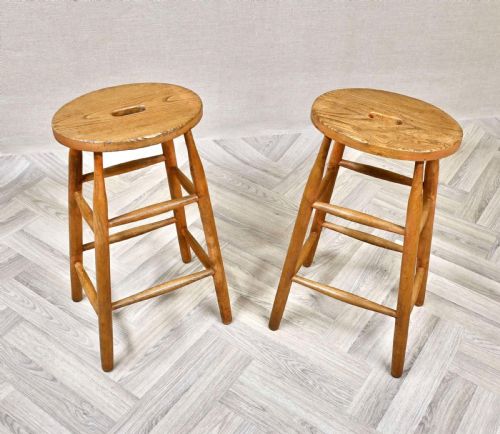
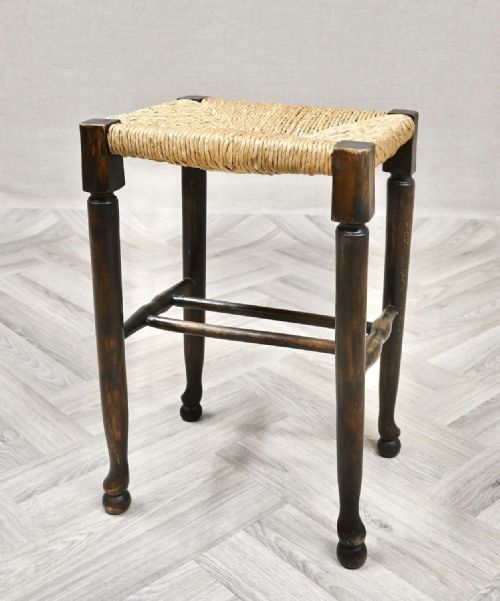
Some tall bar stools managed to survive decades of kitchen breakfasts without losing their footrests.
Thonet Yugoslavia
The Antique Wood Kitchen Seating Glossary
- Windsor chair
- A chair built with a solid wooden seat into which the legs, back spindles and bow are separately inserted. They often feature carved saddle seats and steam-bent back rails.
- Lathe back
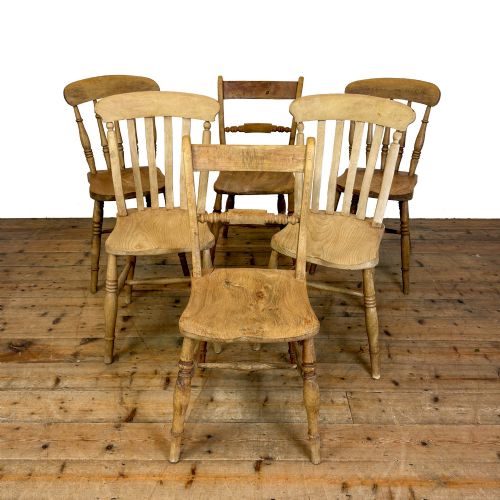
- A chair back featuring flat, vertical wooden slats rather than rounded turned spindles. This regional variation provides sturdy back support.
- Rush seat
- A woven seating surface made from dried marsh rushes twisted into cords. It offers a flexible and durable foundation for ladder-back chairs.
- Harlequin set
- A collection of chairs that are similar in style, period or material but were not originally manufactured together as a matched set. They often share common regional characteristics.
- Spindle back
- A chair back constructed from multiple slender turned wooden rods. These rods are tenoned into the seat and top rail for light yet rigid support.
- Double stretcher
- An extra pair of horizontal rungs connecting the legs of a chair for added stability. They provide a resting place for feet and reinforce the lower frame.
Antique Wood Kitchen Seating: Frequently Asked Questions
How do I clean an antique rush seat?
Wipe rush seating gently with a dry or barely damp cloth to remove surface dust without introducing excess moisture that could rot the natural fibres.
Avoid chemical cleaning products and harsh detergents, protecting the organic material so it maintains its natural flexibility and strength over time.
Are Windsor chairs comfortable for daily dining?
Windsor chairs feature ergonomically sculpted wooden saddle seats designed to distribute weight comfortably during long sittings around the kitchen table.
Their raked backs and sturdy armrests provide supportive posture, making them practical choices for regular meals rather than merely decorative objects.
What is a harlequin set of chairs?
A harlequin set is a gathering of individual chairs that share similar periods, materials or designs but were originally made by different workshops.
Collectors and homeowners assembled these groups over time to create characterful dining arrangements around large farmhouse tables.
Where were ladder-back chairs traditionally used?
Ladder-back chairs served primarily as everyday utility seating in rural cottages, farmhouses and provincial kitchens across Britain and Europe.
Their simple modular construction made them accessible for domestic tasks, easily tucked around scrubbed tables or lined up against walls.