


Traditional Extending Kitchen Table
A traditional extending kitchen table gives you the daily service of a robust workspace with the capacity to seat a larger gathering.
Traditional Extending Kitchen Table
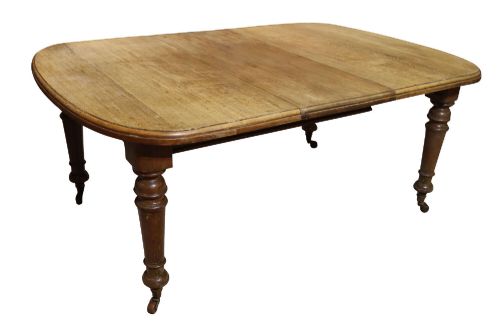
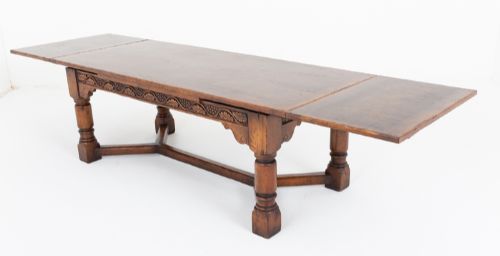
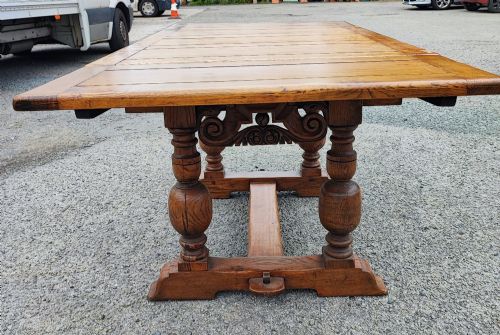
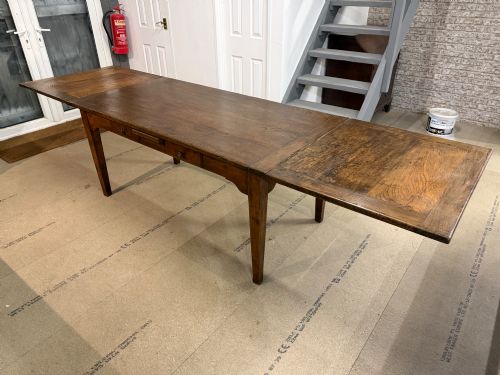
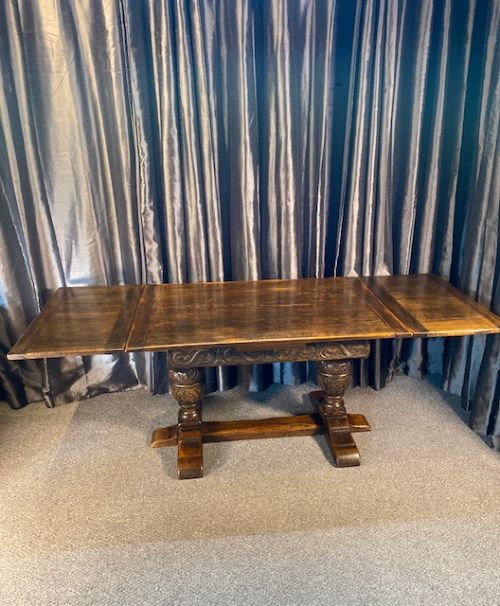
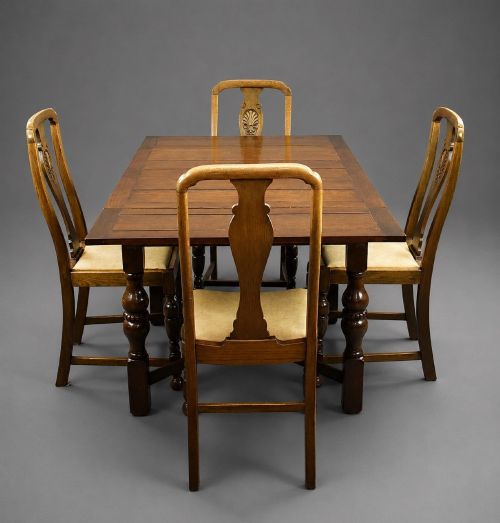
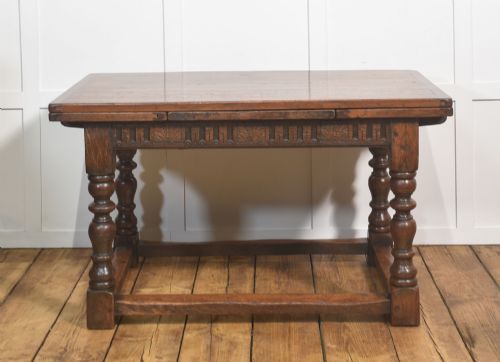
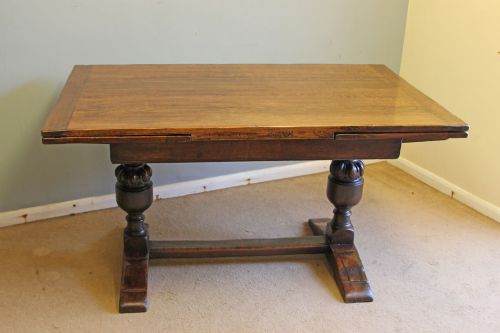
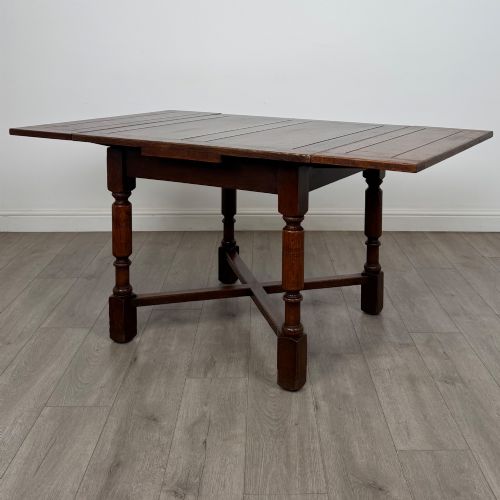
A traditional extending kitchen table is a utilitarian piece designed for daily household use and larger gatherings, coming in forms such as draw-leaf refectory tables and farmhouse tables. You will most frequently encounter oak examples from the Victorian and Edwardian periods, alongside pieces dating through the nineteenth and early twentieth centuries.
The construction typically incorporates clever mechanisms like draw leaves that slide out from beneath the main surface to increase capacity. These tables range from modest farmhouse proportions to substantial dining pieces reflecting styles from rustic farmhouse to Jacobean revival and Georgian style.
What Varies in Quality
The distinction between standard examples and finer pieces lies in the selection of timber and the precision of the extension mechanism. Superior tables display well-figured wood grain and smooth, reliable movement in the leaves without sagging when fully extended.
Proportion and execution of stylistic details further set pieces apart, from plain rustic boards to finely turned legs and carved friezes. Workshop origin also plays a part, with branded makers commanding attention for their refined joinery.
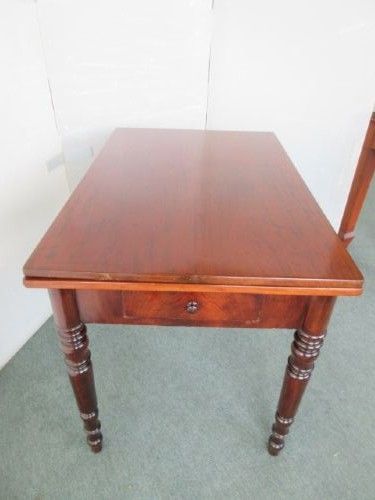
Some tables hide their extra length entirely beneath the top, ready to pull out whenever unexpected guests arrive for supper.
Maple and Co
The Traditional Extending Kitchen Table Glossary
- Draw-leaf
- An extending table mechanism where two leaves are stored beneath the main top and pulled out from the ends when needed. This clever design increases surface area instantly without requiring separate storage leaves.
- Refectory
- A long dining table style traditionally used in communal dining halls and adapted for domestic kitchens. It prioritises stability and generous length.
- Fruitwood
- Timber sourced from fruit-bearing trees such as pear, apple, or cherry, used by cabinetmakers for its dense grain and warm colour. It offers a distinct alternative to standard oak or mahogany.
Traditional Extending Kitchen Table: Frequently Asked Questions
How do draw leaf tables work?
A draw leaf table operates with two hidden leaves positioned underneath the primary top surface. When you pull the ends, these leaves slide smoothly outward and rise into alignment to extend the length.
This design allows you to adjust the table size quickly without needing to store separate boards elsewhere in the house.
Are these tables suitable for daily kitchen use?
These tables were built precisely for heavy domestic service, using robust hardwoods like oak and fruitwood. Their solid construction handles daily meal preparation and family life with ease.
Regular care and appropriate surface protection will keep the timber sound while preserving its character.
How do I tell Victorian tables from Edwardian ones?
Victorian tables often display darker timber finishes and heavier proportions, reflecting nineteenth-century design preferences. They frequently incorporate robust turned legs or simpler refectory frames.
Edwardian pieces tend to show lighter oak tones and slightly more restrained detailing, aligning with the turn of the twentieth century.
What woods were commonly used for kitchen tables?
Oak is the dominant timber found in these listings, valued for its exceptional strength and durability. Mahogany and fruitwood appear alongside pine and cherry for alternative regional aesthetics.
Each timber brings a distinct grain pattern and weight to the piece, influencing both its appearance and longevity.