


Traditional European Oil Painting
Traditional european oil painting brings centuries of continental portraiture, landscape and still life straight to your walls.
Traditional European Oil Painting
A traditional european oil painting encompasses centuries of continental artistry, stretching from the 17th century through to the mid-20th century. Buyers searching this phrase encounter diverse regional expressions, including Dutch school landscapes, Bavarian portraits, Swiss still lifes and Alpine vistas.
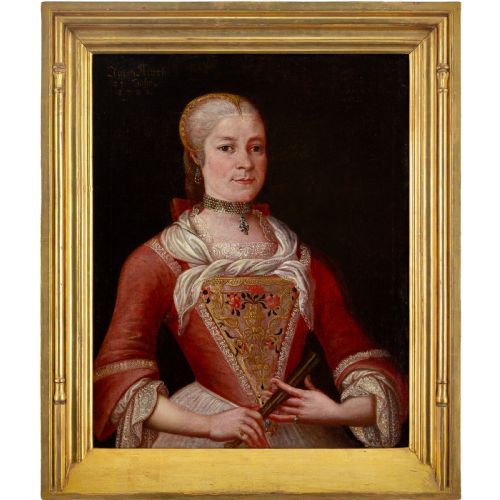
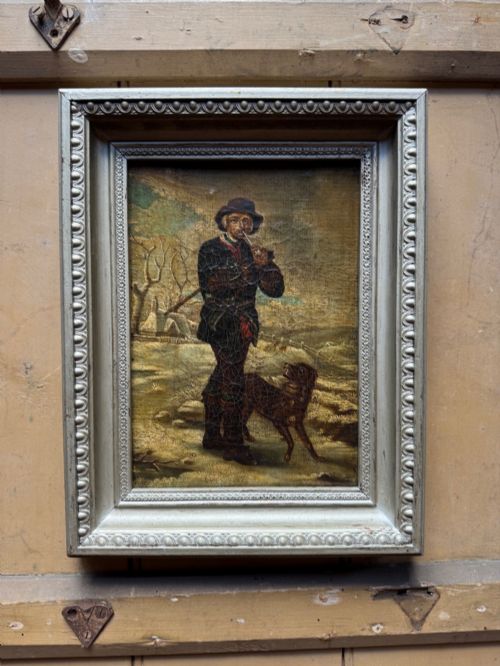
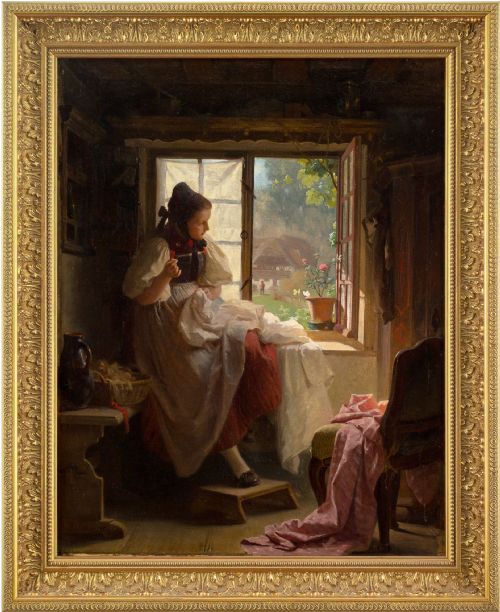
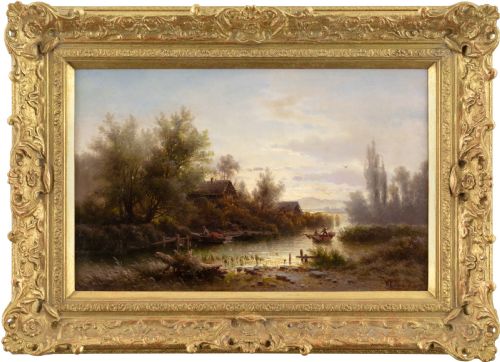
The pieces on this page lean heavily towards 19th-century works, alongside Georgian, 18th-century and early 20th-century examples. Subject matter ranges widely from rural genre scenes and winter landscapes to floral arrangements and detailed human portraits.
Originating from various European traditions such as Dutch, Belgian, Austrian and Scottish schools, these works capture historical moments through diverse regional lenses. Each piece offers a window into past aesthetic movements, from 19th-century realism to romanticism.
Materials and construction
Pigments bound in oil paint form the foundational medium across these works, traditionally applied directly onto stretched canvas or wooden boards. This medium allows for subtle blending, deep colour saturation and distinct brushwork that survives across the centuries.
Frames play a crucial structural and aesthetic role, frequently constructed from wood and finished with gesso, gold leaf or giltwood highlights. The combination of durable oil paint and robust wooden supports ensures these artworks endure over generations.
Materials recorded in this collection include oil paint, canvas, wood, gesso, giltwood, and gold leaf.
Judging quality in historic oils
Quality rests significantly upon the handling of light, shadow and spatial depth by the artist, distinguishing masterly composition from rigid execution. The dexterity of brushwork and the anatomical or topographical precision in portraits and landscapes elevate certain pieces above standard decorative works.
The preservation of the original paint surface and the stability of the canvas or wood board dictate the structural integrity of the piece. Additionally, the presence of period-appropriate frames, particularly giltwood or gold leaf mouldings, adds considerable integrity to the overall artwork.
Max Kaltenmoser·Albert Rieger·Jules Rambo·Frederick Tully Lott·William George Meadows·Hendricus Joseph Dillens·Jan Evert Morel·Henry Schouten·Karel Frans Philippeau·Louis Smets·William Dommersen·Laurens Plas·Christiaan Pieter Snyders
The Traditional European Oil Painting Glossary
- Canvas
- A heavy woven fabric stretched across a wooden frame to serve as a sturdy support for oil paint. It provides a slightly textured surface that interacts with the viscosity of the paint.
- Gesso
- A traditional white paint mixture consisting of a binder mixed with chalk, gypsum or pigment, used to prepare wood or canvas surfaces. It creates a smooth, absorbent base for gilding and painting.
- Giltwood
- Wood that has been treated and coated with a thin layer of gold leaf or gold paint. This technique enhances frames and architectural elements with a lasting metallic sheen.
- Genre painting
- The pictorial representation of scenes from everyday life, typically depicting ordinary people in domestic or public settings. These works offer valuable sociological insights into past eras.
- Realism
- An artistic movement focused on representing subject matter truthfully without artificiality, avoiding implausible, exotic or supernatural elements. It prioritises everyday contemporary subjects and settings.
Traditional European Oil Painting: Frequently Asked Questions
What periods do these paintings cover?
The selection spans from the mid-17th century through the Georgian era and the 19th century into the mid-20th century. Most pieces originate from the 19th century and early 20th century.
Works reflect distinct historical periods including Dutch golden age traditions, 19th-century realism, and early modernist influences. Each era brings specific stylistic conventions and regional characteristics to the canvas.
How were these artworks framed?
Many works are housed in traditional frames made of wood, often finished with gesso and decorated with gold leaf or giltwood. These surrounds complement the tonal qualities of the paintings within.
Original frames provide context and protection, though framing styles vary widely between Georgian elegance and 19th-century ornamentation. The interplay between frame and canvas completes the historical presentation.
What subjects are most common?
Landscapes dominate the selection, featuring alpine scenes, rivers, winter lakes, and rural country lanes. Portraits of individuals, peasants, and children also appear frequently alongside floral still lifes.
Artists captured everyday life through genre scenes, townscapes, and processions. This variety reflects the diverse interests of European schools across different centuries.
How do I care for an oil painting?
Keep paintings away from direct sunlight, excessive moisture, and rapid temperature fluctuations to protect the canvas and oil pigments. Dust the surface gently with a soft, dry brush without applying pressure.
Avoid using liquid cleaners or chemical solvents on the paint layer or gilded frames. Professional conservation is recommended for any structural repairs to the canvas or wooden support.