
Traditional Equestrian Sporting Art
Traditional equestrian sporting art records the hounds, hunters and racehorses of the nineteenth century through oil paint, prints and drawings.
Traditional Equestrian Sporting Art
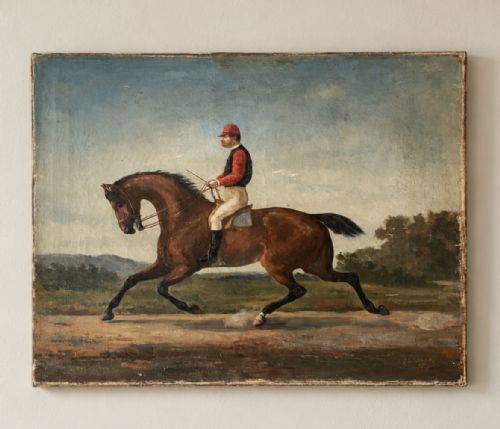
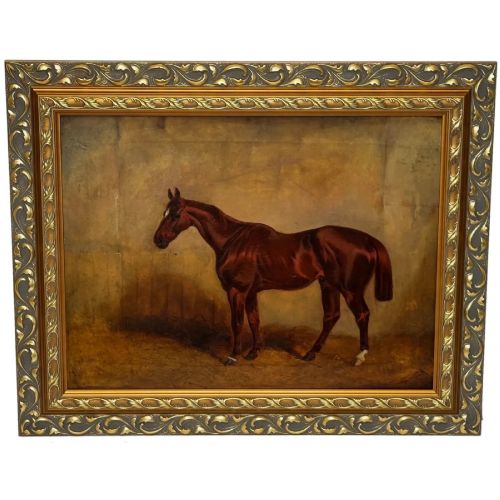
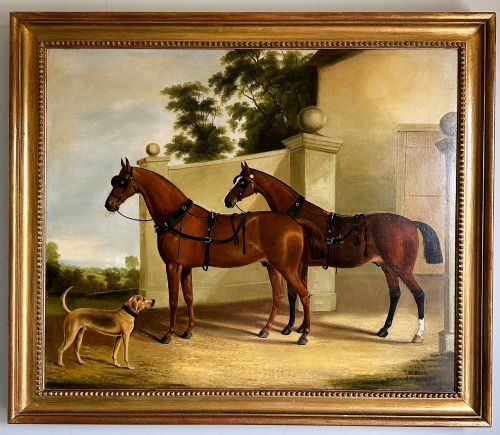
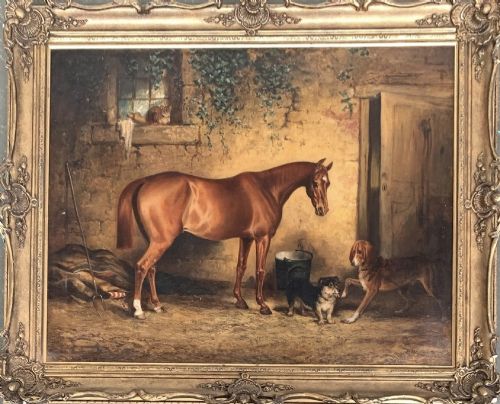
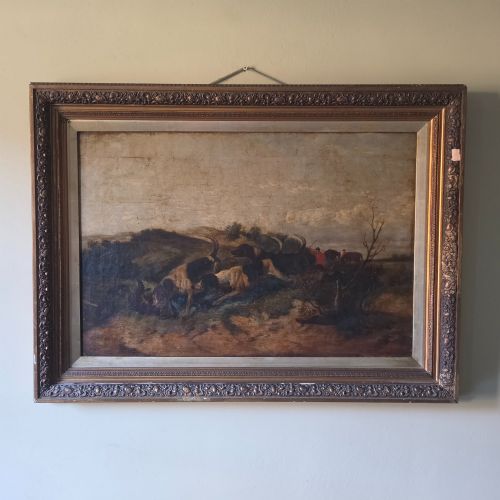
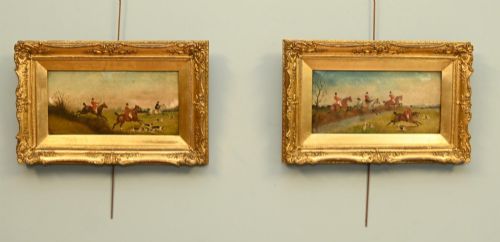
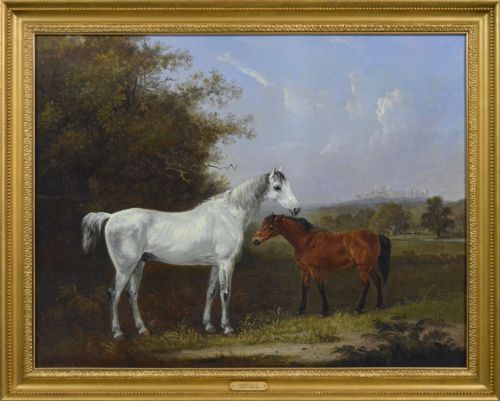
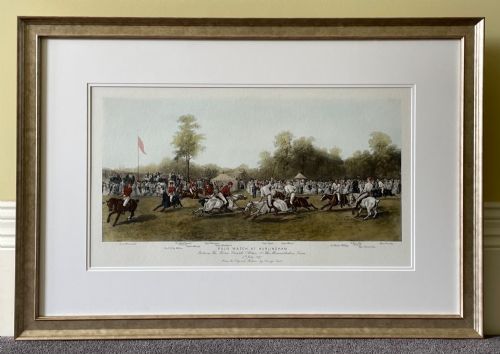
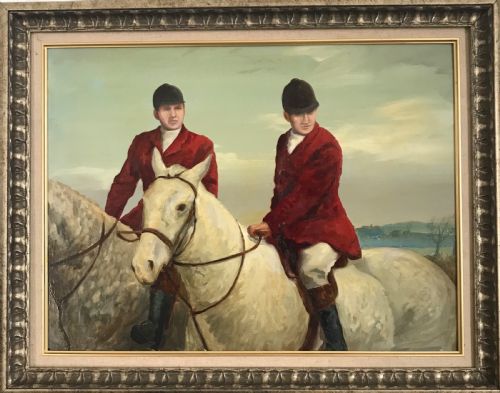
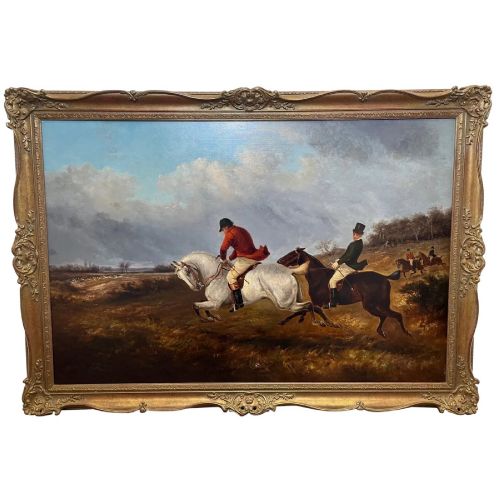
Traditional equestrian sporting art captures the horses, hounds and field sports of the nineteenth century and adjacent decades. Buyers encounter oil paintings, framed prints, lithographs and hand-coloured engravings depicting hunts, racehorses and stable scenes. These pieces record specific animals, notable races and regional hunts across Britain.
The works originate predominantly from the nineteenth century and the Victorian era, extending into early twentieth-century interpretations. Canvases and paper works frequently showcase named horses, known riders and familiar hunting locations. This imagery reflects the central role of horses and field sports in rural British life.
Materials and methods
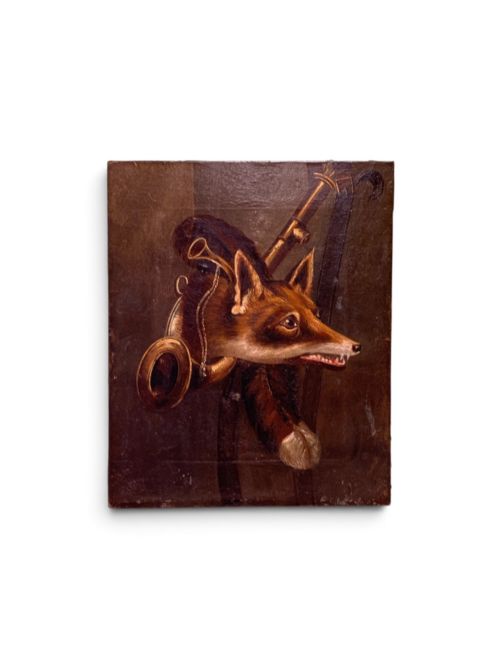
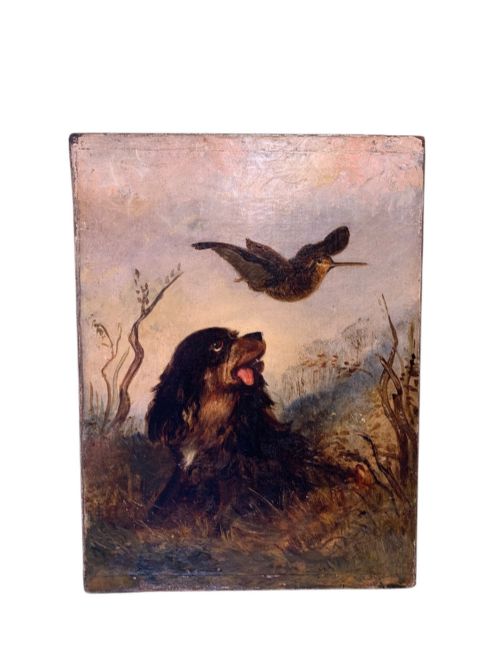
Artists painted primarily in oil on canvas or pine panel, applying pigment to capture the musculature of hunters and racehorses. Printmakers utilised lithography, aquatint and engraving on paper to duplicate popular sporting scenes for wider distribution. Frames were constructed from wood, frequently finished in giltwood to complement the domestic interiors of country houses.
Engravings and prints were frequently hand-coloured after printing to add vibrancy to coaching scenes and hunting meets. Drawings combined pencil and chalk on paper for preparatory studies and field sketches. Eglomise techniques provided reverse-painted glass reproductions of notable equestrian works.
Listings feature works spanning the eighteenth century through to the 1960s, executed in oil on canvas, paper, wood and glass.
Distinctions in quality
Anatomical accuracy and the rendering of movement separate skilled equestrian works from generic depictions. Master painters capture the precise conformation of a hunter or the intense exertion of a racehorse in stride. Weaker examples rely on stiff postures and formulaic compositions that lack individual character.
The prominence of the artist and the documentation of the subject elevate specific works. Paintings identifying named horses, professional jockeys or recognised hunts hold greater documentary interest. The preservation of the original canvas, paper and period framing also influences the standing of the piece.
Henry Barraud·Thomas Smythe·George Wright·William Albert Clarke·C. H. Weigall·Ernest Payne·Thomas Walker Bretland·John Frederick Herring Snr·John Arthur Lomax·Albert Clark·John Sanderson Wells·Basil Nightingale·W Williams·Abraham Cooper·Philip Henry Rideout·Edward Lloyd of Ellesmere·George E Sharpe·Michael Lyne·Alken·Snaffles·Charles Faulkner·Fannie Moody
The Traditional Equestrian Sporting Art Glossary
- Lithography
- A planographic printing method using a flat stone or metal plate to reproduce original drawings and paintings on paper. This technique allowed nineteenth-century publishers to issue multiple copies of popular sporting prints.
- Eglomise
- A process involving the application of gold leaf and painting on the reverse side of a piece of glass. This creates a reflective, decorative surface used for specialist reproductions.
- Giltwood
- Wood carved and covered with a thin layer of gold leaf or gilt paint. Victorian framers utilised this finish to enhance oil paintings intended for formal reception rooms.
- Aquatint
- A variant of etching that produces tonal areas resembling watercolour washes. It was frequently employed to create atmospheric backgrounds in nineteenth-century sporting prints.
- Panel
- A flat piece of wood, such as pine, used as a rigid support for oil painting before canvas became dominant. Earlier artists favoured wooden boards for stability.
Traditional Equestrian Sporting Art: Frequently Asked Questions
What subjects appear in traditional equestrian sporting art?
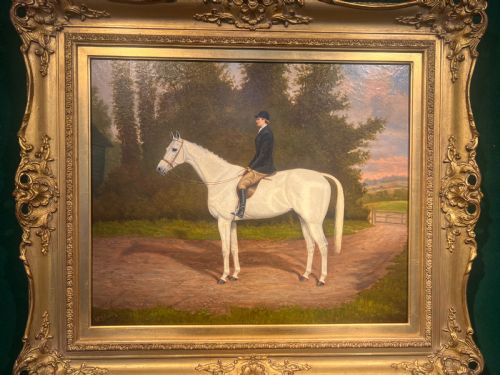
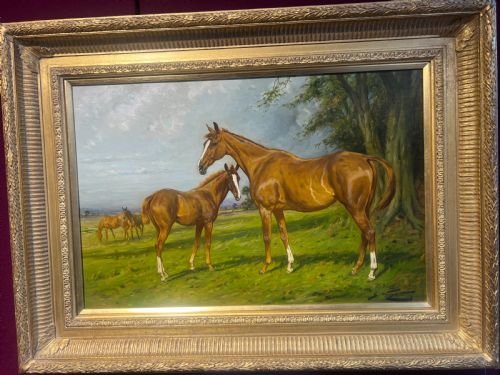
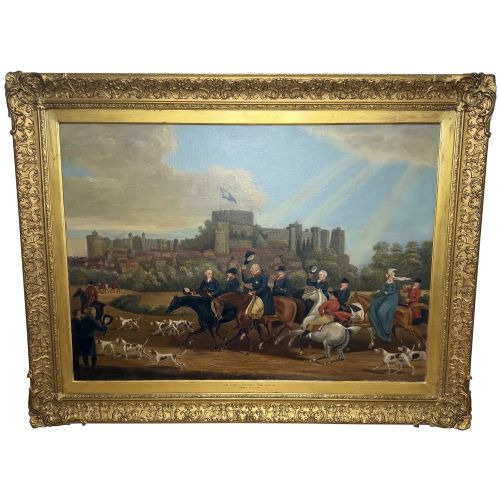
These works depict racehorses, hunters, fox hunting meets, coaching scenes and individual animal portraits. Artists recorded specific named horses alongside the hounds and riders associated with regional hunts.
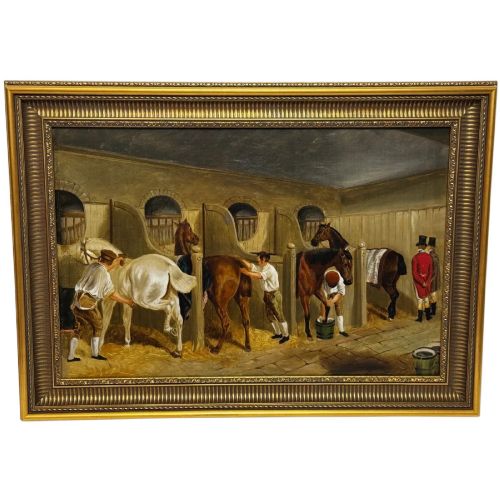
Prints and paintings also capture hare coursing, polo matches and stable interiors. The focus centres on the animals and the landscape of British field sports.
How were these sporting pieces originally displayed?
Period oil paintings were housed in heavy wooden and giltwood frames designed to anchor large canvases in country houses and rural residences. Framed prints and engravings hung in studies, libraries and halls alongside hunting trophies.
Smaller works and complete sets of prints were often kept in portfolios or displayed in domestic reception rooms. They reflected the sporting pursuits and social standing of the owners.
How do I care for antique oil paintings and paper prints?
Oil paintings on canvas or panel require stable indoor humidity and protection from direct sunlight to prevent cracking of the paint surface. Dusting should be undertaken gently with a soft, dry brush without applying commercial cleaning solutions.
Works on paper, including lithographs and engravings, need framing behind glass with acid-free mounts to prevent fading. Keeping them away from moisture preserves the integrity of the paper and any hand-applied watercolour.
How can I tell the age of a sporting painting?
Dating relies on the style of the clothing, the conformation of the horses and the framing materials used. Nineteenth-century works often bear signatures, dates or inscriptions on the canvas or reverse detailing the subject and artist.
Period framing, canvas types and printing techniques such as early lithography or hand-coloured engraving provide further chronological markers. Archival records of named racehorses and hunts help narrow the date of creation.