
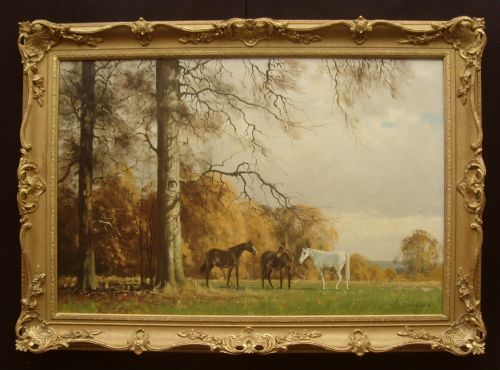
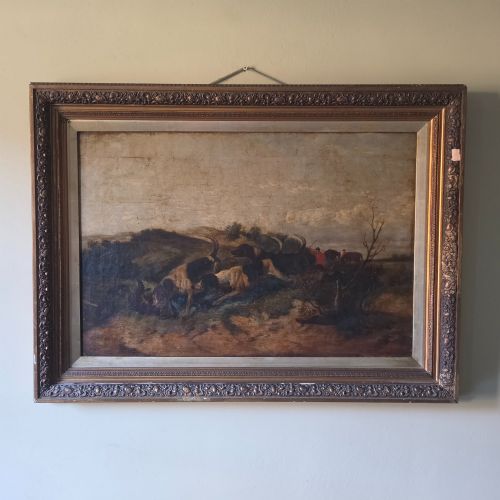
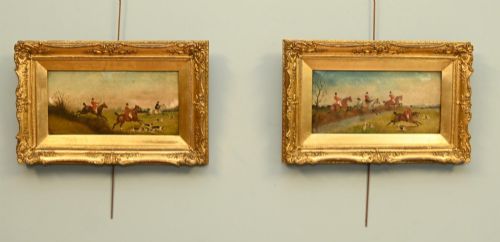
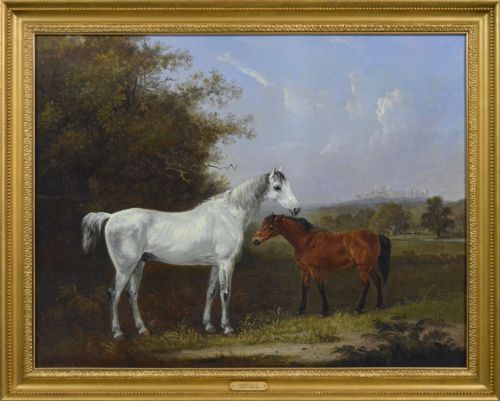
Traditional Equestrian Canvas
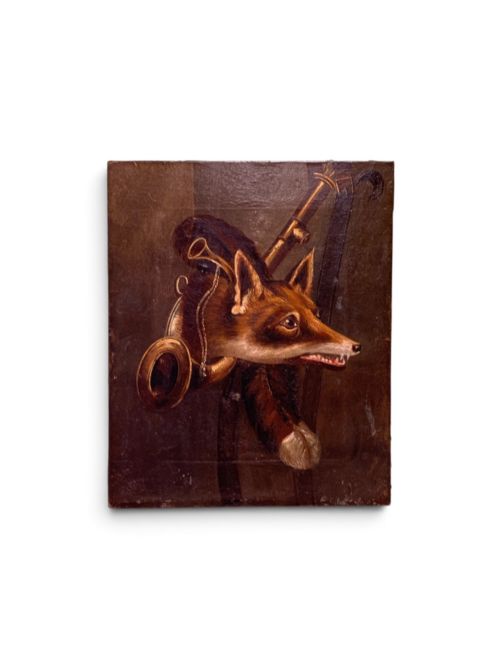
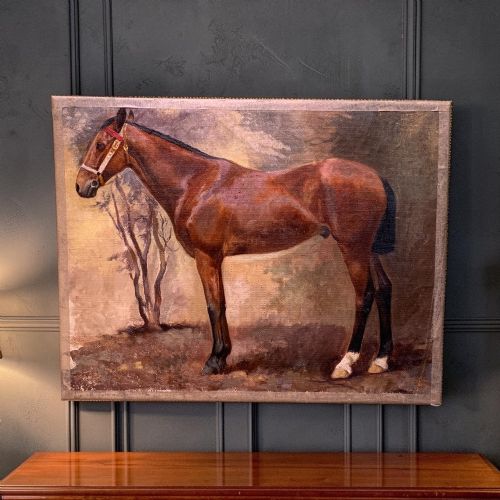
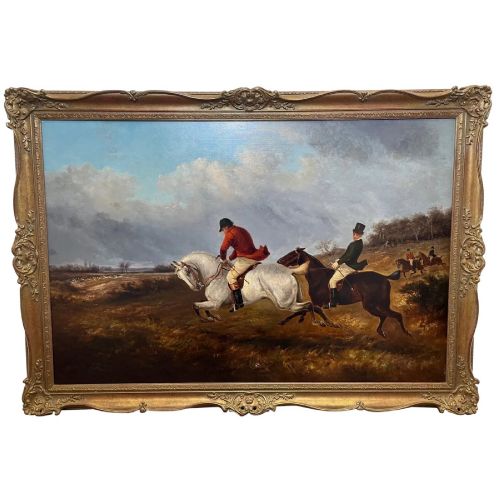
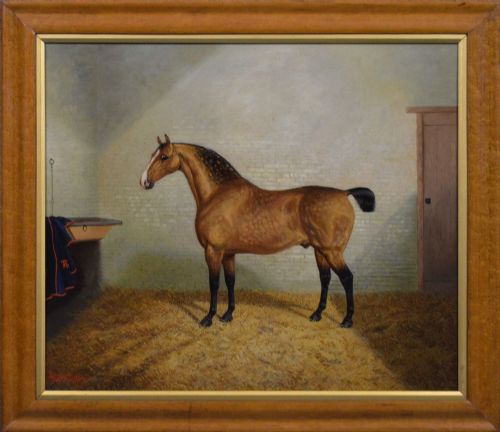
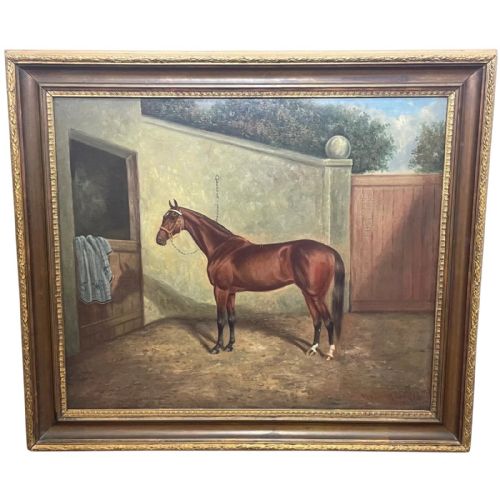
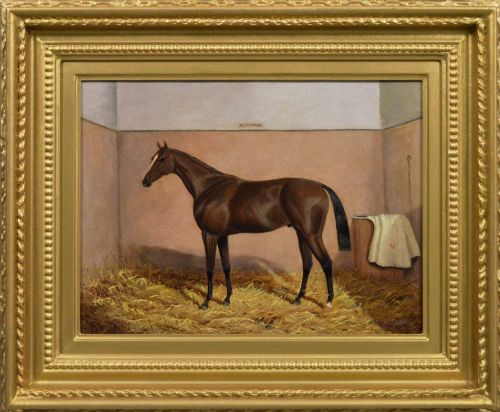
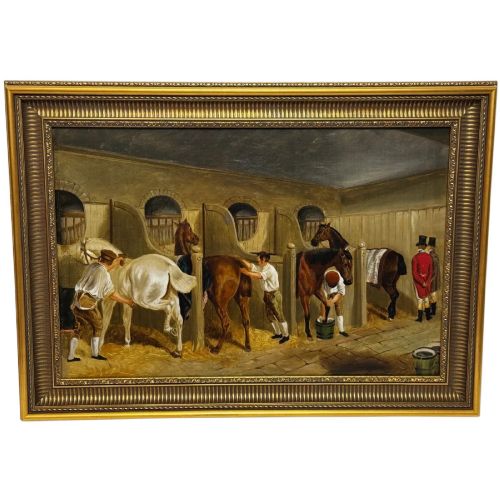
Traditional equestrian canvas works capture horse portraits, racing scenes and hunting subjects in oil paint.
Traditional Equestrian Canvas
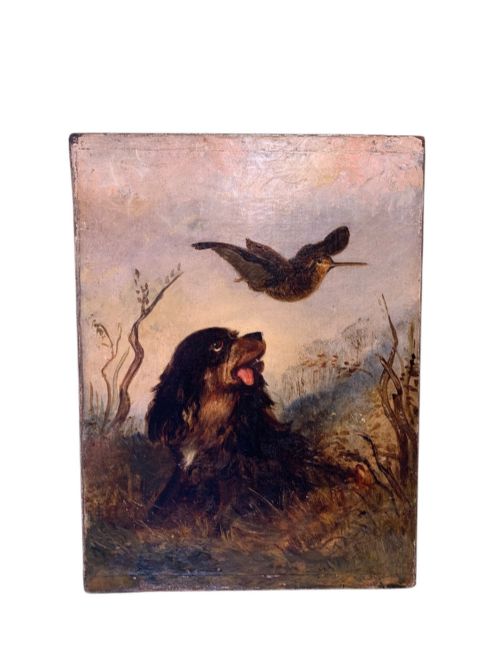
Traditional equestrian canvas works capture horses, hounds and rural scenes in oil paint, spanning the Georgian, Victorian and Edwardian periods.
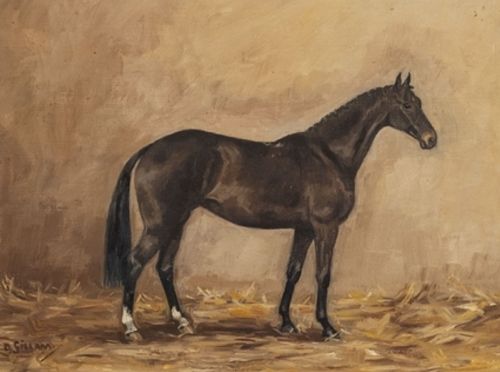
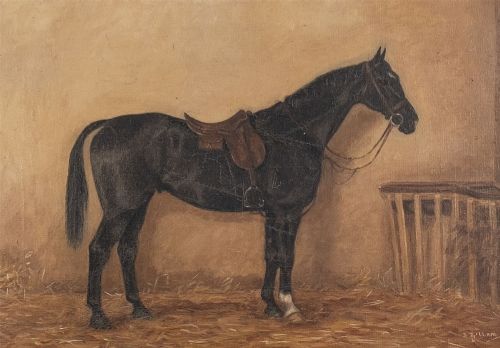
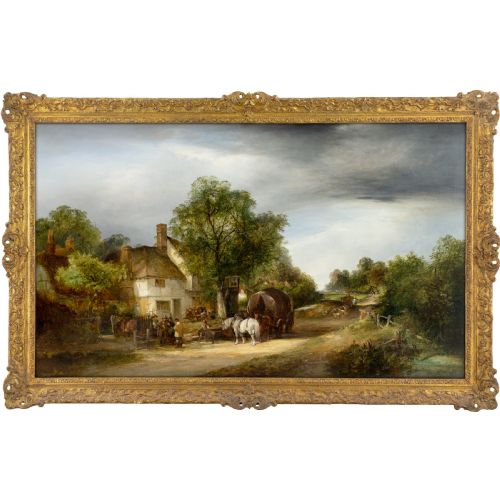
Buyers meet horse portraits in stables, racing winners on the turf, and coaching scenes framed in wood or giltwood.
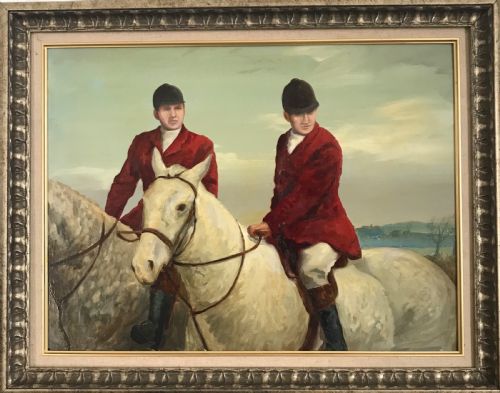
The selections range from nineteenth-century portraits of named thoroughbreds by listed artists to twentieth-century depictions of ponies and hunting landscapes.
How they were made
Artists applied oil paint to woven canvas stretched over wooden frames, building depth through layered pigments and glazes.
Finished works found their display homes within moulded wood frames, often finished with giltwood leaf to catch the light.
Listings feature oil paint on canvas spanning the eighteenth, nineteenth and twentieth centuries.
What varies in quality
Anatomy and movement separate standard studies from master works, as seen in the precise musculature of a galloping hunter or racehorse.
The handling of light on horse coats and landscape backgrounds dictates the visual depth of the painting.
Henry Barraud·Thomas Smythe·Albert Clark·George Wright·John Frederick Herring
The Traditional Equestrian Canvas Glossary
- Giltwood
- Wood carved and covered with a thin layer of gold leaf. This material surrounds many traditional frames.
- Thoroughbred
- A horse breed known for its agility and speed, frequently recorded in nineteenth-century racing portraits.
- Oil Paint
- Pigment suspended in a drying oil, applied to canvas surfaces to create durable artworks.
- Sporting Art
- Genre depicting field sports, horses, hunting hounds and rural pastimes.
Traditional Equestrian Canvas: Frequently Asked Questions
What is a traditional equestrian canvas?
It is an oil painting on canvas depicting horses, racing events, hunting subjects or rural scenes from historical periods.
These artworks record specific animals, notable racehorses and coaching traditions through the brushwork of period artists.
How do I date an equestrian painting?
Dating relies on costume details, framing styles, artist signatures and records of the specific horses or races depicted.
Nineteenth-century works often display distinct canvas preparation and stretcher construction methods compared to twentieth-century pieces.
Where should I hang these paintings?
These pieces suit traditional studies, living rooms or hallways with controlled natural light away from direct heat sources.
Their rural subjects and gilt frames complement wood panelling and classic interior colour schemes.
How do I care for old canvas art?
Keep the paintings away from direct sunlight and rapid humidity changes to protect the canvas and oil paint layers.
Dust the wooden and giltwood frames gently with a dry, soft cloth without touching the painted surface.