




Traditional English Watercolour
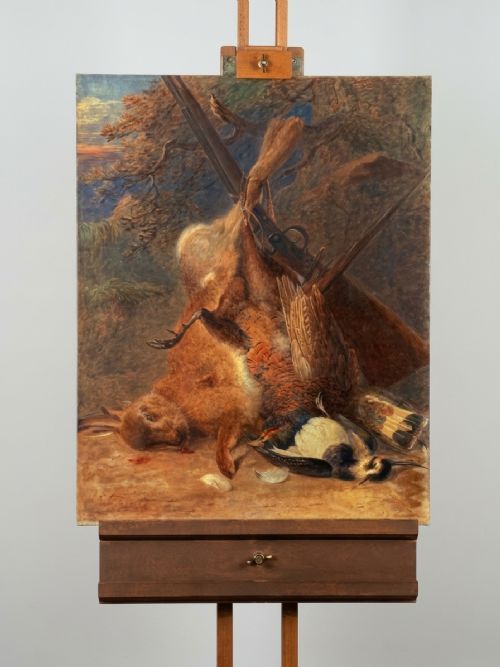
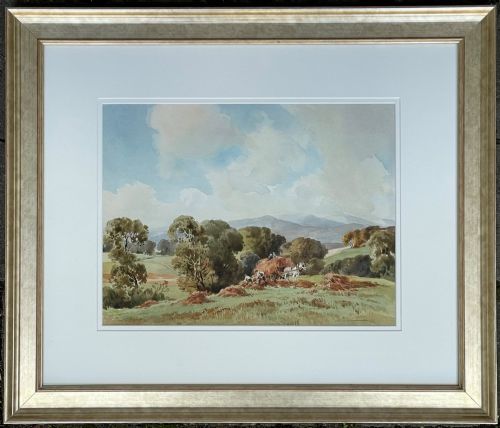
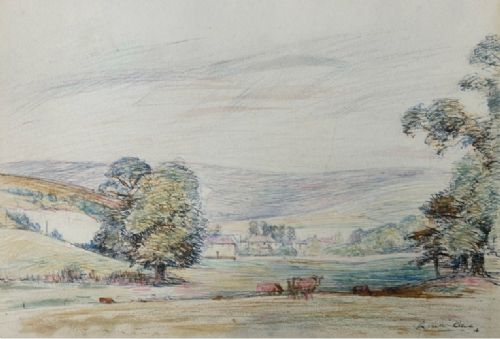
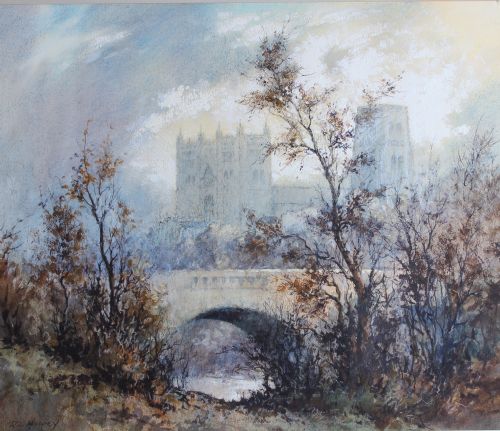
Traditional English watercolour paintings capture rural landscapes, river scenes and coastal views using pigment on paper through the nineteenth and early twentieth centuries.
Traditional English Watercolour
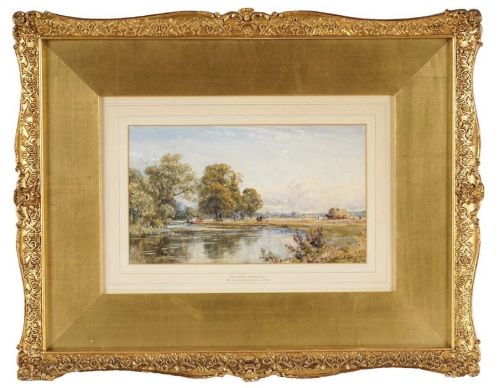
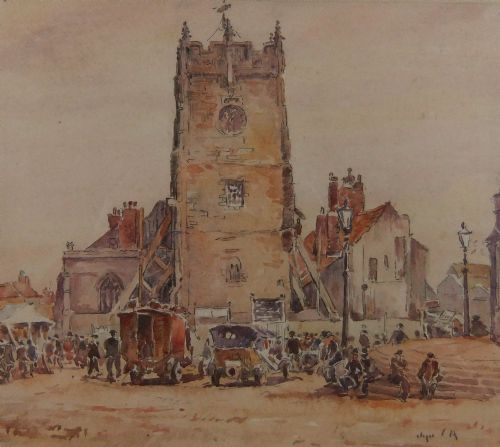
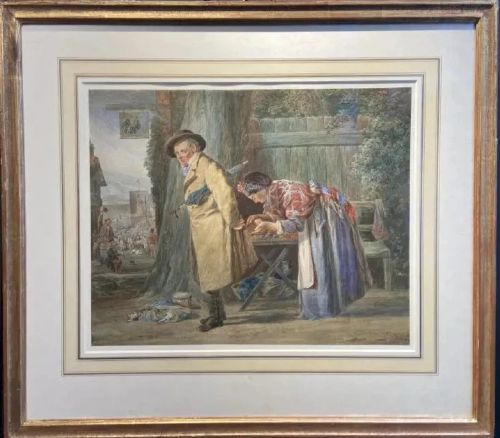
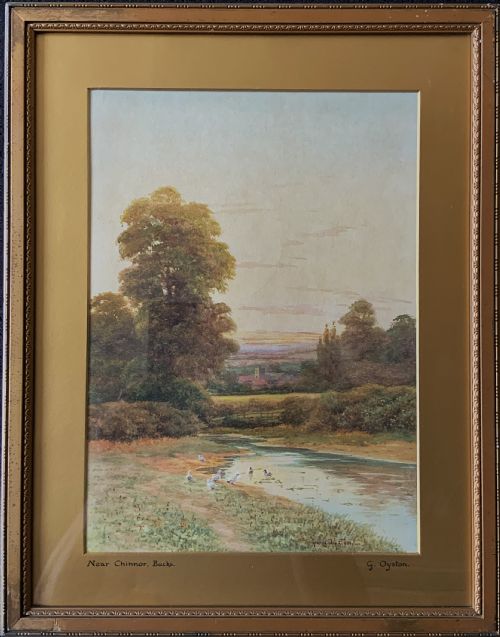
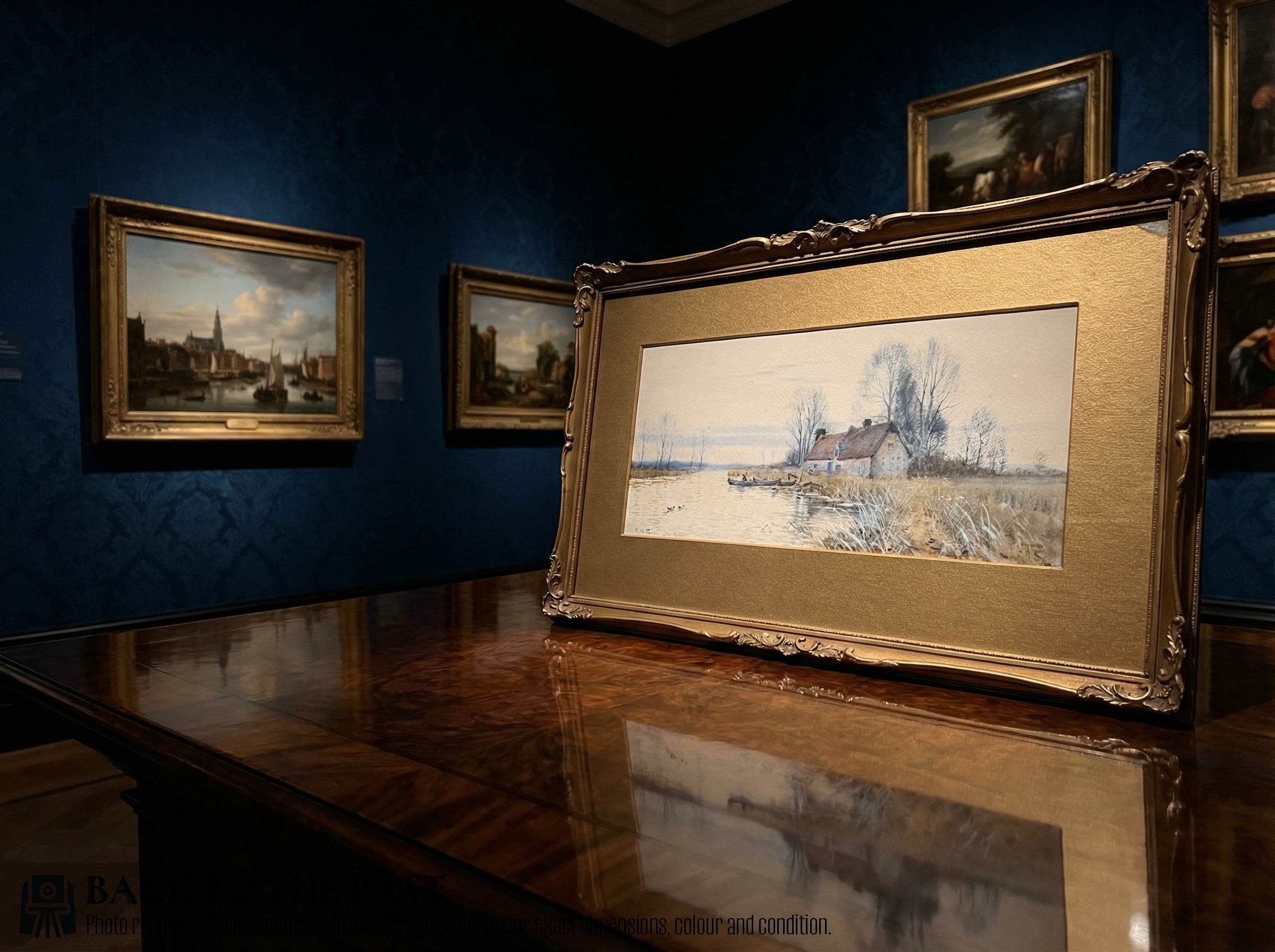
Traditional English watercolour brings together paper, pigment and water to form landscapes, seascapes and pastoral scenes. These works capture British countryside views, coastal harbours and river valleys from the nineteenth and early twentieth centuries.
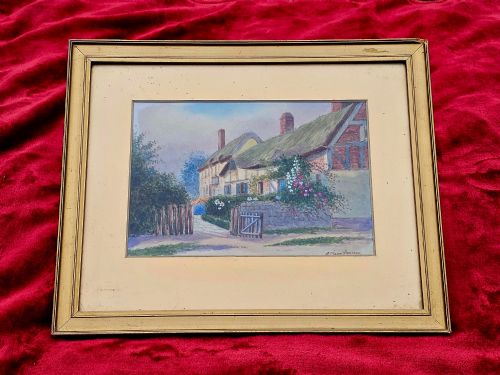
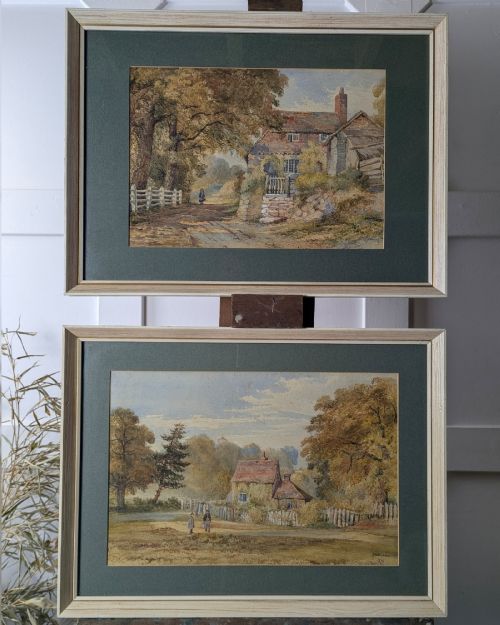
The most common pieces found here span the Victorian and Edwardian periods through to the nineteen thirties. Subjects range from quiet cottage gardens and rural lanes to bustling harbour towns and riverbanks.
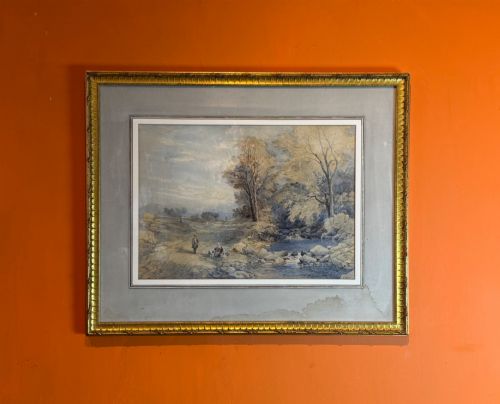
Framed artworks dominate the selections, frequently preserved in gilt wood or original frames under glass. The pieces display diverse regional British views from Yorkshire and Cornwall to the Thames Valley.
How they were made
Artists applied watercolour paint and bodycolour onto heavy paper surfaces using fine brushes. Water dilution allowed creators to build transparent washes for skies and opaque highlights for architectural details or figures.
Finishing touches often included protective glass glazing held within wooden or gilt wood frames. This protected the fragile paper and water-soluble pigments from moisture and atmospheric dust.
Traditional English Watercolour Retail Price Guide 2026
Typical asking prices for traditional english watercolour among the pieces listed under this phrase on Sellingantiques today, from the lower quarter to the upper quarter. They describe what is for sale here now, not the wider market.
Listings span the nineteenth and twentieth centuries, featuring watercolours on paper housed in wooden and gilt wood frames.
What varies in quality
Quality rests upon the artist's handling of light, atmospheric depth and topographical precision. Masterful works use subtle washes and fine brushwork to convey movement in water or shifting weather over a landscape.
The preservation of the paper and pigment dictates the visual strength of the piece. Strong works retain their original colour intensity beneath glass without excessive fading or discoloration from age.
The integration of the frame contributes to the overall integrity of the piece. Original or period gilt wood frames that complement the scale and palette of the painting elevate the presentation.
George Sydney Shepherd·Alfred Young Nutt·Percy Lancaster·William Banks Fortescue·Robert Thorne Waite·George Oyston·Henry Charles Fox·James Orrock·Theresa Stannard·George Hamilton Constantine
The Traditional English Watercolour Glossary
- Bodycolour
- Watercolour paint mixed with a white pigment to render it opaque. This technique adds highlights and solid areas of colour to a transparent wash painting.
- Gilt wood
- Wood carved and coated with gold leaf or gold-coloured paint. This material forms decorative frames designed to enhance framed artworks.
- Victorian
- The period spanning the reign of Queen Victoria from eighteen thirty-seven to nineteen hundred1. Works from this era often embrace naturalism and detailed pastoral subjects.
- Edwardian
- The period covering the reign of King Edward the Seventh from nineteen hundred to nineteen ten. Paintings from this time frequently depict pastoral scenes and bright countryside views.
- Provenance
- The documented history of a painting's ownership and origin. This record confirms the authenticity and background of the artwork.
Traditional English Watercolour: Frequently Asked Questions
How should I hang watercolour paintings?
Watercolours require placement away from direct sunlight to prevent the pigments from fading over time. Indirect natural light or gentle interior lighting helps preserve the paper and colours.
Using stable interior walls avoids excessive temperature shifts and humidity. Glass fronts protect the paper surface from dust and accidental marks.
What subjects appear in these watercolours?
British landscapes dominate the selections, featuring rivers, rural cottages, coastal harbours and pastoral fields. Scenes often record specific locations across Yorkshire, Cornwall, Dorset and the Thames Valley.
Human figures and livestock frequently animate the foregrounds of these rural and coastal compositions. The views reflect nineteenth and early twentieth century British topography.
How do I identify Victorian watercolours?
Victorian watercolours often employ detailed naturalism and rich atmospheric effects. Subject matter frequently centres on traditional rural life, detailed architecture and pastoral landscapes.
Signatures, dates and framing styles offer further clues to the period. Many pieces retain nineteenth-century gilt wood frames and handwritten artist labels.
Are these paintings original works?
The listings consist of original hand-painted watercolours on paper rather than mechanical reproductions. Each piece represents a distinct creation by an individual artist.
Signatures, brushwork texture and paper characteristics confirm their hand-painted origins. Many include period framing that matches the era of creation.