


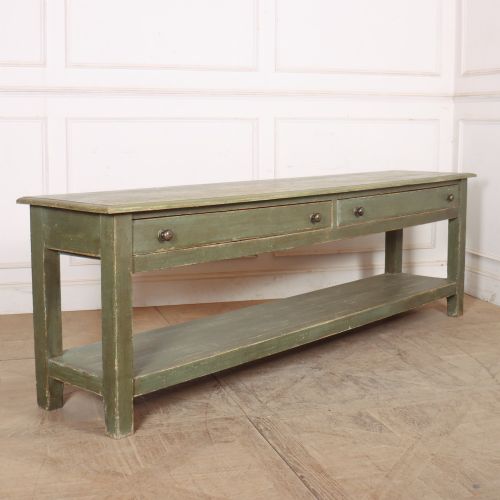


Traditional English Sideboard Table
A traditional english sideboard table brings centuries of British domestic history into a modern room, offering sturdy utility paired with timeless craftsmanship.
Traditional English Sideboard Table
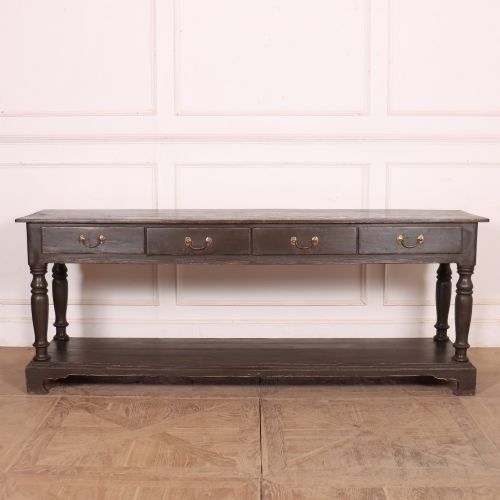
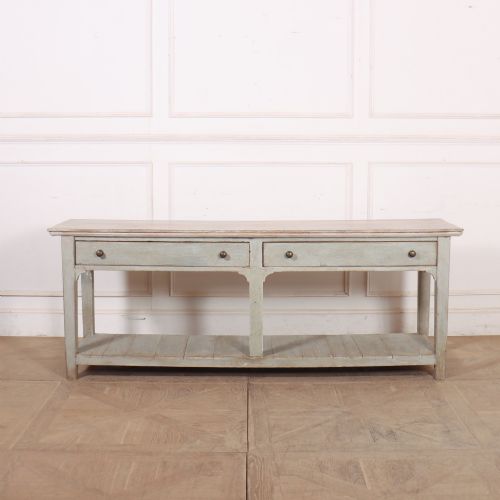
When you search for a traditional english sideboard table, you encounter robust serving furniture, low storage units, and kitchen bases shaped by generations of British cabinet makers. The pieces listed here span the eighteenth, nineteenth, and early twentieth centuries, capturing the evolution of domestic dining and storage.
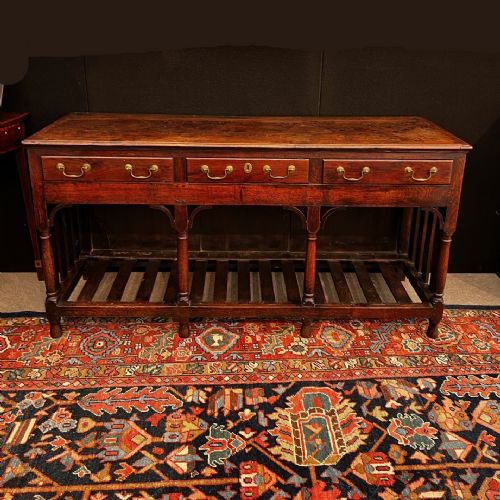
You are most likely to meet oak potboard dresser bases and mahogany serving tables from the Georgian and Victorian eras. These forms reflect the changing needs of English country houses and town residences, moving from open potboards for display to enclosed cupboards and multi-drawer formats.
The assortment on this page draws heavily on vernacular English Country, Rustic Farmhouse, and formal Georgian or Regency aesthetics. Each piece demonstrates the practical utility required for food service and storage before fitted kitchens became standard.
How they were made
Cabinet makers relied primarily on solid oak, mahogany, and elm, often combining timbers within a single piece to suit structural demands and visible surfaces. Painted timber finishes and bleached oak treatments also appear, reflecting regional preferences and later decorative choices.
Construction techniques centre on traditional joinery, utilising brass handles, iron hardware, and pegged joints to ensure lasting stability. Surfaces range from plain waxed timber to painted wood and intricate linenfold carved panels.
Potboard dresser bases in oak represent the oldest form of serving furniture recorded in these listings.
What varies in quality
The grade of timber and the integrity of the original construction separate the finer examples from simpler vernacular pieces. Higher quality work is evident in the selection of figured mahogany or dense quarter-sawn oak, alongside restrained proportions and balanced drawer arrangements.
The retention of original hardware, unaltered potboards, and uncompromised surface patination elevate a piece. Lesser examples often show more extensive timber replacement or heavy alterations from centuries of domestic service.
The Traditional English Sideboard Table Glossary
- Potboard
- A lower shelf fitted beneath a dresser base or serving table, traditionally used for storing pots and serving dishes. This open lower tier is a defining feature of many early oak pieces.
- Dresser base
- A low freestanding cabinet featuring drawers above cupboards or an open shelf, serving as a primary workspace and storage unit in older English kitchens. These forms predated built-in kitchen cabinetry.
- Linenfold
- A style of carved wooden panelling that resembles folded vertical folds of linen. This decorative motif appears on revival cupboards and panels from later periods.
- Serving table
- A long, narrow table designed for holding food and dishes during dining, often standing against a dining room wall. These tables form the direct precursor to the enclosed sideboard.
- Regency
- A style period spanning the early nineteenth century defined by classical restraint, elegant proportions, and imported dark timbers such as mahogany.
Traditional English Sideboard Table: Frequently Asked Questions
What is a traditional english sideboard table?
A traditional english sideboard table is a serving or storage piece of furniture originating from British domestic interiors, typically constructed from oak, mahogany, or elm. These tables encompass dresser bases, serving tables, and low cabinets designed for dining rooms and kitchens.
They reflect the domestic habits of past centuries, combining wide timber tops for food preparation or display with drawers and lower shelves for storage.
How do I date an oak sideboard?
Dating an oak piece involves examining the construction methods, tool marks, and timber characteristics visible across the frame and drawer linings. Eighteenth-century pieces often display hand-planed surfaces, pegged joinery, and simpler structural framing.
Later nineteenth-century and Edwardian examples may incorporate machine-sawn elements, different secondary woods, or revival decorative carving styles such as linenfold.
Where were sideboard tables used?
These tables were primarily placed in dining rooms, large kitchens, and country house halls to assist with meal service. The wide top surface held dishes before service, while drawers contained cutlery and linens.
In modern interiors, they function equally well in hallways, living rooms, and kitchens as storage consoles or display surfaces.
How do I care for antique timber furniture?
Maintaining antique timber requires keeping pieces away from direct heat sources and extreme humidity fluctuations to prevent wood splitting. Regular dusting with a soft cloth and occasional application of appropriate wax helps preserve the natural finish and patina.
Avoid commercial silicone sprays, which can penetrate the grain and alter the historic surface of the wood.