

Traditional English Oil Landscape
A traditional english oil landscape brings the quiet rural views of the British countryside directly into a room.
Traditional English Oil Landscape
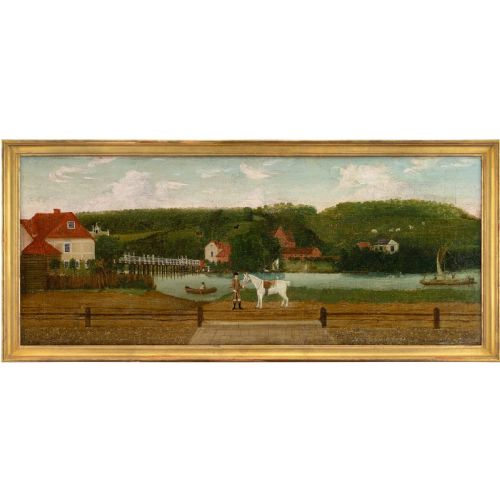
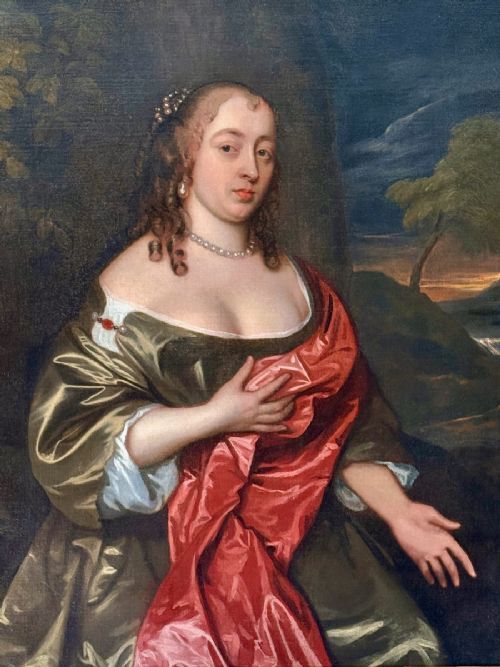
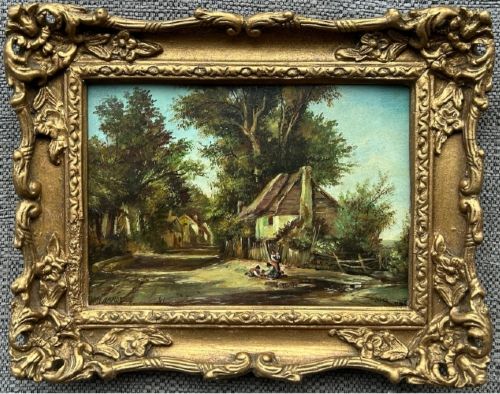
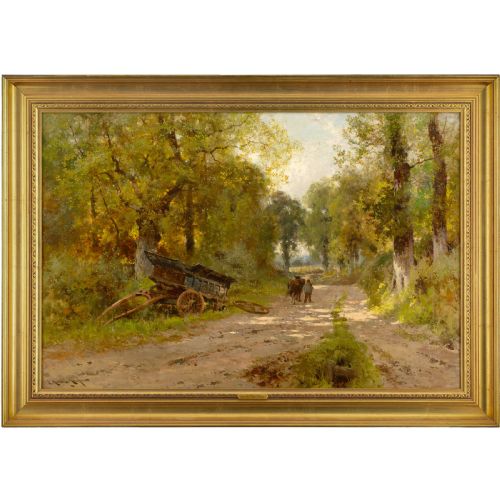
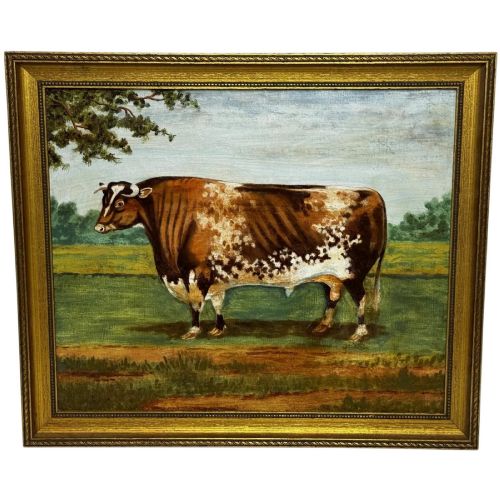
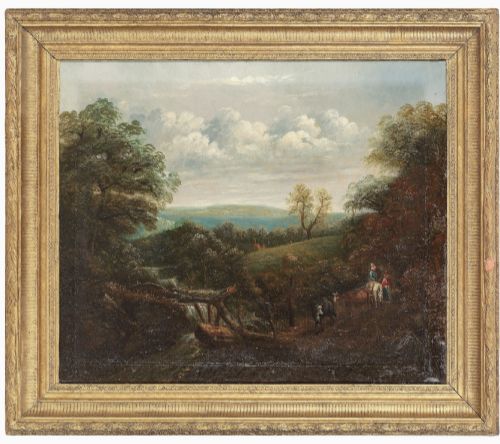
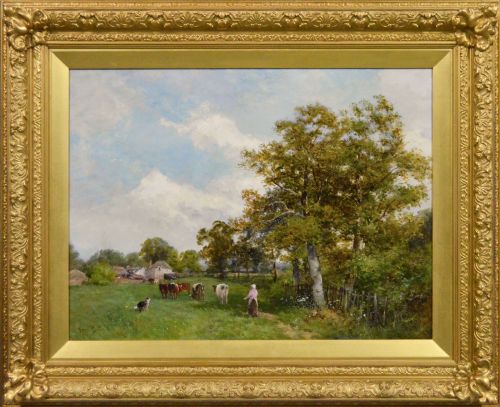
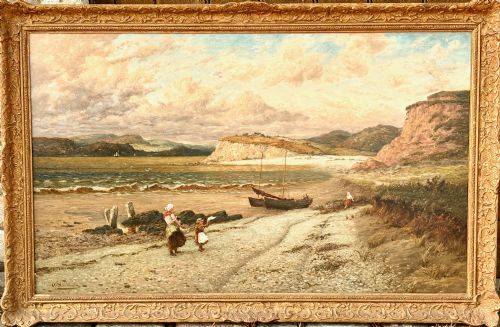
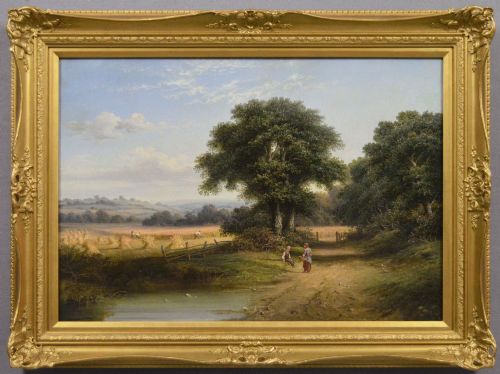
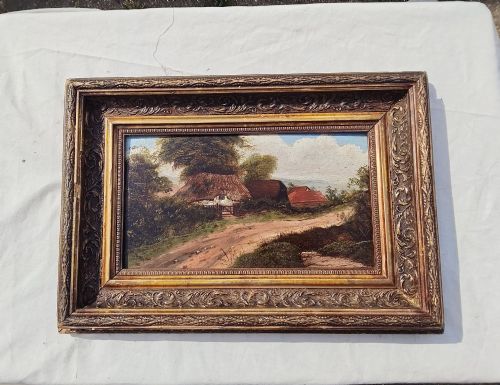
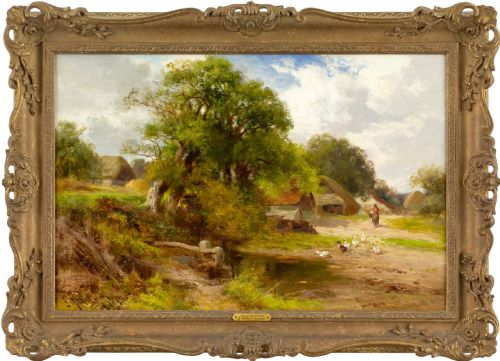
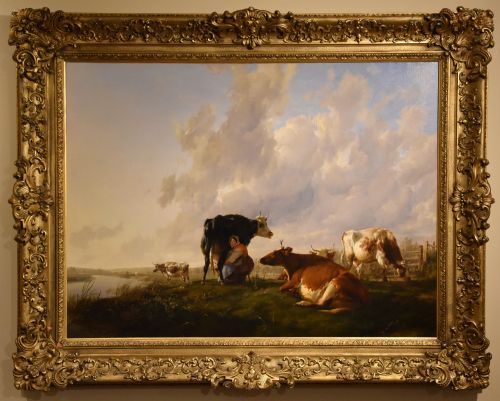
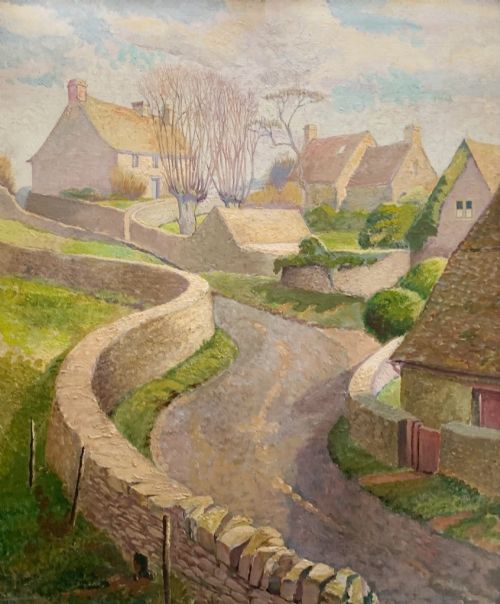
A traditional english oil landscape portrays rural scenes, country paths, river banks, and pastoral views created across the nineteenth and early twentieth centuries. These works record the changing light on rivers, cottages, and agricultural life through the eyes of the British School and related regional painters.
Most examples found here date from the Victorian and Edwardian eras, executed by named artists and regional followers working in oil on canvas or panel. The subjects range from West Country harbours and Yorkshire valleys to quiet wooded streams with figures and livestock.
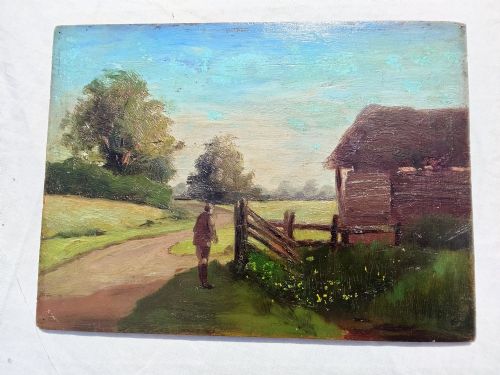
Collectors encounter works spanning from late Georgian pastoral compositions to mid-twentieth-century views of Dartmoor and Gloucestershire rivers. The variety covers both expansive framed exhibition pieces and intimate studies painted on wood or card.
Evaluating the work
The strength of a composition rests on the artist's handling of light, atmosphere, and spatial depth within the rural setting. Finer examples capture specific regional light and weather conditions with confident brushwork, whereas lesser works rely on formulaic foliage and repetitive sky treatments.
The integrity of the original surface and the condition of the pigment layer influence the visual impact of the piece. Works that retain their early framing, whether carved giltwood or simple moulded wood, maintain a more authentic historical context.
Represented subjects include river banks, coastal harbours, and agricultural scenes across various English counties.
Thomas Barker of Bath·David Bates·Walter Heath Williams·Thomas Sidney Cooper·Henry Yeen King·T C Hofland·George Morland·Miles Birkett Foster·Sydney Yates Johnson·Charles Walter Simpson·William Edward Webb·Thomas Baker of Leamington·John Sanderson Wells·Reginald Grange Brundrit
The Traditional English Oil Landscape Glossary
- English School
- A term used to describe artists working within the British tradition of painting, particularly those focusing on landscape and genre subjects without adhering to continental academies. It groups together both prominent Royal Academicians and regional painters.
- Gesso
- A plaster-like mixture applied to wooden panels or frame mouldings to provide a smooth, stable surface for gilding or painting. It creates the crisp relief details seen on antique frames.
- Oil on Canvas
- Pigments mixed with a drying oil, typically linseed, applied to a stretched textile support. This combination allows for rich blending of colour and varied surface textures.
- Panel
- A rigid support for painting, usually made from seasoned wood such as oak or mahogany, or later compressed card. Panels offer a stable surface that resists the slackening common to old canvases.
- Provenance
- The documented history of a painting's ownership and exhibition record, which helps establish authenticity and date of origin. In traditional landscapes, signatures and exhibition labels on the reverse often provide this link.
Traditional English Oil Landscape: Frequently Asked Questions
How do I date an antique landscape?
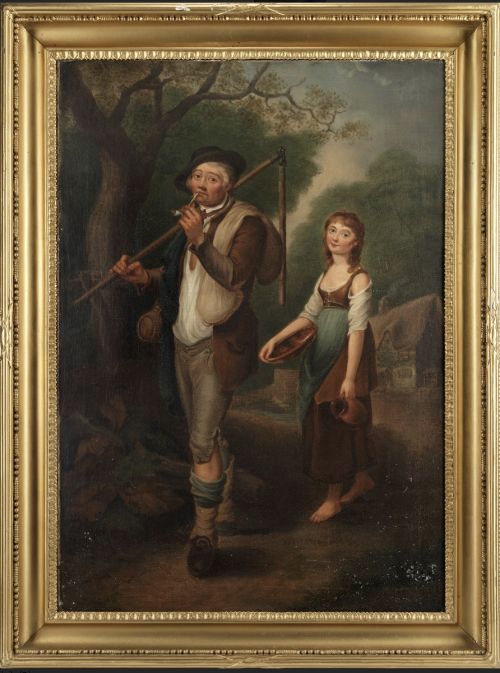
Dating relies on stylistic clues, framing materials, and artist records. Clothing styles of figures and the type of canvas or panel support offer further chronological markers.
Signatures, exhibition labels, and backboards often provide direct dates or narrow the window to a specific decade within the nineteenth or twentieth century.
Where were these paintings displayed?
These works hung primarily in British country houses, rectories, and urban townhouses during the Victorian and Edwardian periods. They served to bring familiar rural views indoors.
Many larger canvases were created for annual exhibitions at institutions like the Royal Academy before finding permanent homes in domestic parlours.
How should I frame an oil painting?
Traditional gilt wood or moulded wood frames suit these pastoral subjects best. The frame should complement the palette and era of the canvas without overpowering the composition.
Retaining the original frame preserves the historical integrity of the piece, even when minor losses to the gesso ornamentation show its age.
What subjects are most common?
River views, woodland paths, and coastal harbours dominate the genre. Artists frequently included figures, cottages, and livestock such as cattle or ponies to add scale and narrative interest.
These scenes reflect a deep nineteenth-century interest in the British countryside, agriculture, and local topography.