





Traditional English Kitchen Table
A traditional english kitchen table anchors the room through plain utility and timber built to endure decades of daily use.
Traditional English Kitchen Table
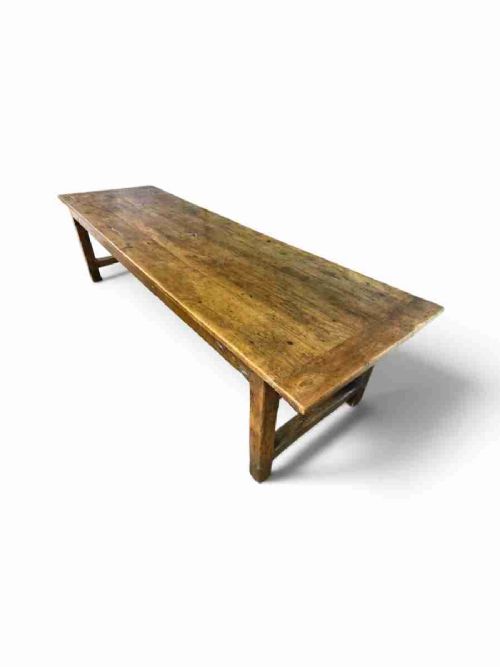
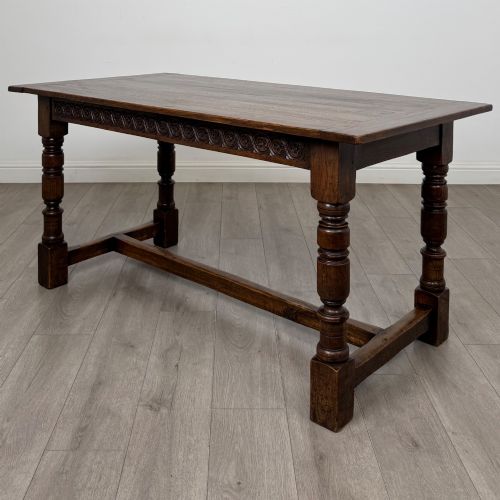
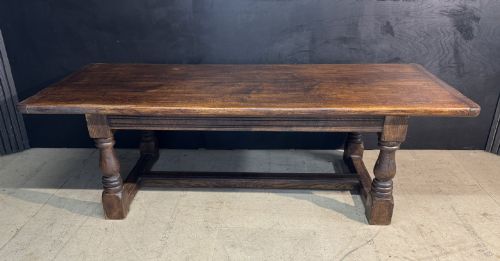
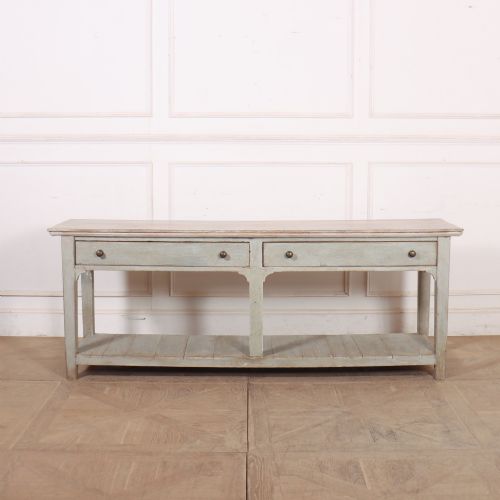
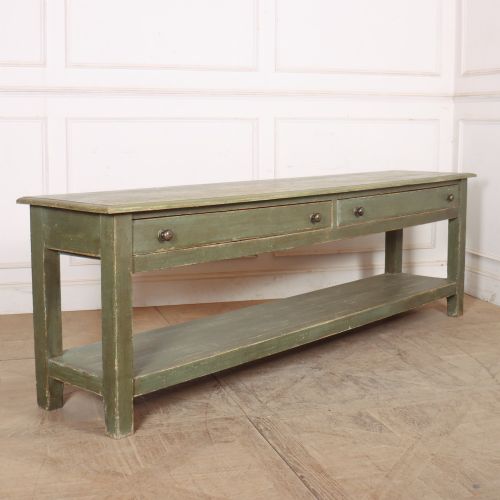
A traditional english kitchen table brings together sturdy oak, pine, elm and beech forms originating across the eighteenth, nineteenth and early twentieth centuries. Buyers seeking this phrase encounter heavy refectory boards, potboard dresser bases and simpler trestle tavern tables built for domestic and communal spaces.
The pieces appearing on this page span vernacular country kitchen formats to more formal George III dining designs. Oak and pine dominate the selection, often presenting with thick planks and generous proportions suited to seating gatherings of six to eight people.
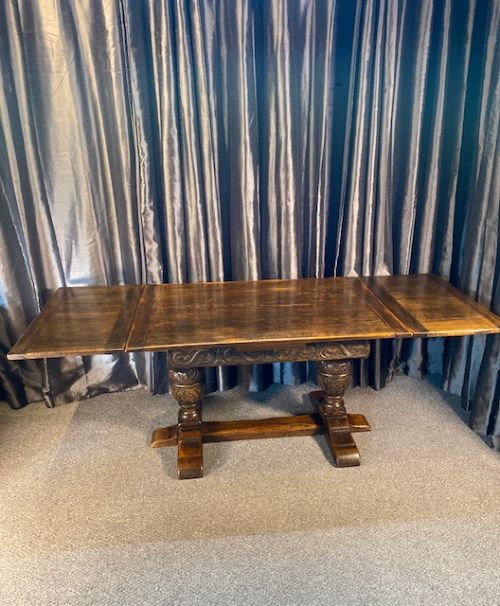
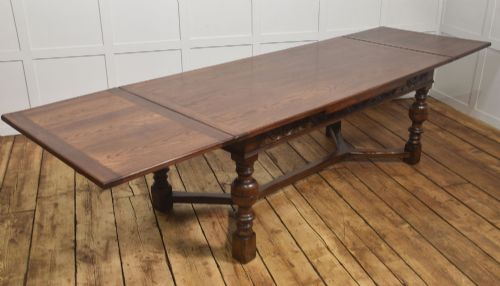
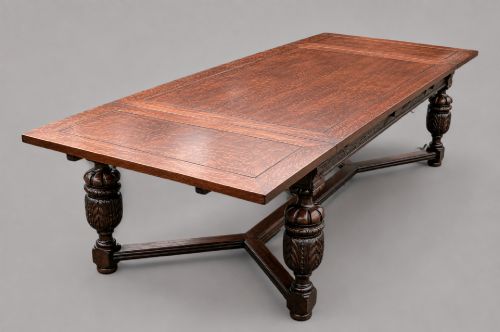
Refectory and draw-leaf variants offer functional flexibility alongside older country house prep surfaces. Each surface records decades of use through natural grain movement and patination developed over generations.
Materials and Construction
Makers relied primarily on native English hardwoods and softwoods, choosing robust oak, resilient elm, beech and pine for structural stability. Joinery techniques prioritised sturdy frame construction, often employing pegged mortise and tenon joints to withstand heavy weight and constant movement.
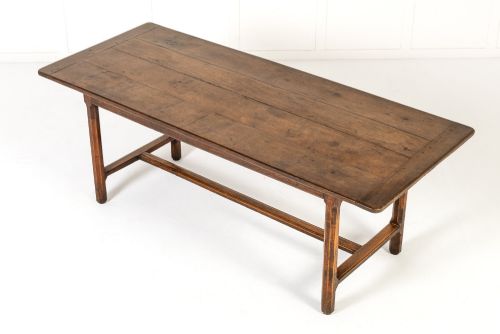
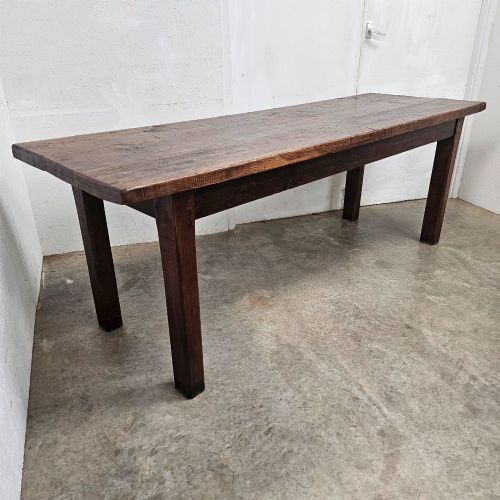
Tops were fashioned from solid timber planks, sometimes spanning considerable widths, supported by potboards or substantial trestle legs. Surfaces were finished simply, relying on wax or natural oils, though occasional examples feature painted timber bases.
Listings span periods from the eighteenth century through the 1930s, featuring oak, pine, elm, beech and painted timber.
Judging Quality
Quality rests in the integrity of the timber selection and the retention of original structural elements. Tables featuring thick, well-matched plank tops and untouched timber frames display a superior level of domestic craftsmanship compared to heavily altered examples.
The depth of patination on the wood tells a story of genuine age and service. Superior pieces maintain their original joinery without excessive replacement timber, allowing the natural character of the oak or pine to show clearly.
The Traditional English Kitchen Table Glossary
- Potboard
- A lower shelf fitted beneath a dresser base or serving table, traditionally used for storing earthenware pots. This platform adds structural rigidity to the legs while providing open storage.
- Refectory table
- A long, narrow dining table historically designed for communal dining halls. These surfaces utilise sturdy stretcher bases to maintain stability across extended lengths.
- Draw-leaf
- An extending table mechanism featuring two hidden leaves stored beneath the main top. These leaves pull out smoothly to lengthen the surface when extra seating is required.
- Trestle
- A support structure consisting of horizontal beams held by vertical feet or legs. This design offers robust legroom beneath the table top.
- Patina
- The surface sheen and colour acquired by timber through decades of handling, polishing and exposure to light. It serves as a visual indicator of age and continuous use.
Traditional English Kitchen Table: Frequently Asked Questions
How do I clean a wooden kitchen table?
Wipe the surface with a slightly damp cloth and dry it immediately to protect the timber. Avoid harsh chemical cleaners that strip the natural oils and finish from the wood.
Apply a traditional beeswax periodically to nourish the grain and maintain the protective barrier. Regular dusting prevents particulate buildup in the natural grooves of the old planks.
Can I use these tables for daily dining?
These tables were built specifically for heavy domestic service and withstand daily family meals comfortably. Their robust construction handles active use without losing stability.
Use coasters and placemats to protect historic timber from excessive moisture and heat rings. Embracing minor marks ensures the table continues to accumulate its natural history.
What is the difference between oak and pine tables?
Oak provides a denser, heavier surface with a distinct dark grain that hardens further with age. Pine offers a softer, lighter alternative often finished with painted timber bases.
Pine tables generally present a lighter aesthetic suited to brighter kitchen spaces. Oak options deliver greater weight and a formal country house presence.
How do I identify the period of a table?
Examine the construction methods, tool marks on the underside and the nature of the timber planks. Older eighteenth-century examples feature wider boards and hand-cut joinery specific to vernacular workshops.
Later Victorian and Edwardian iterations incorporate machine-sawn elements and standardised hardware. Comparing the leg turnings and stretcher arrangements helps narrow down the era of manufacture.