
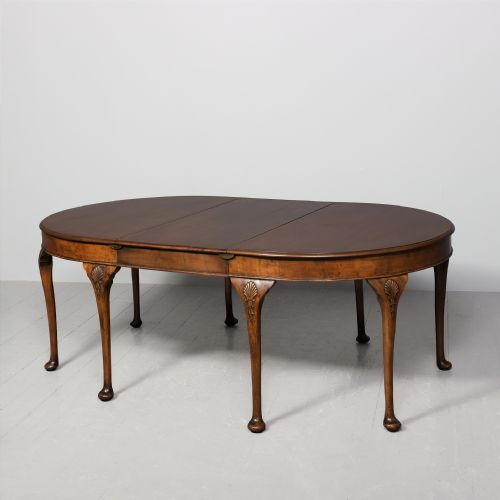


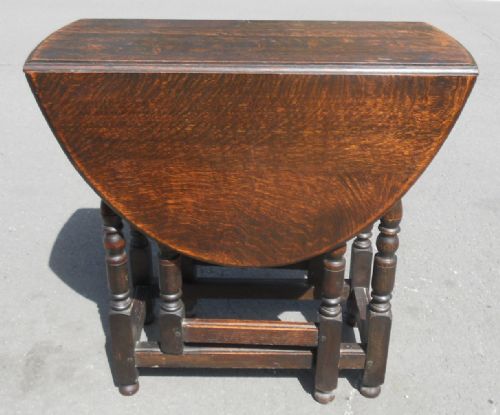


Traditional English Drop Leaf Table
Traditional English drop leaf table pieces are versatile folding dining and side furniture crafted from oak, mahogany, and walnut to save space in period homes.
Traditional English Drop Leaf Table
A traditional English drop leaf table is a practical piece of historical furniture designed with hinged flaps that fold down when not needed. Buyers searching this phrase will find a variety of forms ranging from large oak gateleg dining tables to smaller walnut and mahogany occasional tables.
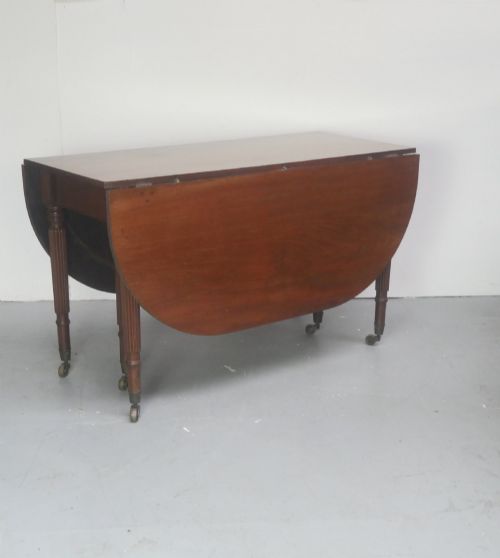
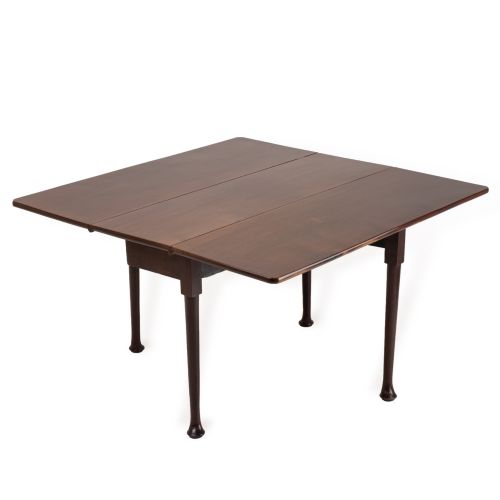
The selection on this page spans several centuries, including seventeenth-century oak examples, eighteenth-century mahogany designs, and later revivals from the nineteenth and twentieth centuries. These tables served various domestic roles, functioning primarily as dining surfaces or side coffee tables depending on their scale.
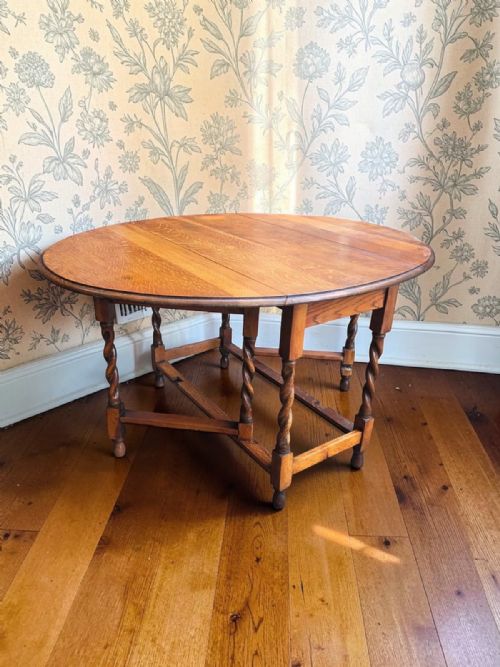
Most pieces encountered here take the form of gateleg tables, where swinging legs support the dropped leaves, though spider tables and miniature Sutherland tables also appear. Their sturdy construction and adaptable surface area make them enduringly popular for modern living spaces.
Materials and construction
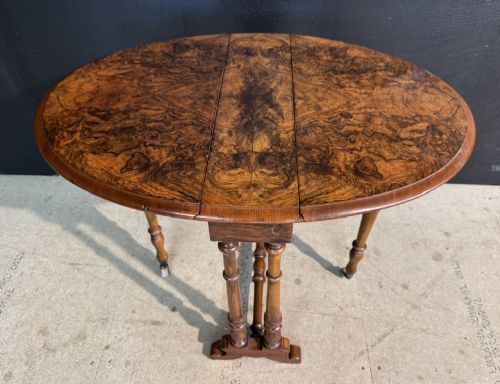
Makers predominantly utilised native timber, building the structural frames and top leaves from solid oak, mahogany, or walnut, sometimes enhanced with burr walnut veneers. These woods were selected for their strength and durability, which were essential for supporting the hinged drop leaves under daily use.
Joinery methods involved traditional techniques appropriate to each period, from seventeenth-century pegged framing to later mahogany cabinetmaking. Metal components such as brass hinges and iron fixings were integrated to secure the folding leaves and pivoting gate legs.
Listings feature oak, mahogany, and walnut across centuries ranging from the seventeenth century to the nineteen-thirties.
Factors that define quality
Quality rests upon the choice of timber and the integrity of the structural timber, with dense grain and rich figuring marking the superior examples. The weight of the timber used for the top leaves and the robust construction of the gateleg pivot mechanism distinguish finer pieces.
Proportion and decorative detail also elevate a table, such as the precision turned barley twist legs found on period oak pieces compared to simpler turned supports. The retention of original patination on surfaces like walnut and mahogany indicates how well the wood has aged.
The Traditional English Drop Leaf Table Glossary
- Gateleg table
- A table with hinged leaves supported by one or more legs that swing out like a gate. This design provides sturdy support for the drop leaves when extended.
- Barley twist
- A decorative turning style resembling a twisted rope, commonly found on seventeenth-century and revival furniture legs. It adds sculptural texture to the structural supports.
- Spider table
- A lightweight occasional table with slender, delicate turned legs connected by stretchers. These tables usually feature small drop leaves and narrow dimensions.
- Sutherland table
- A narrow drop-leaf table with very slender legs and leaves that fold down almost vertically. This compact form originated in the nineteenth century for easy storage.
- Drop leaf
- A hinged table leaf that can be folded down to reduce the overall footprint of the furniture. It allows the table to expand or contract according to space requirements.
Traditional English Drop Leaf Table: Frequently Asked Questions
How do I use a drop leaf table daily?
These tables adapt easily to different room sizes by keeping one or both leaves dropped against the base for everyday use. When guests arrive or extra surface space is required, simply lift the leaves and swing out the supporting gate legs.
Position the table against a wall or in the centre of a room depending on whether you are using it as a side console or a full dining surface.
What periods do these tables come from?
The pieces span several hundred years of British cabinetmaking, starting from seventeenth-century oak examples through to eighteenth-century mahogany designs. You will also encounter Victorian interpretations and later twentieth-century revivals from the nineteen-twenties and thirties.
Each period reflects the prevailing taste in timber choice, turning styles, and structural proportions.
Are these tables suitable for small rooms?
Their primary historical purpose was to save space in domestic interiors by folding down when not in use. This makes them exceptionally practical for modern flats or smaller dining areas where floor space is limited.
You can fold down one leaf to create a console against a wall or drop both sides entirely to minimise their footprint.
How do I care for antique wood surfaces?
Maintain the polished timber by dusting regularly with a soft, dry cloth and avoiding excessive moisture or direct sunlight. Using coasters and placemats protects the historical finish from heat and liquid rings.
Occasional applications of appropriate wax help nourish older oak, mahogany, and walnut surfaces without building up heavy residues.
What is the difference between oak and mahogany tables?
Seventeenth and early eighteenth-century tables are predominantly built from heavy oak with visible grain and turned structural supports. Mahogany and walnut variants emerged later, often showcasing finer veneers, lighter framing, and more refined decorative details.
Oak pieces tend to offer a rustic farmhouse aesthetic, whereas mahogany and walnut versions lean towards formal dining and parlour use.