
Traditional English Cabinet
Traditional English cabinet selections bring together centuries of oak, mahogany and pine storage forms suited to period and country interiors.
Traditional English Cabinet
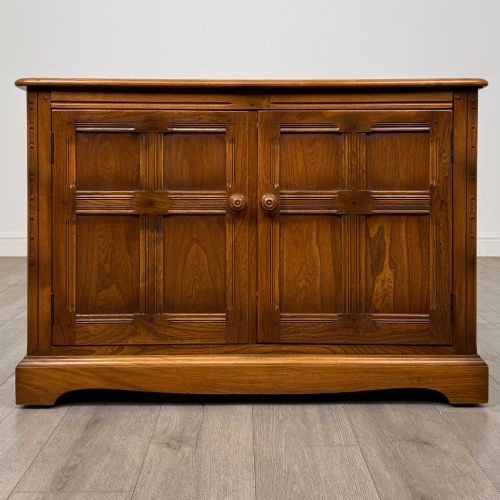
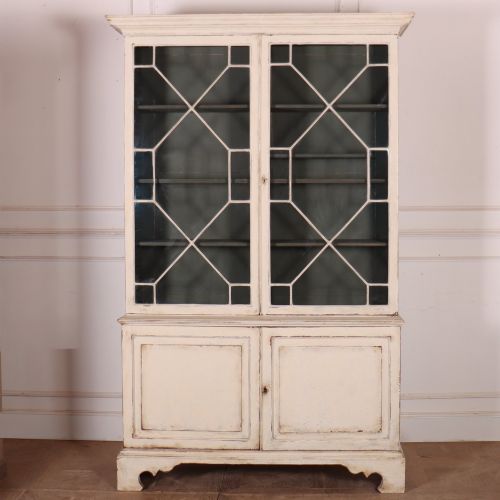
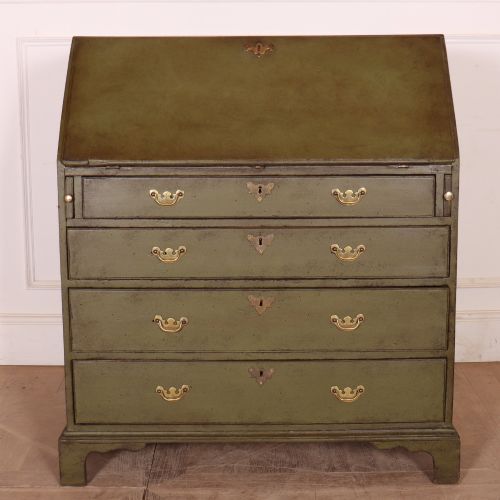
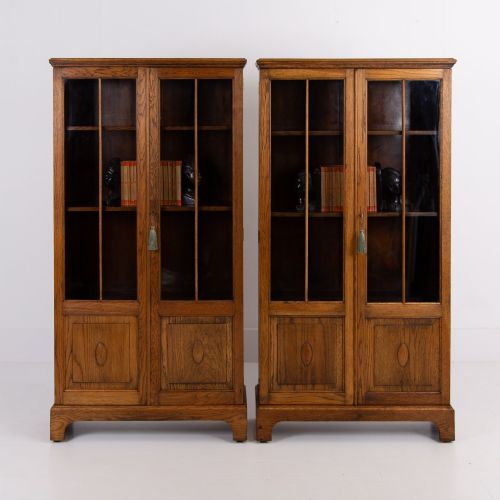
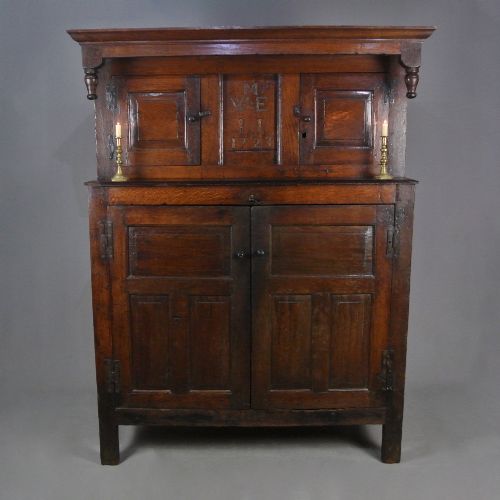
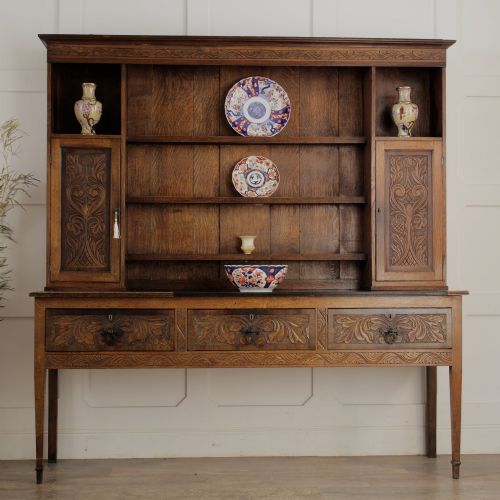
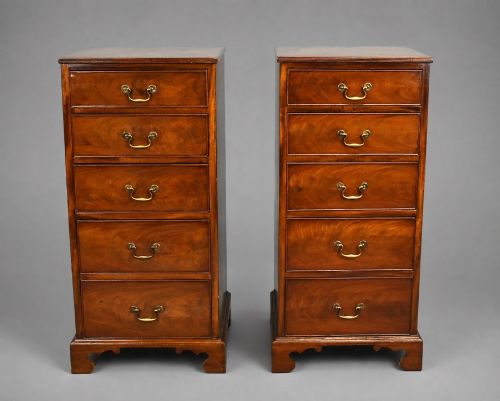
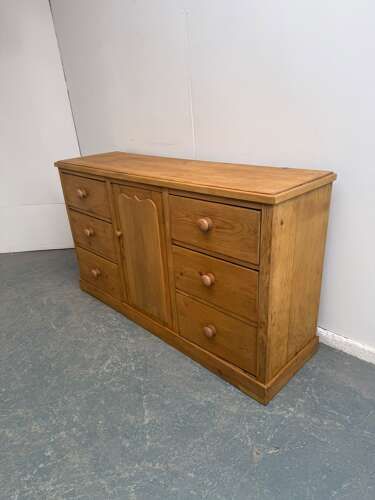
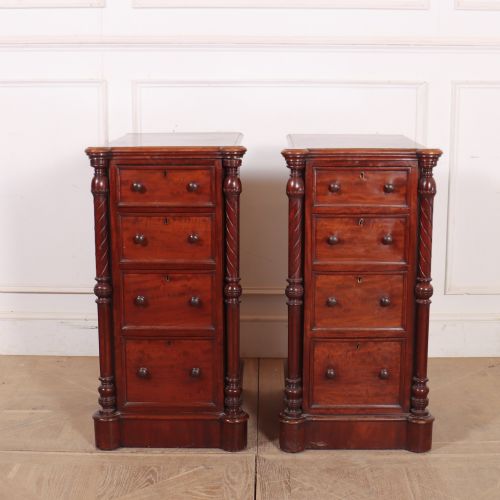
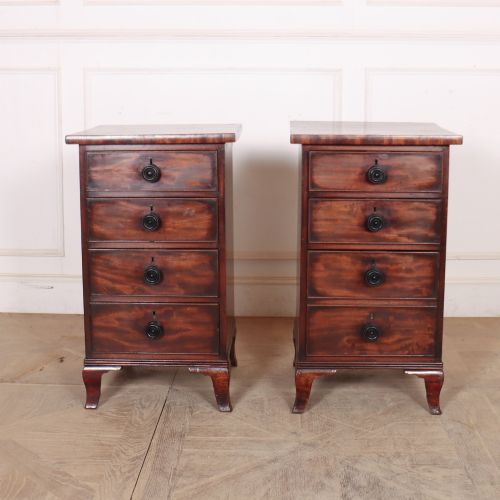
A traditional english cabinet search reveals a diverse group of storage furniture spanning several centuries, including bookcases, chests of drawers, cupboards, dressers and bureaux. These pieces originate from various historical eras such as the Georgian, Victorian and Edwardian periods.
Assessing quality in period cabinetry
Quality separates pieces through the selection of timber and the precision of the cabinet maker's joinery rather than simple age. Superior examples display carefully matched grain patterns, solid drawer linings and well-proportioned cornices or mouldings.
The integrity of the original surface finish, whether waxed pine, polished mahogany or early painted decoration, dictates the visual appeal of a traditional english cabinet. Alterations to hardware, feet or interior shelving influence the overall character of each item.
Several items retain their original working keys, allowing centuries-old locks to still secure cabinet doors.
The Traditional English Cabinet Glossary
- Bureau
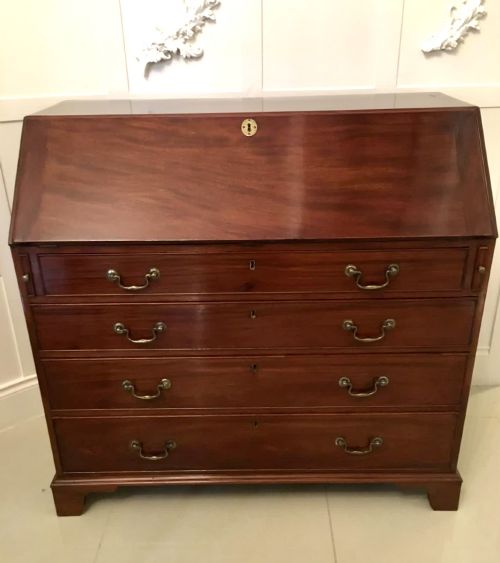
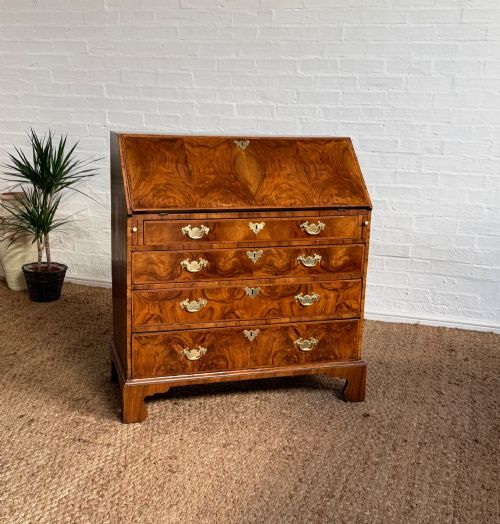
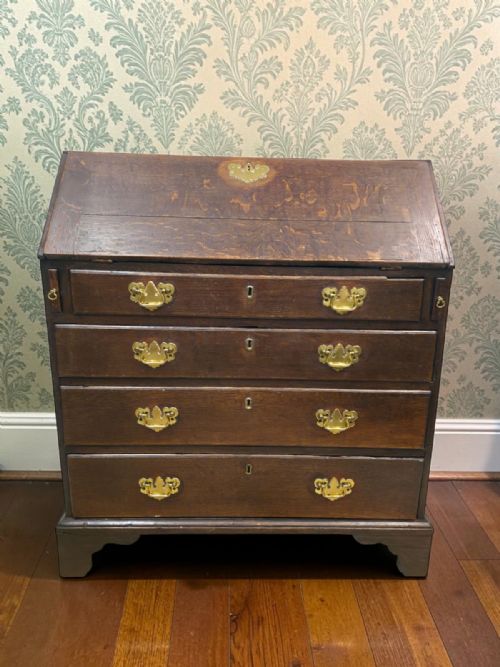
- A desk featuring a hinged sloping flap that opens to reveal a writing surface and small pigeon holes. These often sit above several drawers.
- Breakfront
- A piece of furniture where the central section projects forward from the flanking outer sections. This arrangement adds architectural depth to large bookcases and sideboards.
- Dresser base
- A low sideboard or table fitted with drawers and frequently a pot board underneath. These items originated in English kitchens for food preparation and storage.
- Corner cupboard
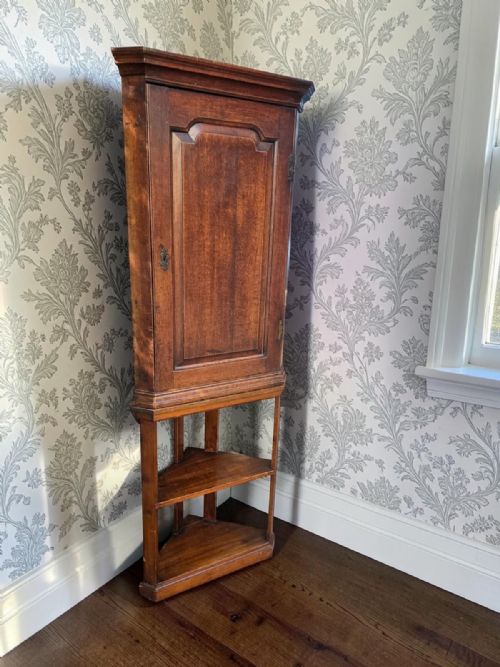
- A specialised cabinet designed to fit neatly into the corner of a room. They utilise otherwise wasted space and can be mounted on a stand or built as a tall hanging unit.
- Bowfront
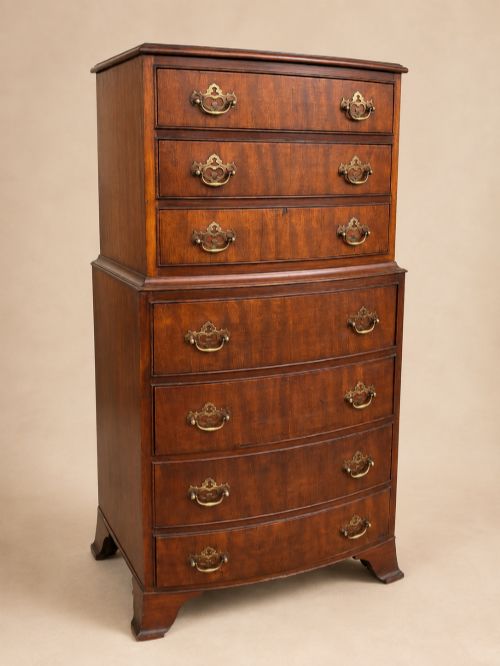
- A convex curved front elevation found on chests of drawers and cabinets. This design softens the geometric lines of case furniture.
Traditional English Cabinet: Frequently Asked Questions
How do I date a wooden cabinet?
Dating relies on observing construction methods, timber choices and hardware styles consistent with documented historical periods like the Georgian or Victorian eras. Secondary woods inside drawers and the type of fixings also offer reliable clues to age.
Changes in fashion dictate the decorative motifs, such as carved oak panels on early cupboards versus inlaid mahogany on later pieces.
Where should I place a dresser base?
These versatile pieces work well in dining rooms, kitchens or hallways where surface space and drawer storage are useful. Their proportions allow them to sit against large walls without dominating the room.
Pairing a wooden dresser base with other antique oak or pine furniture helps create a cohesive English country interior style.
Are pine cabinets durable?
Pine and softwood furniture has survived for centuries in English country houses and farmhouses, proving its structural resilience. Waxed or painted finishes protect the timber from everyday use while maintaining a rustic appearance.
Maintenance involves regular waxing and avoiding excessive moisture to keep the softwood stable.
What is the difference between a bureau and a secretary?
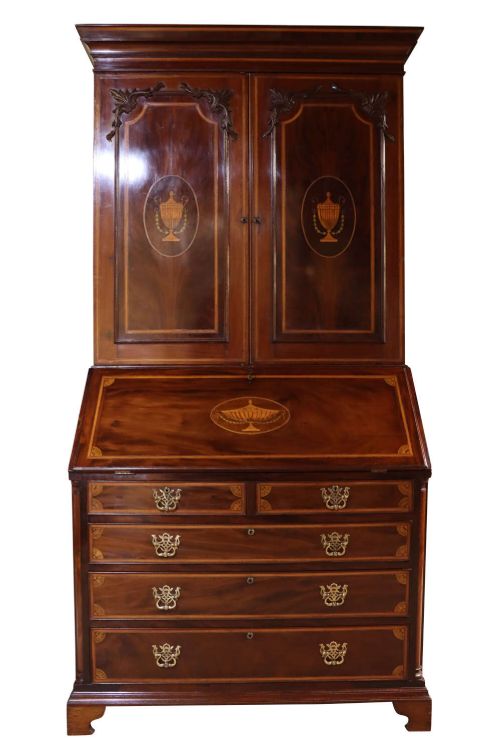
In British terminology, a bureau denotes a desk with a fall front over drawers, whereas a bureau bookcase adds a glazed shelving section on top. These forms provide dual functions for writing and book storage.
Mahogany and oak versions were staples of Georgian and Victorian libraries and studies.