


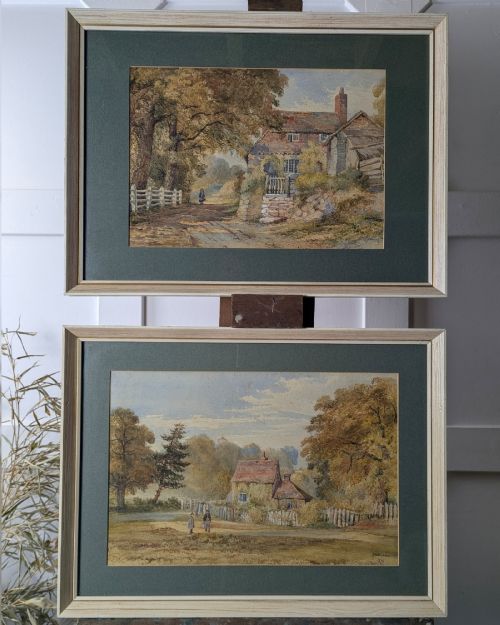

Traditional English Artwork
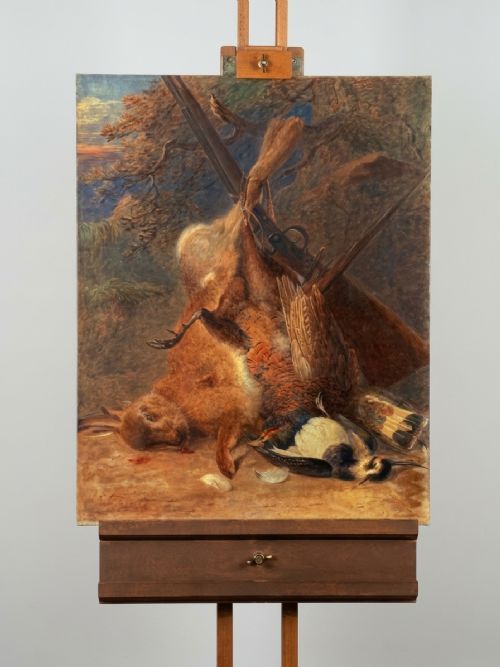
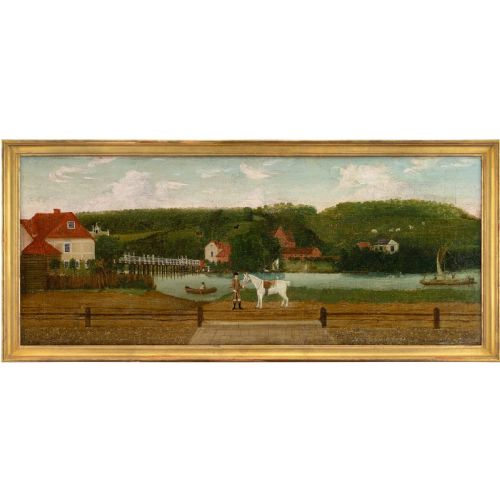
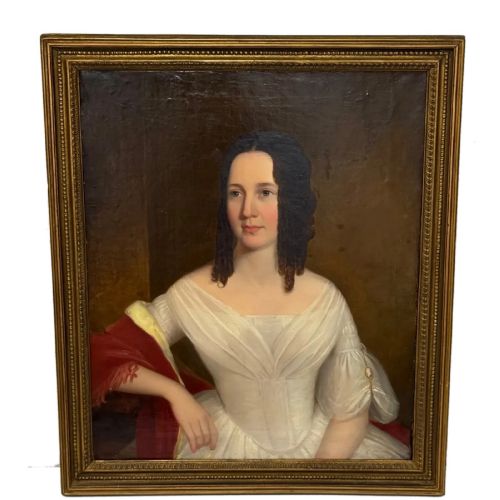
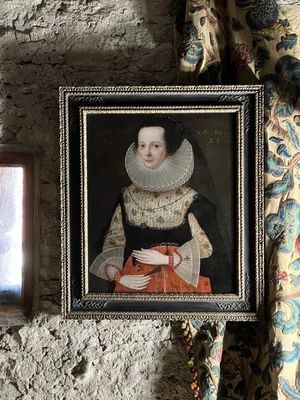
Traditional English artwork encompasses oil paintings and watercolours depicting rural scenes, portraits, and landscapes from the nineteenth and early twentieth centuries.
Traditional English Artwork
Traditional English artwork comprises oil paintings, watercolours, and framed prints capturing landscapes, portraits, and rural scenes. These pieces reflect historical British life, often focusing on pastoral views, coastal harbours, and domestic animals.
The selections available here lean heavily into Victorian and Edwardian aesthetics, featuring works executed on canvas, wood panel, card, and paper. Buyers encounter depictions of the Thames, harvest fields, and local characters created by named artists and regional schools.
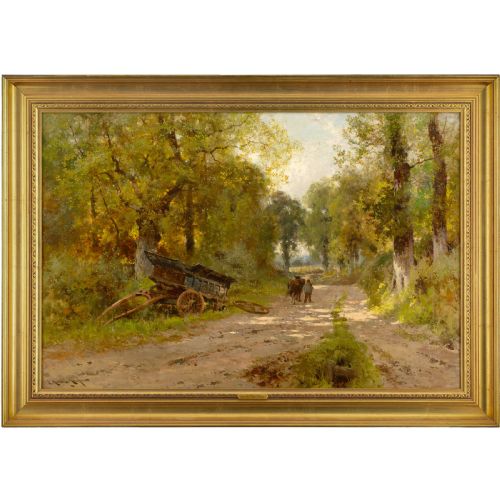
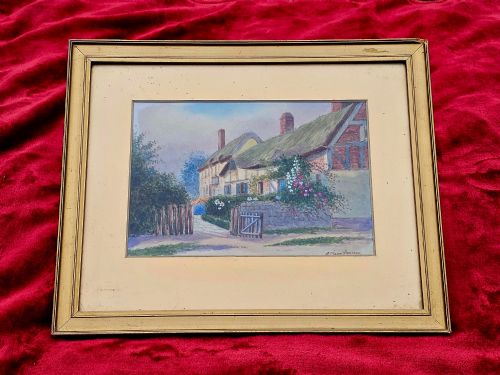
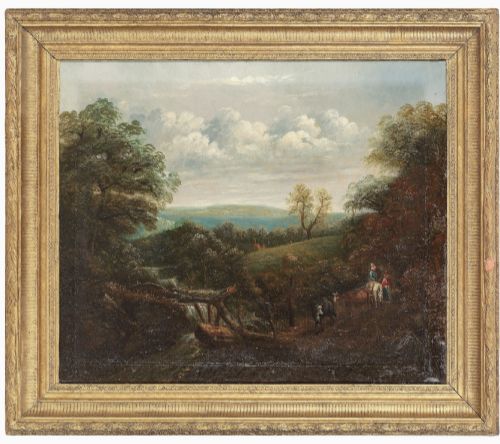
Subjects range from expansive landscape oil paintings to intimate watercolours of village life. Such works offer a direct window into historical British topography and artistic traditions.
How they were made
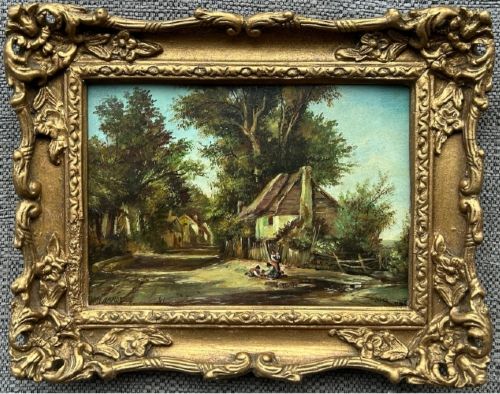
Artists utilised oil on canvas, wood, board, and card to build rich, textured surfaces that have endured for centuries. These oil paintings often incorporate layered glazes to achieve depth in skies and foliage.
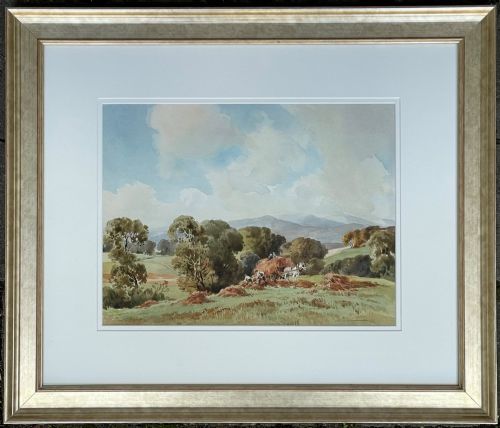
Watercolour paintings on paper rely on transparent washes and delicate brushwork to capture light and atmosphere, particularly in river and coastal scenes. Many works are preserved within period frames of gilt wood and giltwood.
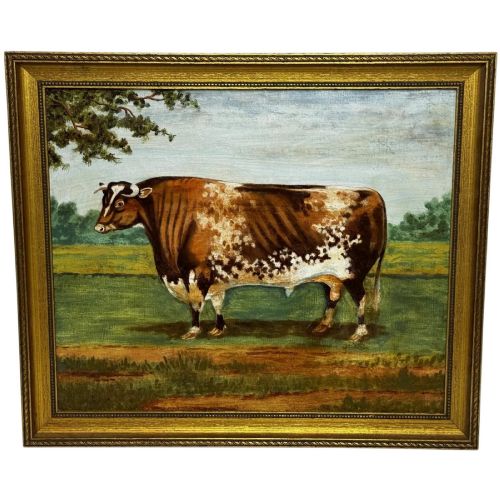
Prized shorthorn bulls and racing horses share wall space here with quiet river banks and bustling coastal harbours.
What varies in quality
The skill of the brushwork and the precision of composition distinguish superior works from standard studio output. Masterful handling of light and shadow, particularly in landscape and portrait pieces, elevates an artist's execution.
Condition of the medium and the preservation of original framing contribute significantly to a piece's standing. Works that retain their vibrant pigment without excessive restoration or fading command greater appreciation.
Percy Lancaster·William Howard Hardy·James Watson·John Horace Hooper·A. Marie Parsons·William Banks Fortescue·Thomas Barker of Bath·David Bates·Walter Heath Williams·Albert Clark·Robert Thorne Waite·John Smith Atherton·Edward Ladell·Thomas Sidney Cooper·Joseph H Barnes·John Sargent Noble·George Oyston·Russell Sidney Reeves·C. H. Weigall·Henry Yeen King·Robert Leslie Howey·T C Hofland·William Greaves·Henry H Parker·Miles Birkett Foster
The Traditional English Artwork Glossary
- Oil on Canvas
- Pigment suspended in drying oil applied to stretched fabric. This medium allows for rich blending and textured impasto work.
- Watercolour
- Pigment ground in a water-soluble binder applied to paper. It produces translucent washes that capture natural light effectively.
- Giltwood
- Wood carved and coated with gold leaf. This material is commonly found on period frames enclosing traditional paintings.
- Mezzotint
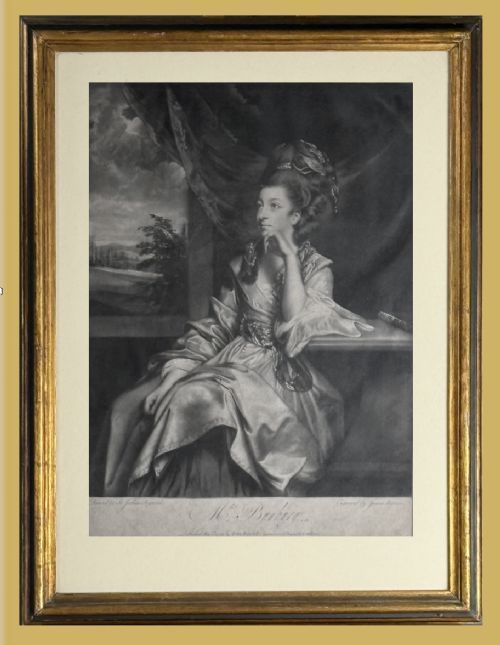
- A printmaking process of the intaglio family where tonal gradations are achieved by roughening the metal plate. It was widely used for portrait reproduction.
- English School
- A designation given to works created by British artists whose specific individual identity is unrecorded or part of a collective tradition. These pieces reflect regional painting styles of their era.
Traditional English Artwork: Frequently Asked Questions
How do I care for antique oil paintings?
Keep paintings away from direct sunlight and excessive moisture to protect the canvas and pigment. Dust the surface gently with a soft, dry brush without applying cleaning solutions.
Maintain a stable room temperature to prevent the wood and canvas from expanding or contracting. Professional conservation is recommended for any deeper cleaning or repair.
What subjects are common in traditional English art?
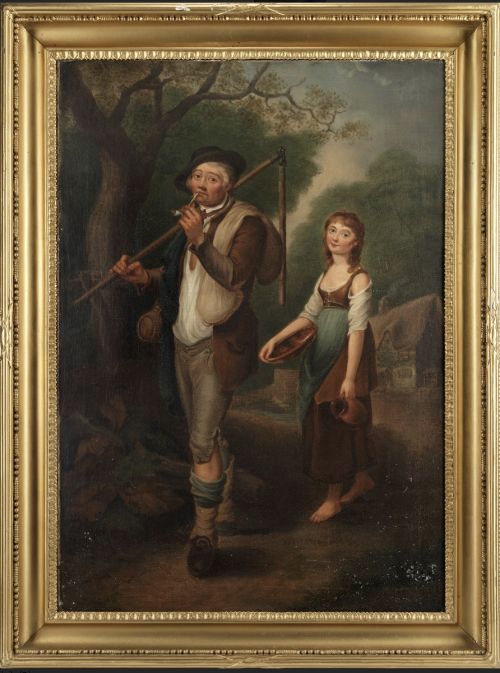
Landscape scenes featuring rivers, harvest fields, and coastal harbours appear frequently in these collections. Portraits of nobility, agricultural animals, and rural workers also form a substantial part of the tradition.
Artists often focused on local topography, capturing specific regions from Yorkshire to Cornwall. Domestic still life arrangements with fruit and nests provide further variety.
How can I identify the period of a painting?
Examine the stretcher bars, canvas type, and framing materials for clues regarding the date of creation. Nineteenth and early twentieth-century works often display specific framing styles and canvas stamps.
Signatures, dates inscribed on the reverse, and stylistic markers link pieces to Victorian or Edwardian movements. Comparative study of an artist's documented working dates helps narrow the timeline.
Are watercolours as durable as oil paintings?
Watercolours require careful framing behind glass to protect the paper and pigments from atmospheric pollutants and moisture. When kept out of direct sunlight, they retain their delicate tones for generations.
While oil on canvas is more robust against environmental shifts, watercolours offer a unique transparency. Both mediums survive well when housed in appropriate indoor conditions.