


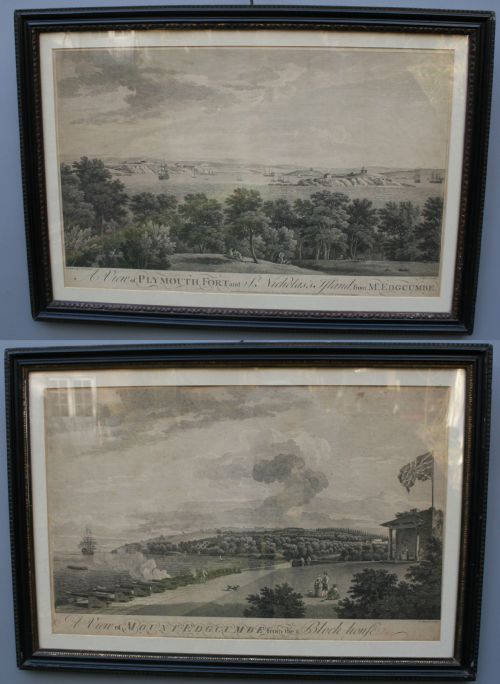


Vintage Landscape Engraving
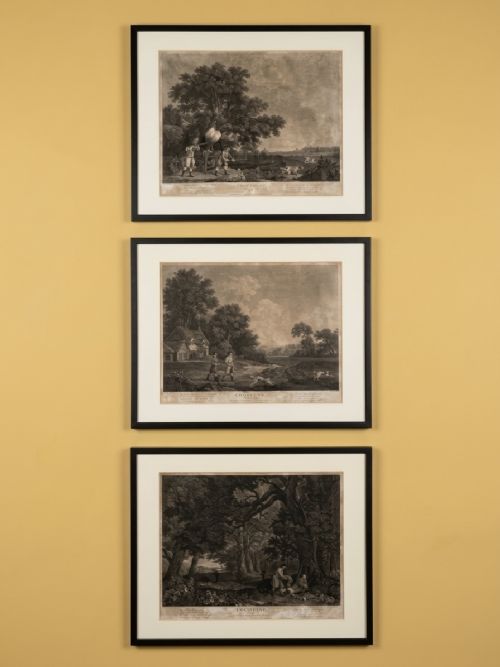
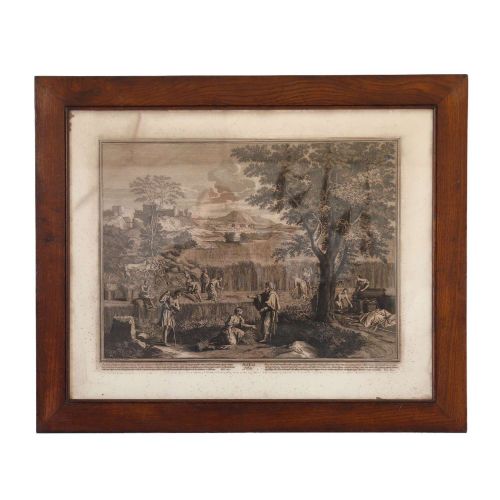
These vintage landscape engraving examples bring architectural vistas, hunting scenes, and classical compositions into your home on paper with ink, watercolour, and framing.
Vintage Landscape Engraving
A vintage landscape engraving presents topographical views, architectural scenes, and pastoral countryside on paper through inked lines. Buyers seeking vintage landscape engraving find works spanning the seventeenth century through to the early twentieth century, taking the form of framed prints, wall art, and etchings.
The selection ranges from Georgian architectural prints and hand-coloured aquatints to Victorian etchings of London and collegiate scenes. Many arrive behind glass in wooden frames, sometimes accompanied by gold leaf highlights or silver mounts.
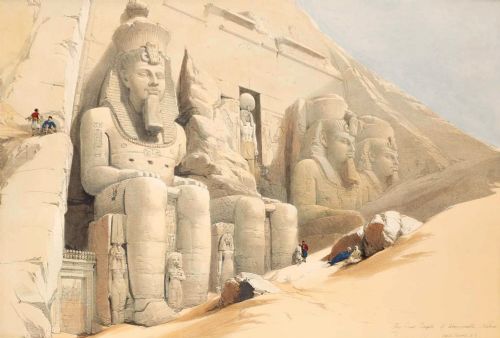
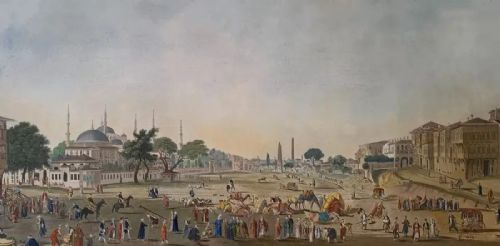
Compositions often draw upon earlier masters, featuring classical ruins, sporting tandems, and foreign landscapes from Constantinople to Egypt. Each piece captures a specific historical perspective on topography and natural scenery.
How they were made
Printmakers incised designs into copper or metal plates using gravers or acid before applying ink to transfer the image onto paper. Hand-colouring with watercolour washes was frequently added afterwards to bring vibrancy to skies, foliage, and architectural details.
Finished works were mounted behind glass within wooden frames, occasionally incorporating gold leaf or silver elements for display. The combination of fine plate lines and applied pigment defines the physical character of these works.
Listings span periods from the 17th century through the Victorian era, utilising paper, ink, watercolour, and gold leaf.
What varies in quality
Quality rests upon the crispness of the plate impression and the precision of the engraving work itself. Earlier impressions from the seventeenth and eighteenth centuries often display sharper detail in the etched lines before the metal plate wore down.
The skill of the subsequent hand-colouring dictates visual depth, where delicate watercolour washes enhance the composition rather than obscure it. Framing materials and paper preservation also distinguish standard decorative prints from finer historical examples.
David Roberts·Anton Ignaz Melling·T.A Prior·Joseph Farrington RA·Joseph Constantime Stadler·C de Falens·H. Alken·J. Mitan·CB Prescott·Edward Burrows
The Vintage Landscape Engraving Glossary
- Engraving
- A printmaking technique where an artist cuts lines directly into a metal plate with a sharp tool called a burin. The resulting plate holds ink within the grooves to transfer the image onto paper under pressure.
- Aquatint
- A variant of etching that uses powdered resin to create tonal areas resembling watercolour washes on the printed sheet. It was frequently employed in eighteenth and nineteenth-century topographical views.
- Etching
- A process where acid bites the lines into a metal plate coated with an acid-resistant ground, drawn through by the artist. This method produced many of the detailed landscape and architectural prints found here.
- Mezzotint
- A tonal printmaking method where the copper plate is roughened uniformly to produce rich dark areas and subtle gradations of light. It allows for velvety shadows particularly suited to atmospheric landscapes.
- Hand-coloured
- The practice of applying watercolour or tint by hand to a monochrome printed sheet after it leaves the press. This added realistic colour to botanical, architectural, and landscape subjects.
Vintage Landscape Engraving: Frequently Asked Questions
How do I date a vintage landscape engraving?
Dates often rely on inscribed publication lines, artist signatures, or stylistic markers within the paper and framing. Surviving inscriptions frequently record the original publisher and year of issue.
Examining the paper type and plate mark helps contextualise the era of production, distinguishing eighteenth-century impressions from later Victorian printings.
What is the difference between an engraving and an etching?
An engraving relies purely on mechanical force where the maker pushes a burin directly into the metal plate. This creates clean, V-shaped lines with distinct edges.
An etching uses acid to bite the lines into the metal through a protective ground, producing a freer and more varied line quality.
Are these prints coloured by hand?
Many examples from the Georgian and Victorian periods feature delicate watercolour washes applied by hand after the ink impression was pulled. This technique brought naturalistic colour to architecture and scenery.
Close inspection reveals the subtle brushstrokes and pooling of pigment that distinguish manual tinting from later mechanical printing processes.
How should I frame and display paper prints?
Paper artworks require protection from direct sunlight to prevent the ink and watercolour pigments from fading over time. Using conservation-grade backing and mounting materials prevents acid transfer from the frame.
Keeping them behind glass shields the delicate surface from dust and atmospheric moisture in the room.