


Traditional English Art
Traditional English art gathers centuries of oil paintings, watercolours, and portraits capturing landscapes, rustic scenes, and local life.
Traditional English Art
Traditional English art spans centuries of creative output, focusing heavily on oil paintings, watercolours, and framed prints of domestic and rural life. Buyers searching for traditional English art encounter oil portraits, harvest landscapes, and coastal watercolours dating from the seventeenth century through to the twentieth century.
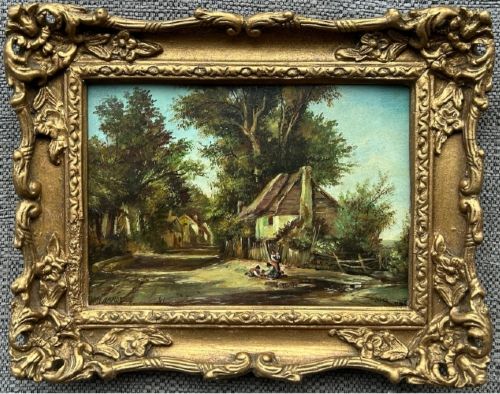
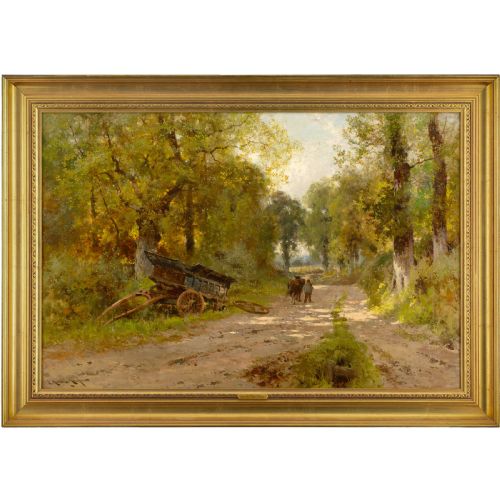
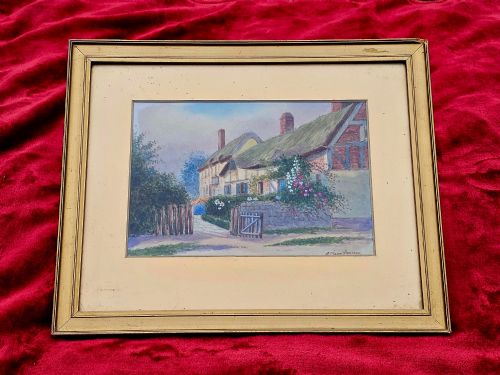
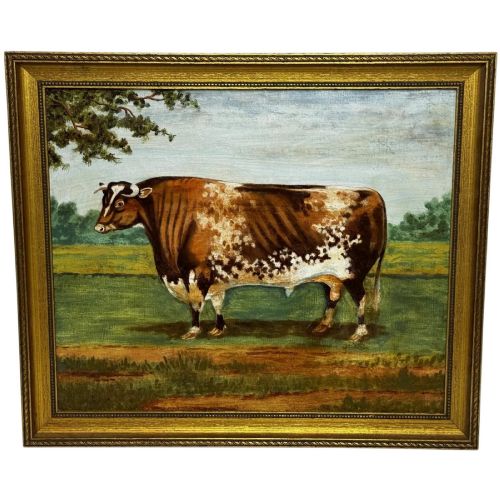
The selection here leans toward oil on canvas and watercolour paintings produced by regional British schools and named artists. These pieces document figures in landscapes, farm animals, and coastal views, reflecting domestic traditions across Victorian, Edwardian, and earlier periods.
Materials and methods
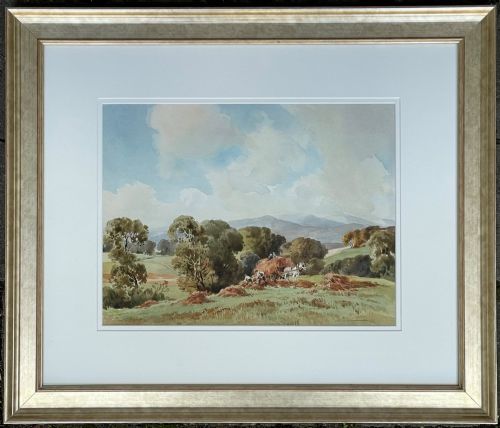
Artists painted primarily with oil paint on stretched canvas, wooden panels, or card, building rich colour through layered application. Watercolours on paper capture lighter atmospheric effects, particularly in river and coastal scenes.
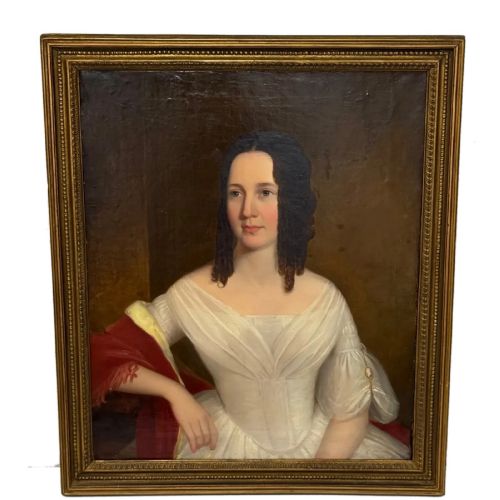
Frames utilise wood and giltwood, often complementing the period of the painting. Canvases are frequently mounted within traditional gilt frames that protect the edges and complete the presentation.
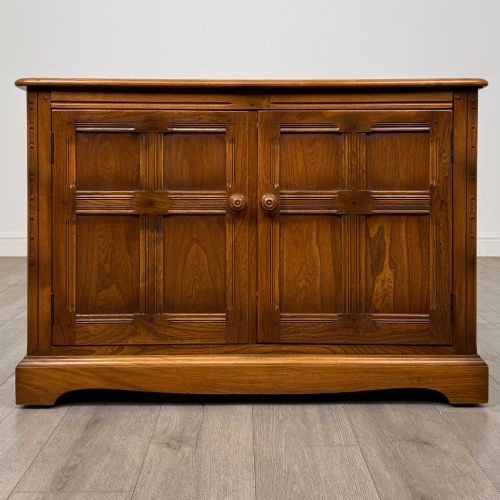
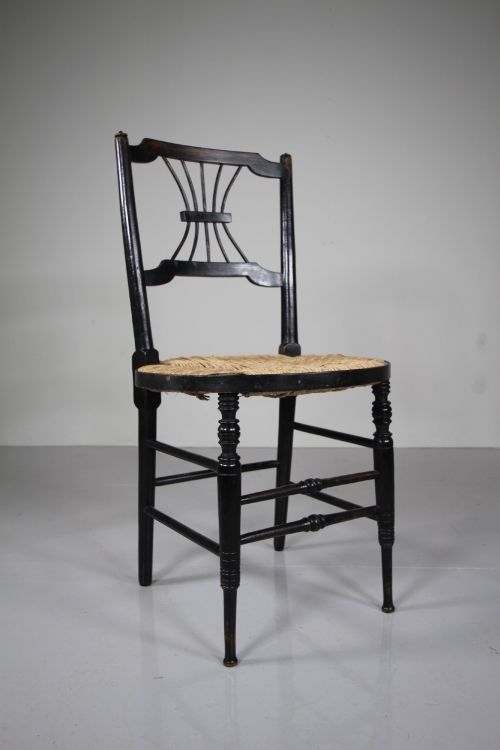
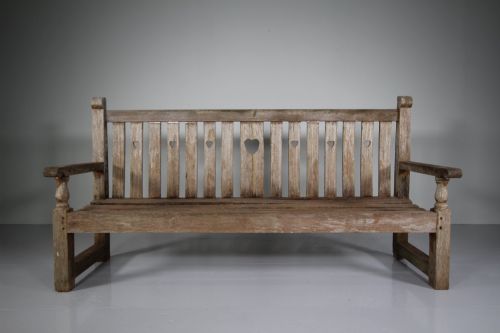
A sturdy nineteenth-century garden bench shares space with prize bull portraits and delicate watercolour river views.
Distinctions in quality
Quality rests in the handling of light, brushwork precision, and the anatomical accuracy of figures and animals. Superior works demonstrate careful observation of tone and texture, particularly in landscape foliage or portrait textiles.
Provenance and attribution also mark distinction. Works signed by documented painters or linked to specific English schools command greater attention than anonymous student pieces.
John Hayls·William Morris·George Graham·Alfred Young Nutt·Percy Lancaster·William Howard Hardy·James Watson·John Horace Hooper·A. Marie Parsons·William Banks Fortescue·Thomas Barker of Bath·Robert A. Nottingham·Philip Clissett·David Bates·R.D. Roberts·Walter Heath Williams·Albert Clark·Robert Thorne Waite·John Smith Atherton·Edward Ladell·Thomas Sidney Cooper·Joseph H Barnes
The Traditional English Art Glossary
- English School
- A term used to describe paintings produced by British artists whose specific identities remain unknown. It links pieces by style and period rather than a named master.
- Mezzotint
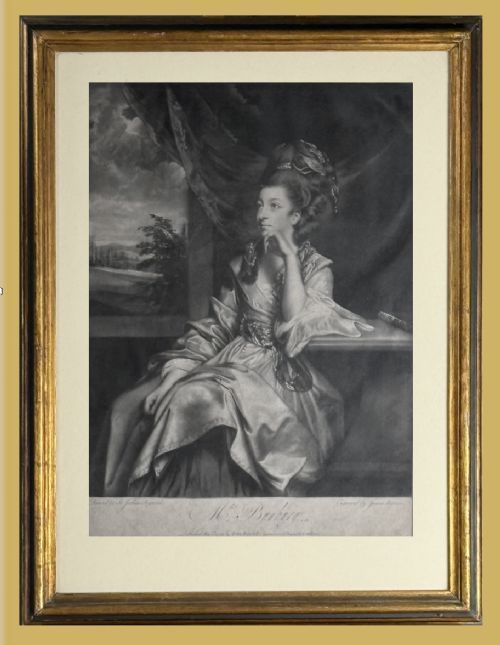
- A printmaking process of the intaglio family where artists work from dark to light to achieve tonal gradation. This technique produces velvety darks and subtle half-tones.
- Giltwood
- Timber carved and coated with gold leaf or a metallic powder finish. It provides a reflective, ornamental border for traditional frames.
- Provenance
- The documented history of ownership surrounding an artwork. It establishes authenticity and traces the path from the original creator to the present day.
Traditional English Art: Frequently Asked Questions
What subjects appear most often in traditional English art?
Landscapes, portraits, and rural genre scenes dominate these collections. Artists frequently recorded local rivers, harvest fields, and coastal harbours across the British countryside.
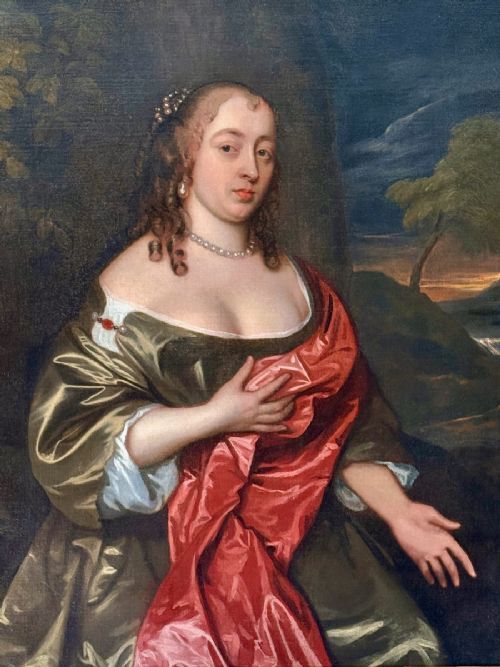
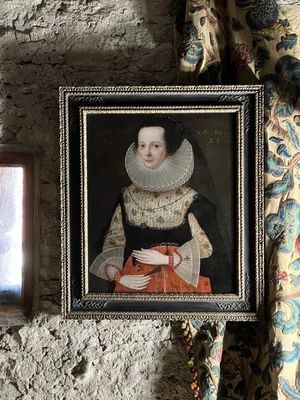
Portraits range from seventeenth-century nobility to nineteenth-century architects and country figures. Animal studies, particularly horses and farm cattle, also feature prominently.
How should I care for an antique oil painting?
Keep paintings away from direct sunlight and damp environments to prevent canvas degradation and pigment fading. Stable room temperatures protect both the wooden stretchers and the paint layers.
Dust the surface gently with a soft, dry brush without applying pressure. Avoid using chemical cleaners or water on the painted surface.
How can I tell the period of a painting?
Clothing styles, hairstyles, and architectural elements within the scene offer initial chronological clues. Portrait subjects wear period costumes, while landscapes reflect the dress and machinery of their era.
Framing methods, stretcher construction, and canvas stamps also assist in dating. Signatures and inscriptions on the reverse often point to specific decades.
What is the difference between an oil painting and a watercolour?
Oil paintings use pigments suspended in drying oil on canvas or wood panels, allowing for thick impasto and deep colour layering. Watercolours use water-soluble pigments on paper, creating translucent washes of light.
Oils require robust frames and protection from humidity, whereas watercolours need glazing under glass to prevent paper damage.