



Traditional Decorative Plates
Traditional decorative plates bring rich colour and patterned historical depth to walls and tables, spanning eras from the seventeenth century to the early twentieth.
Traditional Decorative Plates
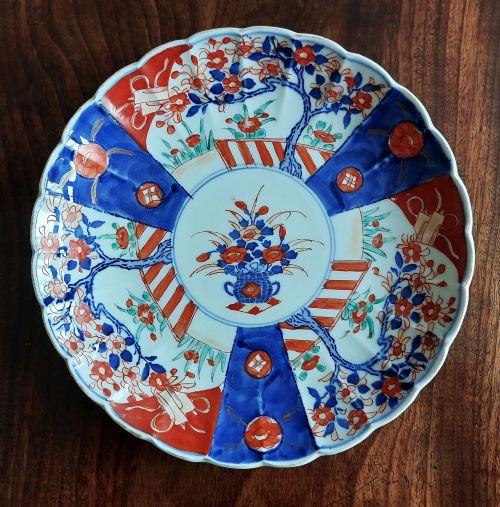
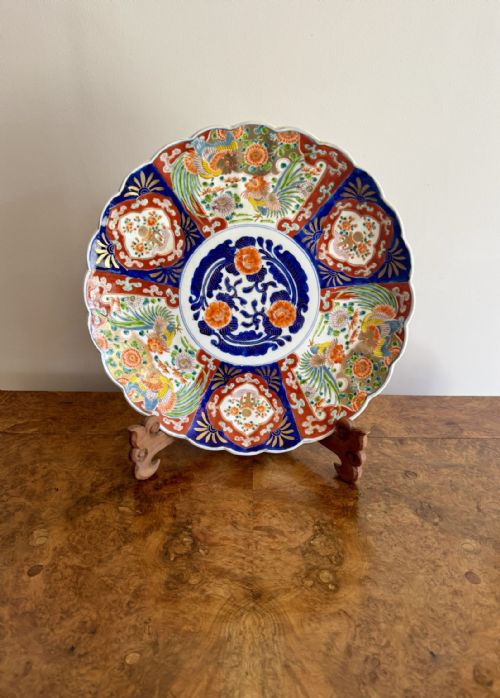
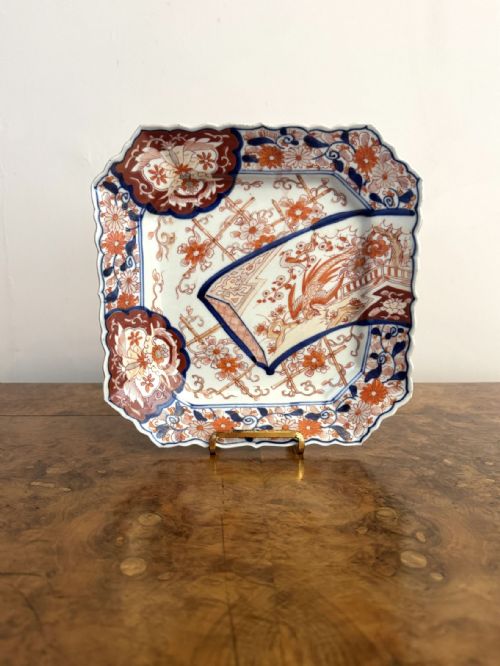
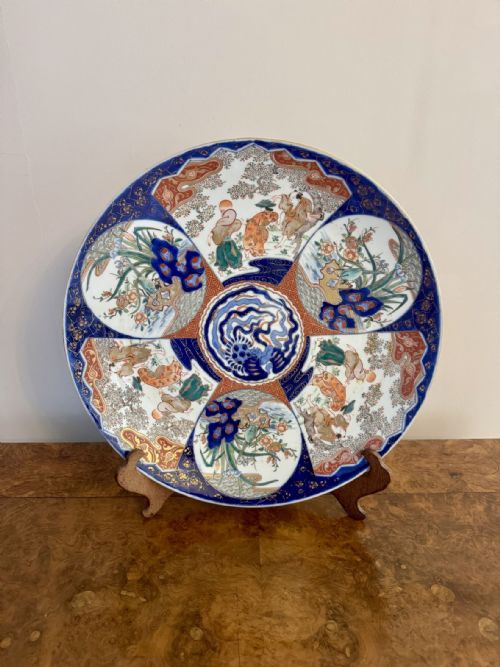
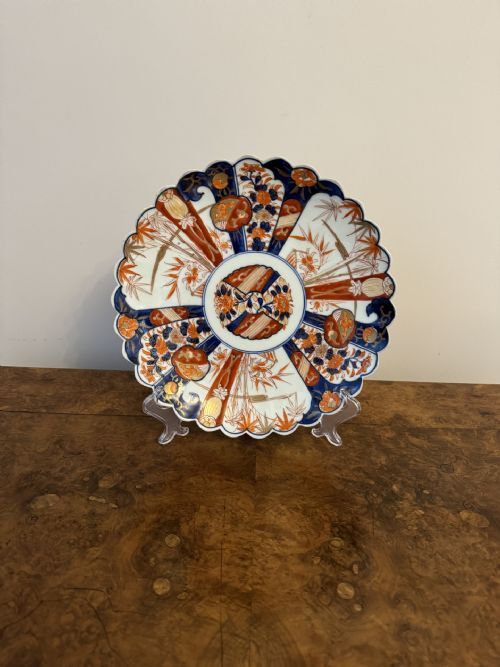
When you search for traditional decorative plates, you encounter a selection spanning the seventeenth century through to the Edwardian period. The most prominent examples on this page are Japanese Imari chargers and plates, rendered in distinctive palettes from around nineteen hundred. Alongside these Asian ceramics appear English pottery and porcelain, featuring nineteenth century ironstone and blue and white transfer patterns.
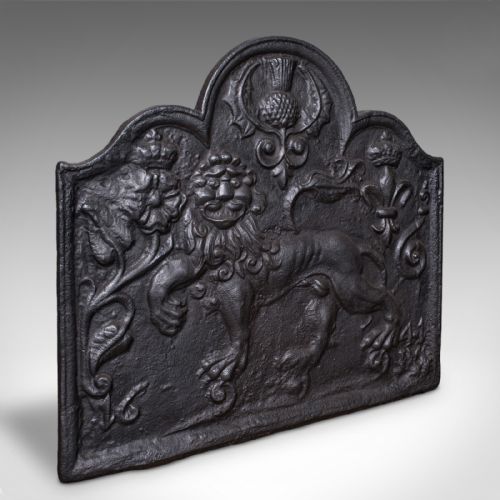
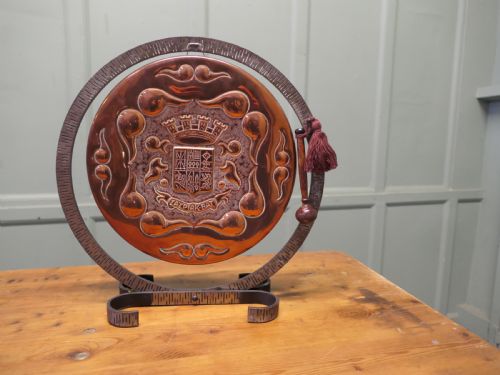
Beyond ceramics, the category widens to include large chargers and platters formed from copper and cast iron. These heavier pieces encompass Persian engraved trays and English firebacks functioning as fireplace reflectors. The forms vary from square and scalloped edges to large circular dishes intended for display.
How they were made
Pottery and porcelain pieces rely on ceramic bases shaped by hand or mould, decorated with cobalt underglaze, polychrome enamels, and sometimes gold leaf. Japanese imari wares utilise traditional firing techniques that fuse iron-red and blue pigments beneath or above the glaze.
Metal chargers and firebacks employ cast iron, hand-hammered copper, and brass. Cast iron items take shape through sand moulds, while copper trays display fine engraved detailing and Persian motifs.
Cast iron firebacks double as sturdy hearth art, keeping cold rooms warm while quietly judging the fireplace poker.
What varies in quality
Quality rests in the crispness of the painted detail and the depth of the cobalt and enamel pigments on porcelain surfaces. Superior Japanese imari examples display precise brushwork and well-balanced compositions across scalloped or square rims.
For cast iron and copper metalwork, distinction lies in the relief depth of the moulding and the vigour of the hand-engraved lines. Sets and pairs maintain higher desirability when patterns and glazes match uniformly across every plate.
William Adams·Masons
The Traditional Decorative Plates Glossary
- Imari
- A style of Japanese porcelain featuring distinctive iron-red, cobalt blue, and gold decoration. These wares were heavily exported to Europe from the seventeenth century onwards.
- Charger
- A large decorative plate or platter intended for display on a sideboard or wall rather than for serving food. They appear in porcelain, earthenware, and engraved copper.
- Fireback
- A heavy cast iron plate placed at the back of a fireplace to reflect heat and protect the masonry. Victorian and Georgian examples often incorporate relief decoration.
- Ironstone
- A durable type of earthenware patented in the nineteenth century to imitate Chinese porcelain. Makers such as Masons produced robust plates in this heavy ceramic.
- Transferware
- Pottery decorated by applying a printed design from an engraved copper plate onto the ceramic body. Blue and white transfer patterns became widespread during the nineteenth century.
Traditional Decorative Plates: Frequently Asked Questions
How do I hang a heavy charger?
Large chargers and cast iron pieces require specialist wall fixings that distribute weight evenly across the rim. Spring-loaded brass hangers or bespoke metal brackets secure the plate safely against the wall.
Avoid using adhesive discs on antique ceramics, as uneven tension can weaken the historic glaze and ceramic body over time.
Are these plates food safe?
Antique decorative plates and chargers serve primarily as visual ornaments rather than tableware. Older glazes and enamels may contain materials unsuited for modern culinary use.
Displaying them on walls, shelves, or tables preserves the delicate hand-painted surfaces from daily wear and tear.
How do I date an imari plate?
Dating relies on the weight of the porcelain, the hue of the cobalt underglaze, and the vibrancy of the enamel colours. Pieces from the Meiji period typically display crisp painting and bright polychrome highlights.
Earlier seventeenth century examples show subtle variations in paste and iron-red tones that distinguish them from later nineteenth century interpretations.
What is a fireplace reflector?
A fireplace reflector is an alternative term for a cast iron fireback placed inside a hearth. These heavy iron plates absorb and project warmth back into the room.
Victorian and Georgian examples often feature moulded coats of arms or classical motifs that double as decorative hearth furnishings.