



Traditional Daybed
A traditional daybed brings together nineteenth-century lounging forms and sturdy frames, offering a versatile seat that doubles as an impromptu bed for guests.
Traditional Daybed
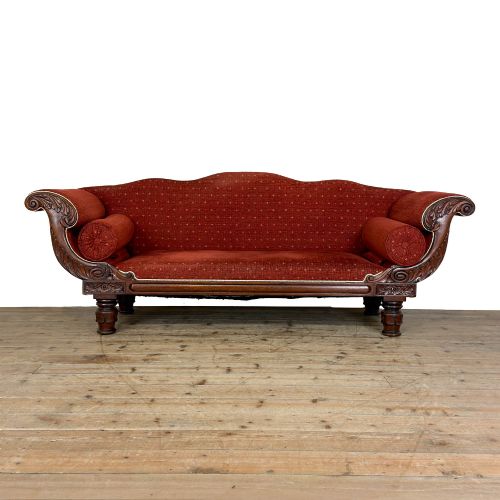
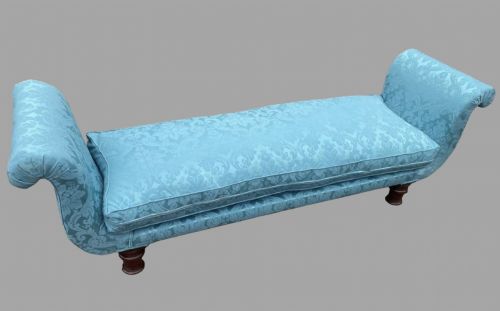
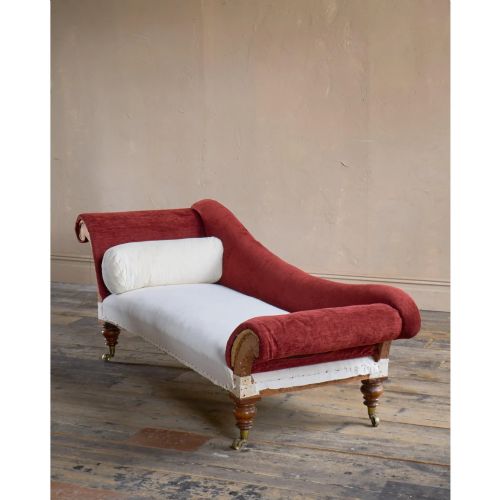
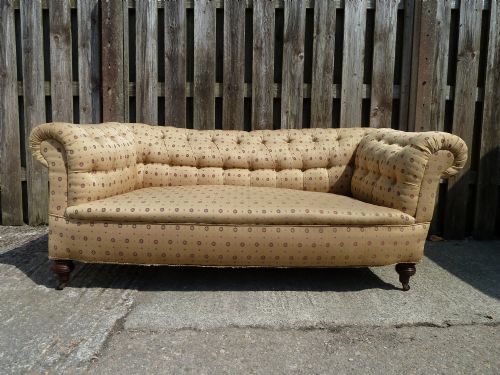
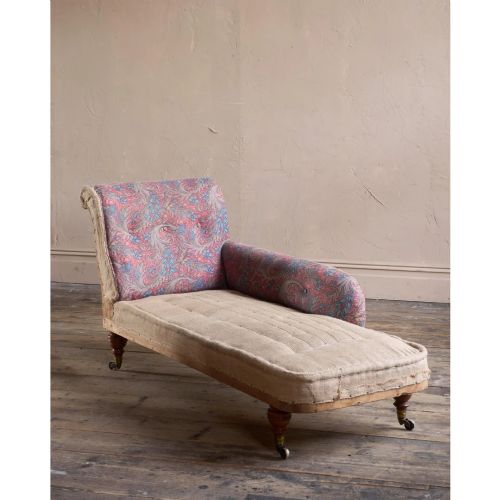
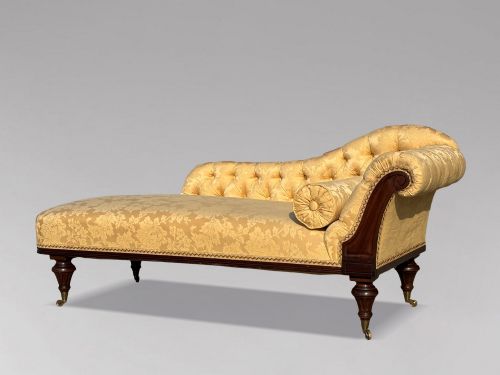
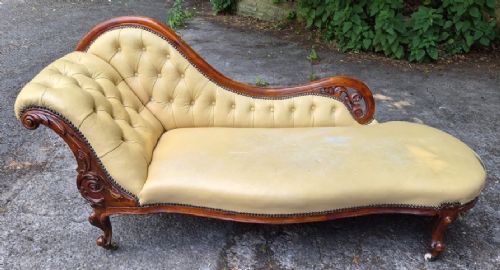
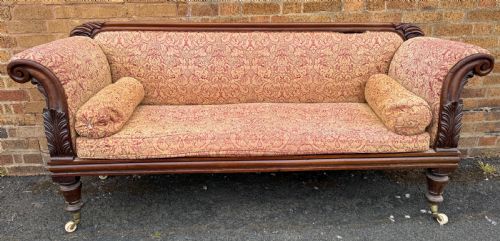
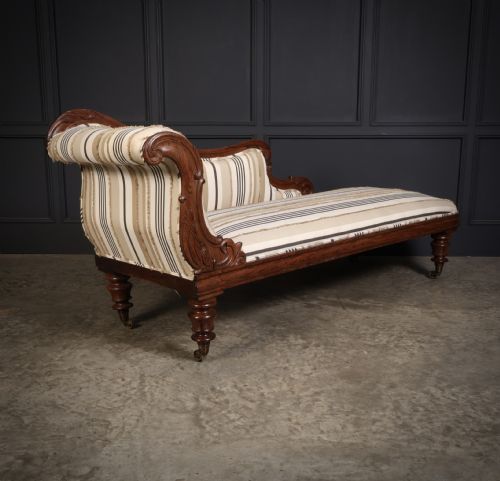
A traditional daybed encompasses various nineteenth-century forms, including chaise longues, scroll-end sofas, and daybeds, designed for reclining in domestic parlours and drawing rooms. Buyers seeking a traditional daybed will encounter nineteenth-century pieces alongside Victorian and Regency examples, often featuring mahogany, walnut, or rosewood frames.
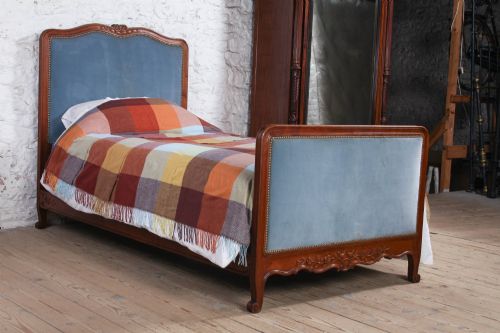
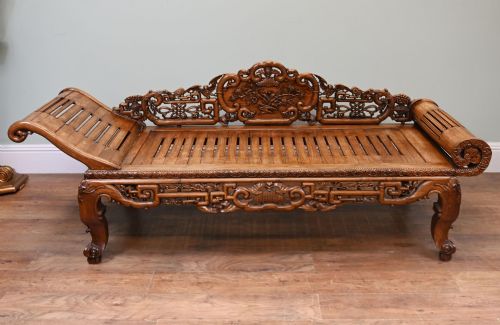
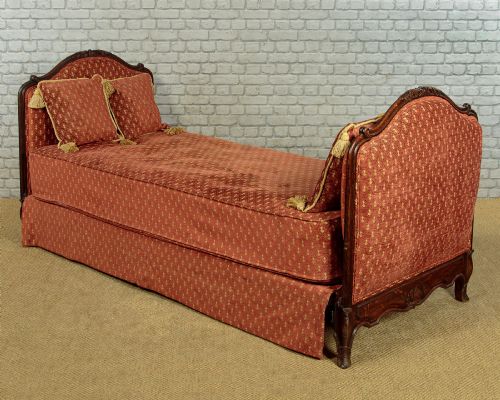
The selection ranges from French lit bateaux and English scroll-end sofas to Chinese hardwood opium beds and carved benches. These versatile pieces serve as both daytime seating and occasional sleeping quarters, reflecting diverse stylistic influences from French Provincial to Qing Dynasty designs.
How they were made
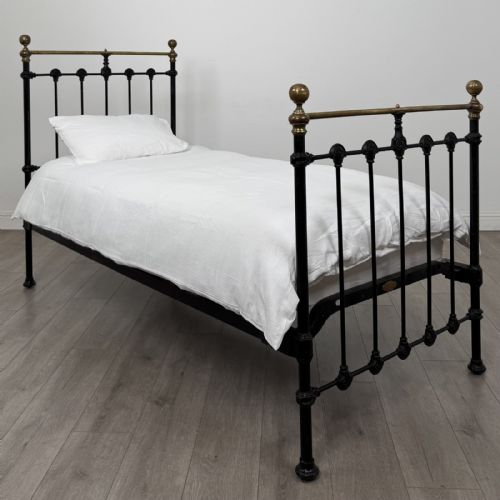
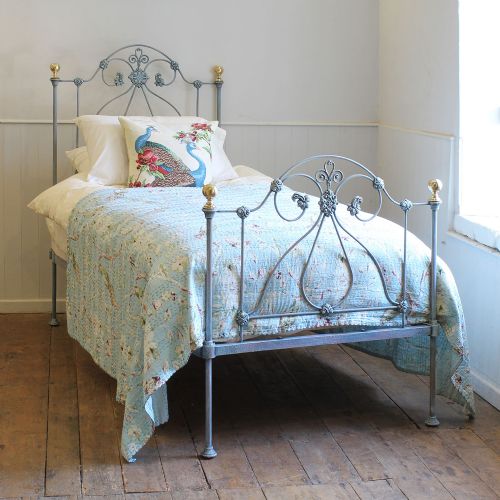
Frames rely on dense timbers such as mahogany, walnut, rosewood, oak, and ebony, alongside structural metal components like brass and iron in nineteenth-century bedsteads. Cabinetmakers utilised traditional joinery and carving techniques to shape scroll ends, bobbin turnings, and panelled headboards.
Upholstered versions incorporate fabrics like velvet and traditional stuffing materials beneath buttoned surfaces, while lacquered Chinese beds display distinct painted and carved finishes on hardwood.
Traditional Daybed Retail Price Guide 2026
Typical asking prices for traditional daybed among the pieces listed under this phrase on Sellingantiques today, from the lower quarter to the upper quarter. They describe what is for sale here now, not the wider market.
Some nineteenth-century daybeds include concealed storage compartments built into the frame for stashing late-night reading material.
What varies in quality
Quality rests in the crispness of timber carving, the integrity of the frame construction, and the authenticity of the upholstery methods used. Pieces retaining maker attributions or distinct workshop characteristics demonstrate superior cabinetmaking standards compared to anonymous vernacular items.
The choice of materials, from figured mahogany and rosewood veneers to solid ebony and lacquered surfaces, dictates the refinement of the piece. Well-proportioned scroll ends and robust joinery distinguish finer nineteenth-century examples from standard production.
Holland and sons·Howard and Sons·Jas Shoolbred·Gillows·R W Winfield
The Traditional Daybed Glossary
- Lit bateau
- A French bed style featuring curving head and footboards that mimic the graceful sweep of a boat hull. This form gained popularity during the nineteenth-century Empire and Regency periods.
- Kang
- A traditional Chinese platform bed or heated sleeping and sitting surface, often constructed from carved hardwood. Examples frequently incorporate low scroll ends.
- Scroll end
- A characteristic nineteenth-century furniture terminal shaped in an outward-curving scroll. This profile appears frequently on sofas, daybeds, and chaise longues.
- Verdigris
- A green patina formed naturally on brass or copper surfaces over time. It provides an aged decorative finish on antique metal bedsteads.
Traditional Daybed: Frequently Asked Questions
What is a traditional daybed used for?
A traditional daybed serves as a versatile piece of furniture designed for daytime lounging, reading, and resting in principal rooms. Historically, these pieces offered an intermediate option between a formal sofa and a full bed for daytime naps.
In modern interiors, they function effectively in guest rooms, studies, or large hallways as both seating and an occasional single bed. Their elongated proportions make them suited for placing against a wall or beneath a window.
How do I identify a Victorian daybed?
Victorian daybeds and chaise longues typically feature dark timbers such as mahogany, walnut, or rosewood, often complemented by buttoned velvet or heavy upholstery. Look for characteristic Victorian design elements including carved wooden frames, scroll ends, and robust turned legs.
Many examples from this era incorporate sprung seats and concealed storage compartments beneath the cushion. Maker stamps or labels on the wooden frame or webbing can also help confirm the period.
How do I care for antique wood and upholstery?
Maintain antique timber frames by dusting regularly with a dry cloth and applying traditional beeswax sparingly to nourish the wood. Keep wooden daybeds away from direct sunlight and strong heat sources to prevent the timber from splitting.
For upholstered sections, use gentle vacuum attachment cleaning and professional upholstery care when needed. Avoid harsh chemical cleaners on both the fabric and the polished wood surfaces.