
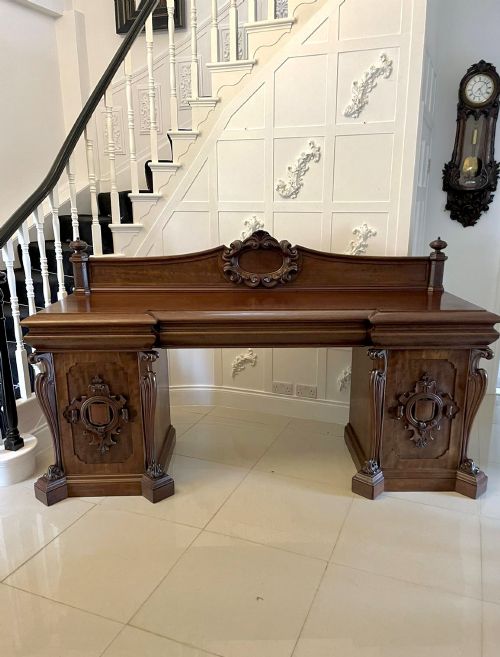
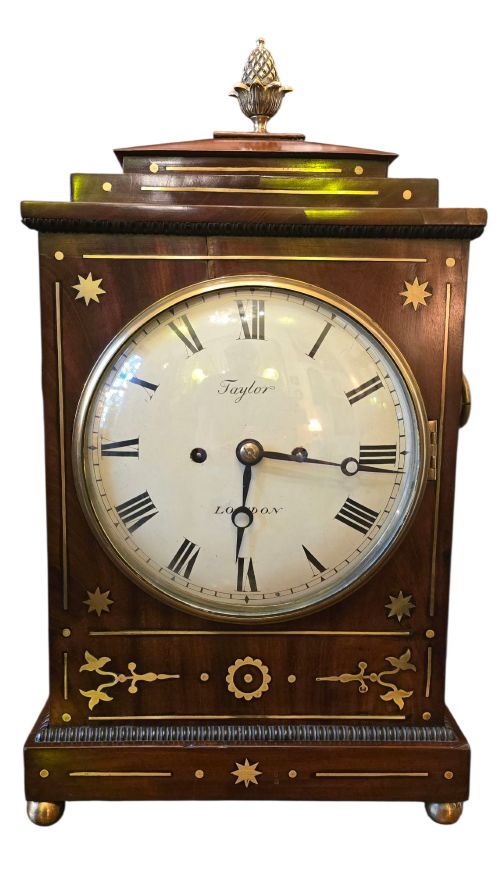
Traditional Dark Mahogany Table
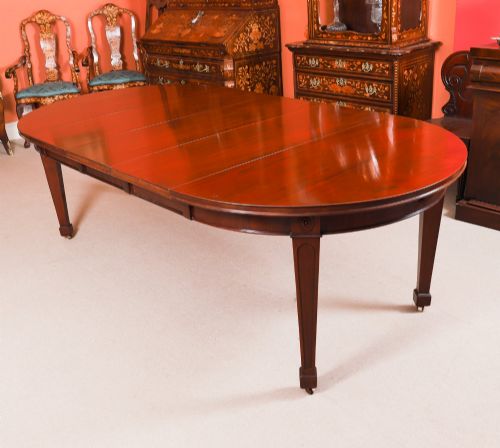
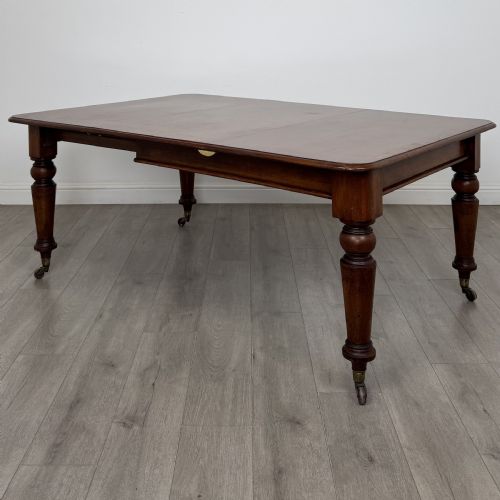
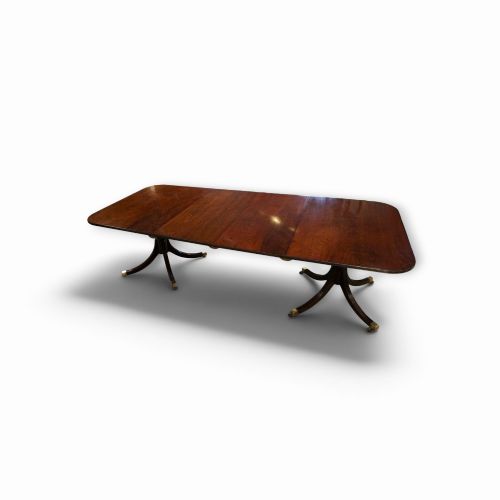
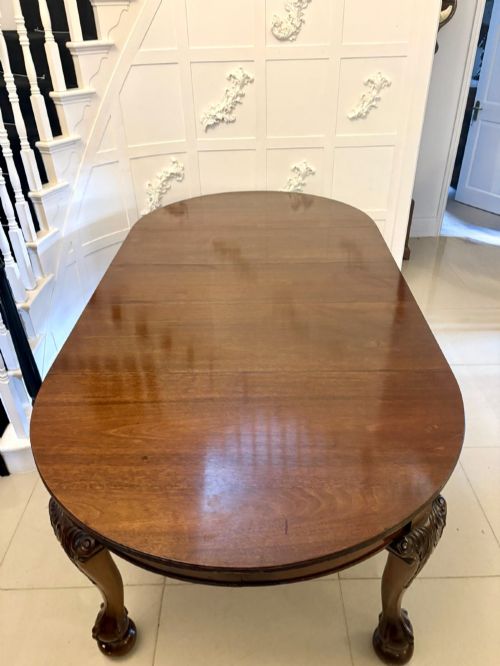
A traditional dark mahogany table brings rich grain and formal utility to a room, offering enduring timber surfaces designed for dining, writing or display.
Traditional Dark Mahogany Table
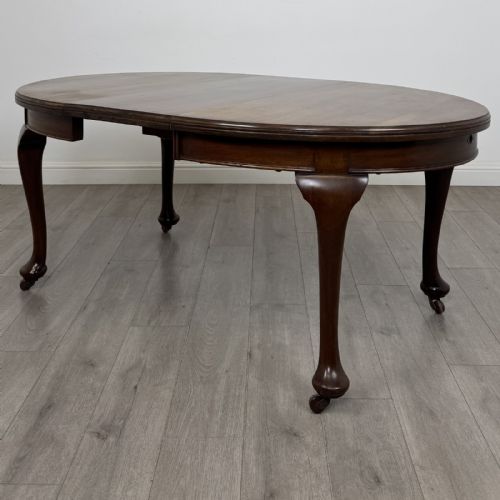
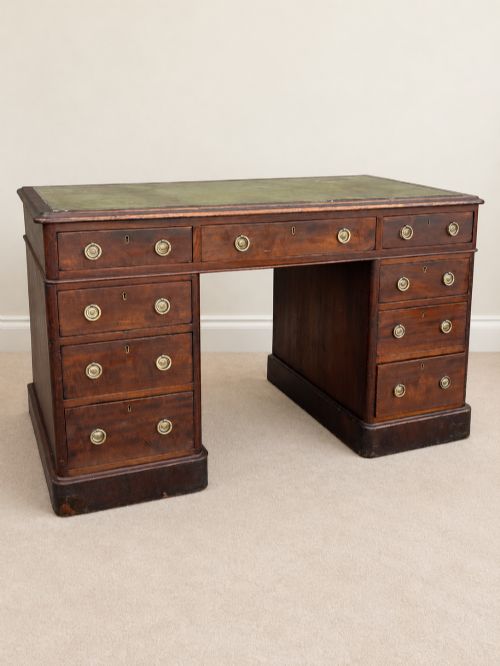
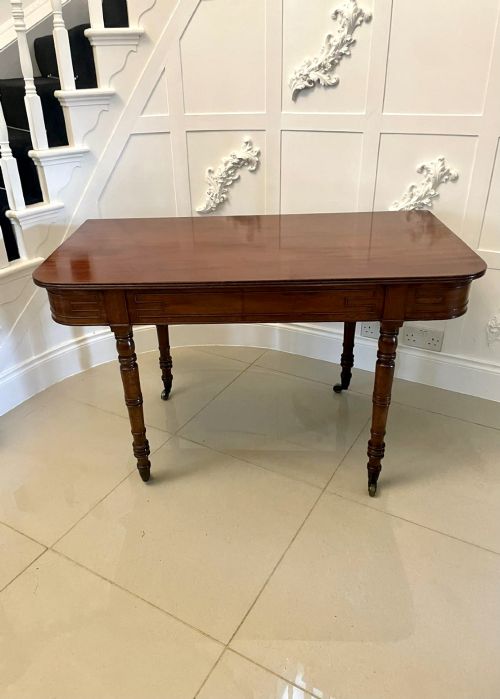
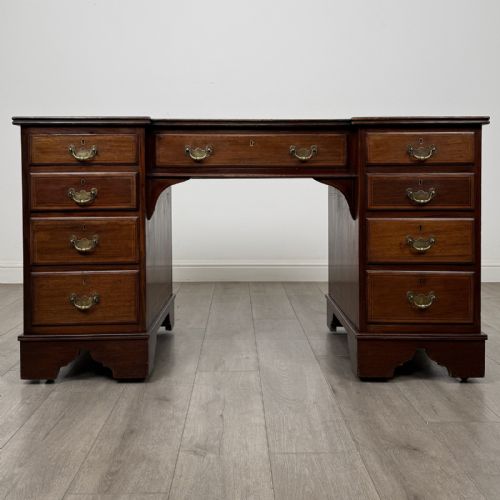
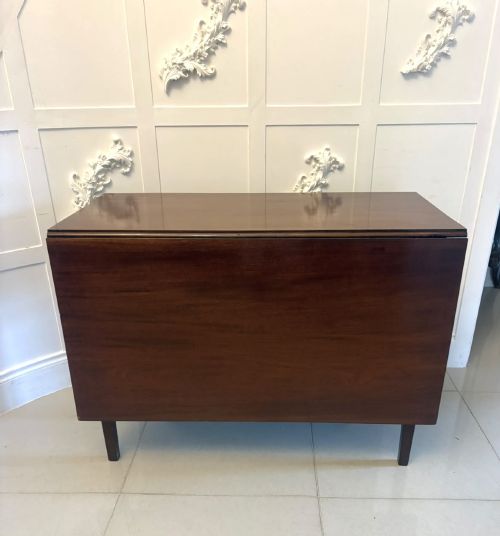
When searching for a traditional dark mahogany table, one encounters a variety of forms spanning dining tables, occasional tables, wine tables, and desks. These pieces date from the eighteenth century through to the early twentieth century, encompassing Georgian, Victorian, and Edwardian periods.
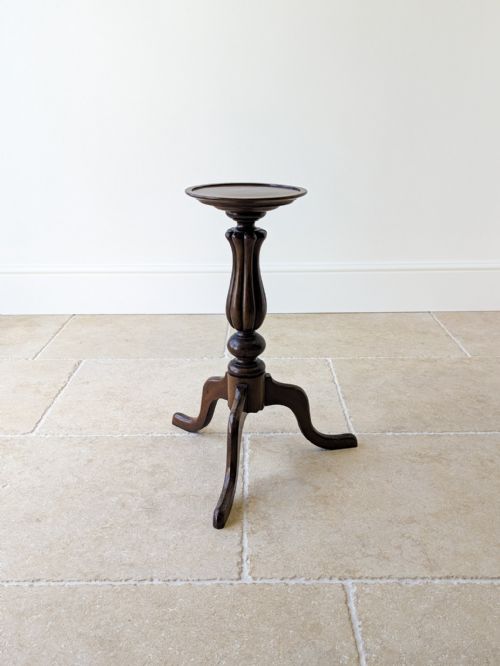
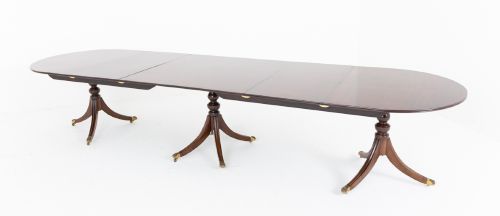
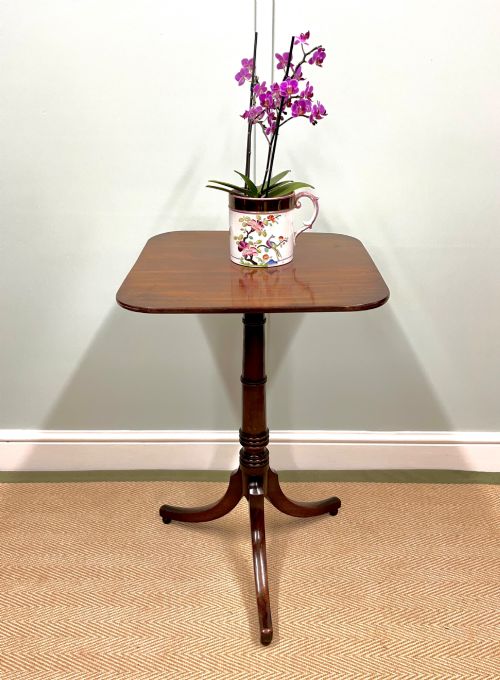
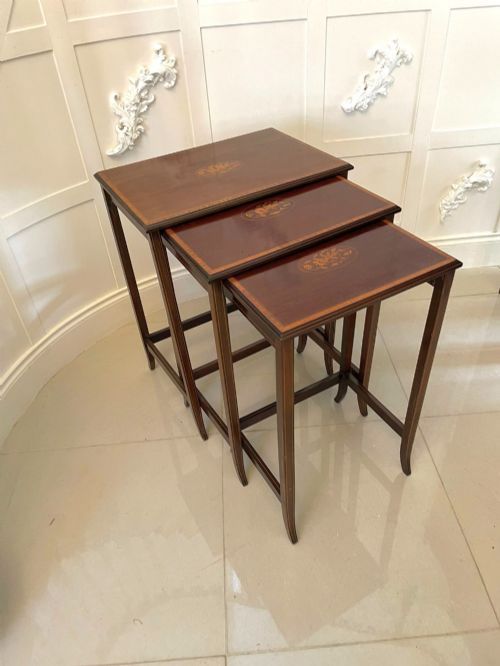
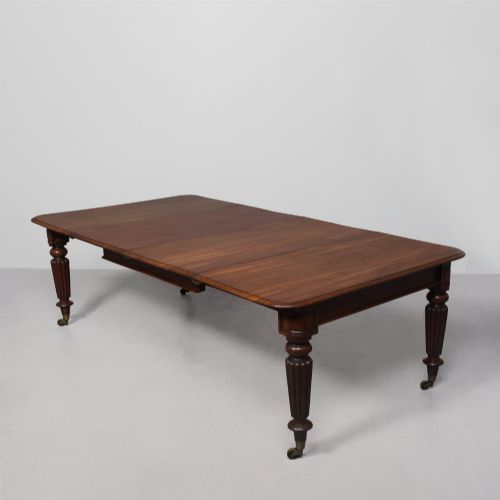
Dining tables and extending tables dominate the larger formats, while smaller occasional and wine tables utilise tripod bases or nests of four tables. Materials frequently include solid mahogany, flame mahogany veneer, brass fittings, and leather inserts.
The aesthetic draws heavily on Georgian, Regency, and Victorian styles, reflecting English country and revival influences. Buyers select these tables for their deep timber tones and traditional craftsmanship.
How they were made
Cabinet makers utilised solid mahogany and flame mahogany veneer applied to secondary timbers, achieving deep colour and varied grain patterns. Surfaces often featured leather insets for writing desks, paired with brass handles, castors, and mechanical elements such as tilt-top birdcage mechanisms or extending leaves.
Joinery techniques relied on traditional framing and dovetailing for drawers, alongside sturdy pedestal columns and tripod leg assemblies for wine and occasional tables. Finishes were polished to accentuate the dark natural figure of the timber.
Materials span solid mahogany, flame mahogany veneer, brass, glass, and leather across multiple centuries.
What varies in quality
The selection of timber grain, particularly the use of figured flame mahogany veneer, separates standard items from exceptional examples. Finer pieces demonstrate superior carving detail, such as shaped pie crust rims on tripod tables, and well-proportioned pedestal bases.
Original hardware, integrated leather writing surfaces, and smooth-operating extension mechanisms or tilt-top actions indicate higher workshop standards. The integrity of the timber construction and subtlety of the polish determine the overall standing of each piece.
Thomson of London·Trollope and sons·Brockbanks and Atkins·Gillows
The Traditional Dark Mahogany Table Glossary
- Flame mahogany
- A veneer cut from the fork of the mahogany tree to create a distinctive, flickering flame pattern. This decorative figuring is prized for cabinet fronts and table tops.
- Tripod table
- A small freestanding table supported by a central pillar resting on three legs. They are frequently designed as wine or occasional tables.
- Tilt-top table
- A table featuring a hinge mechanism that allows the top to pivot vertically when not in use. Some incorporate a birdcage mechanism for rotation.
- Nest of tables
- A set of graduated tables designed to fit neatly one beneath another. They become popular space-saving accessories in Edwardian and later periods.
- Pedestal dining table
- A large dining table supported by one or more central columns rather than traditional corner legs. These often accommodate extra leaves for extension.
Traditional Dark Mahogany Table: Frequently Asked Questions
How do I date a mahogany dining table?
Dating relies on examining the construction methods, timber thickness, and leg profiles. Georgian pieces often show hand-cut joinery and simpler pedestals.
Later Victorian and Edwardian examples may feature mechanical extension systems, castors, and revival stylistic cues.
What is a tilt-top mechanism?
A tilt-top mechanism allows the tabletop to pivot into a vertical position. This saved floor space in historic homes when the table was not in use.
Many examples include a birdcage catch that also allows the top to rotate.
Are nest of tables antique?
Nests of tables span from the late nineteenth century into the twentieth century. Edwardian and later makers popularised the stacked design for parlours and drawing rooms.
They offer practical surface space while occupying minimal room footprint.
How should I care for dark mahogany?
Mahogany surfaces benefit from regular dusting with a soft cloth and occasional waxing to nourish the timber. Avoid placing tables near direct heat sources or strong sunlight.
Leather inserts on desks require specialised conditioning to prevent drying and cracking.
What is flame mahogany?
Flame mahogany refers to a specific veneer cut taken from the branch junctions of the tree. The resulting grain creates a dramatic wave or flame effect.
Cabinet makers reserved this timber for prominent surfaces on high-status furniture.