







Traditional Cutlery Box
These traditional cutlery box pieces keep dining spaces orderly and carry silverware with quiet elegance.
Traditional Cutlery Box
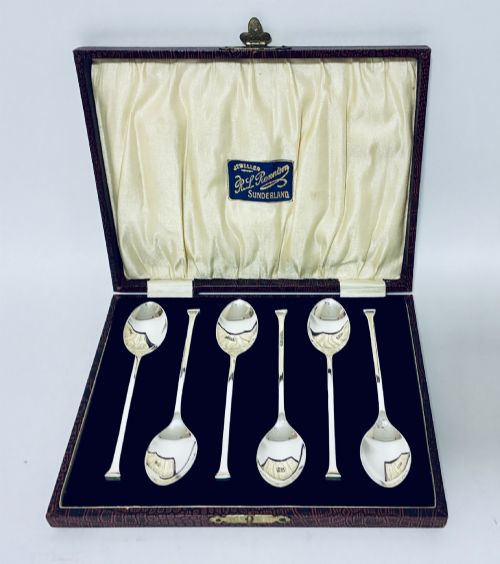
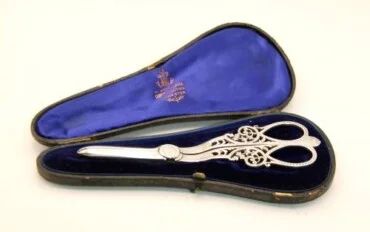
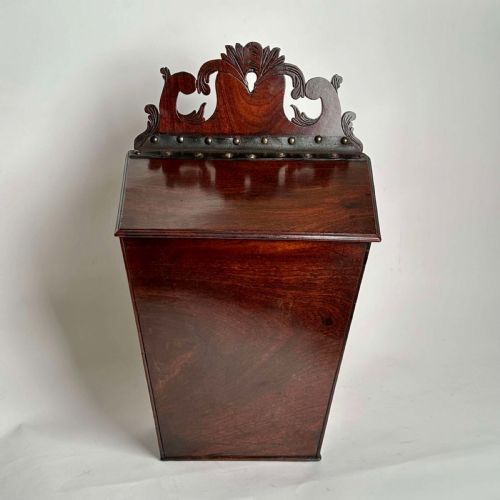
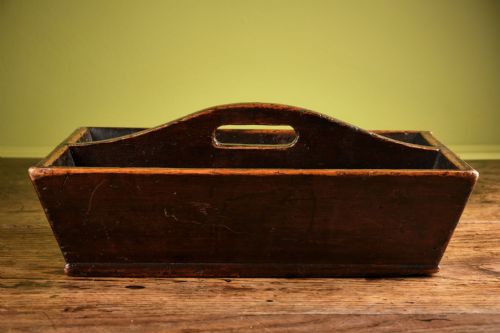
A traditional cutlery box takes several forms across the centuries, ranging from mahogany slant-lid table boxes to open trays in oak and pine. Buyers seeking a traditional cutlery box frequently encounter Georgian mahogany examples alongside rustic country pieces.
The objects serve primarily to organise and transport flatware, moving easily from kitchen to dining table. Formats span enclosed storage caddies, handled trays, and country work boxes designed for utilitarian daily tasks.
Origins stretch from the seventeenth century through the Victorian era and into mid-twentieth century pieces. Welsh country folk art traditions also contribute brightly painted pine knife trays to the selection.
Materials and construction methods
Cabinetmakers utilised dense timbers like mahogany and oak for durable construction, often employing dovetail joints to secure the sides. Finer examples incorporate solid silver mounts to reinforce corners and handle fittings.
Country pieces frequently rely on local pine and sheet iron, sometimes finished with red paint or toleware treatments. Interior linings of velvet or leatherette occasionally protect the stored flatware from scratching.
Traditional Cutlery Box Retail Price Guide 2026
Typical asking prices for traditional cutlery box among the pieces listed under this phrase on Sellingantiques today, from the lower quarter to the upper quarter. They describe what is for sale here now, not the wider market.
Storage forms range from enclosed bow front boxes with silver mounts to open Welsh pine knife trays and housekeeper carries.
Assessing quality in construction and patina
The standard of timber selection and joinery distinguishes finer pieces from utilitarian kitchen items. Superior examples display rich patination on mahogany surfaces and precise fitting of silver mounts.
Proportions also dictate distinction, particularly in bow front designs of narrow dimensions that require skilled woodworking. Simple country pine trays achieve quality through honest folk art charm and original painted surfaces.
The Traditional Cutlery Box Glossary
- Bow front
- A convex curved cabinet front that swells outward in the centre. This curved shape requires advanced woodworking skill.
- Toleware
- Enamelled and painted metalware popular in domestic settings. It provides durable surfaces for kitchen buckets and trays.
- Folk art
- Utilitarian objects decorated or shaped by self-taught rural makers. Welsh red painted knife trays belong to this tradition.
- Patina
- The deep surface sheen developed through decades of handling and polishing. It indicates genuine age and regular use.
- Dovetail
- An interlocking joint formed by interlocking wedge-shaped fingers. This method secures box corners with lasting strength.
Traditional Cutlery Box: Frequently Asked Questions
What is a traditional cutlery box?
A traditional cutlery box is a container built to hold and carry dining silver. These pieces range from refined mahogany table boxes to open wooden trays.
Craftsmen designed them to keep flatware organised and accessible during meals. They reflect the dining customs of periods from the seventeenth century onward.
How were these boxes used?
Households used these boxes to store forks, spoons, and knives when not dining. Servants transported them between kitchens and dining rooms.
Open trays allowed for quick access during service. Enclosed caddies protected finer silver from tarnishing and dust.
How do I care for antique wood?
Keep wooden boxes away from direct sunlight and sudden temperature changes. This prevents the timber from warping or splitting.
Apply a gentle wax polish occasionally to nourish the surface. Avoid modern chemical cleaners that strip the historic patina.
How do I date a piece?
Examine the construction methods and wood species used in the body. Georgian pieces often feature rich mahogany and refined joinery.
Country versions in pine or painted iron frequently point to later nineteenth-century folk traditions. Silver mounts may also bear hallmarks that provide precise dates.