

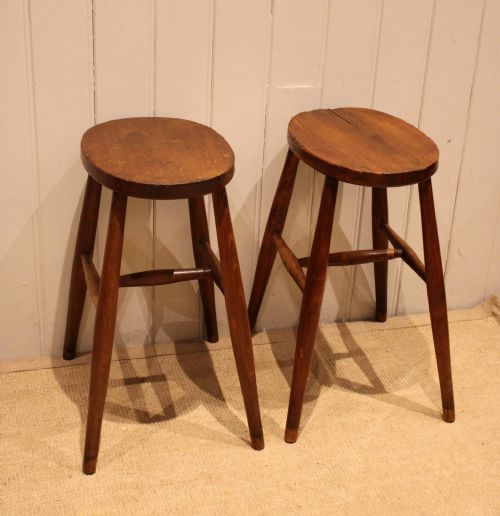


Traditional Country House Stool
A traditional country house stool brings understated domestic character to a room, offering practical seating or a soft surface for resting feet.
Traditional Country House Stool
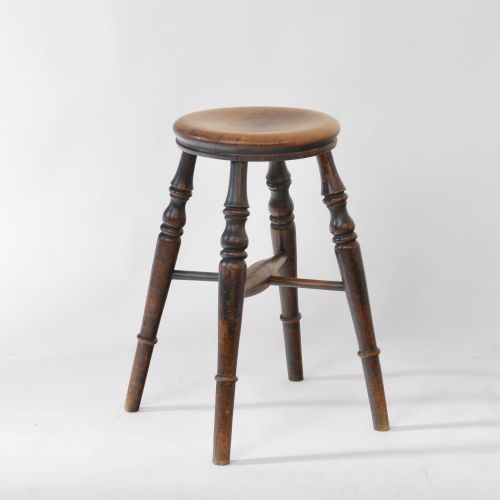
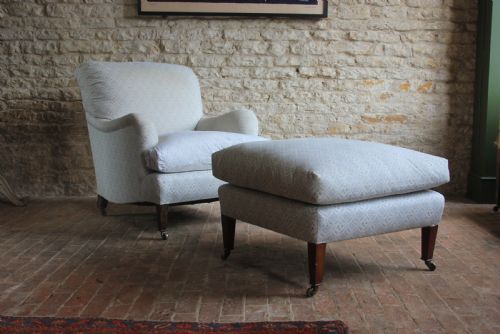
A traditional country house stool spans practical seating and low rests designed for domestic comfort across various historic periods. These pieces range from simple utilitarian seating to large upholstered centre pieces intended for principal rooms.
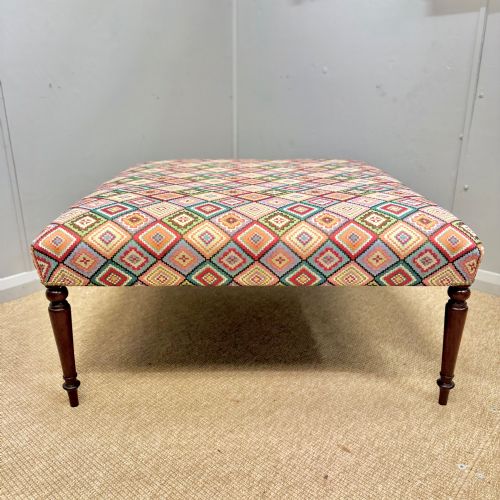
Buyers encountering this selection will find examples originating primarily from the nineteenth century, alongside pieces from the eighteenth century up to the nineteen-thirties. Forms vary from small rush-seated stools to large buttoned leather centre pieces and geometric upholstered footstools.
Stylistic influences lean heavily toward English country, rustic farmhouse, and Victorian interpretations of traditional craftsmanship. The selection balances simple wooden tavern and farmhouse designs with formal mahogany and oak upholstered variants.
How they were made
Construction relies upon traditional timbers such as oak, mahogany, elm, beech, sycamore, and pine, often paired with natural rush for seating. Wood elements are shaped and turned by hand to form stable frames, sturdy legs, and supporting stretchers.
Some nineteenth-century stools spent decades in bustling pubs before retiring to quiet sitting rooms.
What varies in quality
The standard of timber selection and the skill of the woodturning establish the baseline quality of wooden frames. Dense hardwoods like oak and mahogany or well-figured pollard oak demonstrate superior material choice compared to utilitarian pine or general purpose woods.
Upholstery execution distinguishes standard domestic pieces from finer country house examples. Precise stitching, correct fabric tension, and durable internal stuffing elevate the finish of leather and textile-covered footstools.
Howard and Sons
The Traditional Country House Stool Glossary
- Centre stool
- A large freestanding stool designed to sit in the middle of a room rather than against a wall. These pieces often feature buttoned leather or heavy upholstery.
- Cricket table
- A small, lightweight occasional table typically featuring three splayed legs and a round wooden top. The name derives from traditional vernacular utility.
- Rush seat
- A seating surface woven from dried marsh grasses supported by an internal wooden frame. This technique provides a resilient and traditional texture.
- Slatted stool
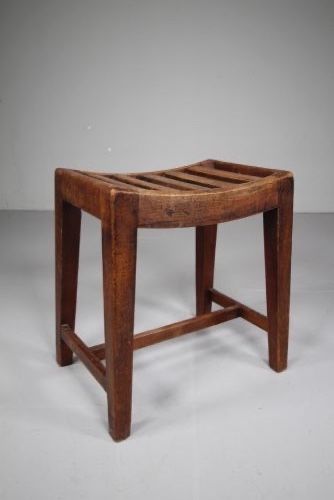
- A seat constructed with narrow strips of wood spaced at intervals across the top frame. This construction method offers structural lightness and simple ventilation.
- Tapestry stool
- A footstool or low seat covered in woven decorative textile work. These pieces display patterned historic needlework.
Traditional Country House Stool: Frequently Asked Questions
Where did these stools sit?
These pieces sat throughout domestic interiors, from grand reception rooms to rustic farmhouse kitchens. Large upholstered variants stood in main living spaces, while simpler wooden or rush-seated examples served functional roles in taverns and utility areas.
Over time, homeowners moved lighter stools between rooms for fireside seating or footrests. Their versatile proportions allowed them to adapt easily to changing household requirements.
How do I date a stool?
Dating relies upon examining the timber species, construction joints, tool marks, and upholstery style. Eighteenth-century examples often display Georgian proportions and finely shaped mahogany, whereas nineteenth-century pieces frequently utilise elm, beech, or oak in vernacular farmhouse designs.
Secondary indicators include the wear patterns on rush seats and the method of securing upholstery. Comparing these physical traits against documented period forms helps establish the approximate decade of manufacture.
Are these stools comfortable?
Comfort varies significantly depending on whether the top is solid wood or upholstered. Wooden elm and sycamore seats provide firm, utilitarian perches, while leather and fabric-covered footstools offer a soft surface for resting feet or casual sitting.
Upholstered variants often feature traditional internal padding that yields gently to weight. The presence of buttoning or sprung construction further increases the softness of the surface.
How do I clean wooden frames?
Cleaning historic timber requires gentle maintenance to preserve the natural patina and surface finish. A soft dry cloth removes dust from turned legs and carved edges without damaging the aged wood.
Harsh chemical polishes and excessive water should be avoided entirely. Applying occasional traditional wax helps nourish older oak, mahogany, and elm surfaces safely.