
Traditional Comb Back Chair
A traditional comb back chair offers an upright silhouette rooted in centuries of vernacular woodworking, pairing a solid timber seat with slender spindles.
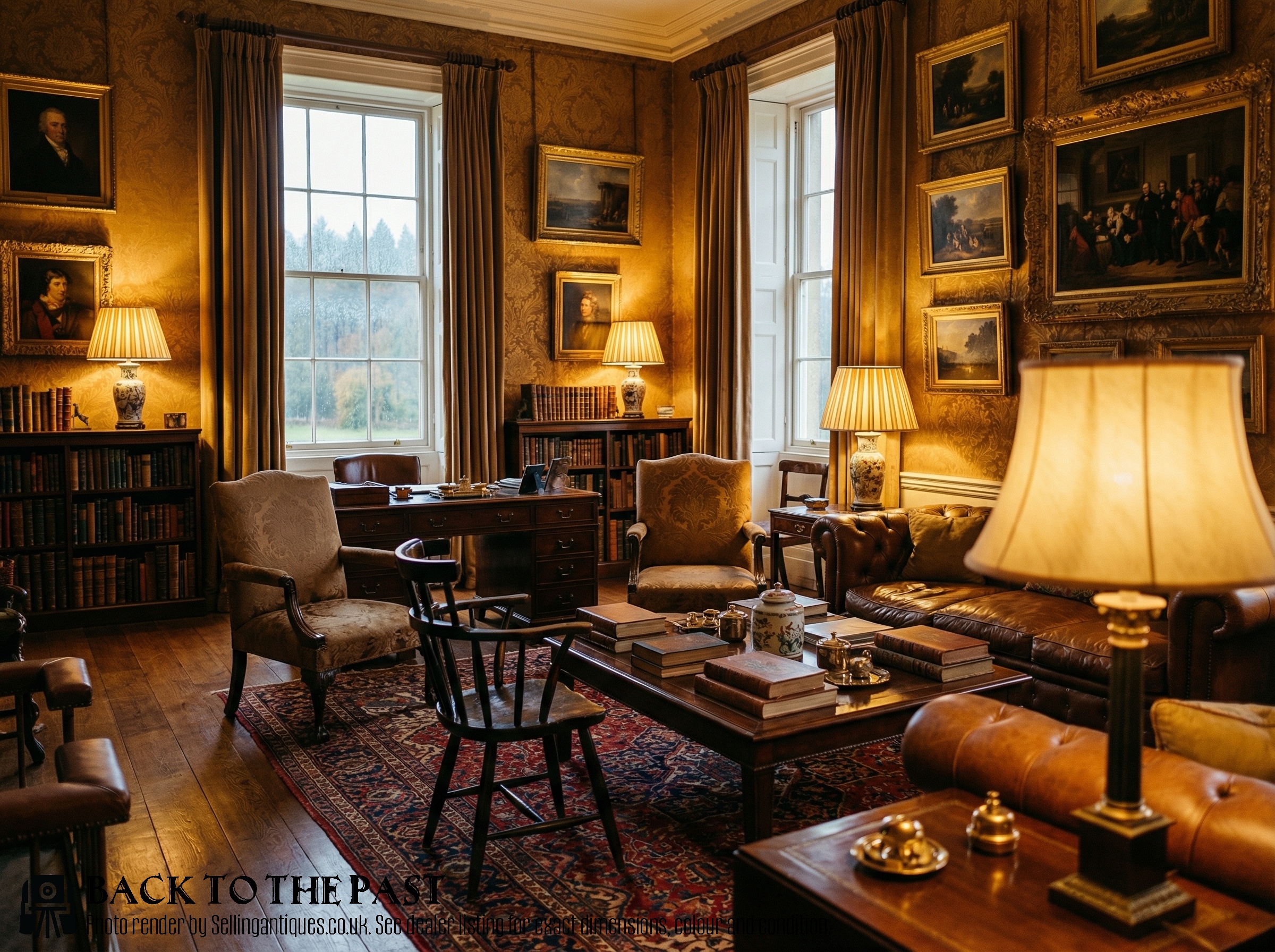
Traditional Comb Back Chair
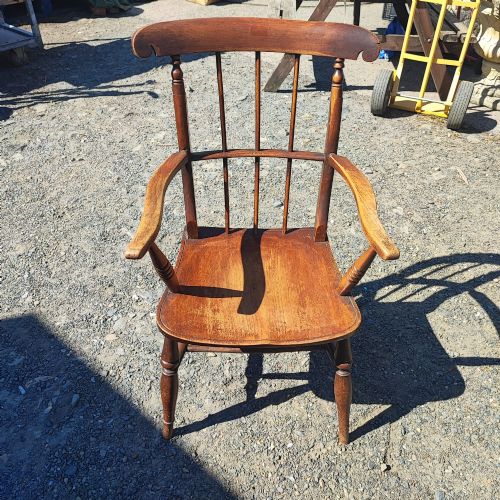
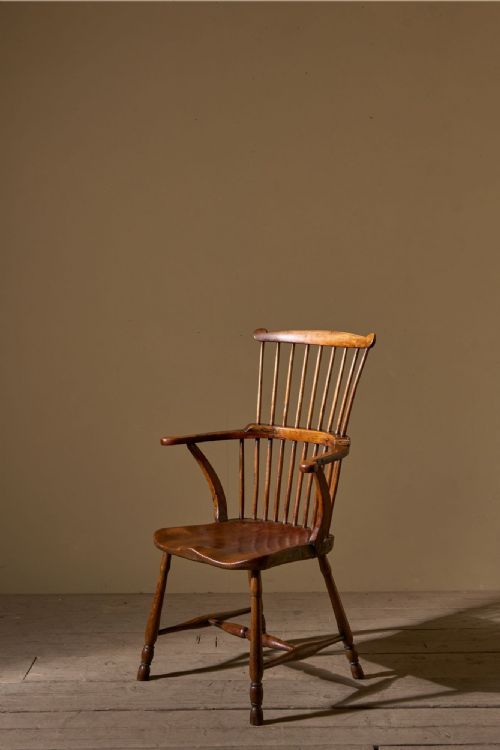
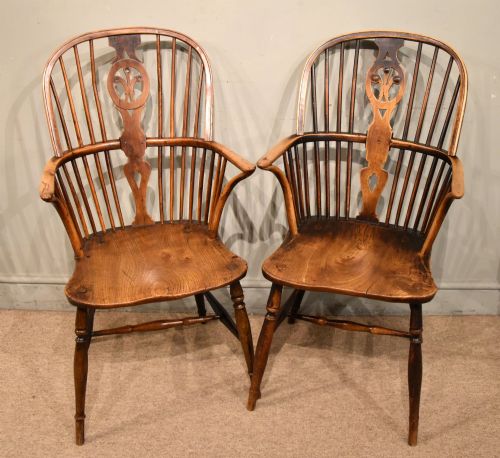
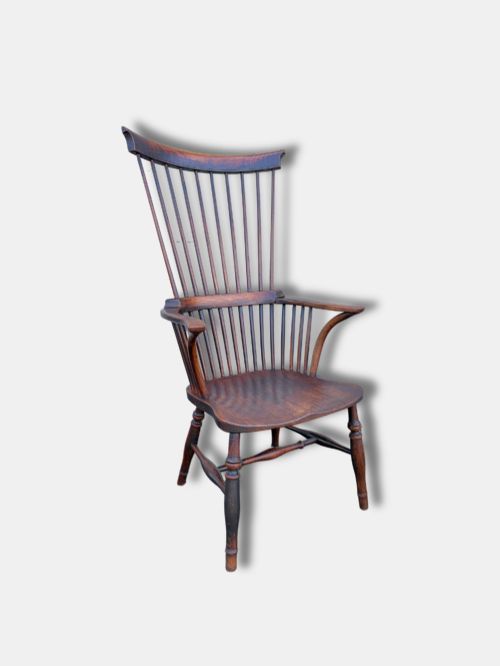
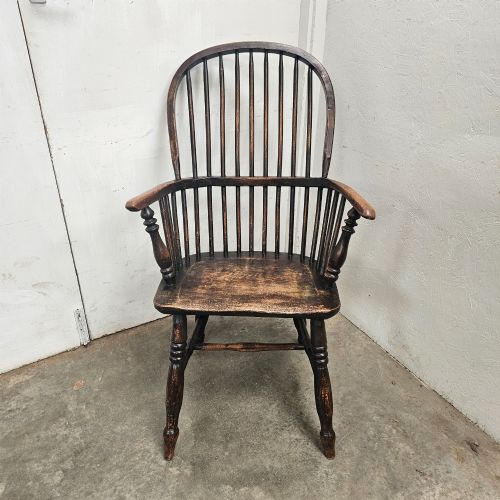
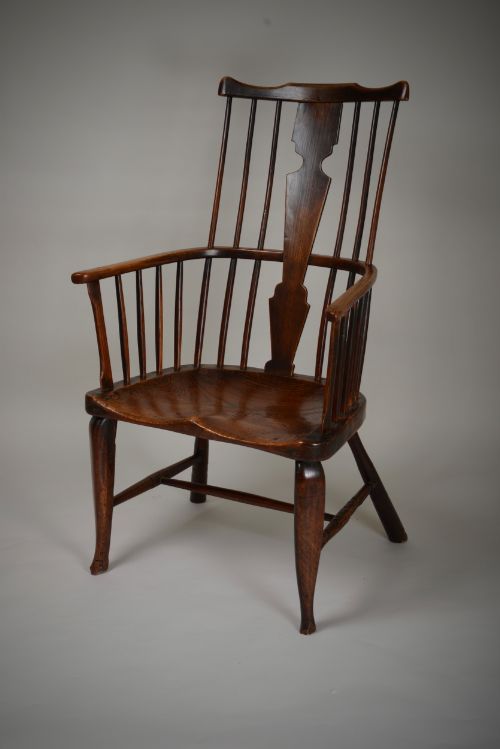
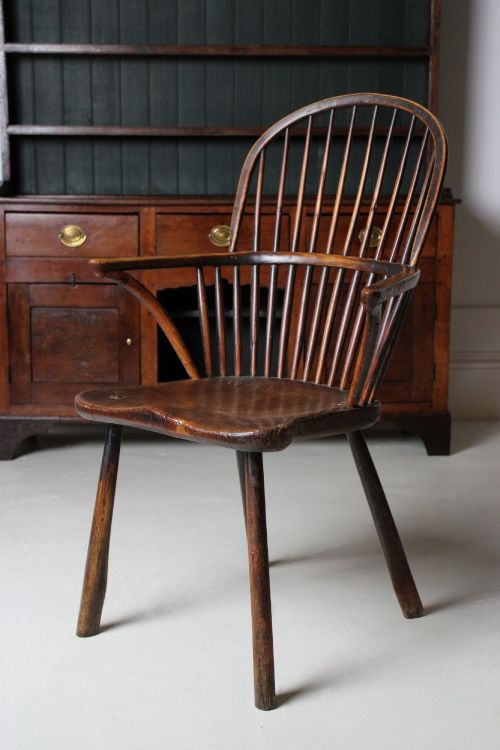
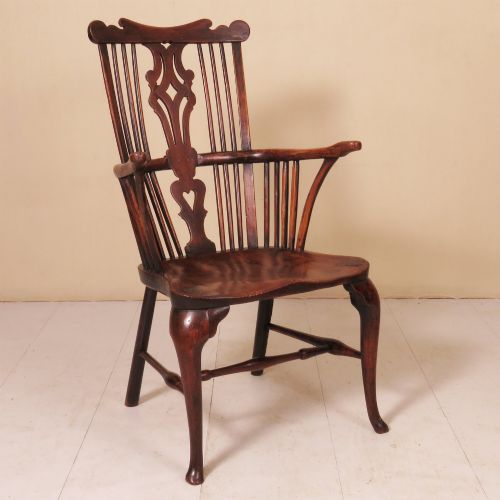
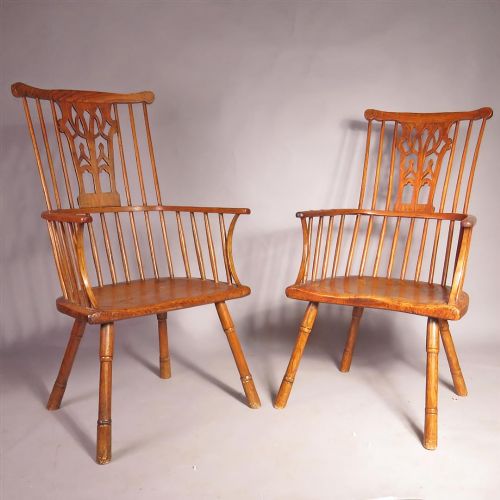
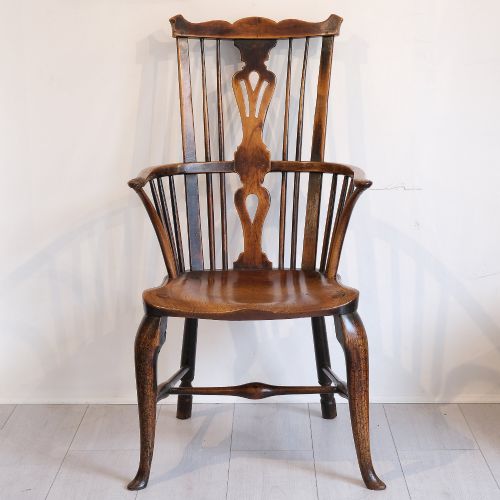
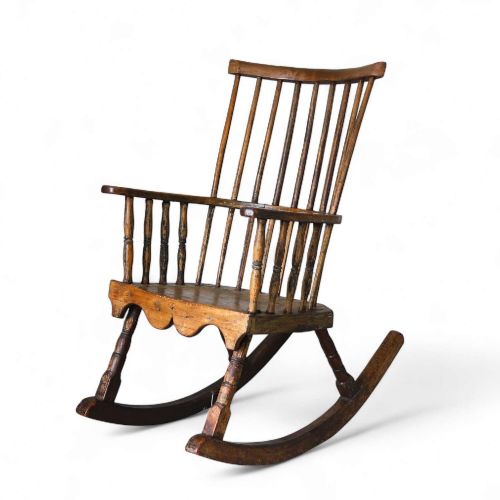
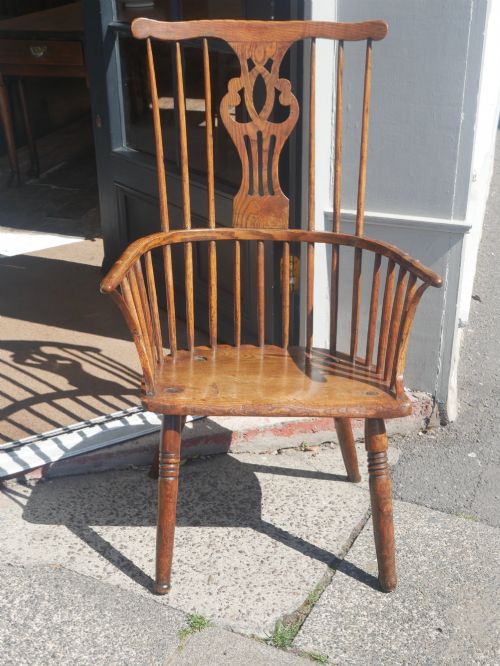
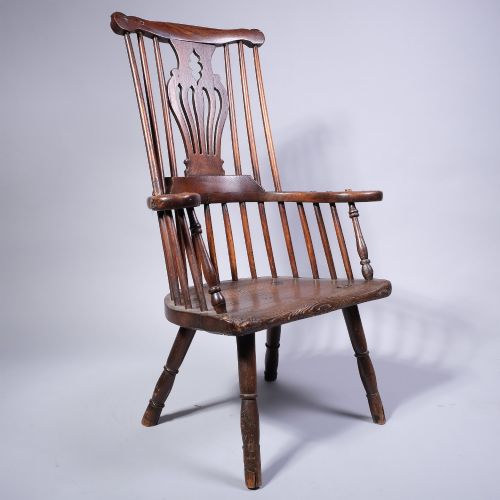
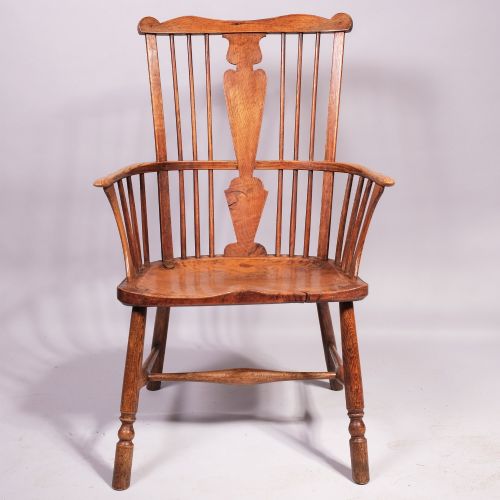
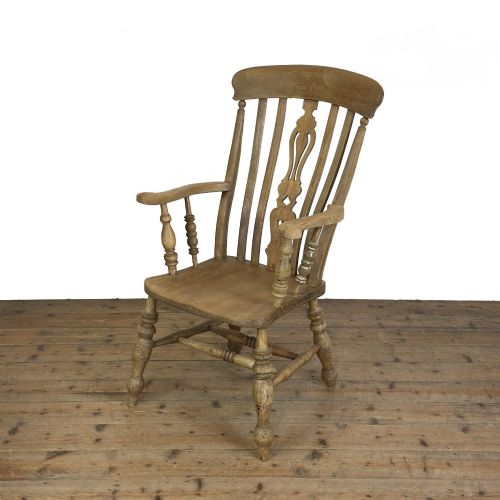
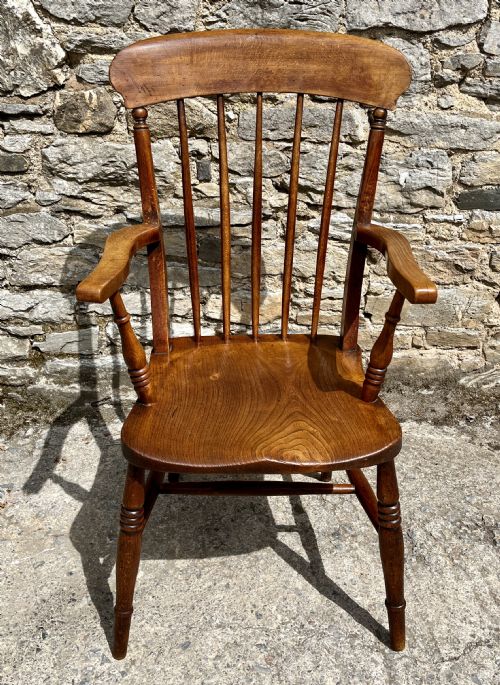
A traditional comb back chair is a form of Windsor seating defined by a high back topped with a horizontal crest rail that resembles a classic hair comb. These pieces emerge primarily from regional English traditions spanning the eighteenth and nineteenth centuries, taking the shape of armchairs, rocking chairs, and dining sets.
The version most frequently met on this page is the ash and elm armchair, often constructed with a bowed crest and delicate vertical spindles. Regional variations also appear, including Welsh vernacular forms and Thames Valley interpretations, alongside examples utilising fruitwood, oak, or yew.
Makers of these chairs worked within vernacular and primitive styles, resulting in sturdy seats designed for domestic utility and rustic farmhouse living. Surviving examples range from Georgian originals to Victorian iterations.

How traditional comb back chairs were made
Makers utilised a combination of contrasting timbers, most commonly turning sturdy ash for the legs and spindles while shaping elm, sycamore, or fruitwood into a comfortable, thick saddle seat. This method harnessed the specific strengths of each wood, ensuring the upright frame remained rigid while the seat provided durable comfort.
The components were joined using traditional green woodworking techniques, where turned spindles and legs fitted tightly into bored holes within the solid plank seat. Bending the crest rail required steaming the timber until pliable, allowing craftsmen to shape the distinctive comb profile before drying.
Traditional Comb Back Chair Retail Price Guide 2026
Typical asking prices for traditional comb back chair among the pieces listed under this phrase on Sellingantiques today, from the lower quarter to the upper quarter. They describe what is for sale here now, not the wider market.
What varies in quality
The integrity of the construction also dictates the grade of a piece, with finer items retaining their original wedged leg joints and tight spindle connections. Evidence of early repairs or mismatched timber replacements can alter the purity of the design.
Darvil
The Traditional Comb Back Chair Glossary
- Comb back
- A Windsor chair variation where the vertical spindles extend through the seat to a horizontal top rail resembling a comb. This design provides robust upper back support.
- Saddle seat
- A thick wooden seat base shaped with ergonomic hollows for comfort. Craftsmen typically carved elm or fruitwood into this distinctive contoured form.
- Vernacular
- Objects made by regional makers following local traditions rather than academic design blueprints. These pieces reflect the materials available in specific areas like Wales or the Thames Valley.
- Spindle
- A slender, turned wooden rod used to form the backrest of the chair. These components connect the seat to the top rail.
- Stick chair
- An early form of seating where legs and back sticks are inserted directly into a solid plank seat. This construction underpins many primitive comb back designs.
Traditional Comb Back Chair: Frequently Asked Questions
How were traditional comb back chairs used?
These chairs served as sturdy seating around farmhouse dining tables and beside hearths. Their robust construction made them suitable for daily domestic tasks in kitchens and parlours.
Rocking variants provided resting places for nurseries or bedrooms, while side chair sets accommodated larger dining gatherings.
How do I tell an 18th century chair from a 19th century one?
Eighteenth-century examples often exhibit more primitive tool marks, deeper saddle carvings, and thinner, more tapered spindles. The turnings tend to reflect earlier vernacular styles specific to regions like the Thames Valley or early Welsh workshops.
Nineteenth-century pieces frequently display heavier framing, slightly more standardised turnings, and the integration of harder timbers or alternative woods like alder and beech as regional forestry shifted.
What is a Welsh vernacular comb back?
A Welsh vernacular comb back is a regional variant characterised by local timber choices, such as burr elm and ash, combined with primitive construction methods. These chairs often feature distinct comb profiles and local design quirks unique to valleys like Swansea or Snowdonia.
They represent rural craftsmanship distinct from standard urban workshop production, prized for their individual character and regional timber usage.
How do I live with a primitive Windsor chair?
Living with these chairs involves placing them in spaces where their timber can acclimatise away from direct heat sources and sudden humidity shifts. Regular dusting and occasional wax maintenance help preserve the dry, patinated finish of the old wood.
Their sturdy nature allows for everyday use at a dining table or as a standalone reading chair in a study.