


Traditional Coastal Art
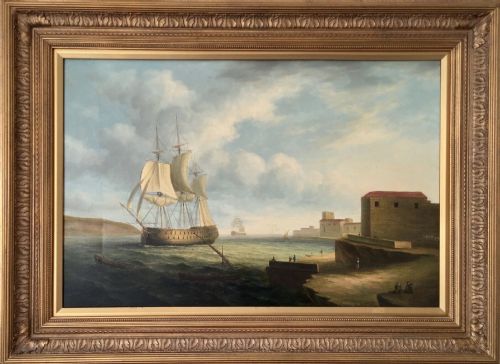
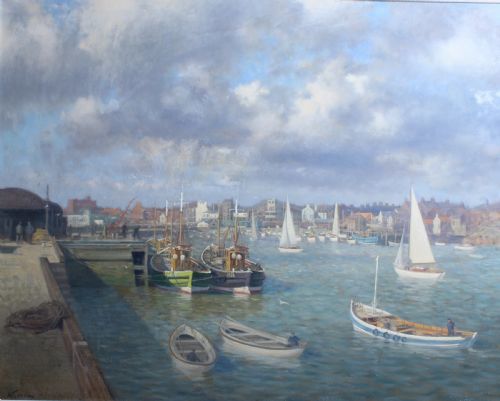
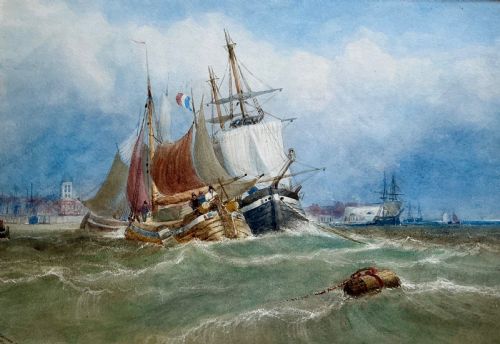
Traditional coastal art brings maritime life and coastal landscapes directly into rooms through painted views of harbours, shipping, and shores.
Traditional Coastal Art
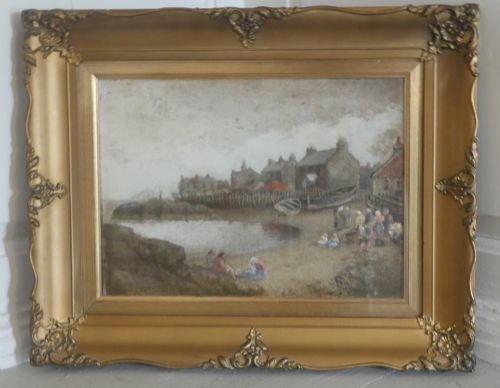
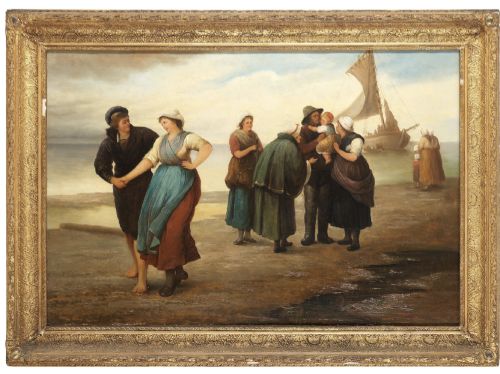
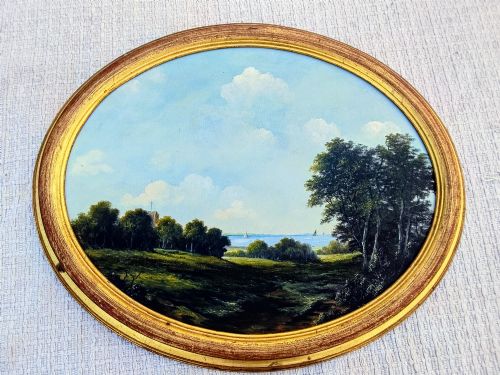
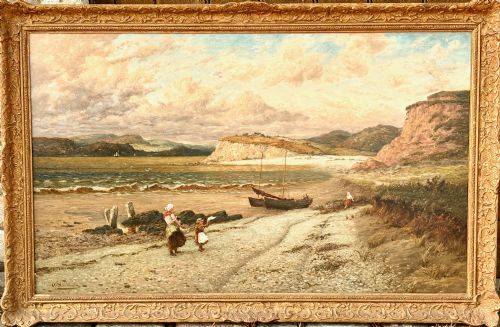
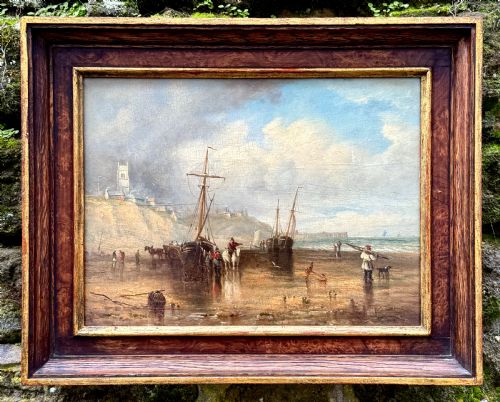
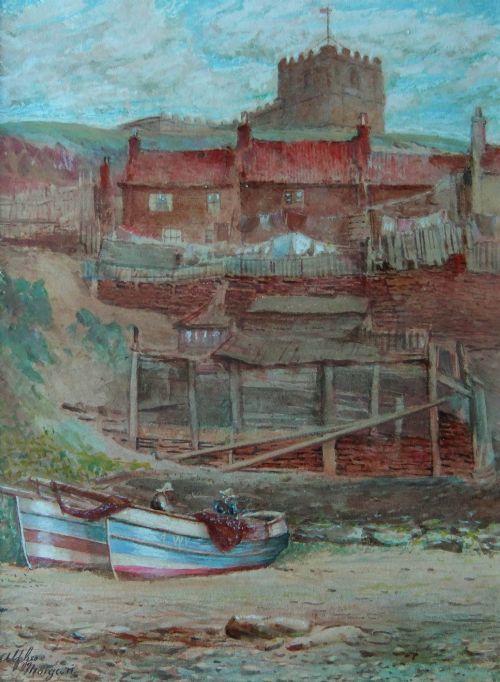
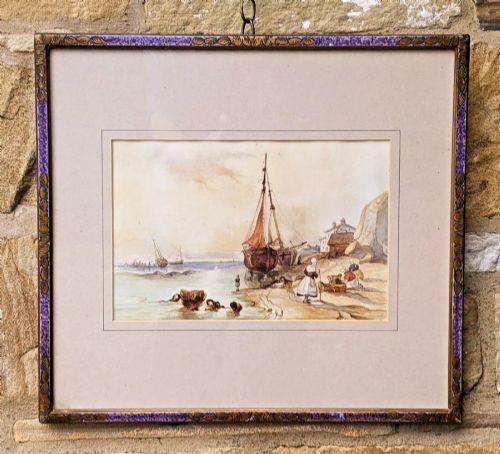
Traditional coastal art encompasses paintings and watercolours depicting harbours, coastal villages, and maritime scenes from the nineteenth and twentieth centuries.
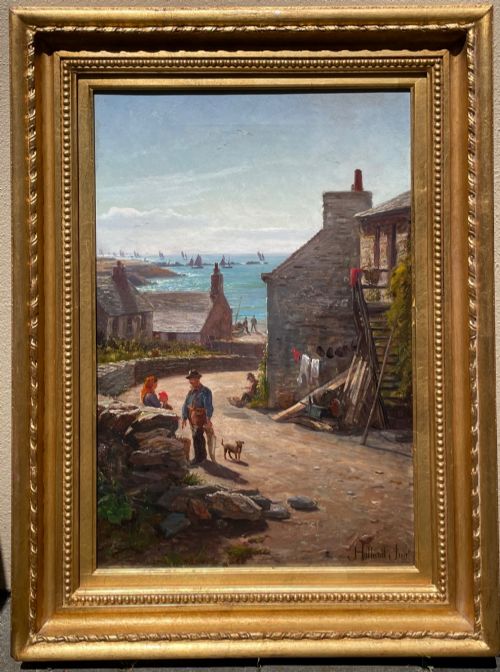
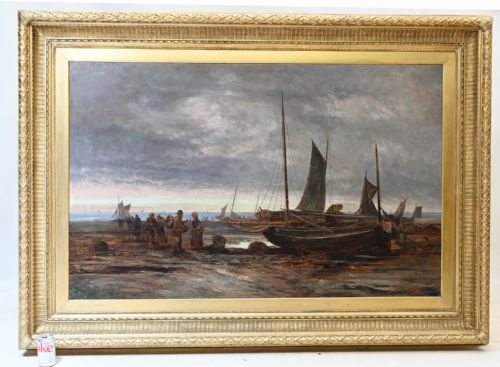
Buyers will encounter depictions of specific locations such as St Ives, Whitby, and foreign ports, often focusing on fishing boats and shipping.
Materials and techniques
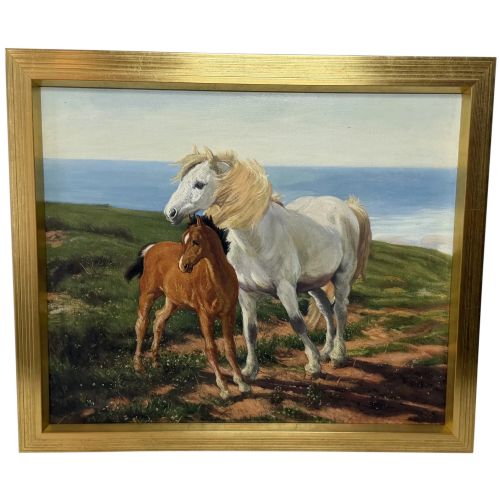
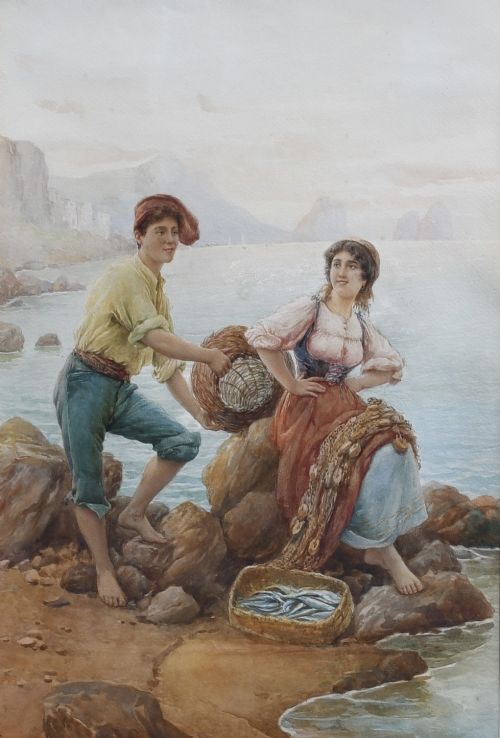
Works are executed primarily in oil paint on canvas or wooden panel, and in watercolour on paper, frequently housed in gilt wood frames.
Artists utilise brushwork to capture the movement of choppy seas and the stillness of harbour walls, applying pigment with careful attention to natural light.
Listings feature works spanning the nineteenth and twentieth centuries, executed in oil and watercolour on canvas, paper, and wood panel.
Elements of quality
Quality rests in the artist's handling of atmospheric light, water texture, and architectural detail within the coastal setting.
Higher quality pieces demonstrate confident brushwork and precise draughtsmanship, bringing depth and movement to maritime scenes rather than relying on formulaic composition.
James Hardy·William Banks Fortescue·Thomas Creswick·Henry Barlow Carter·James Webb
The Traditional Coastal Art Glossary
- Oil on Canvas
- A painting technique where pigment suspended in drying oil is applied to stretched woven fabric. This medium allows for rich colour depth and textured brushwork.
- Watercolour
- A painting method where water-soluble pigments are applied to paper. It produces transparent washes of colour suited to capturing coastal skies and light.
- Panel
- A rigid flat support for painting, often made of wood. Artists frequently utilised panels for smaller outdoor sketches and finished harbour views.
- Gilt Wood
- Timber frames treated with gold leaf or metallic paint. These ornate surrounds were commonly used to finish and protect nineteenth-century paintings.
Traditional Coastal Art: Frequently Asked Questions
What subjects appear in traditional coastal art?
These works typically depict fishing boats, bustling harbours, merchant shipping, and quiet coastal landscapes. Scenes range from specific British ports in Cornwall and Yorkshire to international waters.
Artists focused on recording the working life of the sea alongside the natural topography of cliffs, shores, and estuaries.
How do I care for an oil painting on canvas?
Keep paintings away from direct sunlight, extreme temperature shifts, and high humidity to protect the canvas and paint layers. Dust the surface gently with a soft, dry brush without applying pressure.
Avoid using liquid cleaners or water on the paint surface, and consult a professional conservator if cleaning becomes necessary.
Are these works signed by the artists?
Many pieces bear the signature or monogram of the artist, sometimes accompanied by a dated inscription of the location. Attribution for unsigned works relies on stylistic comparison and documentary evidence.
Signatures are typically found in the lower corners of the canvas or paper.
How are watercolours preserved differently from oils?
Watercolours on paper are sensitive to light and require framing behind glass with acid-free mounts to prevent fading and paper degradation. They should be hung away from direct sunlight.
Oils on canvas or panel are more robust but still benefit from stable indoor environments free from dampness.