


Traditional Coal Scuttle
A traditional coal scuttle sits by the hearth to hold fuel, combining practical function with polished metal or timber.

Traditional Coal Scuttle
A traditional coal scuttle is a fireside accessory designed to store and transport fuel for an open fire. These items appear across several periods, including Georgian, Victorian, and Edwardian eras, reflecting changing domestic habits.
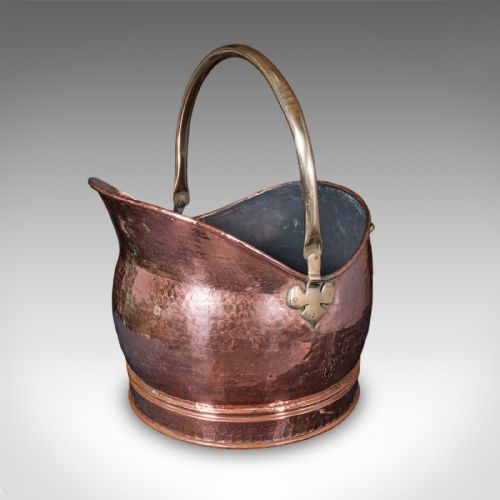
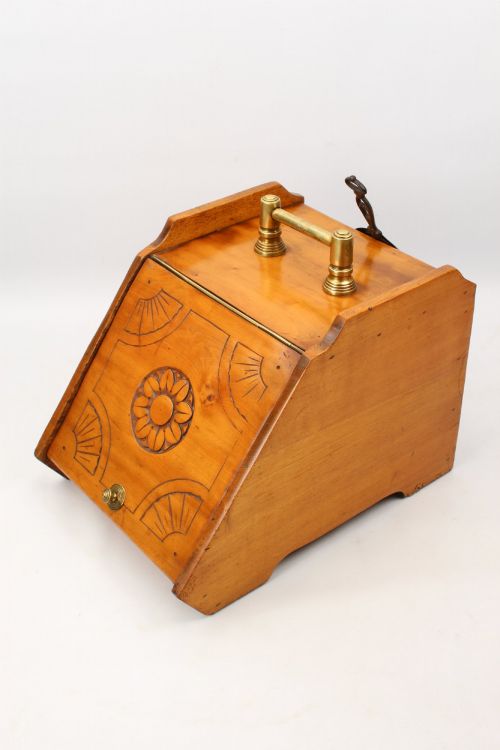
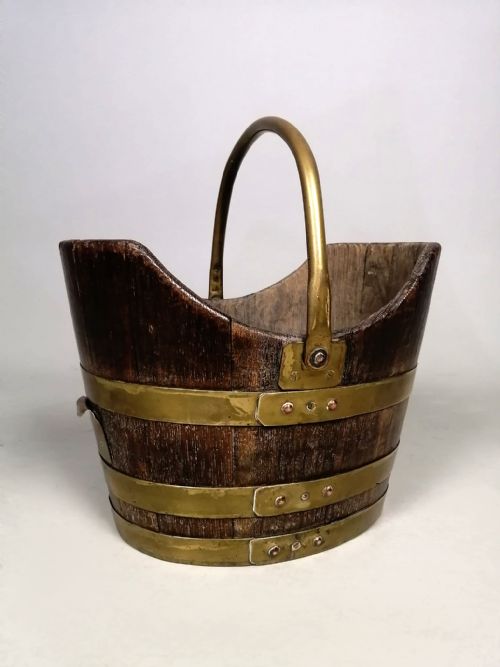
The most common version met on this page is the helmet coal scuttle, typically formed in brass or copper with a flared lip and a swinging handle. Alongside these sit purdonium cabinets, lidded coal boxes, and coopered timber buckets.
Origins trace to English workshops and Irish makers, with forms ranging from simple metal log bins to elaborate brass banded buckets with matching shovels.

How they were made
Metal vessels rely on sheet brass and copper, often shaped by hand, beaten into helmet contours, and joined with rivets. Handles, feet, and mounts employ cast brass fixed securely to the main body.
Timber examples utilise oak, mahogany, and walnut, frequently constructed using coopered stave techniques with metal bands or using traditional cabinet-making joints for enclosed purdonium boxes.
Traditional Coal Scuttle Retail Price Guide 2026
Typical asking prices for traditional coal scuttle among the pieces listed under this phrase on Sellingantiques today, from the lower quarter to the upper quarter. They describe what is for sale here now, not the wider market.
Listings feature brass, copper, oak, mahogany, and walnut across Georgian, Victorian, and Edwardian periods.
What varies in quality
Quality rests in the weight of the metal gauge, the crispness of any hand-finished detailing, and the retention of original shovels or liners. Thicker brass and heavy copper maintain their structural integrity far better through decades of daily hearth service.
Joinery and timber selection mark the distinction in wooden boxes and buckets. Sound stave construction, original brass banding, and intact interior liners demonstrate superior original manufacture.
The Traditional Coal Scuttle Glossary
- Purdonium
- A fireside cabinet designed to hold coal, often featuring a sloping front lid and a built-in shovel compartment.
- Helmet scuttle
- A metal coal container shaped with a wide, flared brim reminiscent of a traditional helmet, paired with an arched handle.
- Coopered
- A method of construction using wooden staves bound together with metal hoops, typical of traditional buckets and bins.
- Coal bucket
- An open-topped cylindrical or oval vessel used for fireside fuel storage, frequently fitted with swing handles.
Traditional Coal Scuttle: Frequently Asked Questions
What is a traditional coal scuttle?
A traditional coal scuttle is a dedicated fireside container used to hold and carry coal or fuel to the hearth.
They take various forms, from metal helmet buckets to wooden boxes and purdoniums.
How were coal scuttles used?
They sat beside the fireplace to keep fuel close at hand for tending domestic fires throughout the day.
Many included matching small shovels to transfer coal cleanly into the grate.
How do I identify a Victorian coal scuttle?
Victorian pieces frequently utilise bright brass or heavy copper, often shaped as helmet scuttles with decorative embossing.
They date from the nineteenth century and match other nineteenth-century hearth furnishings.