

Traditional Ceiling Light
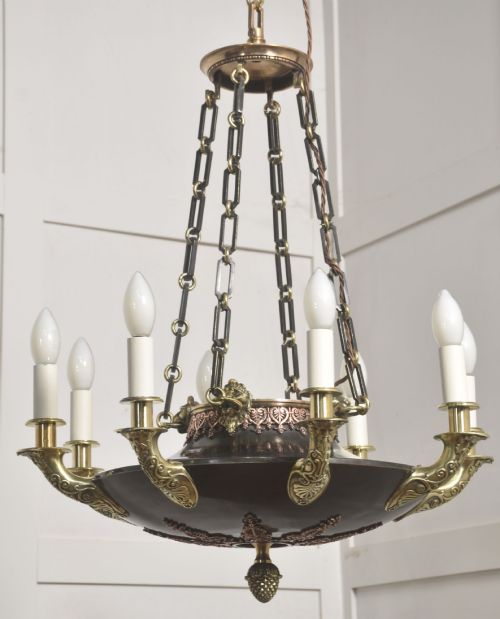
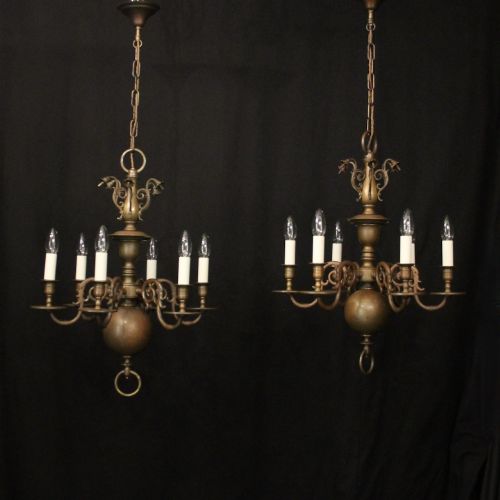
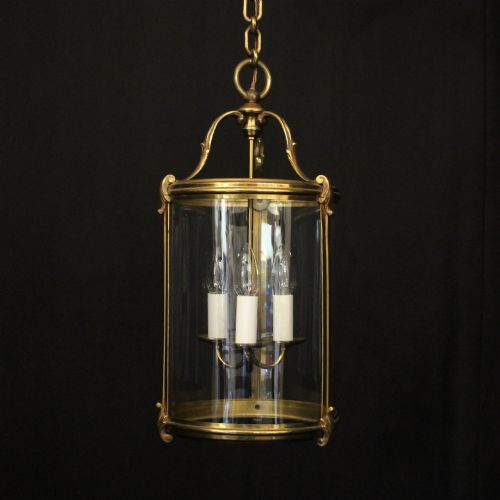
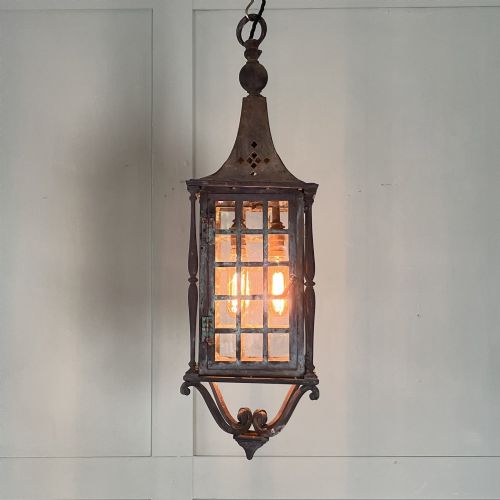
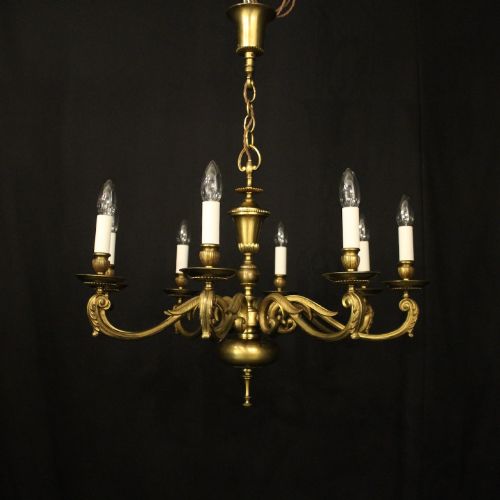
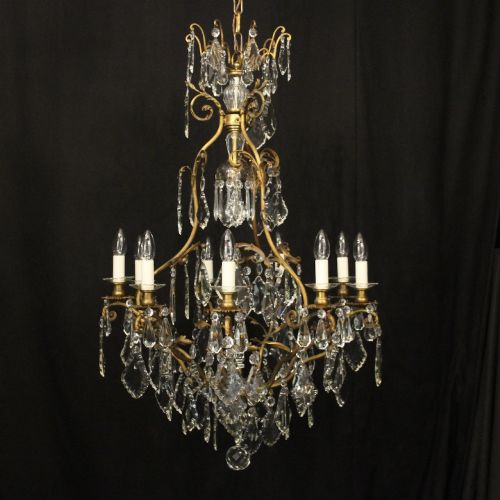
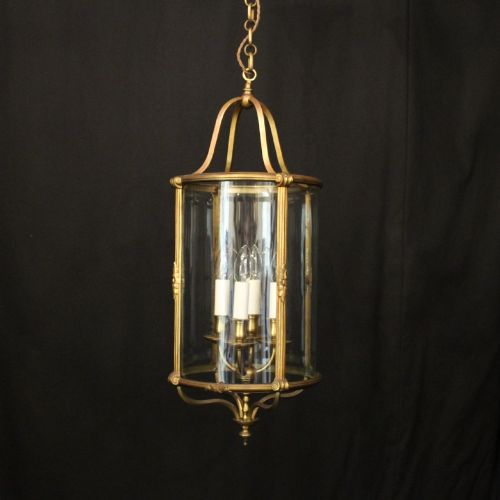
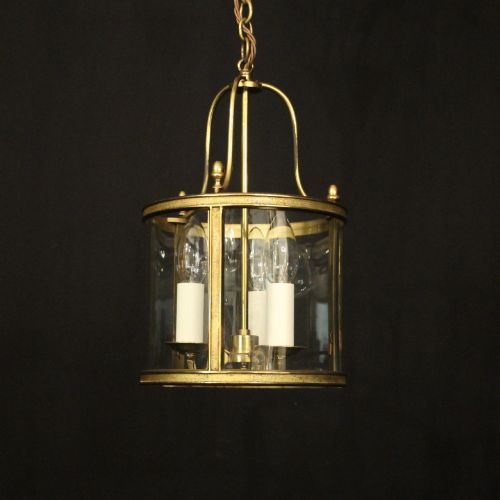
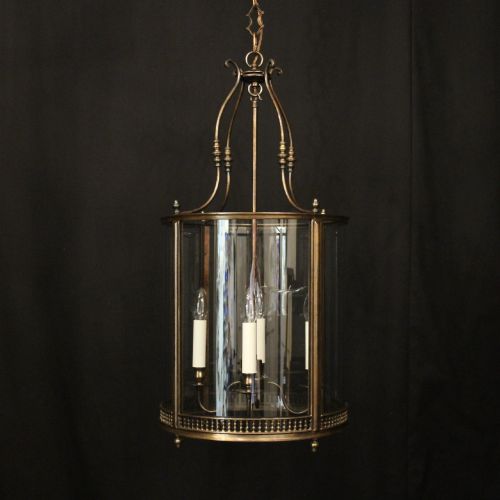
These traditional ceiling light fixtures bring period character to hallways and reception rooms, ranging from multi-armed chandeliers to glass lanterns.
Traditional Ceiling Light
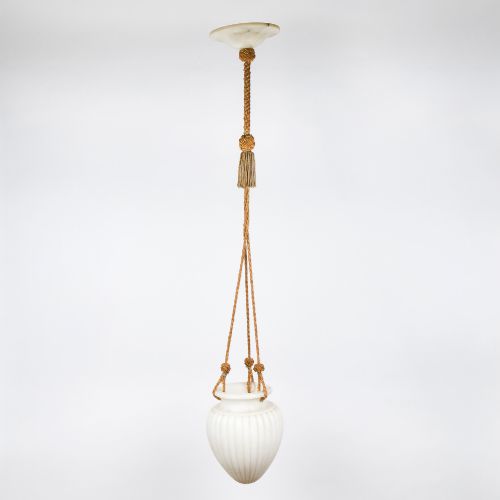
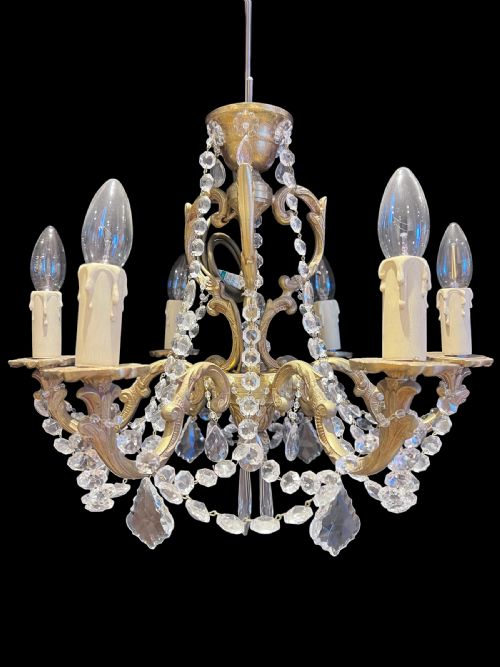
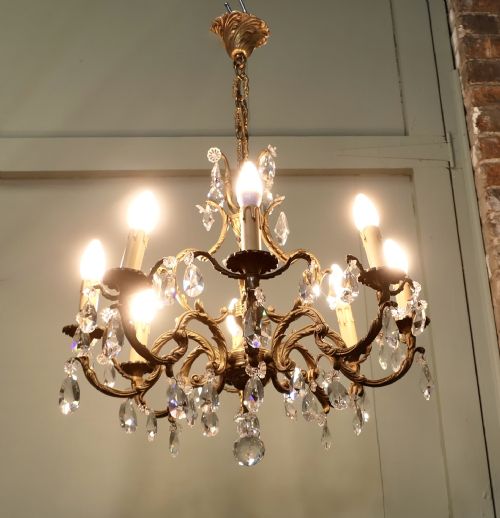
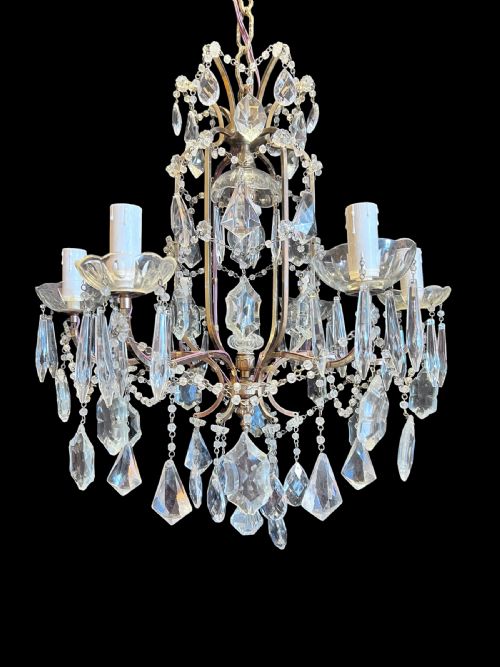
Buyers will encounter distinct regional variations, such as Florentine polychrome gilded frames, Dutch style brass and copper multi-arm fixtures, and elaborate crystal tent chandeliers. Edwardian and 1920s examples dominate the listings, offering both grand multi-light centrepieces and compact pendants.
Materials and construction methods
Metalwork forms the structural backbone of these pieces, utilising cast brass, bronze, copper, and gilt metals shaped into arms, frames, and ceiling mounts. Gilded finishes appear frequently, alongside dark bronze and silvered surfaces that reflect period aesthetic preferences.
Glass elements contribute both structure and decoration, incorporating cut crystal lustres, hand-blown bullseye glass, moonstone shades, and curved convex panels. These components are secured to metal frames using traditional pin, screw, and wire attachments appropriate to their manufacture date.
Traditional Ceiling Light Retail Price Guide 2026
Typical asking prices for traditional ceiling light among the pieces listed under this phrase on Sellingantiques today, from the lower quarter to the upper quarter. They describe what is for sale here now, not the wider market.
The listings on this page span the mid-nineteenth century through the 1930s, featuring brass, bronze, and crystal materials across French and English styles.
Distinctions in quality and execution
The sophistication of the casting and metal chasing sets finer examples apart from standard production, visible in the crispness of leaf motifs, scrollwork, and structural joints. Superior frames exhibit careful hand-finishing and substantial weight in the brass or bronze components.
The quality of the glass components heavily influences the overall standard, distinguished by the depth of hand-cutting on crystal lustres and the clarity of blown glass shades. Original matching elements and complete series of crystal drops indicate a higher grade of manufacture.
The Traditional Ceiling Light Glossary
- Chandelier
- A branched ceiling light designed to hold multiple lamps or candles. These fixtures typically suspend from chains and feature arms radiating from a central column.
- Plafonnier
- A shallow bowl-shaped ceiling light mounted flush or close to the ceiling surface. This form frequently employs moulded or cut glass to diffuse light across a room.
- Hall Lantern
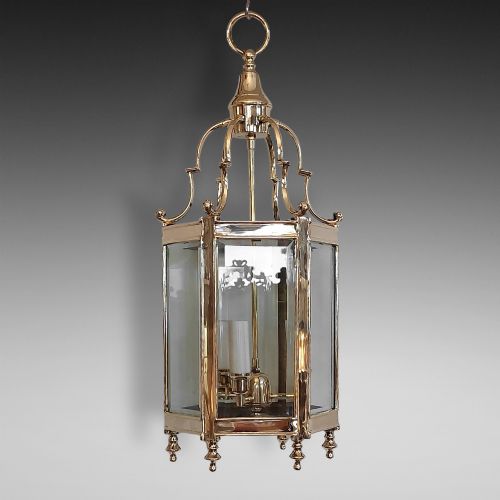
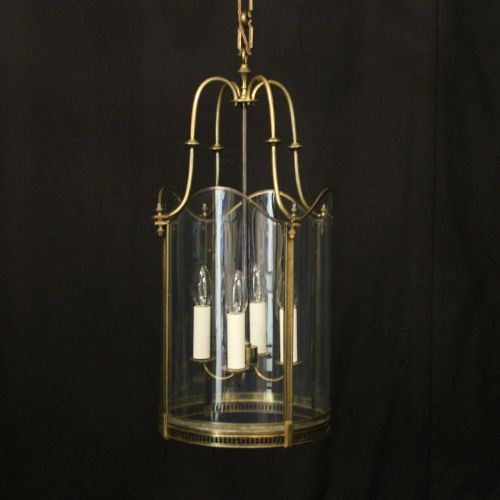
- An enclosed hanging light designed specifically for entrance halls and corridors. They often feature glazed panels in brass, copper, or bronze frames.
- Crystal Lustre
- A cut glass pendant drop hung from chandelier arms to refract light. These elements range from simple spear drops to elaborate faceted beads.
- Gilt Bronze
- Bronze metal coated with a thin layer of gold or gold-coloured alloy. This technique provides a durable metallic finish that resists tarnishing.
Traditional Ceiling Light: Frequently Asked Questions
How do I choose the right size ceiling light?
Consider the scale of the room and the height of the ceiling when selecting a hanging fixture. Multi-arm chandeliers require adequate clearance below, while flush-mounted plafonnier lights suit rooms with lower ceilings.
Larger spaces benefit from multi-light fixtures with numerous arms or wider diameters to distribute illumination effectively across the floor area.
Where should a hall lantern be hung?
Hall lanterns work best in entranceways, stairwells, and long corridors where they provide focused downward and ambient light. Their enclosed glass designs protect the internal light source from drafts in high-traffic transition zones.
Position the fixture centrally in the space to allow adequate clearance for opening doors and walking underneath.
Can antique ceiling lights be wired for modern electricity?
Most antique fixtures have been previously converted or adapted for electrical use during their history. Rewiring is straightforward for a qualified professional using modern insulated flex cord that matches the period appearance.
Internal lampholders can be updated to accept standard bulbs while retaining the original brass, bronze, or crystal exterior structure.
How do I identify an Edwardian ceiling light?
Edwardian lighting from the early twentieth century often combines neoclassical revival motifs with lighter proportions than heavy Victorian designs. Look for refined brass frames, hexagonal lantern shapes, and cut glass shades.
Construction details typically include early machine-threaded screws alongside traditional hand-finished metal components characteristic of the period.