

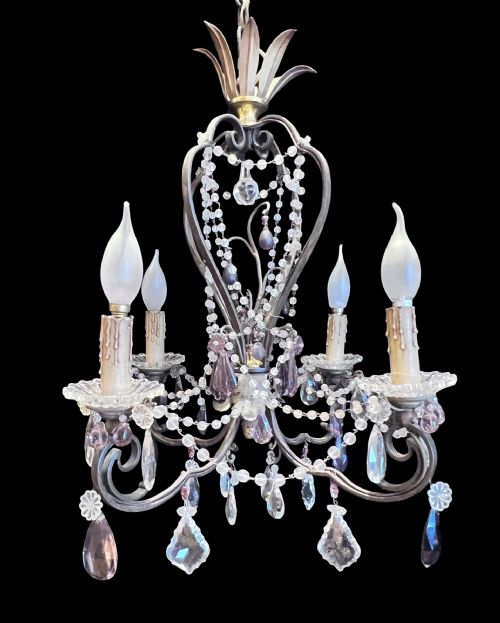
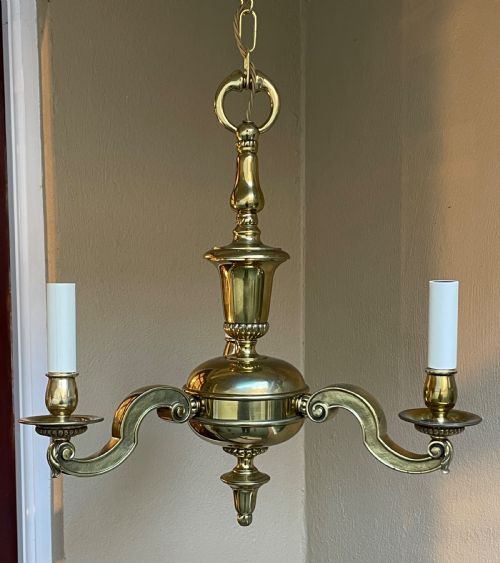
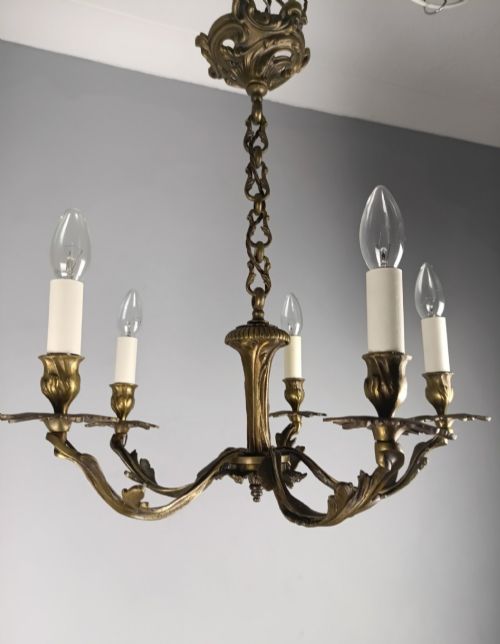
Traditional Ceiling Chandelier
A traditional ceiling chandelier transforms a room through suspended illumination, bringing period weight and intricate metalwork to the centre of a high interior.
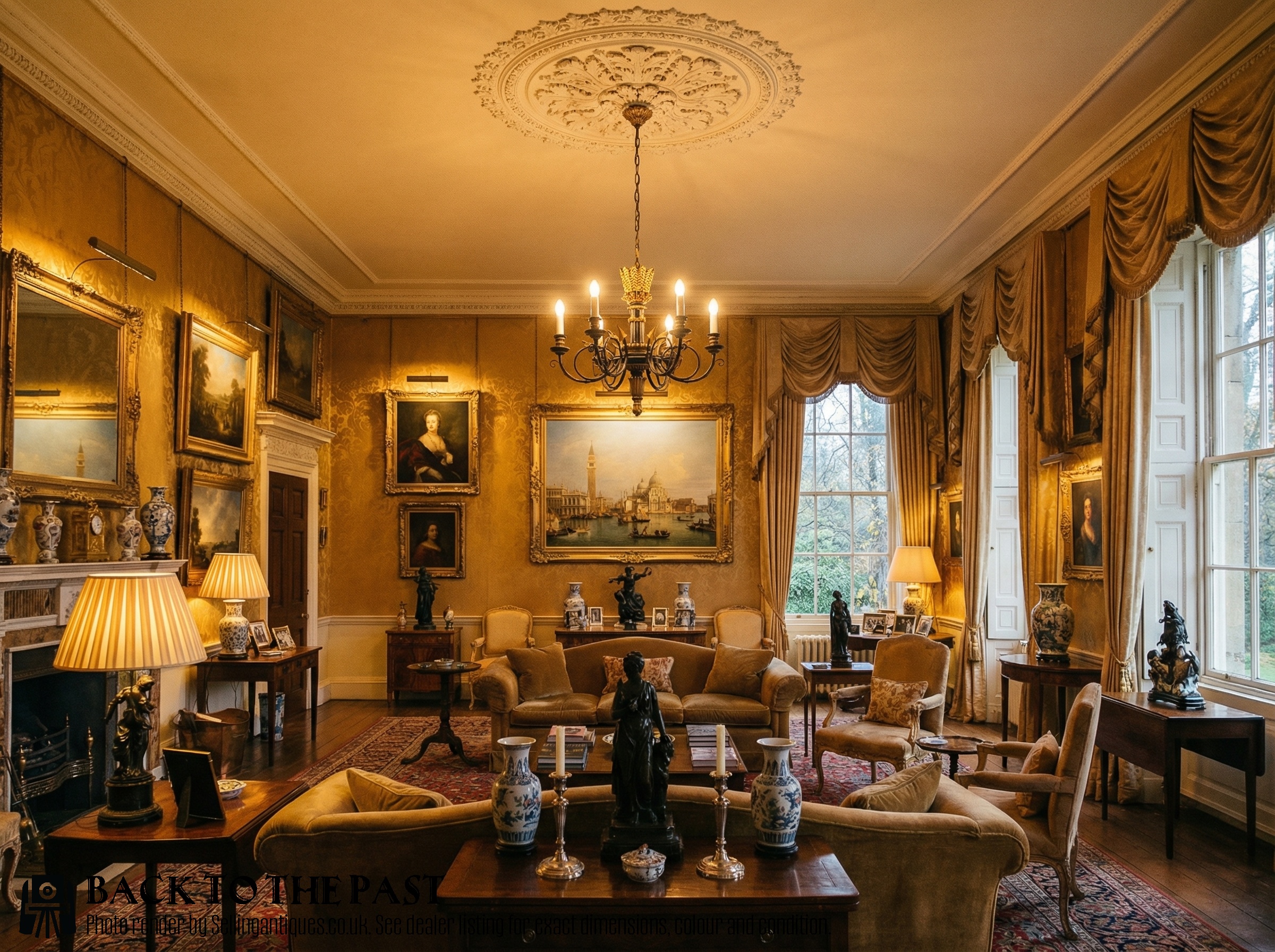
Traditional Ceiling Chandelier
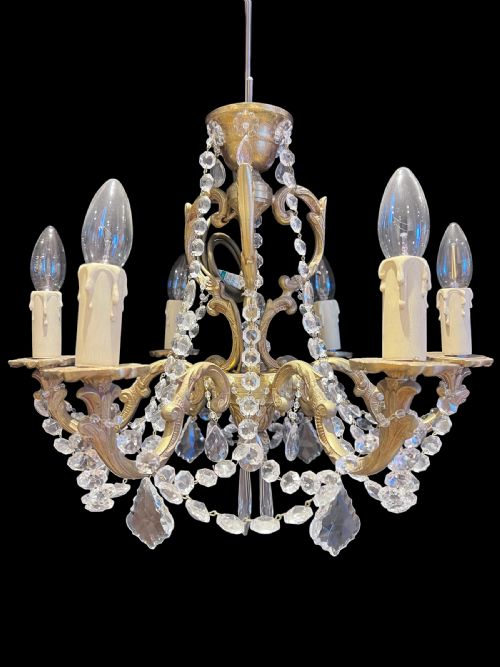
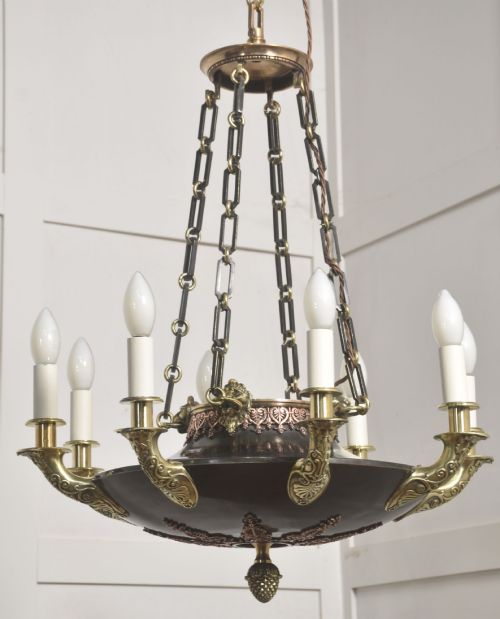
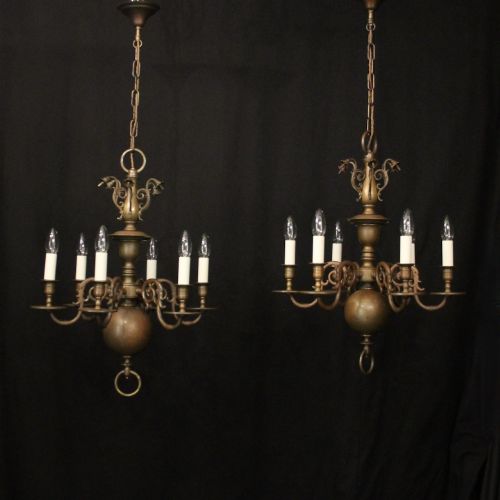
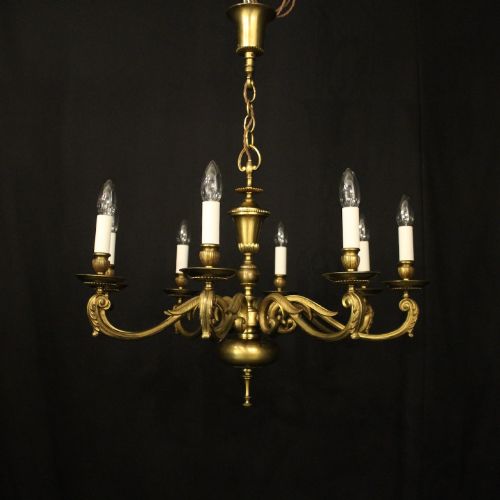
A traditional ceiling chandelier is a multi-armed hanging lighting fixture designed to illuminate large spaces from above. The selections here span from the nineteenth century through the early decades of the twentieth century, encompassing styles such as French Empire, Victorian, Edwardian, and Dutch Baroque.
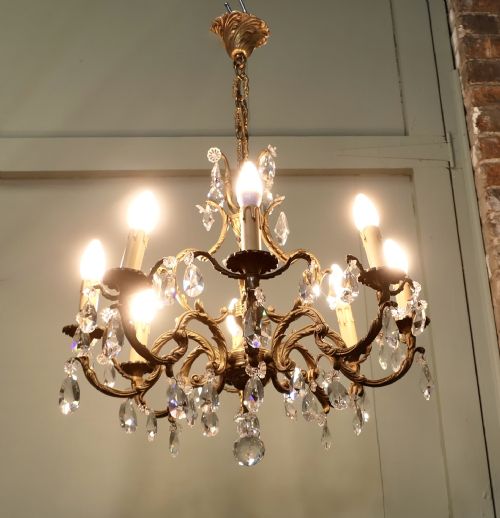
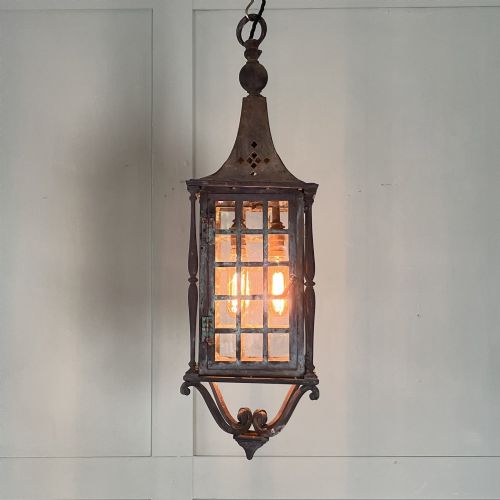
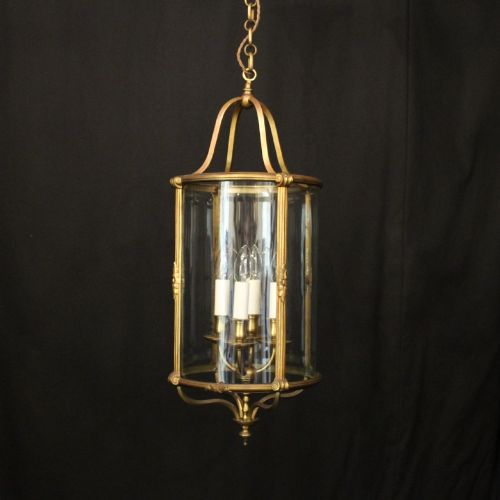
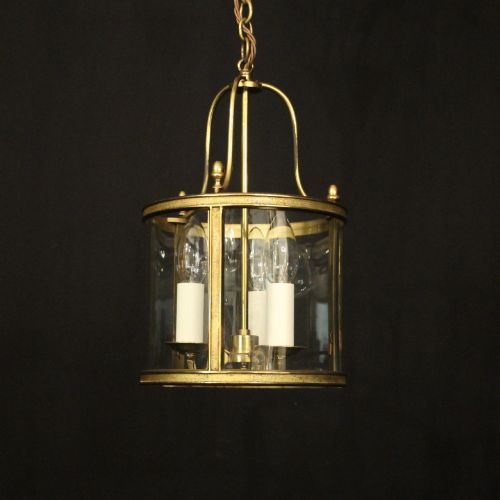
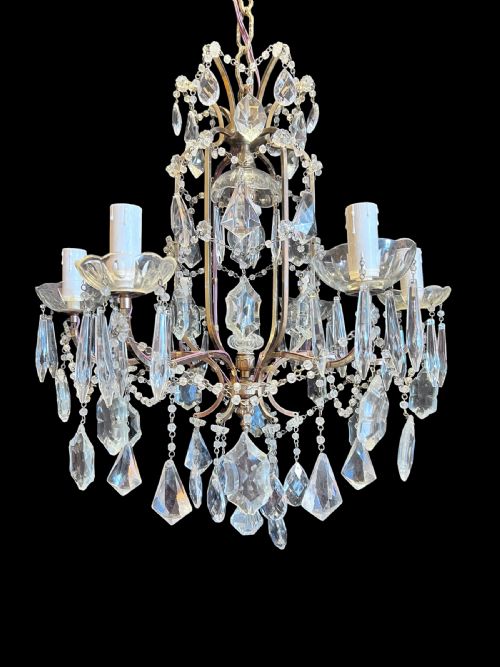
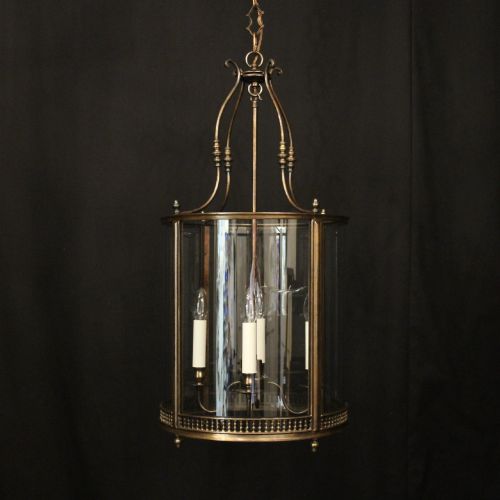
Buyers encounter numerous forms, ranging from multi-light brass and crystal centrepieces to smaller hall lanterns and pendant lights. French chateau and Florentine designs appear frequently alongside English and Italian variants, showing a strong preference for ornate metal framing and glass ornamentation.
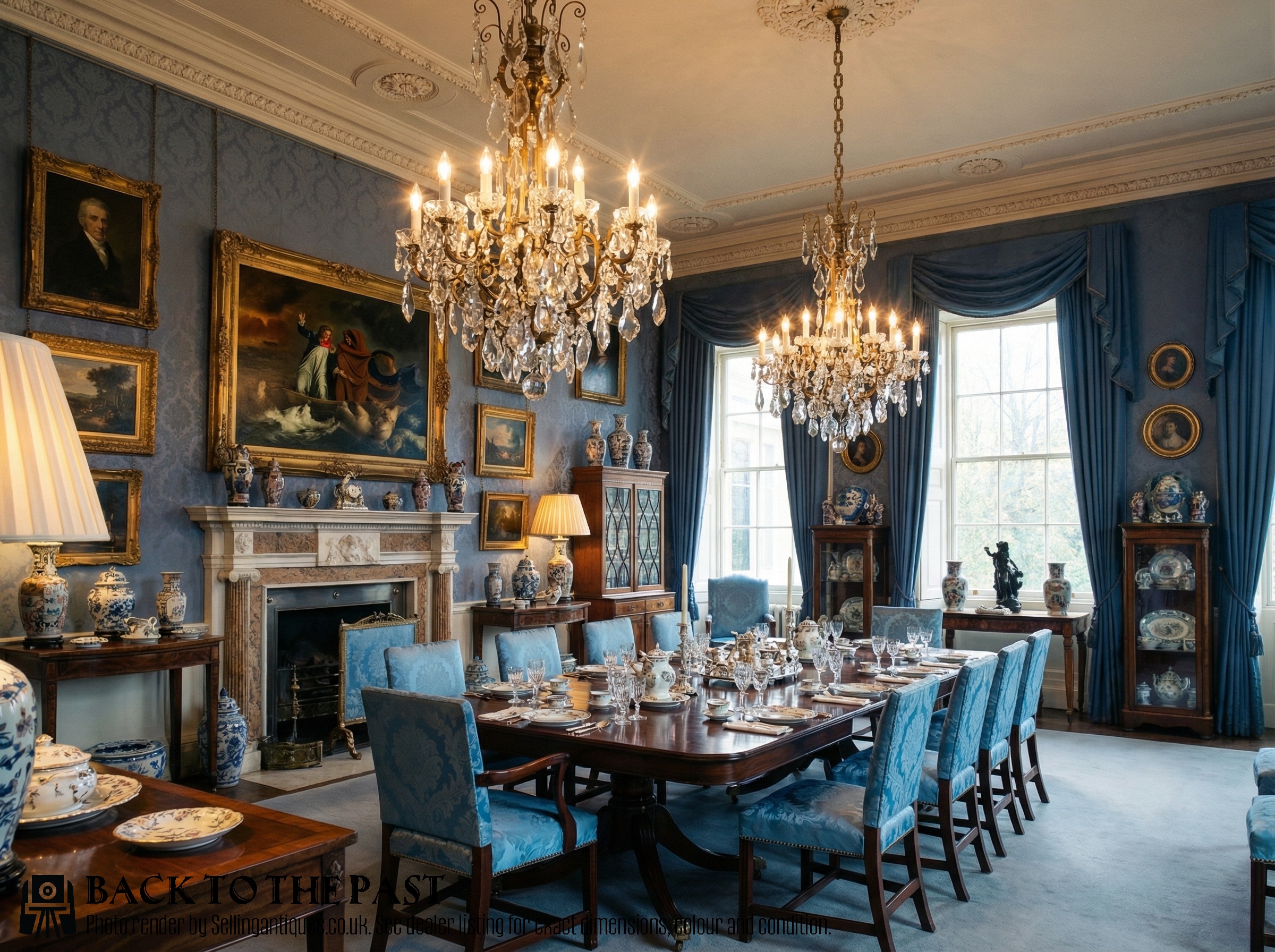
Materials and construction methods
Makers utilised cast and gilded brass, bronze, and copper to form the structural arms and bodies of these fixtures. Metalwork was frequently chased, polished, or given a dark bronze finish before assembly.
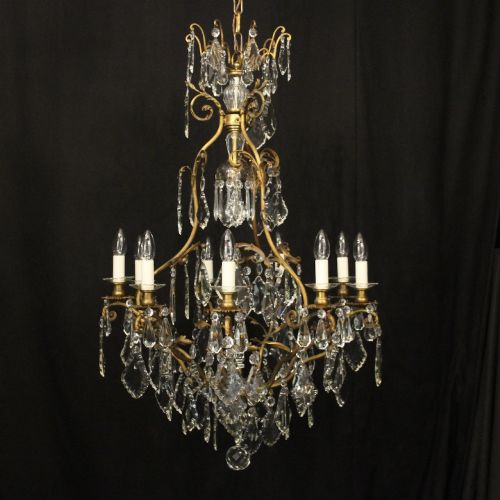
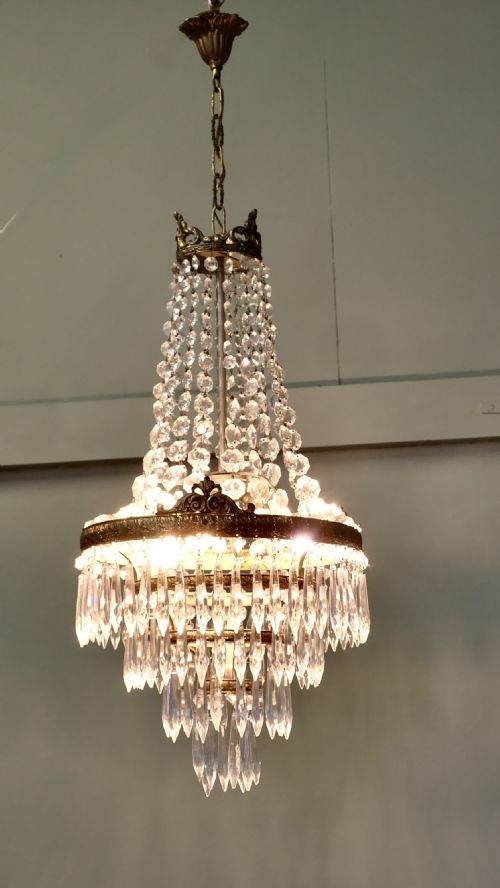
Crystal and cut glass elements, including lustres, beads, and waterfall drops, were suspended from the metal frames to refract light. Gesso and giltwood also appear in select nineteenth-century pieces to provide lighter decorative ornamentation.
Traditional Ceiling Chandelier Retail Price Guide 2026
Typical asking prices for traditional ceiling chandelier among the pieces listed under this phrase on Sellingantiques today, from the lower quarter to the upper quarter. They describe what is for sale here now, not the wider market.
Materials across these listings concentrate heavily on brass, bronze, and crystal, supplemented by copper, giltwood, and gesso.
Distinctions in craftsmanship
Quality rests in the crispness of the metal casting and the depth of the gilding or bronze patina. Finer examples display meticulous hand-chasing on the brass or bronze components, whereas simpler pieces rely on standard casting without secondary detailing.
The integration and clarity of the crystal components also divide the range. High-tier fixtures employ hand-cut glass and crystal drops with precise faceting, while more utilitarian pieces use pressed glass that diffuses light with less brilliance.
The Traditional Ceiling Chandelier Glossary
- Plafonnier
- A ceiling-mounted light fixture that sits relatively flush to the surface rather than hanging on a long drop. These often feature cut glass bowls or domes.
- Hall lantern
- An enclosed hanging light designed for entrances and corridors, typically constructed with glazed panels set within a brass or bronze frame.
- Tent and waterfall
- A specific cascading arrangement of crystal beads forming an upper tent shape that flows down into a wider waterfall configuration around the lights.
- Lustre
- A cut glass pendant or droplet hung from the arms of a chandelier to catch and reflect illumination.
- Gilt bronze
- Metal alloy coated with a layer of gold, providing a durable and luminous finish frequently employed in French lighting design.
Traditional Ceiling Chandelier: Frequently Asked Questions
How do I hang a traditional ceiling chandelier?
These fixtures require secure anchoring to ceiling joists using appropriate hooks and weight-bearing chains. Professional electrical installation ensures the internal wiring safely handles the multi-bulb load.
Position the fixture so the bottom clears standard walkway heights, or centre it directly above a dining table for optimal visual proportion and illumination.
What rooms suit a hall lantern?
Hall lanterns work well in entryways, stairwells, and narrow corridors where a flush or semi-flush hanging light provides adequate downward and ambient illumination without obstructing movement.
Their enclosed glass panels protect the interior components from drafts and dust in high-traffic transitional spaces.
How do I clean crystal drops?
Remove removable glass and crystal components individually and wash them in warm water with a mild detergent. Dry each piece thoroughly with a lint-free cloth before rehanging them on the frame.
Leave fixed crystal attached to the metal structure, wiping them carefully in place to avoid straining the delicate hanging wires.
How do I identify an Empire revival style?
Empire revival pieces draw on early nineteenth-century neoclassical motifs, featuring symmetrical metal frames, classical ornamentation, and substantial use of gilt bronze or brass.
They often incorporate structured arrangements of crystal drops, such as tent-and-waterfall formations, projecting a formal and architectural silhouette.