

Classic Ceiling Light
Classic ceiling light fixtures range from modest brass lanterns to grand crystal chandeliers that illuminate a room with historical character.
Classic Ceiling Light
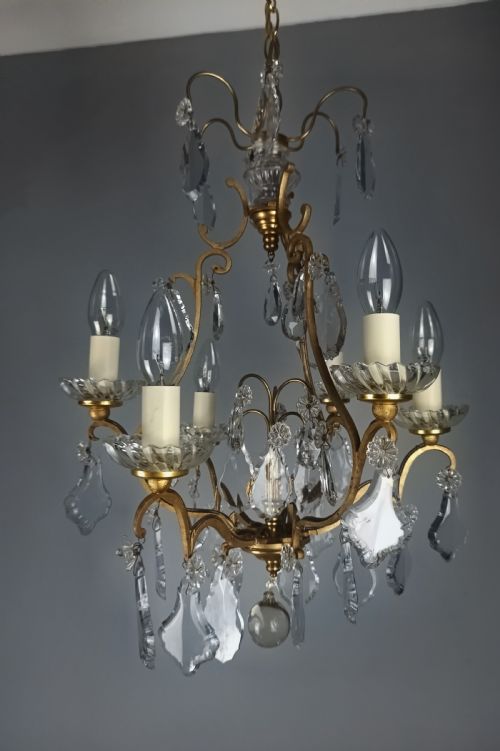
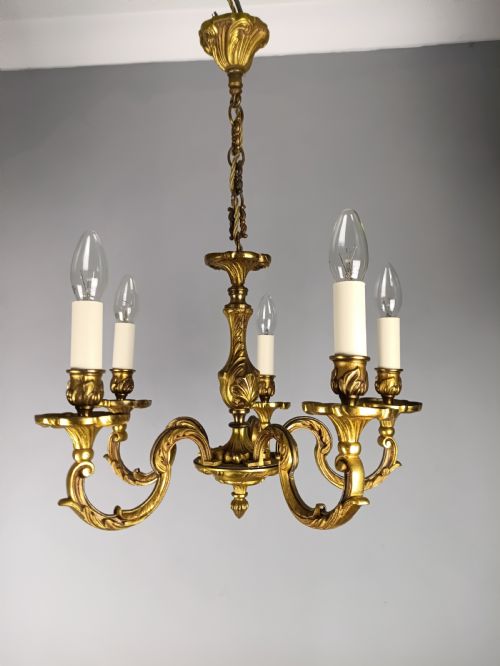
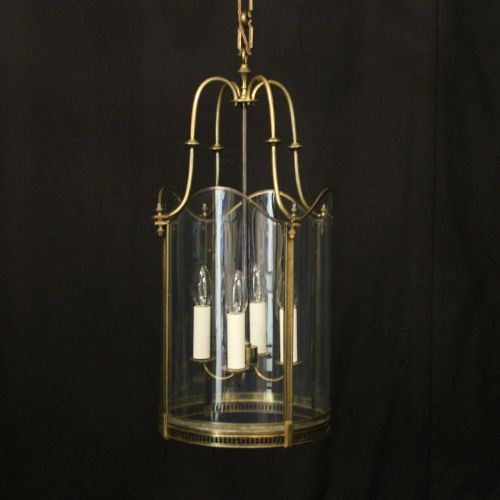
A classic ceiling light brings architectural illumination and period presence to a space, spanning forms from hanging lanterns to multi-armed chandeliers. When exploring a classic ceiling light selection, buyers encounter creations from the nineteenth century through the early decades of the twentieth century.
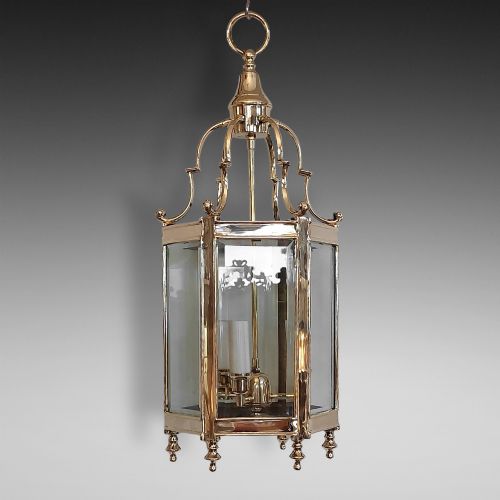
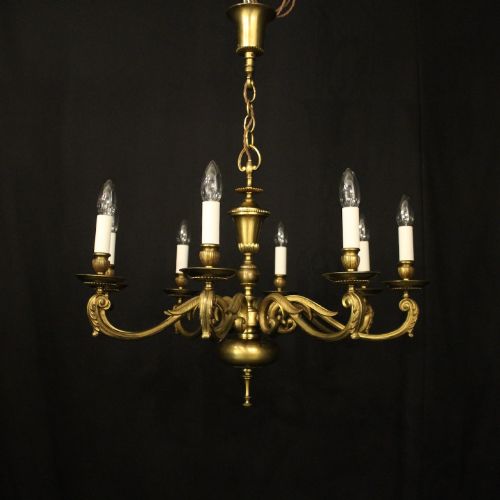
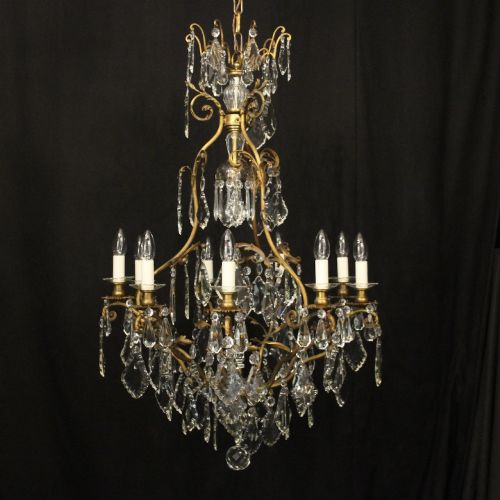
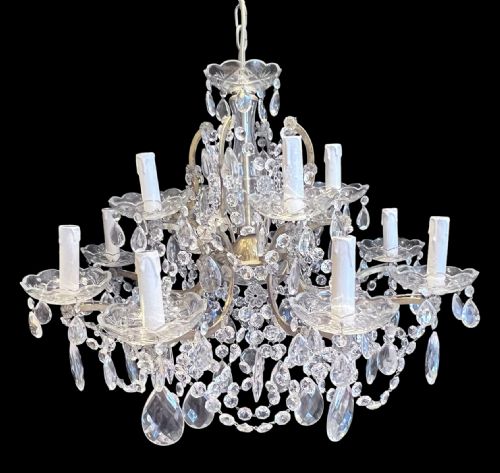
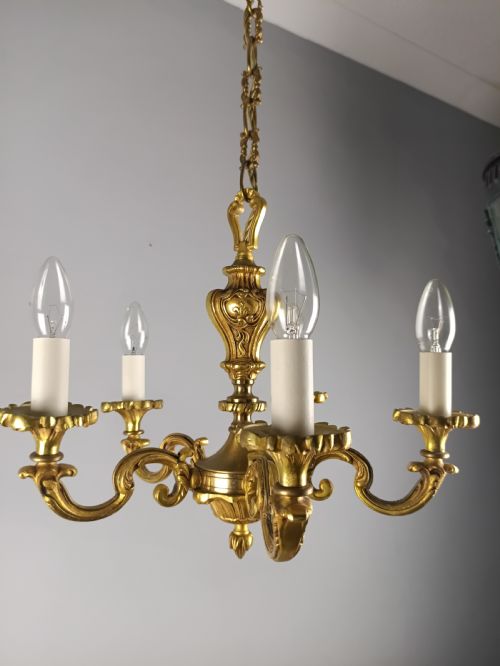
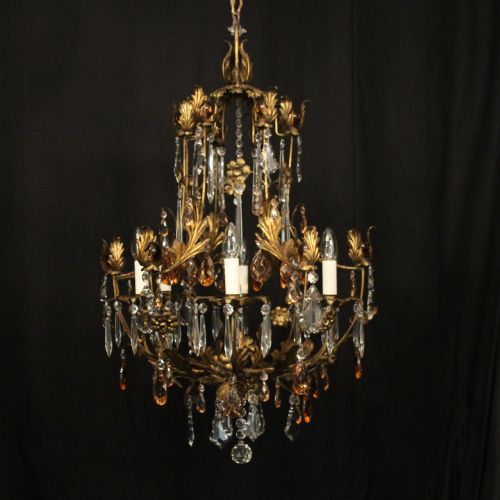
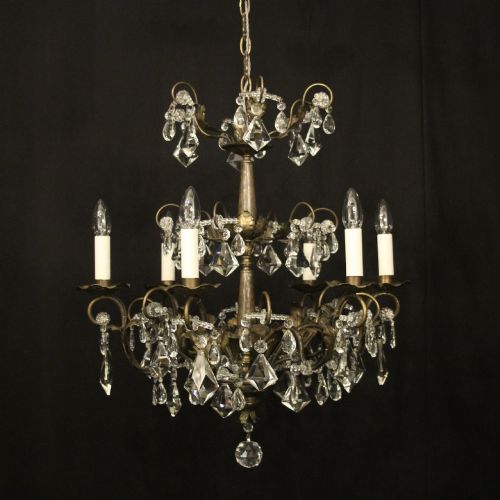
Lamps range from simple single-light pendants and hexagonal brass hall lanterns to sprawling twelve-light fixtures dripping with crystal drops. Each piece reflects the decorative priorities of its specific period, from Edwardian restraint to ornate French Rococo and Empire styles.
How they were made
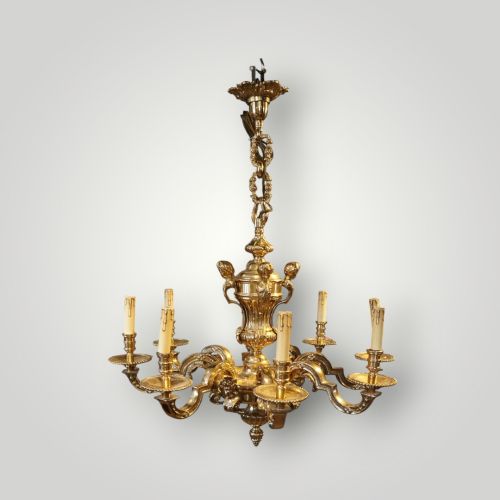
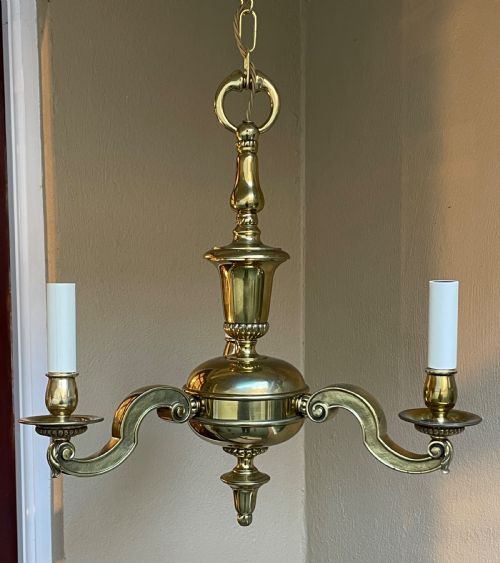
Metalworking forms the structural core of these fixtures, utilising cast brass, bronze, gilt metal, copper, and silver plating. Artisans shaped and chased metal frames to support heavy glass components and electrical or candle fittings.
Glass and crystal elements were individually cut, moulded, and hung by hand to refract light through drops, beads, and waterfall formations. Gilded bronze and gesso finishes were carefully applied to wooden or metallic surfaces to achieve rich decorative sheens.
Materials documented across the inventory include cut glass, crystal, brass, gilt bronze, gesso, and silver-plated metal.
What varies in quality
The refinement of the casting and the depth of the metal chasing set finer pieces apart from standard production. Crisp detailing in gilt bronze or cast brass indicates skilled workshop execution.
The clarity and cut of the crystal or glass elements influence how brilliantly the fixture refracts light. Complete sets of matching prisms and substantial metal gauges elevate the overall integrity of a chandelier or lantern.
G.E.C
The Classic Ceiling Light Glossary
- Chandelier
- A branched hanging light fixture designed to hold multiple lamps or candles. These fixtures often incorporate elaborate glass or crystal drops.
- Gilt Bronze
- Bronze metal coated with a thin layer of gold or gold-coloured alloy. This technique provides a durable and decorative metallic finish.
- Marie Theresa
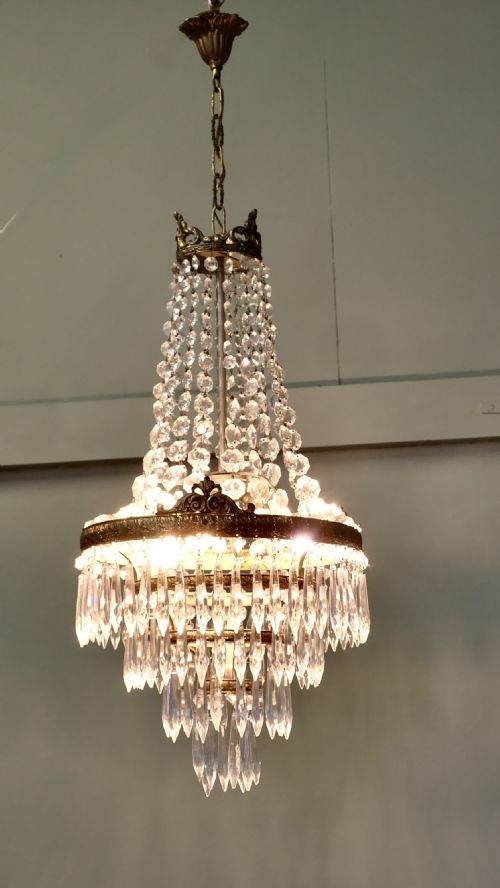
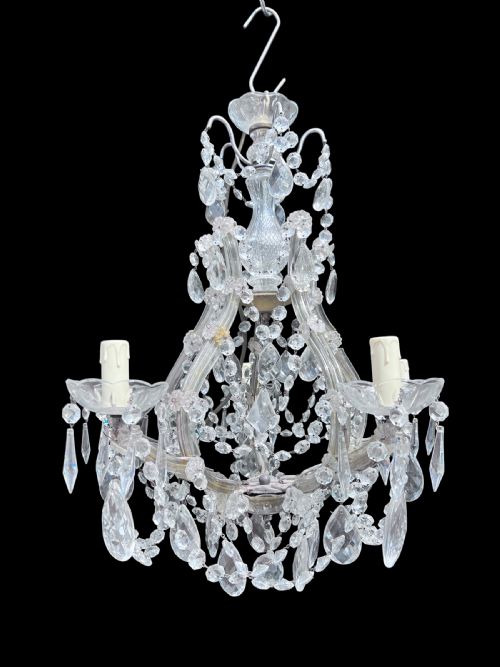
- A distinct style of chandelier characterised by a flat metal framework completely covered by glass plates and hung with crystal garlands. This design gained popularity in Central Europe.
- Tent and Waterfall
- A lighting configuration featuring an upper tent-like section of cascading crystal beads dropping down to a lower tier. It creates a dense curtain of sparkling glass.
- Hall Lantern
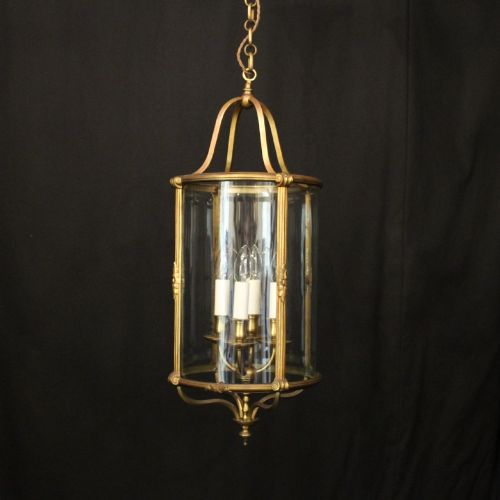
- An enclosed hanging light designed specifically for entryways and corridors. They frequently utilise bevelled glass panels set within brass or bronze frames.
Classic Ceiling Light: Frequently Asked Questions
How do I choose the right size ceiling light?
Consider the scale of the room and the height of the ceiling when selecting a fixture. Larger spaces accommodate multi-armed chandeliers or expansive crystal drops, while smaller hallways suit compact lanterns.
Ensure adequate clearance beneath the hanging point for foot traffic below. Proportion remains the primary guide for achieving visual balance.
What is a Marie Theresa chandelier?
A Marie Theresa chandelier is a distinct European lighting style defined by flat metal bands covered in glass strips. Crystal garlands and drops drape across the structural frame to obscure the metalwork.
These pieces offer a bright, reflective appearance that became synonymous with grand interior illumination.
How do I date an antique ceiling light?
Dating relies on examining the materials, construction methods, and stylistic motifs present in the piece. Edwardian and early twentieth-century designs often combine traditional casting with early electrical wiring adaptations.
Nineteenth-century examples frequently show heavier bronze casting and hand-cut crystal prisms characteristic of earlier manufacturing techniques.
Where should I hang a hall lantern?
Hall lanterns suit entranceways, stairwells, and narrow corridors where directional hanging light is required. Their enclosed glass sides protect the light source from drafts while illuminating transitional spaces.
Choosing a hexagonal or convex brass design adds architectural focus to these smaller domestic areas.