




Traditional Caucasian Floor Rug
These traditional caucasian floor rug pieces bring geometric wool patterns into rooms, offering tangible history and enduring floor coverings.
Traditional Caucasian Floor Rug
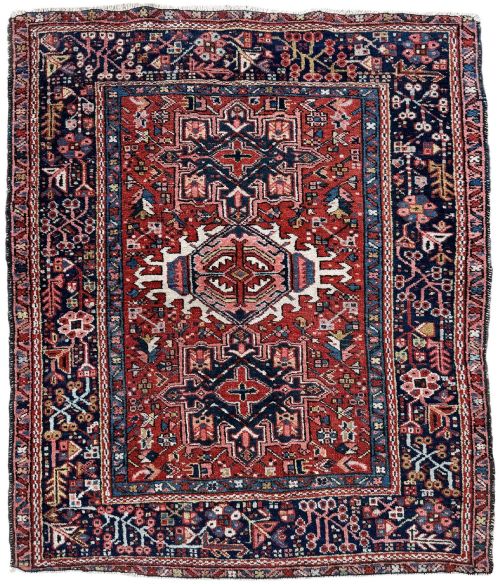
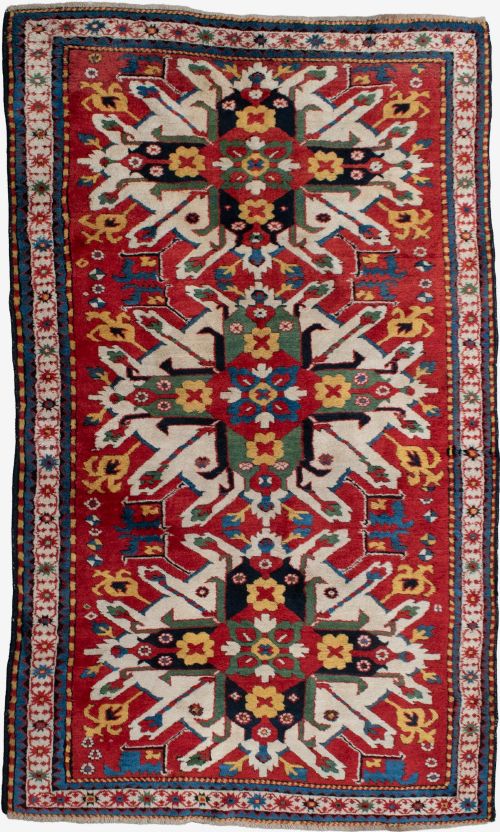
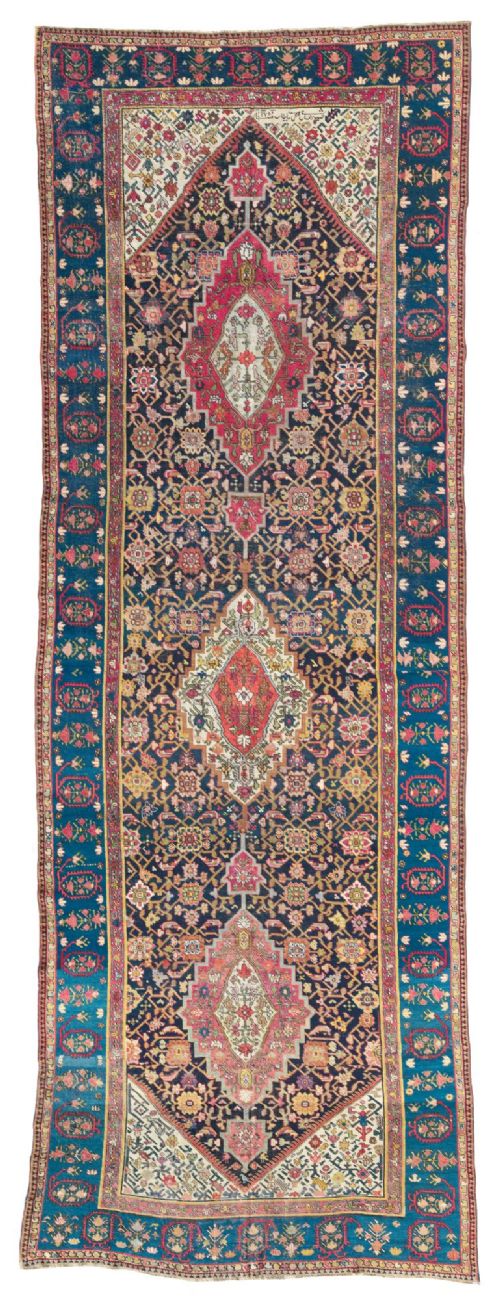
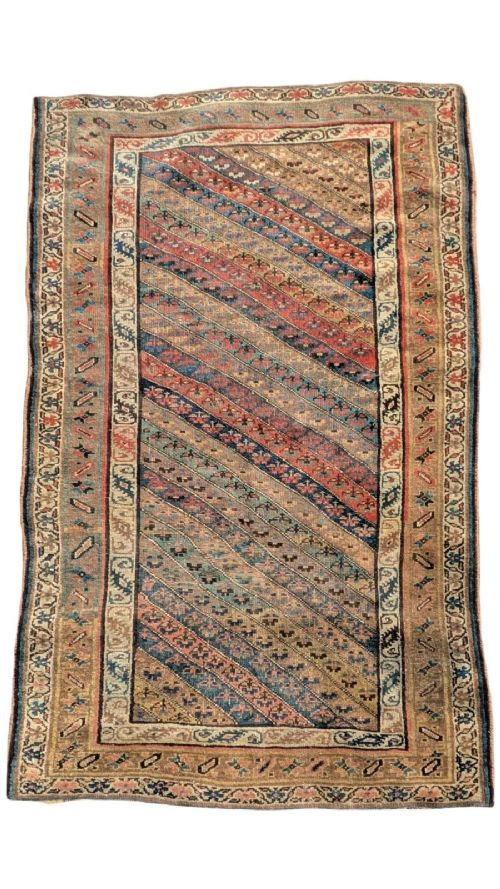
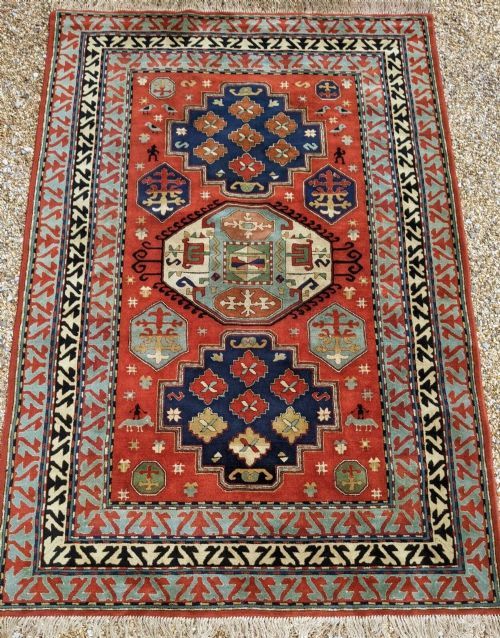
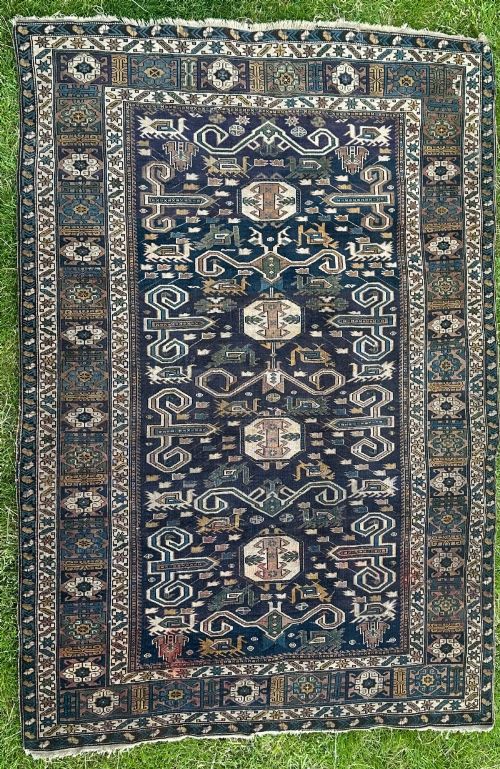
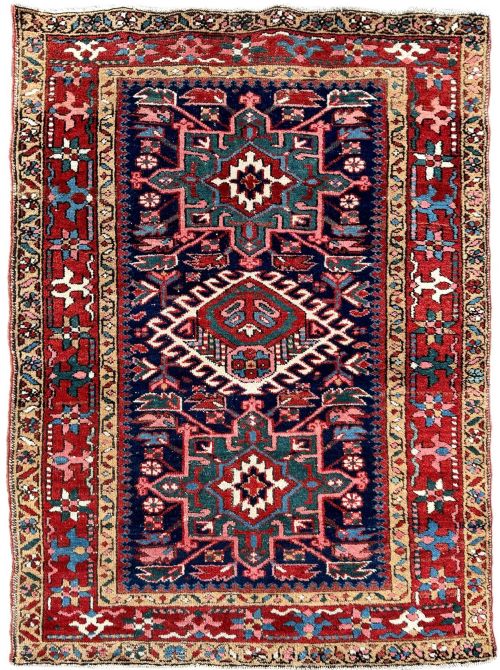
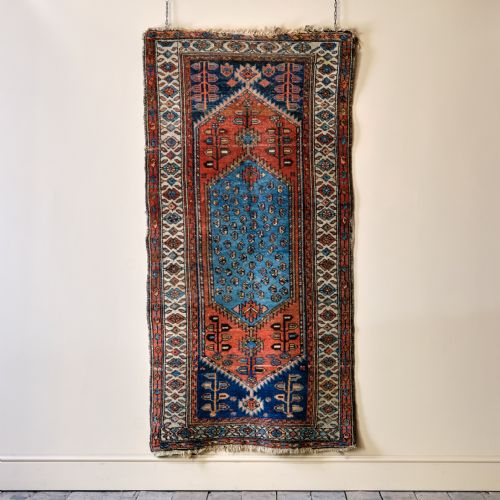
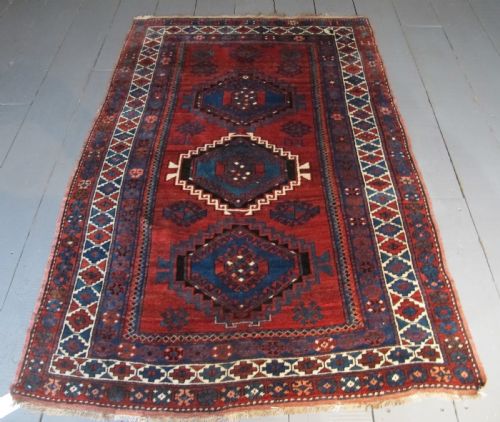
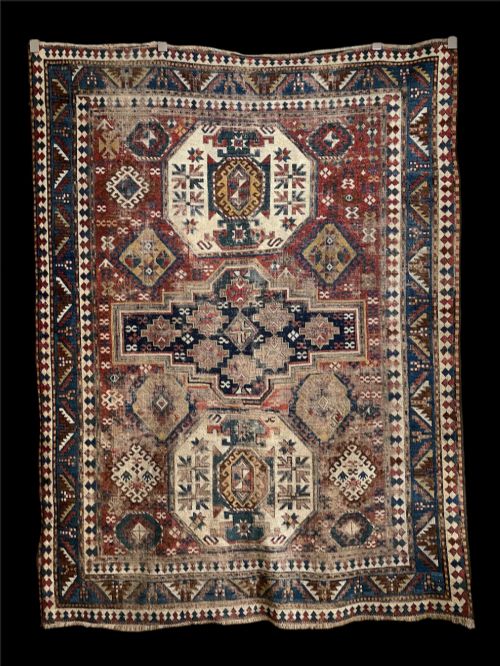
A traditional caucasian floor rug represents the nomadic and village weaving traditions of the Caucasus region and surrounding areas. Buyers searching this phrase encounter floor coverings, area rugs, hallway runners, and larger carpets originating from the nineteenth and early twentieth centuries. The selection spans distinct styles including Kazak, Shirvan, Karabagh, and Kurdish designs, alongside related tribal pieces from Persia.
Most examples found on this page date from the late nineteenth century up to the 1930s, reflecting hand-knotted and flat-woven construction methods. Village and tribal weavers produced these items for domestic use, incorporating motifs such as Lezghi stars, geometric medallions, and animal figures. Forms range from compact prayer rugs to long hallway runners and substantial room-sized carpets.
How They Were Made
Makers utilised wool and hand-spun wool for the pile, set against sturdy cotton or wool foundations. Hand-knotted and flat-weave techniques dominate these pieces, ensuring dense structures capable of withstanding generations of foot traffic. Artisans tied symmetrical or asymmetrical knots by hand, building up intricate patterns row by row.
Natural dyeing traditions provided rich colour palettes for the wool and cotton materials. Weavers constructed flat-weave kilims and soumak carpets using alternative interlocking or wrapping techniques without a cut pile, creating durable, lighter textiles.
The inventory spans eight distinct decades, ranging from the 1870s through to the 1930s.
What Varies In Quality
Knot density and structural integrity separate robust examples from fragile ones. Finer pieces demonstrate precise execution in geometric motifs and secure edge bindings, while heavier wear alters the pile height and foundation visibility.
The clarity of traditional designs and the retention of hand-spun wool qualities distinguish regional variations. The skill of the original weaver dictates the crispness of tribal patterns and the overall resilience of the textile.
The Traditional Caucasian Floor Rug Glossary
- Pile
- The vertical or diagonal loops of wool that form the upper surface of a rug. This forms the soft layer that walkers step upon.
- Soumak
- A flat-weave technique where coloured threads wrap over and under the warp threads. This creates a durable structure without a cut pile.
- Kelleh
- A large, elongated format of carpet traditionally suited for narrow rooms. These rectangular floor coverings display grand tribal medallions.
- Prayer rug
- A small textile featuring a central niche or arch design indicating the direction of prayer. Weavers produced these for personal devotional use.
- Warp
- The vertical foundation threads stretched lengthwise on the loom. Weavers tie the rug knots directly onto these parallel strings.
Traditional Caucasian Floor Rug: Frequently Asked Questions
How do I clean an old wool rug?
Gentle surface brushing and professional specialist washing preserve the delicate hand-spun wool fibres. Avoid harsh chemical treatments that strip natural dyes.
Regular vacuuming without a rotating power head prevents dust accumulation in the pile foundation.
Can I place these rugs in hallways?
Long runner formats fit narrow corridors and high-traffic entrance areas effectively. Using a proper underlay prevents slipping and cushions the foundation against hard floors.
Rotating the floor covering periodically ensures even wear across the wool surface.
What defines a Kazak design?
Kazak rugs originate from the western Caucasus, displaying bold geometric polygons and primary block colours. Their distinctive tribal patterns use saturated wool dyes for high visual contrast.
Weavers structured these pieces with sturdy hand-knotted construction methods typical of mountain workshops.
How are different regional styles told apart?
Shirvan pieces typically feature finer geometric details and balanced borders, whereas Karabagh rugs often present floral or medallion motifs on darker grounds. Examining the knotting style and wool texture reveals the probable origin district.
Local village weavers passed down specific colour combinations through generations.