


Traditional Cast Iron Grate
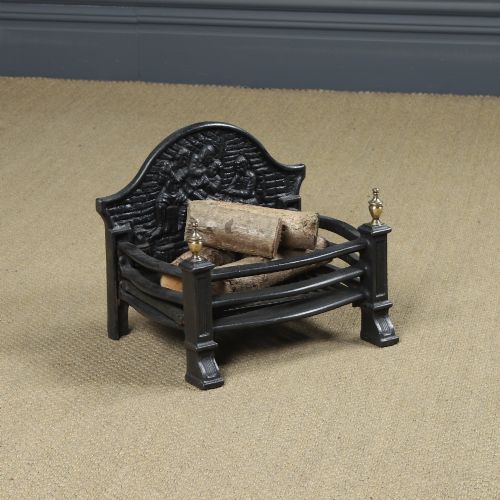
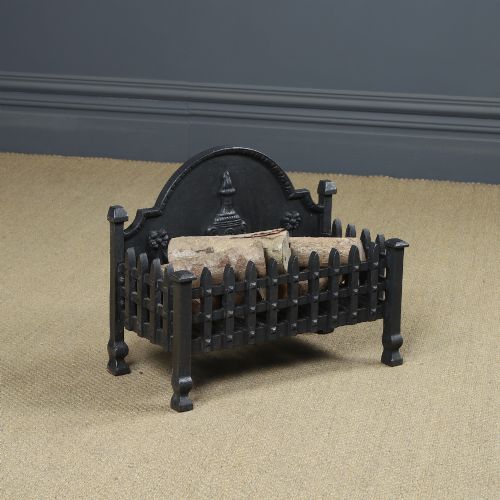
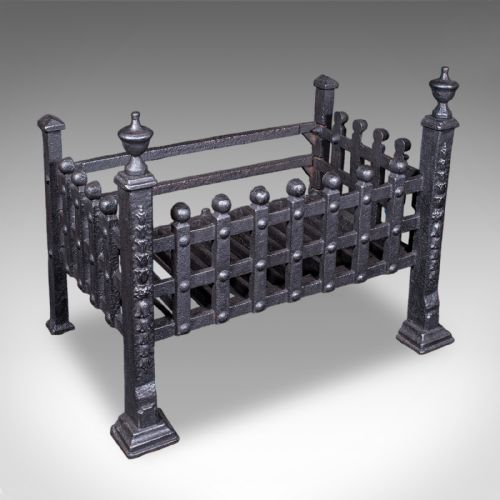
A traditional cast iron grate anchors an inglenook or hearth, providing heavy metalwork built to hold burning logs and coal.
Traditional Cast Iron Grate
A traditional cast iron grate functions as a heavy hearth insert, fire basket, or log holder designed for solid fuel fires. When searching for this phrase, buyers encounter robust metal frameworks originating from the Georgian, Regency, and Victorian periods, alongside later twentieth-century interpretations.
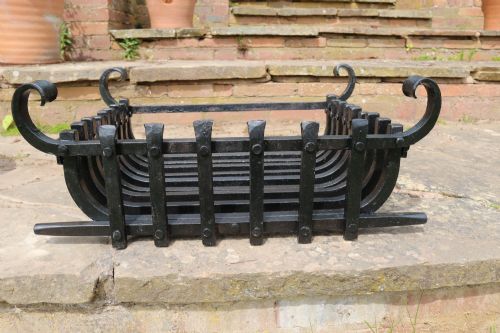
The selections on this page span simple small proportions up to very heavy inglenook variants paired with andirons. Pieces emerge in forms including register grates, fire baskets, and complete hearth sets featuring fenders and firebacks.
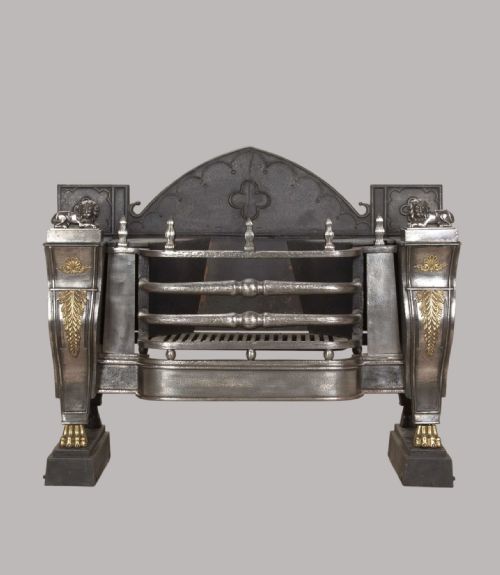
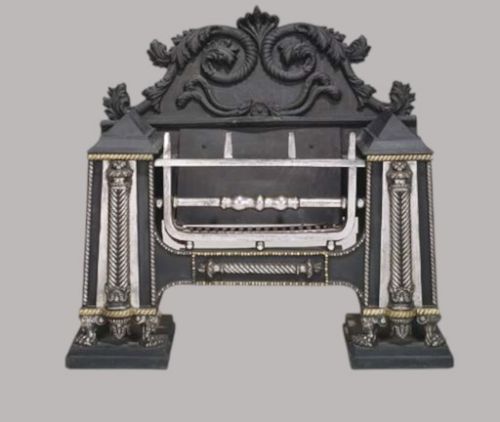
Makers and designers drew upon distinct historical idioms, producing items in Gothic Revival, Neoclassical, Adam style, and Arts and Crafts aesthetics. These variations allow the metalwork to complement period fireplaces ranging from austere eighteenth-century designs to ornate nineteenth-century masonry surrounds.
Distinctions in construction and design
Quality rests in the heft and thickness of the castings and the integrity of the wrought iron framing. Superior examples display crisp detailing in classical motifs, clean lines in Gothic or Regency forms, and substantial weight that indicates robust proportions.
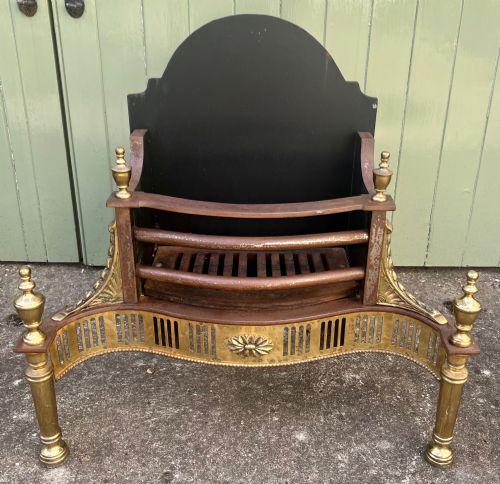
The distinction between standard utility grates and superior models lies in the integration of decorative elements like brass mountings, firebacks, and matched andirons. Heavier inglenook assemblies and refined classical proportions command attention for their presence and architectural ambition.
Some heavy fire baskets arrive accompanied by mulling andirons, ready to warm spiced ale beside the flames.
The Traditional Cast Iron Grate Glossary
- Hob grate
- A fireplace grate featuring flat iron ledges on either side of the fire basket for keeping kettles warm. This form dominated late eighteenth and early nineteenth-century interiors.
- Andirons
- Supporting metal fire dogs placed on either side of a hearth to hold logs above the floor of the fireplace. They frequently accompany large fire baskets in deep inglenooks.
- Fireback
- A heavy cast iron plate placed at the back of a fireplace to protect the masonry and reflect heat forward into the room. They often feature moulded classical or heraldic designs.
- Register grate
- An iron fireplace insert equipped with a flap or damper to control the draught escaping up the chimney. These units fitted directly into the fireplace opening during the nineteenth century.
- Fire basket
- An open metal basket designed to contain coal or wood logs within a hearth. They appear in both floor-standing and hearth-fitted formats.
Traditional Cast Iron Grate: Frequently Asked Questions
How do I choose the correct size?
Measure the opening of your fireplace carefully, noting both the width at the front and back, as well as the depth available on the hearth.
Traditional grates vary from small proportions suitable for bedroom fireplaces to massive inglenook pieces that require substantial floor space.
Can these grates burn real wood?
Most of these pieces were engineered specifically for solid fuel combustion, including wood logs and coal, utilising thick cast iron to absorb heat.
Heavier fire baskets and log grates handle timber easily, provided the hearth and chimney setup meets modern safety standards.
How do I clean cast iron?
Remove ash and debris regularly with a soft brush to prevent moisture retention and subsequent surface corrosion on the metal.
Avoid harsh chemical cleaners, relying instead on dry brushing and specialised grates polish applied sparingly to maintain the dark finish.
Are andirons necessary?
Andirons are optional depending on the specific form of the grate you select, as many register grates and fire baskets stand independently.
When paired with andirons, larger iron baskets gain elevated positioning and extra structural support within wide hearths.