



Traditional Carved Settee
A traditional carved settee brings solid timber frames and deep upholstery together, offering substantial seating with historic character for any room.
Traditional Carved Settee
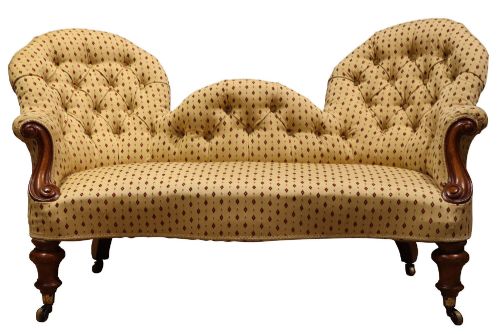
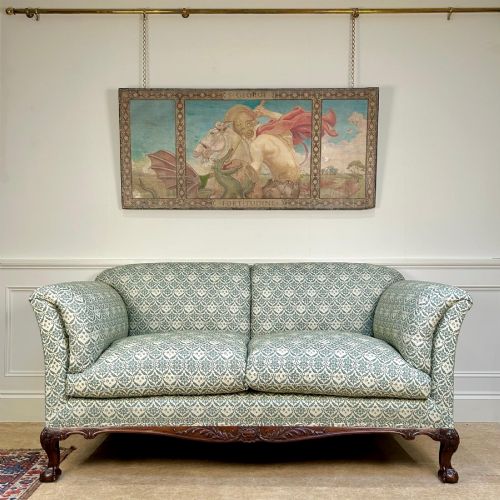
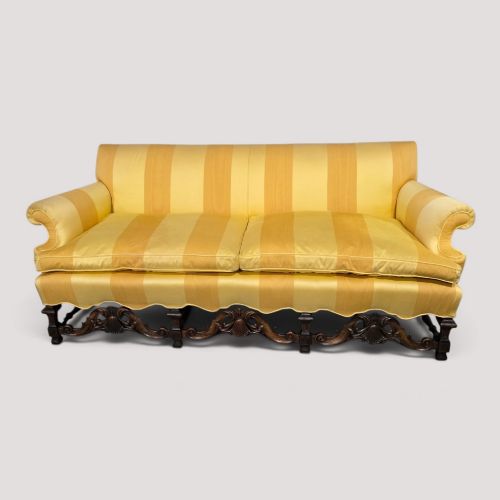
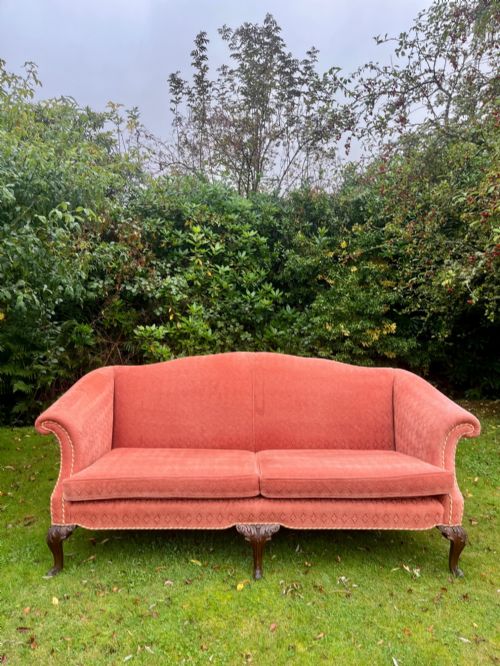
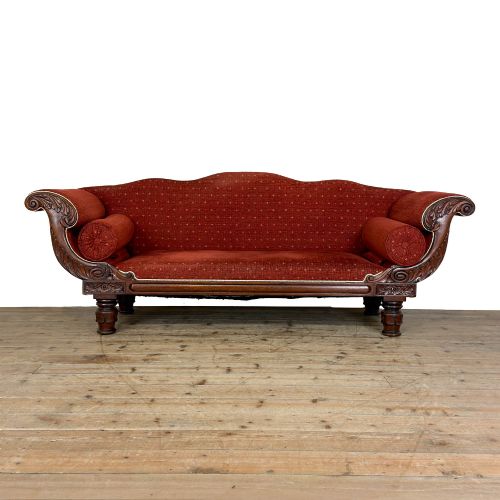
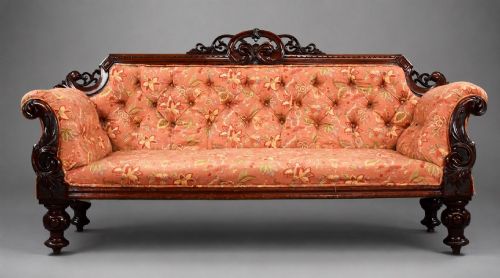
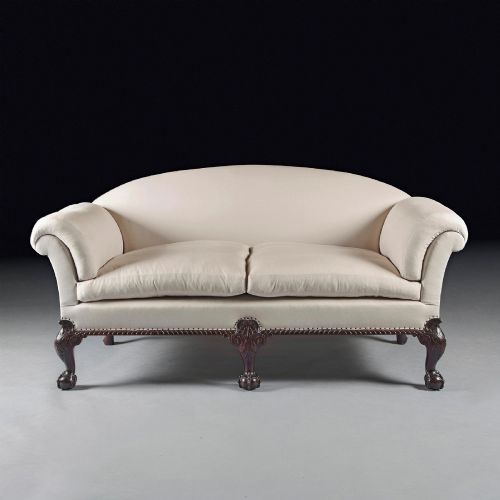
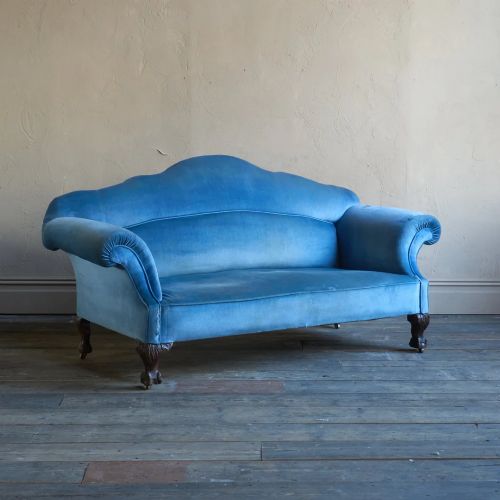
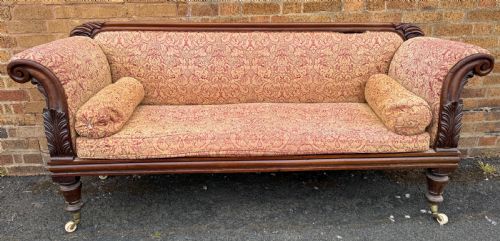
A traditional carved settee encompasses a variety of multi-seat timber forms ranging from Victorian and Edwardian examples to Regency and Georgian styles. These pieces appear as double-ended sofas, camel back designs, and scroll-end frames, often utilising mahogany, walnut, or rosewood.
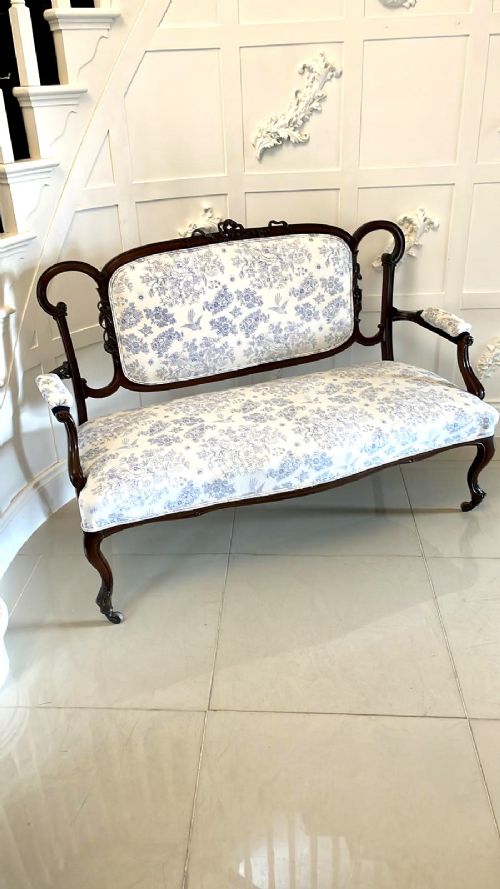
The version most commonly met on this page is the 19th-century or Victorian carved mahogany settee, frequently featuring detailed woodwork and fabric upholstery. Alongside these, buyers encounter Edwardian inlaid pieces and revival styles reflecting Chippendale and Hepplewhite influences.
Materials and Construction
Makers constructed these frames from hard timbers such as mahogany, walnut, oak, and rosewood, applying detailed hand-carved ornamentation to arms, rails, and legs. Brass fittings and ebonised details occasionally accent the primary wood structure.
Upholstery techniques involve Hessian webbing and sprung bases finished with fabrics including velvet, brocade, leather, and plain textiles. Feathers or traditional stuffing provide the interior cushioning for these deep seats.
Traditional Carved Settee Retail Price Guide 2026
Typical asking prices for traditional carved settee among the pieces listed under this phrase on Sellingantiques today, from the lower quarter to the upper quarter. They describe what is for sale here now, not the wider market.
Several pieces include drop-arm mechanisms that transform a formal parlour seat into an impromptu daybed.
Judging Quality and Execution
Quality rests in the crispness and depth of the timber carving, the choice of dense hardwoods, and the integrity of the underlying frame construction. Finer examples display balanced proportions and sophisticated revival details rather than plain or heavy joinery.
The standard of upholstery and the selection of covering materials further distinguish the range, as deeply sprung bases and luxury fabric choices elevate a piece from basic utility to high-end reception seating.
Howard and Sons·Morison & Co - Edinburgh·liberties retail
The Traditional Carved Settee Glossary
- Camel back
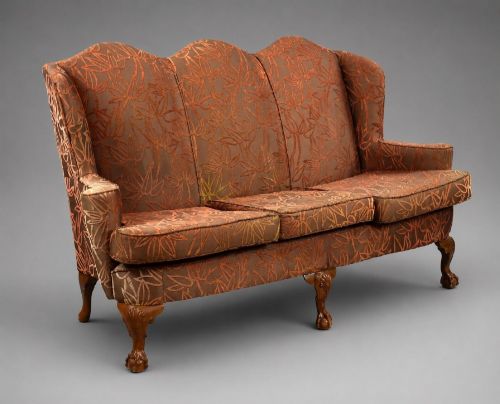
- A sofa or settee featuring a graceful, undulating curved top rail reminiscent of a camel's hump. This profile is frequently seen on Chippendale and revival pieces.
- Scroll-end
- An arm design that rolls outward in a tight scroll shape. It appears commonly on Regency and William IV mahogany frames.
- Bergere
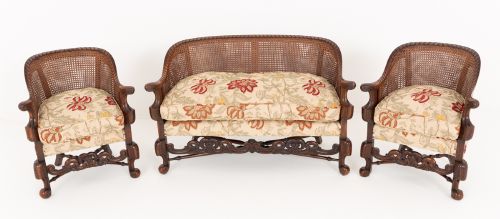
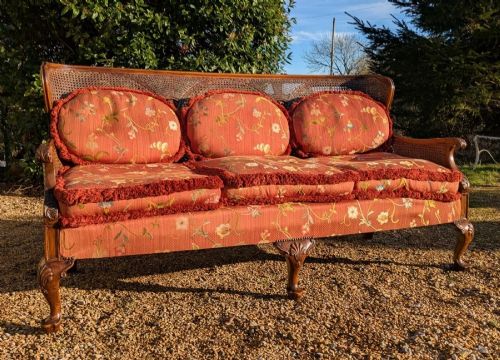
- An enclosed upholstered armchair or sofa featuring woven cane panels on the sides or back. These frames often include loose feather cushions.
- Knole sofa
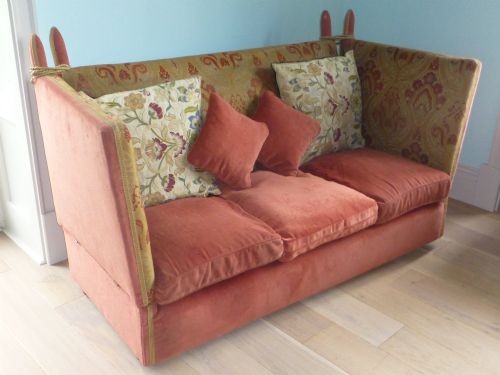
- A historic style characterised by hinged or drop arms that can be adjusted to various angles. The original iterations inspired later Victorian upholstered interpretations.
- Chippendale style
- A decorative design movement drawing on the 18th-century cabinet-making style of Thomas Chippendale, typically exhibiting carved cabriole legs, ball and claw feet, and intricate fretwork.
Traditional Carved Settee: Frequently Asked Questions
What is a traditional carved settee?
A traditional carved settee is a wooden multi-seat sofa featuring decorative hand-carved woodwork, upholstered cushions, and historic styling from periods like the Georgian, Regency, and Victorian eras.
These pieces function as primary seating arrangements in reception rooms, drawing rooms, and hallways, combining structural timber frames with soft textile coverings.
How do I identify a Victorian settee?
Victorian settees typically display darker mahogany or walnut frames with robust carved details, heavy upholstery, and often button-tufted or brocade fabric coverings.
They frequently incorporate design elements such as scroll ends, balloon backs, or exposed polished wood rails along the crest and arms.
What woods were used for these settees?
Cabinet makers predominantly utilised dense hardwoods including mahogany, walnut, oak, and rosewood for the structural frames and decorative carved elements.
Some regional or country house pieces utilise simulated rosewood or painted finishes over simpler timber bases to achieve a decorative aesthetic.
Can I use a historic settee daily?
Many historic settees remain structurally robust and comfortable for daily seating, provided the internal webbing, springs, and upholstery have been properly maintained or restored.
Checking the stability of the mahogany or walnut frame helps ensure the piece can safely accommodate regular use in a modern household.