


Traditional Canvas Artwork
Traditional canvas artwork brings oil paint and stretcher bars together to record portraits, landscapes and still life across centuries.
Traditional Canvas Artwork
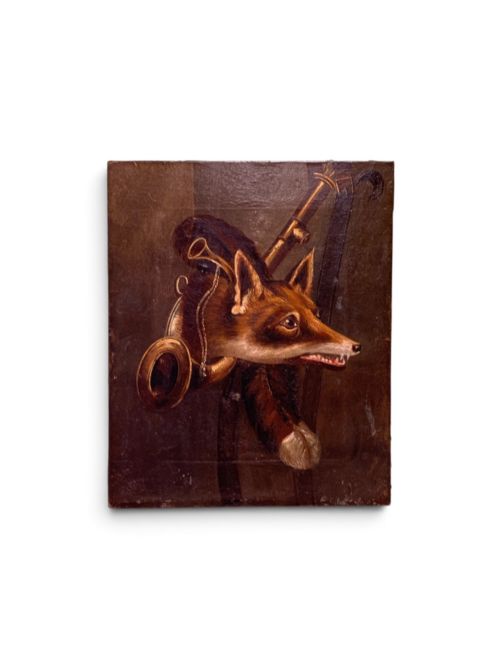
Traditional canvas artwork centres on oil paintings executed on woven fabric supports, spanning portraits, landscapes, seascapes and still-life subjects. Buyers seeking this phrase encounter works ranging from nineteenth-century British and French school pieces to early twentieth-century compositions.
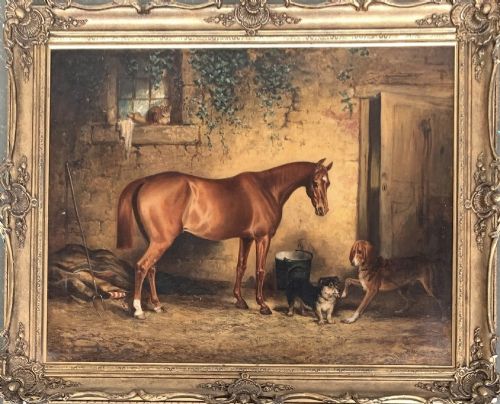
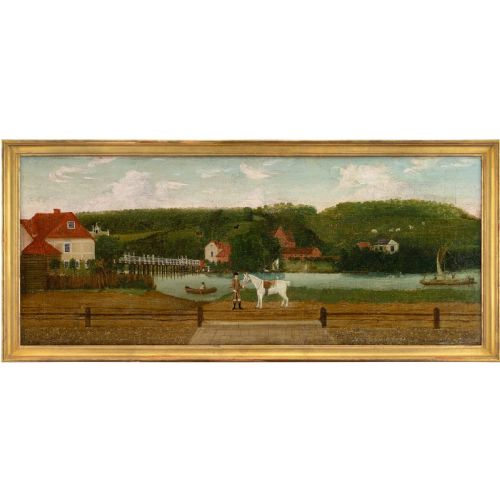
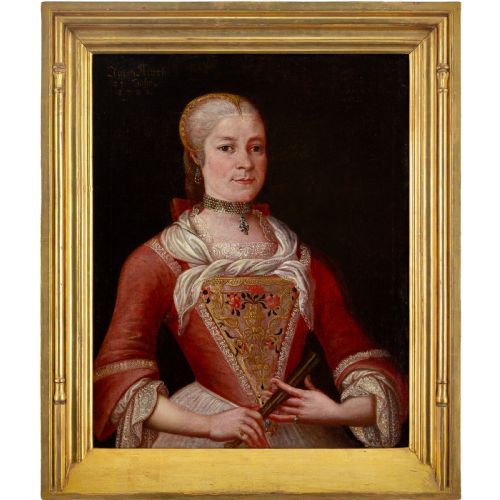
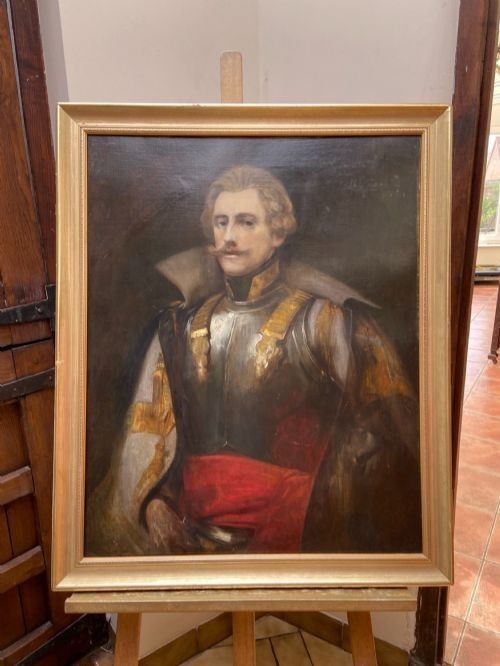
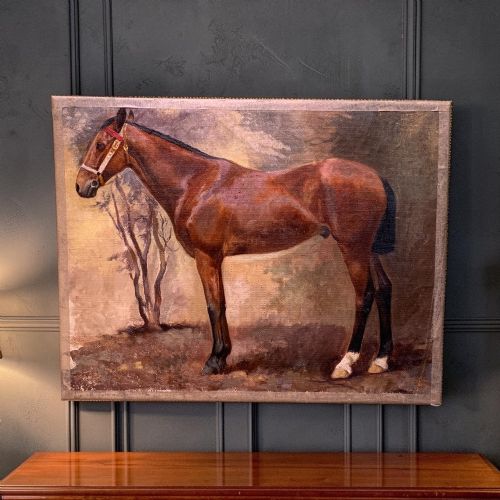
The selection on this page relies heavily on nineteenth-century creations, alongside examples from the eighteenth, Regency and mid-twentieth centuries. These paintings take forms such as framed wall art, marine scenes, equine studies and floral arrangements.
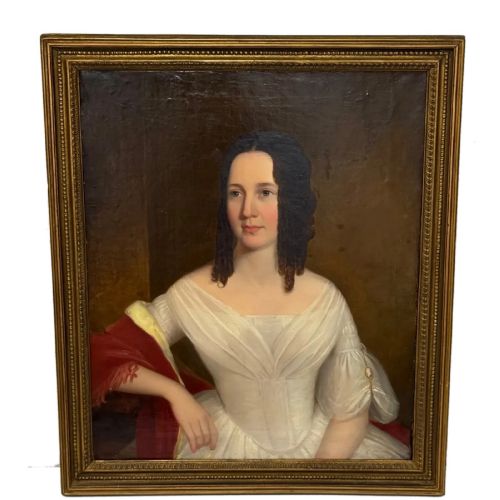
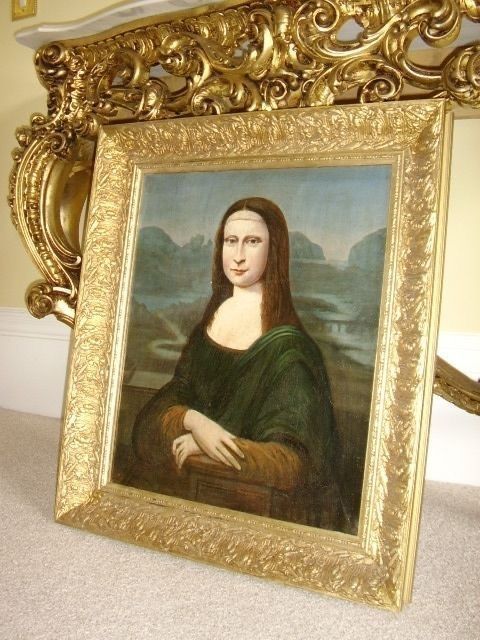
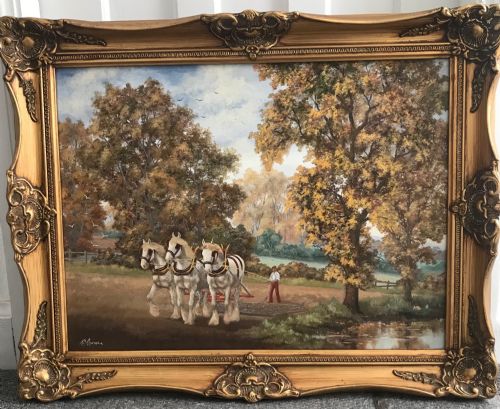
Portraits of individuals and animals appear frequently alongside pastoral views and romantic landscapes. Many pieces retain their period frames, including gilt gesso settings that complement the canvas work.
Materials and construction methods
Makers applied oil paint directly onto prepared canvas stretched across wooden frames, utilising pigments bound in drying oils. Wood served primarily for the stretchers and backing frames, while gilt and gold leaf ornamented the surrounding timber mouldings.
Artists built up compositions through layered brushwork, capturing light and texture on the woven surface. Giltwood and gesso frames were constructed to house the paintings, providing structural support and decorative finish.
Traditional Canvas Artwork Retail Price Guide 2026
Typical asking prices for traditional canvas artwork among the pieces listed under this phrase on Sellingantiques today, from the lower quarter to the upper quarter. They describe what is for sale here now, not the wider market.
Cats, snails, racing pigeons and prize bulls share canvas space with Victorian aristocracy.
Distinctions in quality and execution
Quality in these paintings rests upon the handling of anatomy, perspective and light by the artist. Finer works display confident brush control and depth within portraits or landscapes, whereas simpler pieces show more rigid composition.
The condition of the oil paint and the integrity of the canvas stretchers influence the overall standard. Original framing in gilt gesso also contributes to the desirability of a piece.
William Oliver·Richard Sebastian Bond·William Beattie-Brown·Jozsef Molnar·William H Myers·George Willison·John Horace Hooper·William McAlpine·Reginald Arthur Borstel·Sir Joshua Reynolds·Alfred Fontville de Breanski Jr·George Houston·Thomas Barker of Bath·Thomas W Lascelles·David Bates
The Traditional Canvas Artwork Glossary
- Canvas
- A heavy woven fabric used as a support for painting. Artists prime this material with size and gesso before applying oil colours.
- Stretcher
- A wooden framework that holds a painted canvas taut. Traditional versions employ corner keys to adjust the tension.
- Gesso
- A paint mixture consisting of a binder mixed with chalk or plaster. It prepares wooden frames and canvas surfaces for gilding or painting.
- Oil paint
- A slow-drying paint made by combining pigments with drying oils such as linseed. This medium allows for smooth blending and rich colour depth.
Traditional Canvas Artwork: Frequently Asked Questions
What periods do these paintings cover?
The listings span from the eighteenth century through the Regency and Victorian eras into the mid-twentieth century. Pieces reflect nineteenth-century realism, Dutch Golden Age styles and Edwardian portraiture.
Dates recorded range across the 1800s and 1900s, capturing shifting artistic movements in Britain and Europe.
How should I hang an oil painting?
Oil paintings on canvas require secure wall fixings suited to the combined weight of the canvas, stretcher and heavy giltwood frame. Hang pieces away from direct sunlight and fluctuating heat sources to protect the oil paint.
Ensure the wall brackets support the hanging cord or D-rings firmly attached to the wooden frame sides.
Are these works painted on canvas?
The works use oil paint applied to canvas supports stretched over wooden frames. Materials recorded include oil on canvas, gold leaf, giltwood and timber.
Artists built these compositions on woven fabric rather than wooden panels or paper.
What subjects appear in the artwork?
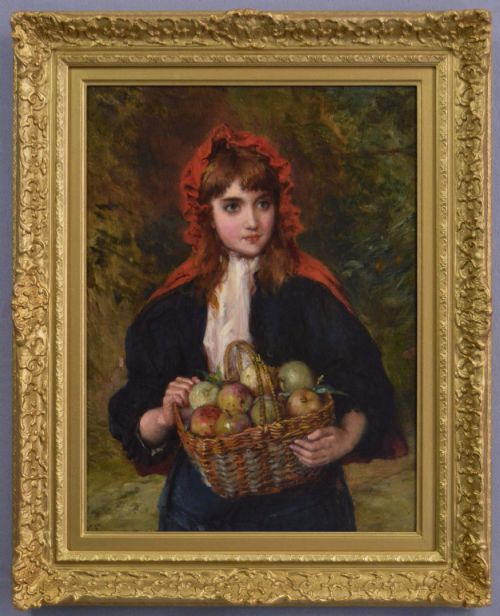
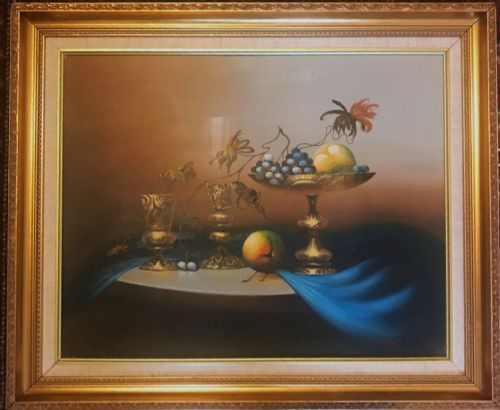
Subjects include human portraits, livestock such as horses and shorthorn bulls, woodland scenes, and maritime views. Still-life arrangements featuring apples, grapes, carnations and Dutch flowers also feature.
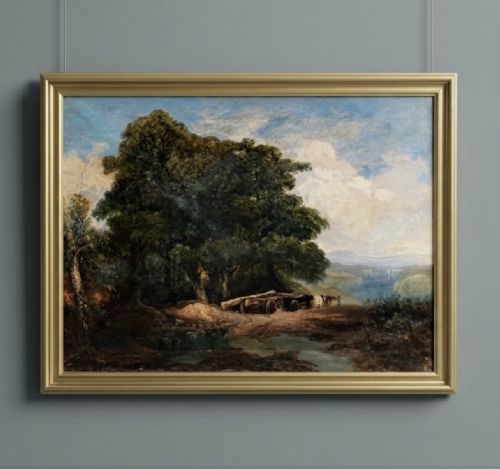
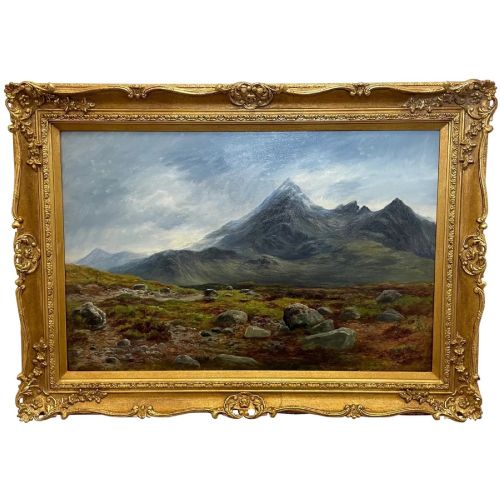
Landscapes range from Scottish hills and Lake District views to romantic pastoral settings.