



Traditional Camelback Sofa
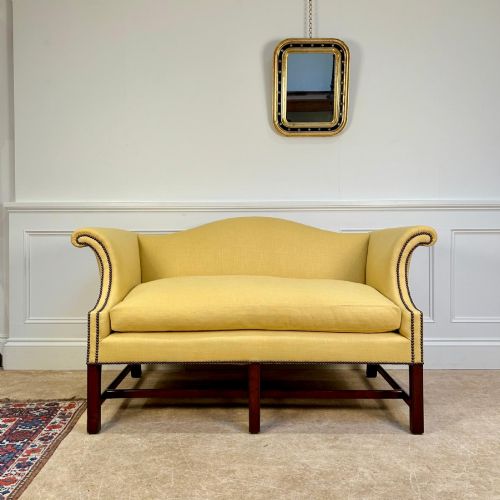
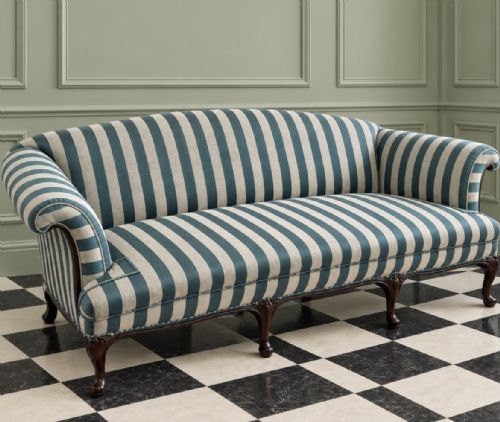
A traditional camelback sofa brings a refined serpentine silhouette and timeless seating form to a room.
Traditional Camelback Sofa
When you search for a traditional camelback sofa, you encounter seating pieces defined by a distinctive arched back profile that rises smoothly towards the centre. The items on this page span several centuries, with examples originating from the eighteenth century, the nineteenth century, and the early twentieth century.
Most pieces you meet here adhere to Georgian, George III, or Chippendale revival aesthetics. These items function as formal settees or two-seater sofas, incorporating serpentine fronts and proportions rooted in historical British cabinetmaking.
Makers and manufacturers across different eras adopted these classical outlines, producing variations that range from authentic eighteenth-century constructions to Edwardian and later revivals. Each iteration retains the characteristic upholstered back curve that defines the category.
How they were made
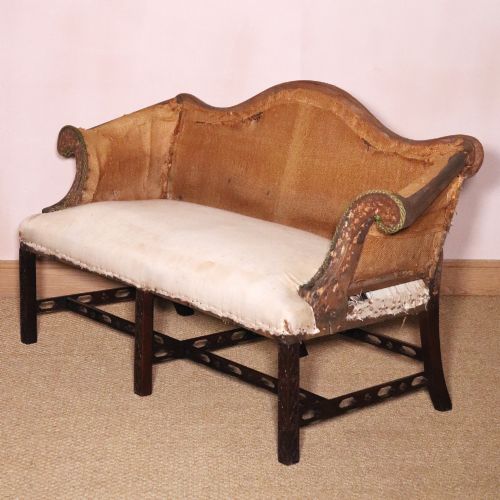
The foundational frames of these settees utilise hardwood and mahogany, providing structural integrity for the sweeping upholstered backrests. Joinery relies on traditional woodworking methods adapted to support the compound curves of the serpentine form.
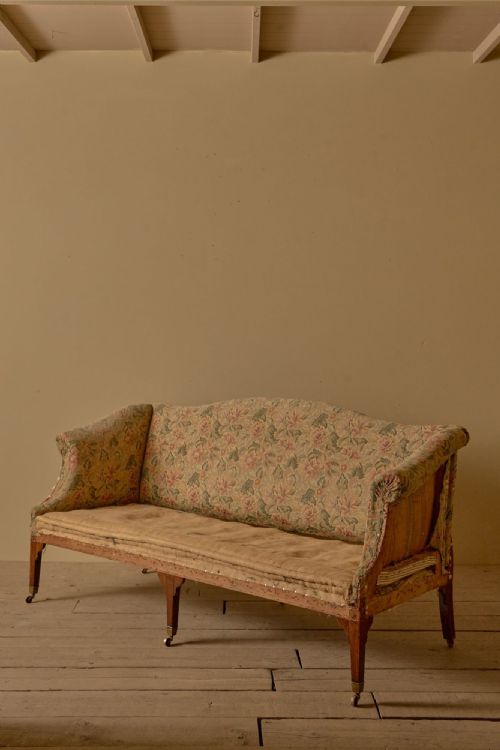
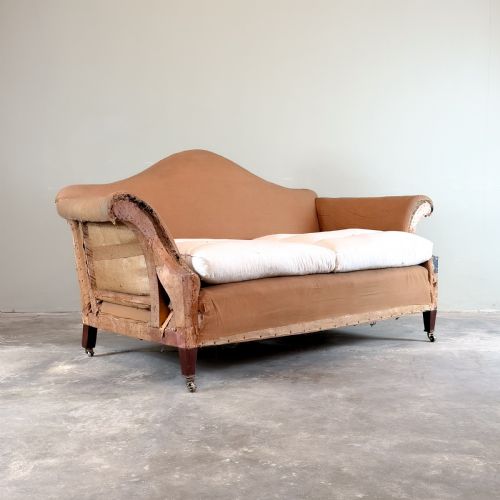
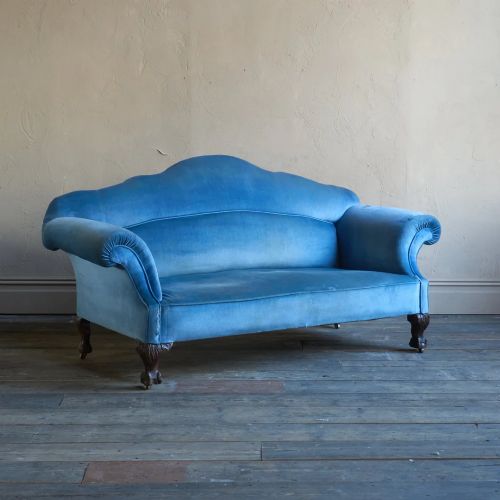
Upholstery techniques involve durable internal materials such as jute webbing combined with textile coverings including velvet, damask, and patterned damask fabric. Certain pieces incorporate visible timber elements like brass hardware and carved legs, including ball and claw configurations.
Traditional Camelback Sofa Retail Price Guide 2026
Typical asking prices for traditional camelback sofa among the pieces listed under this phrase on Sellingantiques today, from the lower quarter to the upper quarter. They describe what is for sale here now, not the wider market.
Several pieces include tactile details like ball and claw legs, adding a distinct grip to the room.
What varies in quality
Quality in these settees rests upon the precision of the frame's proportions and the fluidity of the arched backline. Superior examples display balanced serpentine front contours and harmonious relationship between the height of the crest and the span of the seat.
The execution of decorative elements, such as carved mahogany legs or specific revival styling, dictates the distinction between standard production and exceptional craftsmanship. The integrity of the underlying hardwood structure and the quality of the textile upholstery further differentiate the examples.
The Traditional Camelback Sofa Glossary
- Camelback
- A sofa style distinguished by an undulating, arched backrest resembling the hump of a camel. This profile rises and falls gracefully before sweeping down into the arms.
- Serpentine
- A furniture contour that curves inward centrally and outward at the ends, often seen on the front rail of these settees. This line adds visual movement and traditional elegance.
- Chippendale
- A furniture style originating in the eighteenth century and revived later, known for intricate carved details and sturdy proportions. Pieces in this style often incorporate polished mahogany and ornate leg designs.
- Hepplewhite
- A neoclassical furniture style characterised by light gracefulness, tapered supports, and elegant shield or camelback shapes. Items bearing these design traits reflect late eighteenth-century refinement.
- Jute
- A strong, coarse vegetable fibre utilised historically for webbing and internal support within traditional upholstery. It provides the tensile strength required beneath heavy fabric coverings.
Traditional Camelback Sofa: Frequently Asked Questions
What defines a traditional camelback sofa?
A traditional camelback sofa is characterised by an arched, undulating backrest that creates a continuous curve resembling a camel's hump. These pieces typically feature upholstered structures with exposed wooden legs and formal proportions.
Originating in earlier centuries and revisited through various revival periods, the design prioritises a graceful silhouette that suits formal reception spaces and drawing rooms.
How do I place a settee in a room?
These settees work effectively as focal points in living rooms, studies, or large hallway spaces where their distinct profiles remain visible from multiple angles. Their formal lines pair well with traditional interiors and period furnishings.
Because of their serpentine fronts and tailored upholstery, positioning them away from walls often highlights their sculptural qualities and craftsmanship.
How do I distinguish eighteenth-century pieces from later revivals?
Distinguishing period pieces from later revivals involves examining the timber grain, construction methods, and tool marks hidden beneath the upholstery. Eighteenth-century examples exhibit specific joinery techniques and wood ageing consistent with their era.
Revival pieces, such as those from the Edwardian period or the twentieth century, often utilise machine-assisted construction while closely copying earlier Georgian proportions and styles.
What textiles were used for upholstery?
Historical and revival pieces commonly utilise woven textiles such as damask, patterned damask fabric, and velvet. These heavy materials complement the formal architecture of the wooden frames.
The choice of textile often reflects the specific period of manufacture or subsequent reupholstery campaigns undertaken during the lifetime of the settee.