
Traditional Brown Armchair
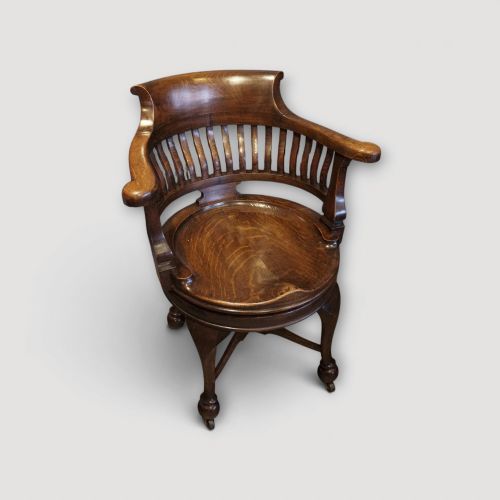
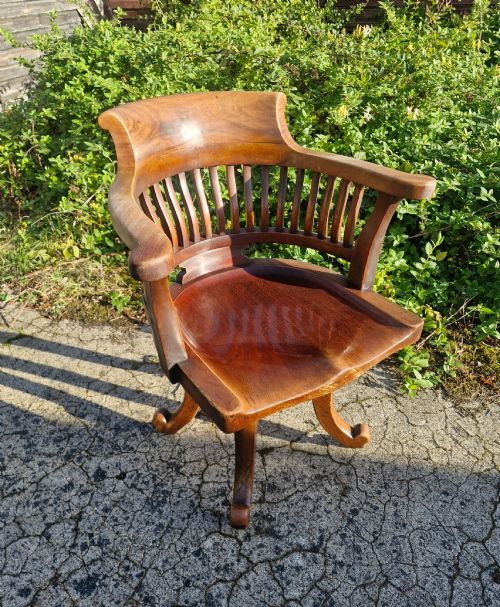
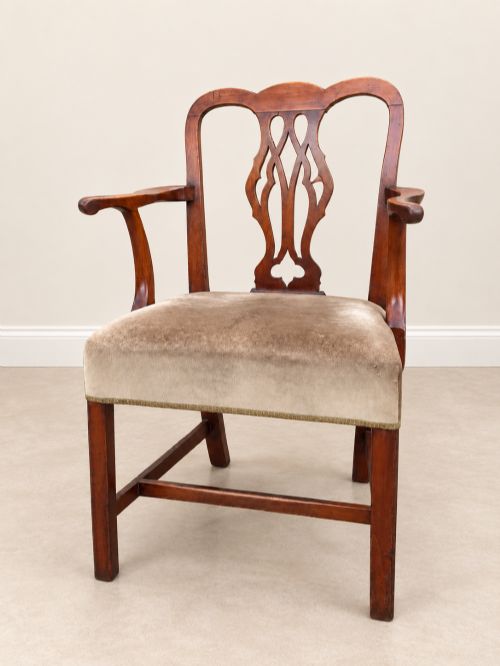
A traditional brown armchair brings deep warmth and solid domestic history to a room through rich timber and aged hide.
Traditional Brown Armchair
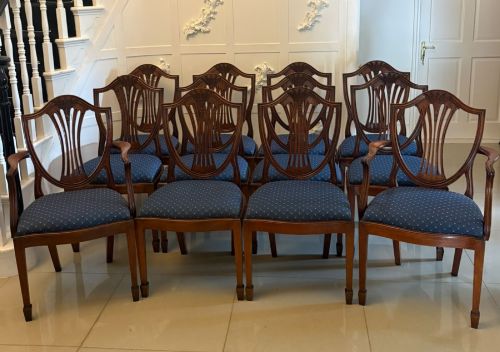
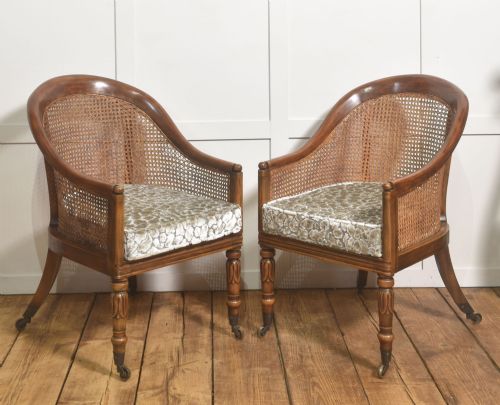
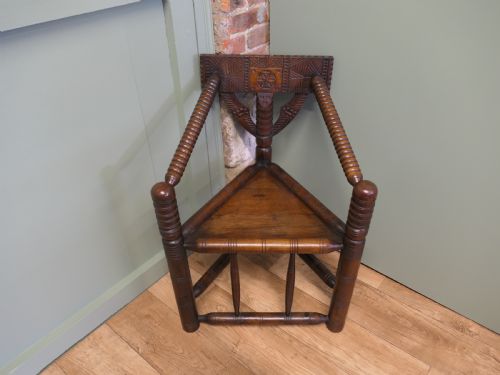
When you search for a traditional brown armchair, you encounter a diverse range of seating spanning several centuries of British craftsmanship. The selection encompasses sturdy vernacular country chairs alongside formal dining suites and library seating.
Materials and construction methods
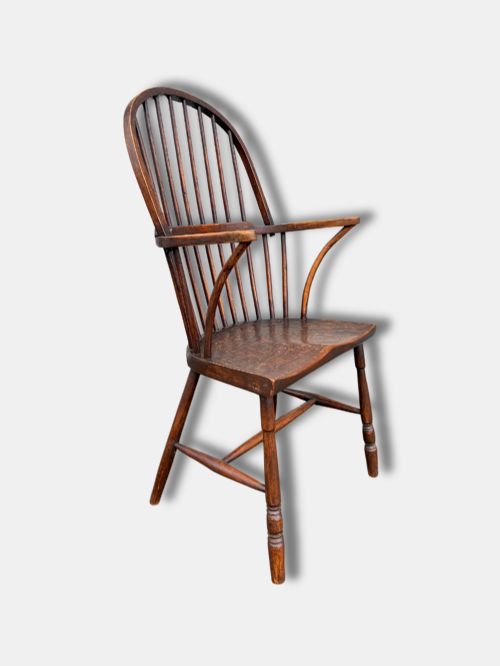
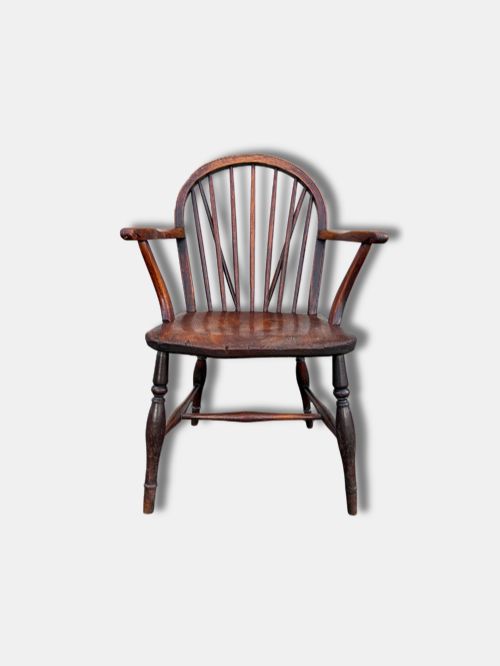
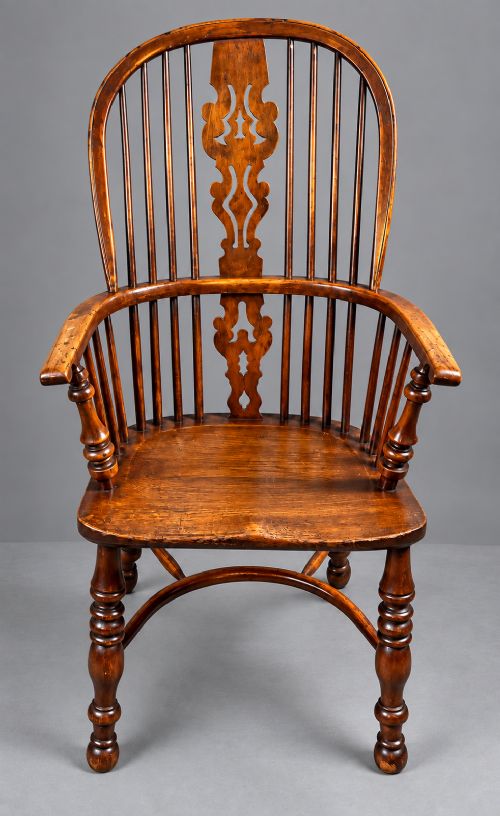
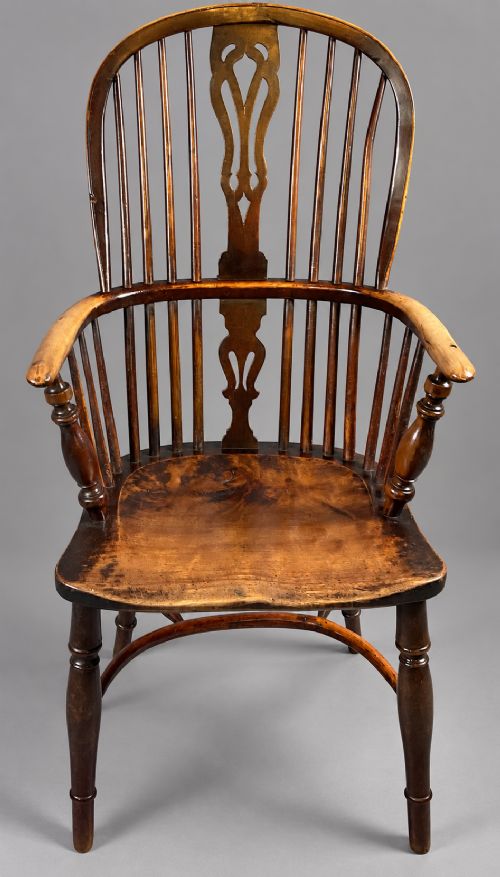
Woodworking techniques rely heavily on native hardwoods such as oak, beech, elm, and mahogany, shaped into solid frames, turned legs, and steam-bent components. Windsor forms utilise saddle seats carved from single slabs of elm, receiving fitted spindles and hoops secured with wedges.
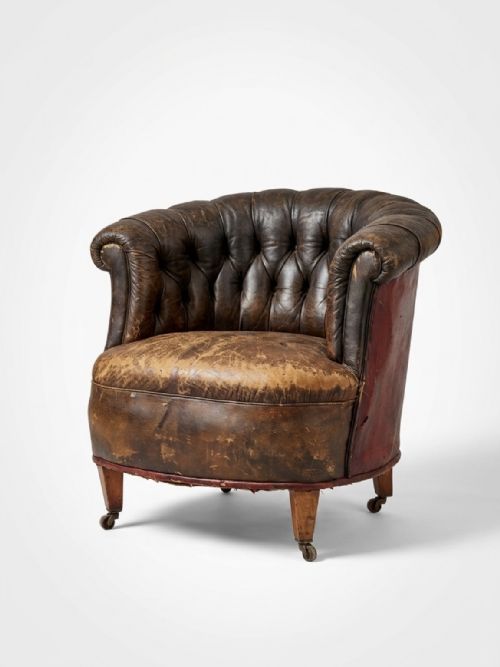
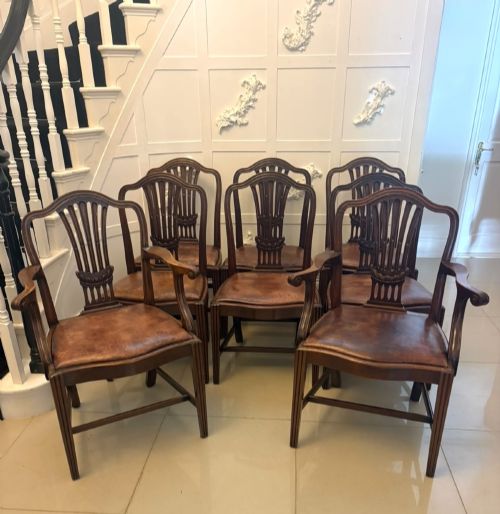
Upholstered examples combine sturdy internal webbing and stuffing with supple tan or brown leather hides, frequently finished with hand-hammered brass tacks or deep buttoning. Timber surfaces display decades of applied wax polish that highlights the natural grain of yew, fruitwood, and oak.
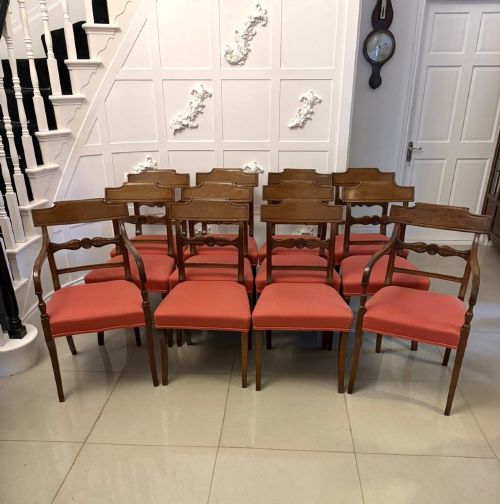
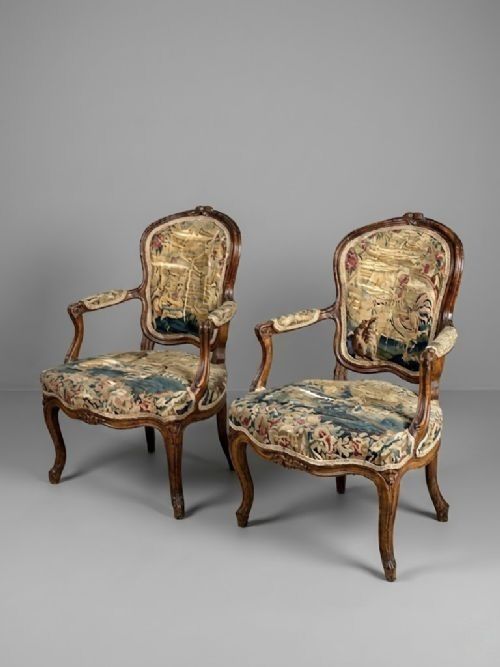
Listings feature traditional brown armchairs spanning from the 18th century through the Edwardian period, utilising native timbers including elm, mahogany, oak, ash, and beech.
Assessing quality and authenticity
Quality rests upon the integrity of the timber selection, the crispness of turned details, and the preservation of original surfaces. Examples retaining their initial patination and uncompromised structural joints command greater regard than those with extensive timber replacement.
The sophistication of the joinery distinguishes standard utility seating from finer workshop pieces. Subtle refinements such as crinoline stretchers, carved splats, and balanced proportions set superior vernacular items apart from simpler alternatives.
Warings·J Spencer
The Traditional Brown Armchair Glossary
- Windsor chair
- A wooden armchair featuring a solid saddle-sculpted seat into which legs and back spindles are directly joined. These vernacular classics rely on combinations of elm, ash, and yew.
- Crinoline stretcher
- A curved under-frame reinforcement linking the legs of a Windsor chair to provide structural stability. This detail often curves outwards beneath the seat.
- Wingback armchair
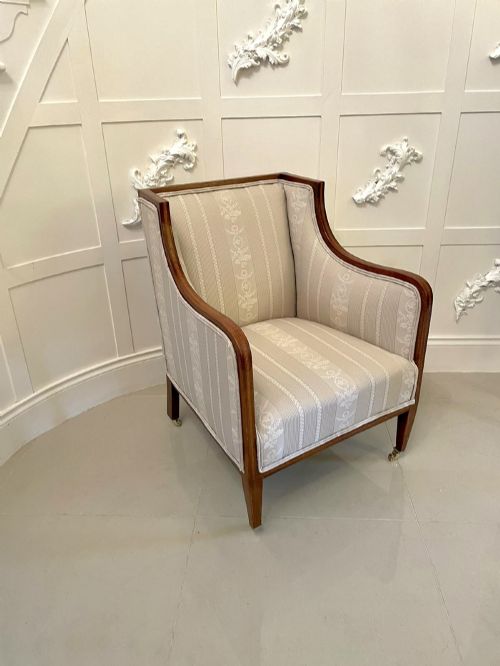
- An upholstered seat with protective lateral flaps or wings designed to shield the occupant from draughts. Early versions frequently incorporate dark leather hides.
- Carver elbow-chair
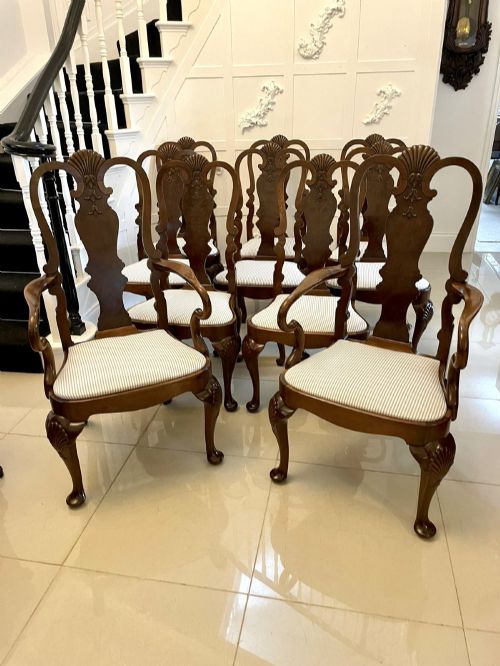
- A sturdy wooden armchair designed to match a set of dining chairs, traditionally positioned at the head of the table. They share stylistic traits with standard dining seats but include supportive armrests.
- Wainscot armchair
- An early wooden armchair constructed primarily from heavy oak panels rather than turned spindles. These formal seats date back to seventeenth-century domestic interiors.
Traditional Brown Armchair: Frequently Asked Questions
How do I date a Windsor armchair?
Dating relies on timber choices, tool marks, and the evolution of structural elements like stretchers and leg turnings. Earlier pieces often combine ash and elm with distinct hand-carved saddle seats.
Later Victorian and Edwardian revivals tend to employ machine-turned components and standardised bracing methods that lack the organic irregularity of eighteenth-century work.
Are leather club chairs comfortable for daily use?
Leather club and wingback chairs offer deep, supportive seating designed for prolonged periods of reading or resting in studies and libraries. The combination of sprung bases and padded armrests yields a relaxed posture.
Over decades, the leather softens further and adapts to regular use while maintaining its underlying structural support.
What is the difference between an ash and elm Windsor?
Ash and elm were frequently combined in single chairs because each wood served a distinct structural purpose. Elm provided a tough, split-resistant surface for carved saddle seats.
Ash offered exceptional flexibility and strength for steam-bent back bows and slender spindles, creating a resilient framework.
How should I maintain antique brown leather?
Antique leather benefits from occasional applications of neutral beeswax or specialised leather balms to nourish the hide and prevent drying. Avoiding direct sunlight and intense heat sources protects the material from cracking.
Gentle dusting with a soft cloth preserves the historic surface finish and accumulated patina.