


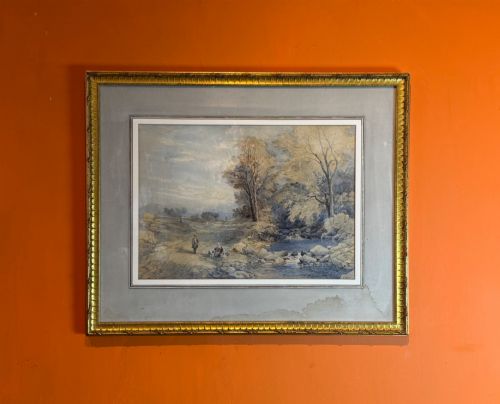
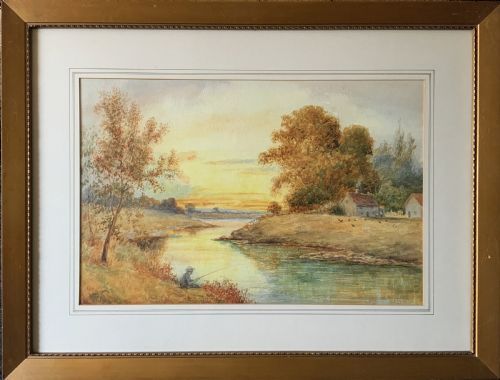
Traditional British Watercolour
A traditional british watercolour brings the quiet light of past centuries into a room through pigment laid directly onto paper.
What traditional british watercolour means
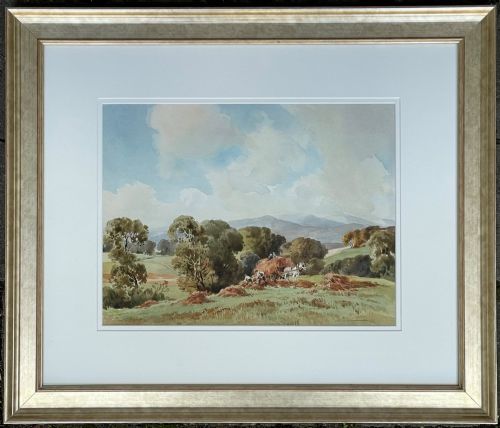
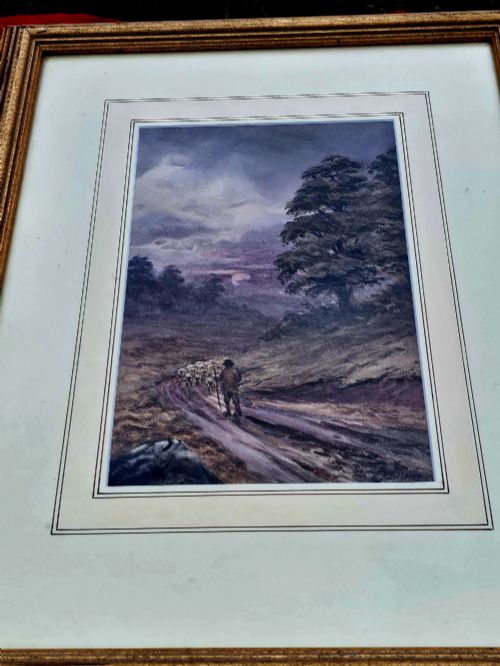
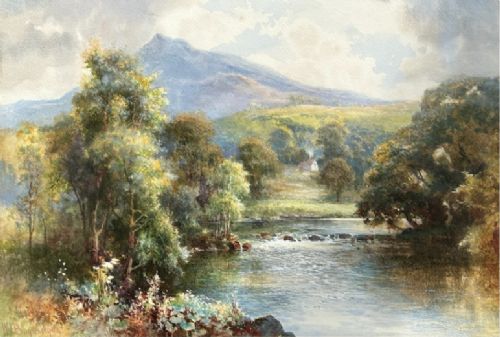
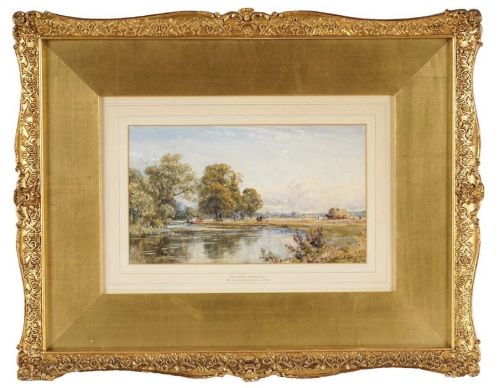
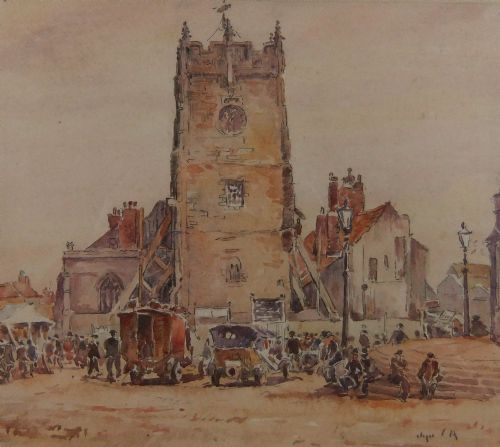
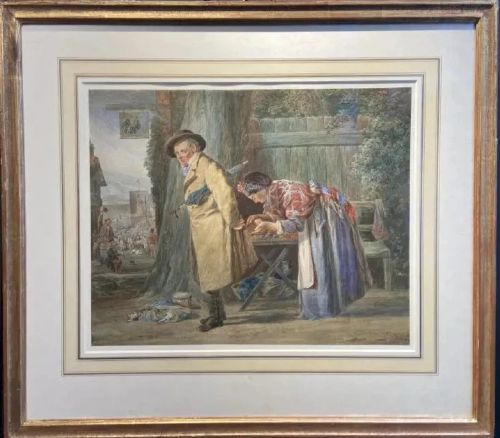
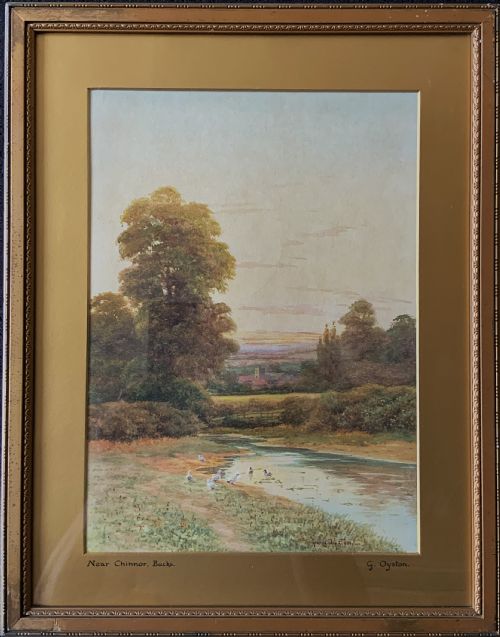
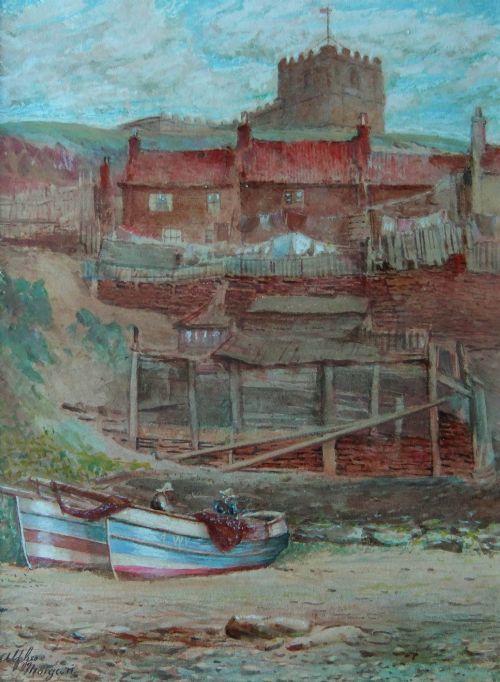
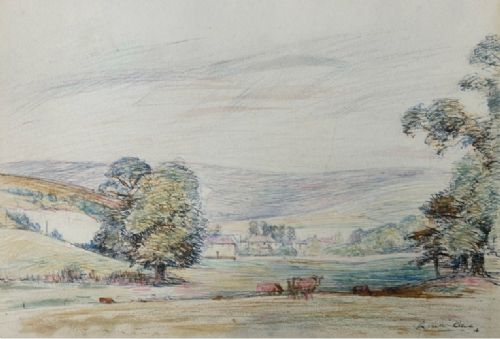
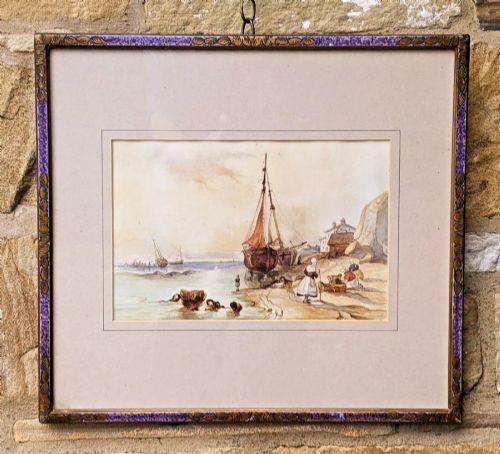
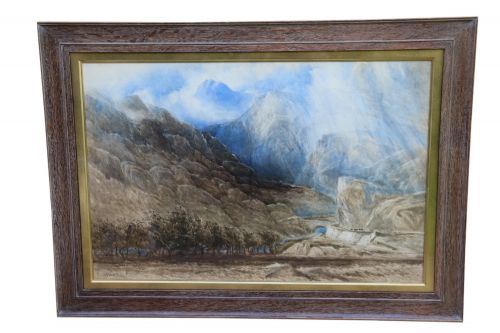
A traditional british watercolour captures landscapes, townscapes, and pastoral scenes painted on paper across the Victorian, Edwardian, and mid-twentieth-century periods. These works include topographical studies and rustic river views framed behind glass in wood or gilt surrounds.
The pieces listed on this page span from the late nineteenth century through to nineteen sixty, showing how British artists recorded everyday city life, rural horse fairs, and quiet domestic interiors.
Buyers encounter both signed works by known Victorian and early twentieth-century painters and quieter unsigned topographical watercolours that typify British impressionism and pastoral traditions.
How they were made
Artists applied watercolour paint directly onto absorbent paper sheets, often building up translucent washes to catch shifting light and shadow in open-air landscapes and historic cityscapes.
Completed works received framing protection beneath glass, mounted within traditional wood and gilt frames designed to preserve the delicate pigment from moisture and handling.
Retail Price Guide 2026
Typical UK retail prices for traditional british watercolour, calculated from the Sellingantiques database of over a million retail prices indexed since 2003. This retail price guide relies exclusively on Sellingantiques data; no external sources or auction records are used, so the figures do not describe the wider market.
Listings span the Victorian era through nineteen sixty, utilising watercolour paint on paper housed in wood and gilt frames.
What varies in quality
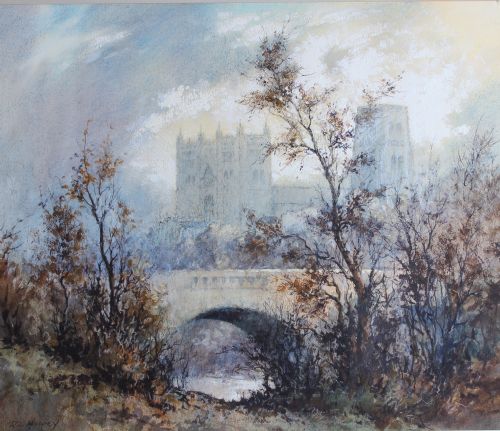
Quality rests in the sureness of the brushwork and the artist's ability to capture atmosphere, whether rendering the stone of an ancient Minster or the hazy warmth of a harvest field.
The preservation of the paper and the retention of vibrant pigment beneath the glass separate superior surviving sheets from works that have suffered fading or damp over the decades.
James Orrock·John Atkinson·H P Ditmas·Henry Spernon Tozer·Tom Dudley·Robert Thorne Waite·Lois Wilton
The Traditional British Watercolour Glossary
- Topographical
- A style of painting that records specific places, buildings, and landscapes with factual accuracy. Victorian topographical works served as visual records before photography became widespread.
- Pastoral
- A genre focusing on rural life, farming, and countryside scenery. These subjects often romanticise agricultural labour and quiet rural routines.
- Impressionism
- A style capturing the visual impression of a moment, focusing on shifting light and spontaneous brushstrokes. British impressionism adapted these Continental ideas to domestic light and weather.
- Gilt frame
- A wooden picture surround covered in a thin layer of gold leaf or metallic paint. These frames enhance the warmth and depth of the painting within.
Frequently Asked Questions
How should I hang a watercolour?
Keep traditional watercolours away from direct sunlight to prevent the pigments from fading permanently over time.
Position them on interior walls where room temperature and humidity remain relatively stable.
Are these paintings original?
The works listed are original hand-painted watercolours created directly by artists rather than modern reproductions or prints.
Each piece represents a unique application of paint onto paper from the period noted.
How do I date a watercolour?
Dating relies on the paper type, framing style, artist signatures, and the clothing or architecture depicted in the scene.
Victorian and Edwardian works often bear inscriptions or artist details that help anchor their creation period.
What subjects are most common?
Common subjects include historic British cityscapes, rural harvest scenes, river landscapes, and quiet domestic interior moments.
Artists frequently documented familiar local streets, country fairs, and agricultural life across Britain.