
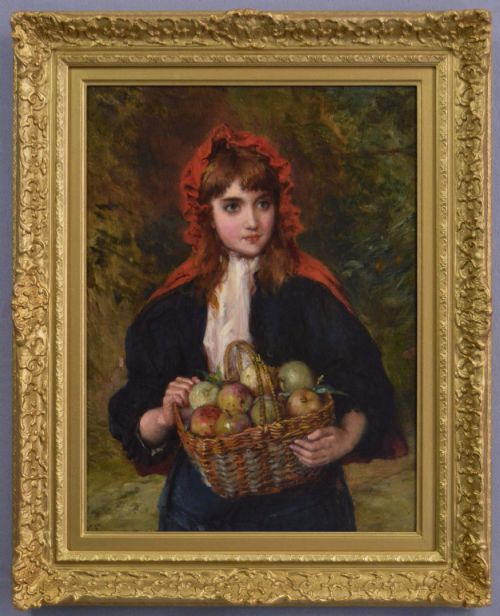
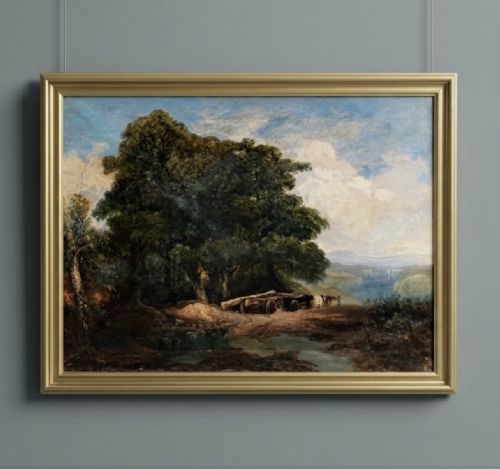


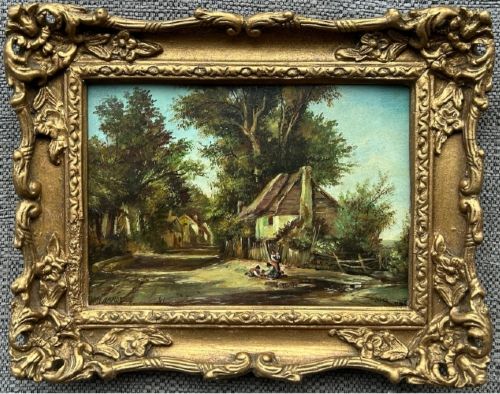
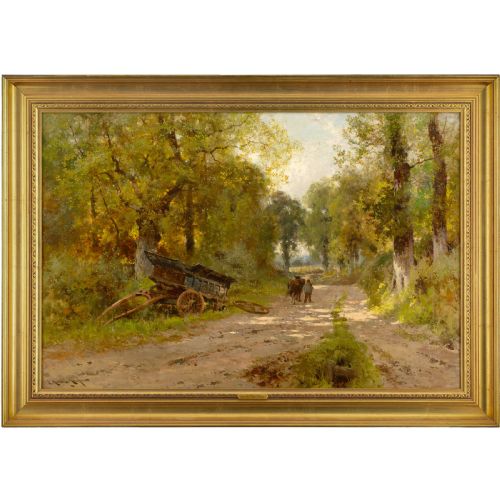
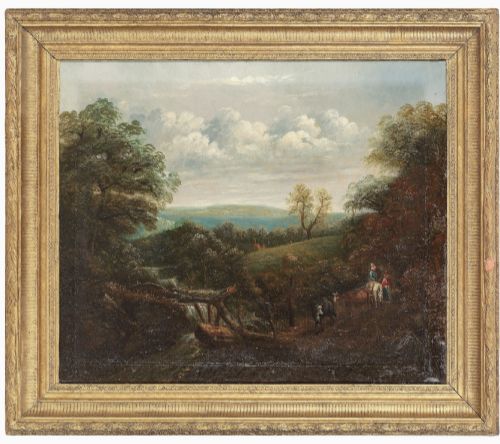
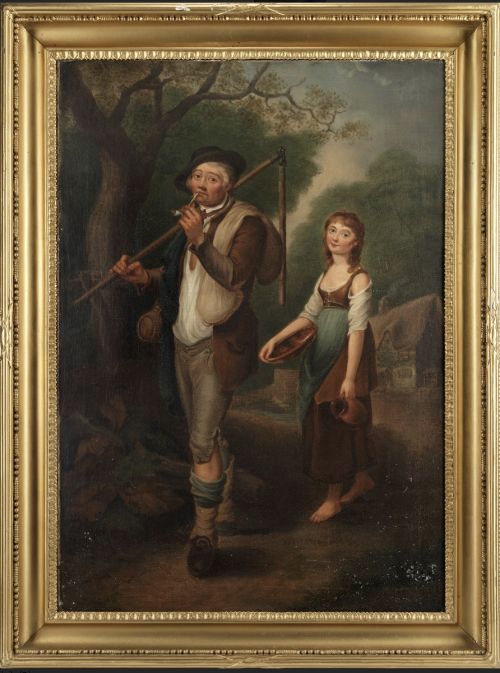
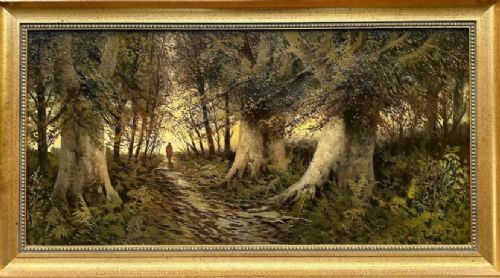
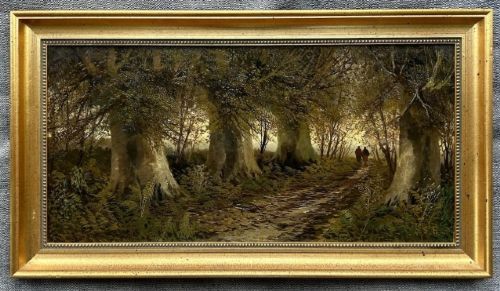
Traditional British Oil Painting
A traditional british oil painting brings the quiet depth of past centuries into a room through rich pigments laid upon canvas or wood.
Traditional British Oil Painting
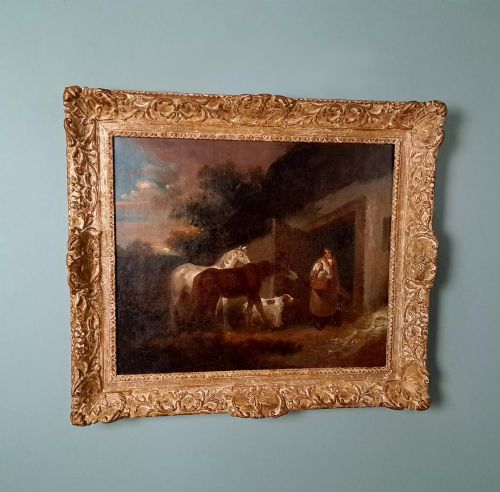
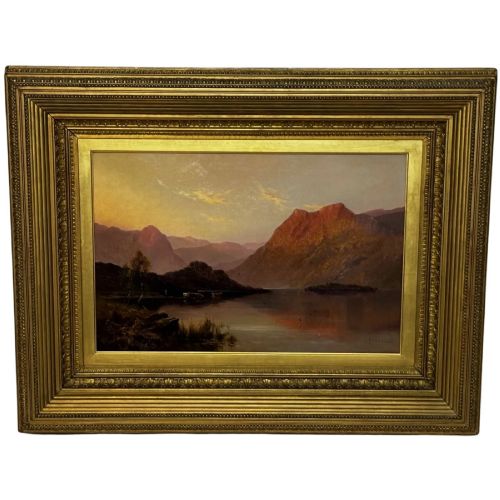
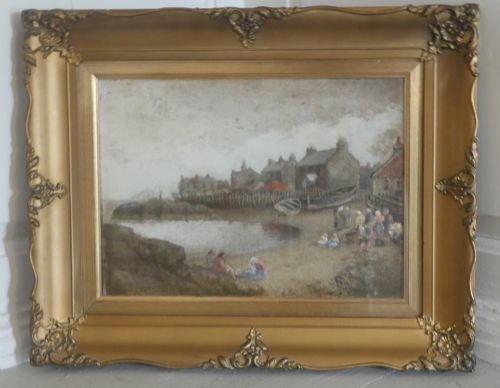
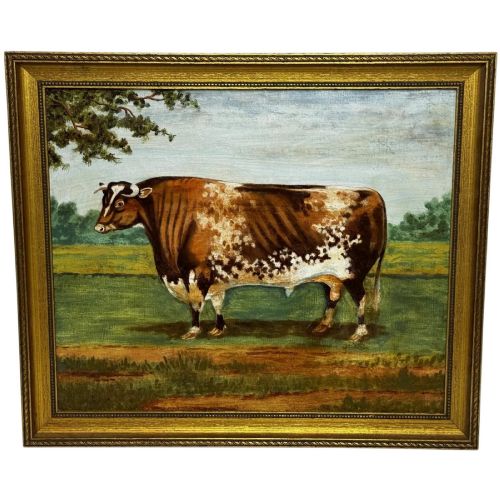
A traditional british oil painting captures the changing light of rural landscapes, the domestic intimacy of portraits, and the movement of sporting subjects across centuries of artistic endeavour. Buyers seeking these works encounter pieces executed in oil paint upon canvas or wooden panels, reflecting the distinct observational traditions of British schools.
The selections available range from nineteenth-century pastoral views and Victorian animal studies to early twentieth-century Highland scenes and coastal harbours. Each canvas serves as a direct record of topography, portraiture, and domestic life as observed by regional artists and academic painters alike.
Works attributed to the Norwich School sit alongside unsigned examples from the broader British School, spanning periods from the eighteenth century through the mid twentieth century. These paintings function equally well as focal points in period interiors or as grounding elements within contemporary spaces.
Materials and construction
Pigments bound in oil are applied to woven canvas supports or prepared wooden boards, allowing artists to build translucent glazes alongside heavy impasto brushwork. This medium permits subtle gradations of tone and colour that remain stable across generations.
Original wooden frames, frequently finished in giltwood or carved gesso, enclose many of these works, providing structural protection and visual completion to the painted surface.
Traditional British Oil Painting Retail Price Guide 2026
Typical asking prices for traditional british oil painting among the pieces listed under this phrase on Sellingantiques today, from the lower quarter to the upper quarter. They describe what is for sale here now, not the wider market.
Distinctions in execution
The distinction between standard decorative works and superior examples lies in the assured handling of light, atmospheric perspective, and anatomical precision in figures or animals. Masterful brushwork creates convincing depth and texture, whereas lesser pieces rely on formulaic composition and flat application.
Condition plays a central role, distinguishing works with intact original surfaces and minimal restoration from those with extensive overpaint or structural canvas damage.
William Oliver·Richard Sebastian Bond·Tom Campbell·David Bates·Thomas Smythe·Thomas Creswick
The Traditional British Oil Painting Glossary
- Canvas
- A heavy woven fabric stretched across a wooden frame to serve as a support for oil paint. It provides a slightly flexible surface that accommodates the expansion and contraction of drying oils over decades.
- Giltwood
- Timber carved and coated with a thin layer of gold leaf or metallic powder. This material is standard for traditional picture frames designed to enhance the warmth of oil paintings.
- Impasto
- Paint applied thickly to a canvas or panel so that the strokes stand proud of the surface. This technique adds tactile relief and catches light to describe highlights.
- British School
- A term used to designate works produced by artists working in Britain whose specific individual identities remain unrecorded. It groups together regional styles and shared technical approaches.
Traditional British Oil Painting: Frequently Asked Questions
Where should I hang an oil painting?
Select an interior wall away from direct sunlight, heating vents, and damp areas to protect both the canvas and the wooden frame. Stable environmental conditions prevent the paint layer from cracking or flaking.
Ensure the wall fixings match the weight of the frame, particularly for large canvas works mounted in heavy giltwood surrounds. Secure hanging prevents accidental shifting over time.
How do I identify the period of an oil painting?
Examine the materials of the stretcher, canvas preparation, and framing style alongside any signatures or inscriptions on the reverse. Canvas stamps and framing techniques often provide reliable clues to the date of execution.
Stylistic conventions, clothing styles in portraits, and subject matter trends also help narrow down the decade. Comparing brushwork to known dated examples by related schools confirms the era.
Do these paintings require special lighting?
Low-heat LED picture lights or indirect ambient room lighting work best to illuminate the canvas without causing heat damage or fading. Position lights to avoid glare reflecting off the varnished surface.
Ultraviolet radiation from unfiltered sunlight causes pigments to degrade and varnish to yellow prematurely. UV-filtering glass or window treatments protect the integrity of the oil colours.