


Traditional Brass Scuttle
Traditional brass scuttle pieces are robust fireside containers that bring working metal warmth and period character to a hearth.
Traditional Brass Scuttle
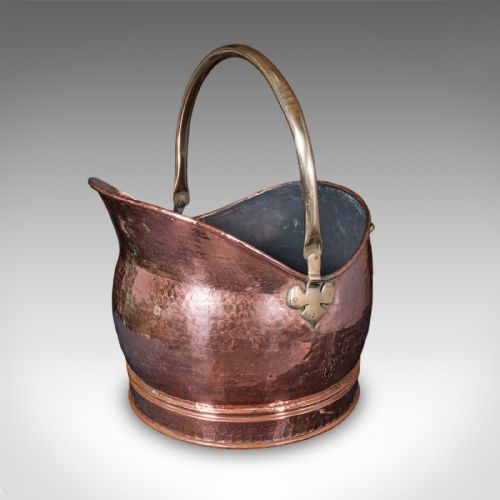
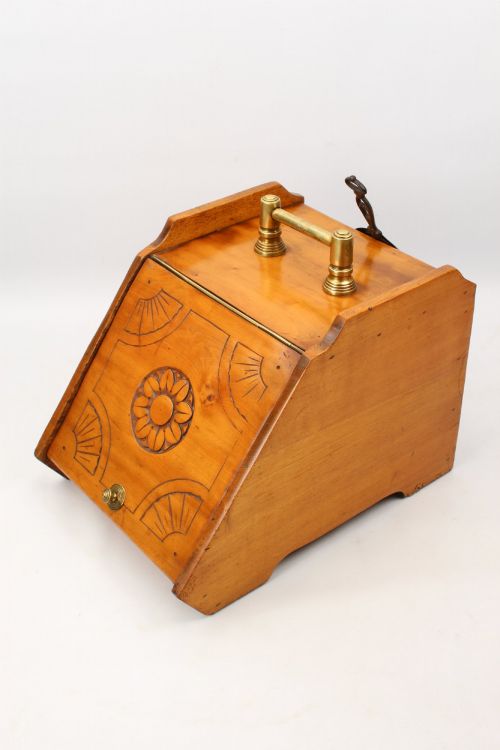
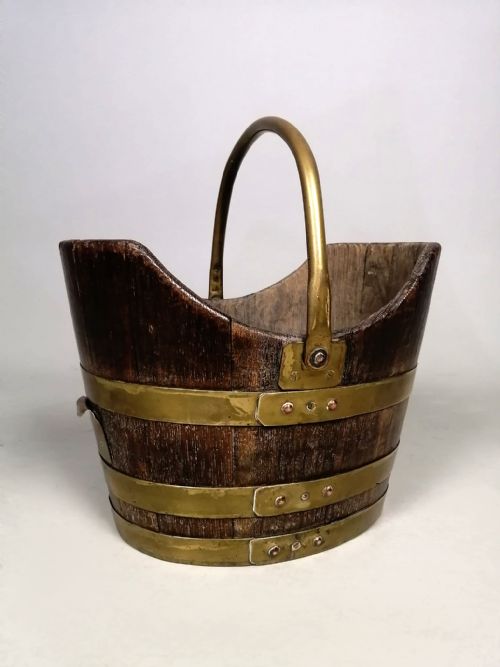
When you search for a traditional brass scuttle, you encounter fireside accessories created to hold coal, logs, or peat beside the hearth. The selections span helmet shapes, bucket forms, and lidded boxes originating from the eighteenth, nineteenth, and early twentieth centuries.
Victorian helmet scuttles dominate the current range, often paired with matching shovels and constructed from polished sheet metal. Alongside these stand Georgian brass-banded buckets, coopered oak bins, and Edwardian purdonium cabinets designed for domestic coal storage.
Materials and construction methods
These vessels rely on sheet brass and copper, frequently combined with iron handles, ceramic grips, and wooden elements such as oak, mahogany, and walnut. Metal bodies are beaten, hammered, or spun into shape, then joined with rivets and seams.
Wooden buckets utilise coopered stave construction with brass bands, while cabinet styles employ standard cabinetry techniques with inlaid mahogany or walnut panels to conceal internal metal liners.
Listings feature items spanning the eighteenth century through the Edwardian era, incorporating brass, copper, oak, mahogany, and walnut materials.
Distinctions in standard and finish
Quality rests in the weight of the metal gauge and the integrity of the original construction rather than decorative surface polish. Thicker brass resists denting and maintains structural rigidity along the rim and base during daily fireside use.
Superior examples retain original shovels, handles, and fixings without replacement parts. Hand-finished details, crisp joinery in wooden models, and unblemished metal surfaces separate standard utilitarian items from finer examples.
The Traditional Brass Scuttle Glossary
- Helmet scuttle
- A fireside coal container featuring a flared, sloping rim resembling a classical helmet, designed for easy pouring into the grate.
- Purdonium
- A box-shaped coal scuttle, often Edwardian, featuring a downward-tilting front door and a dedicated interior metal liner for fuel storage.
- Coopered
- Built from vertical wooden staves bound tightly together by metal hoops, mirroring traditional cask-making techniques.
- Peat bucket
- A deep cylindrical or oval vessel traditionally used in Ireland and Scotland for holding dried turf blocks beside the fireplace.
Traditional Brass Scuttle: Frequently Asked Questions
What is a traditional brass scuttle?
It is a metal fireside container designed to store and transport coal, logs, or peat to the fireplace.
Most examples combine a brass body with iron or brass swing handles for everyday hearth utility.
How do I clean a brass scuttle?
Maintenance requires gentle wiping with a soft, dry cloth to remove dust and soot accumulation from daily use.
Harsh chemical abrasives should be avoided to preserve the natural aged patina developed over centuries.
Are these scuttles safe for fireside use?
These vessels are built from durable sheet metals like brass and copper intended to hold fuel safely.
Many also include removable interior liners that protect the outer decorative casing from moisture and grit.
How do I date a brass scuttle?
Dating relies on observing construction methods, handle fixings, and overall stylistic traits characteristic of Georgian or Victorian periods.
Hand-hammered seams and early dovetailing typically point to eighteenth-century origins, whereas stamped components suggest late Victorian manufacture.