



Traditional Brass Holders
Traditional brass holders encompass sturdy hearth furniture and functional lighting supports designed to bring orderly warmth to domestic rooms.
Traditional Brass Holders
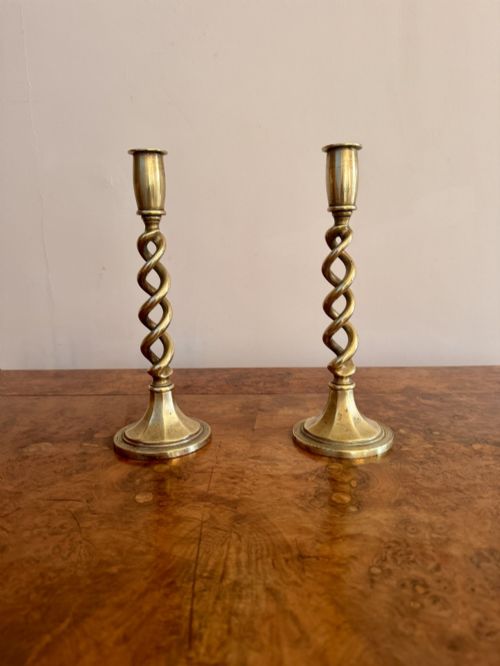
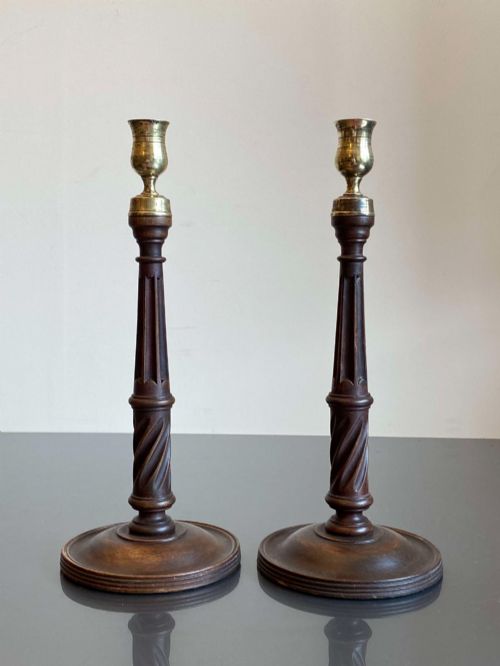
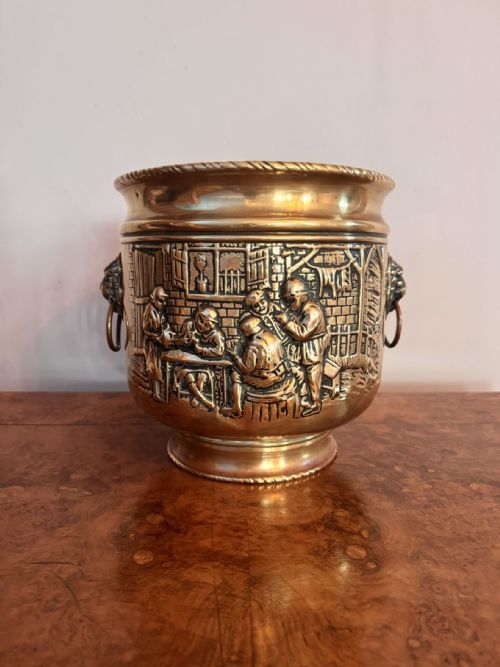
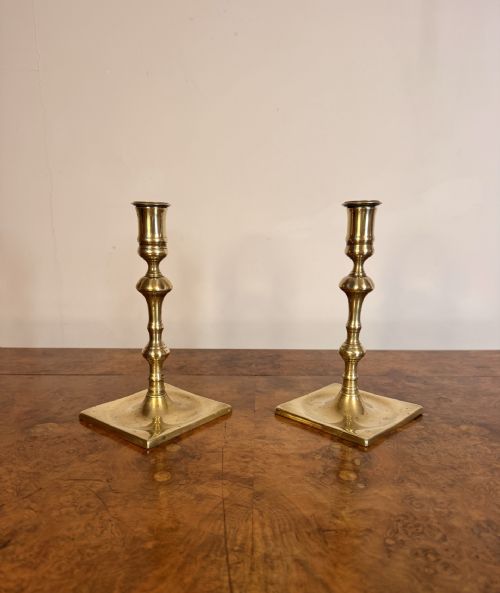
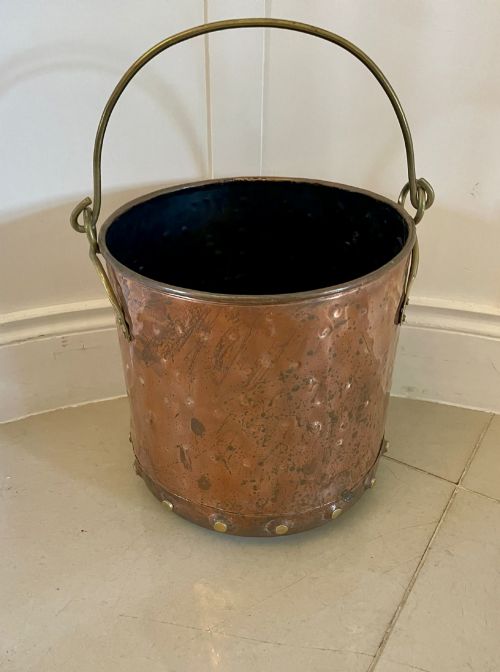
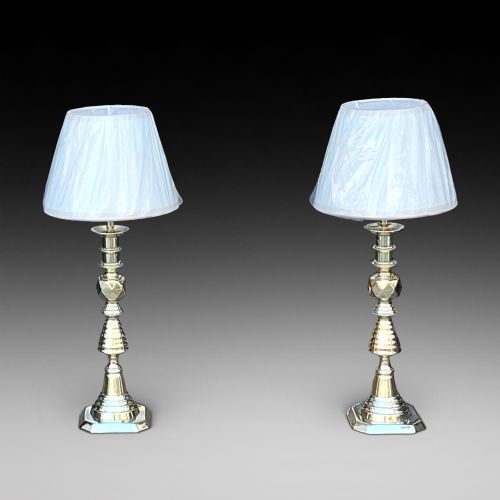
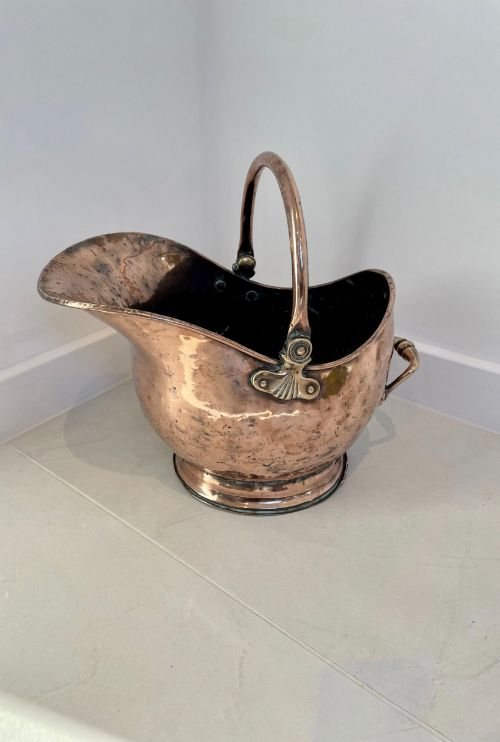
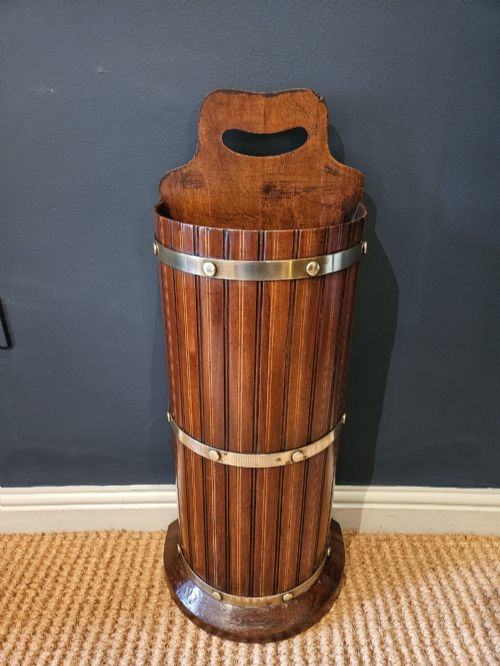
Traditional brass holders include items such as candlesticks, umbrella stands, stick stands, coal buckets, and wall sconces spanning the eighteenth and nineteenth centuries. A buyer searching this phrase encounters utilitarian and decorative household objects fashioned from heavy metal or paired with secondary woods like mahogany and oak.
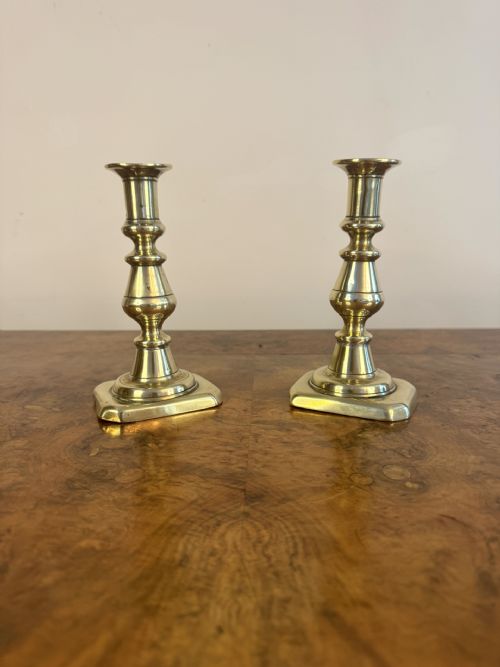
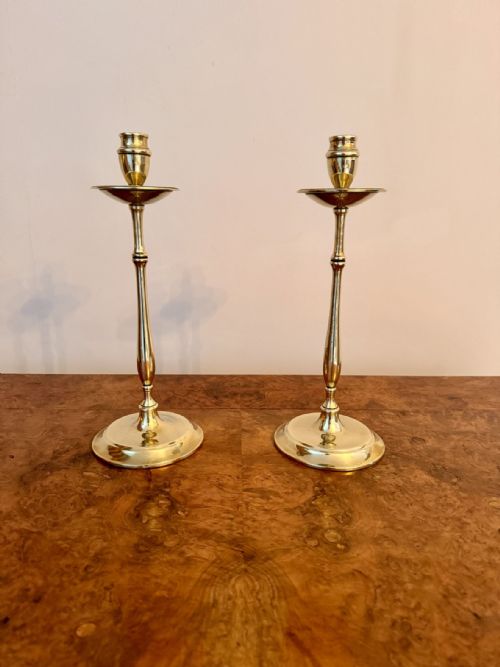
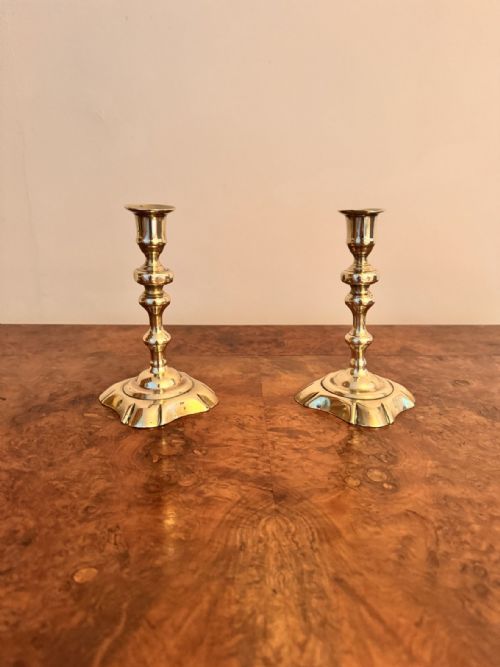
Candlesticks dominate the selection, appearing as matched pairs from the Georgian, Victorian, and Edwardian eras alongside single church examples and French derivations. Floor-standing umbrella stands and fireside coal buckets utilise brass bindings or complete metal construction to withstand daily utility near the hearth or hallway entrance.
Materials and construction methods
Makers utilised cast brass, seamed sheet brass, and cast iron, often combining the primary metal with copper accents, oak frames, or mahogany bodies. Candlesticks typically display turned or cast construction, sometimes incorporating ejector mechanisms inside the stem to release spent wax candles.
Coal buckets and umbrella stands frequently employ brass banding, riveting, and hand-finished sheet metal fastened to turned wooden barrels or structured frames. Patination arises naturally from age and usage, leaving varied surface tones across the exposed metal and timber components.
Traditional Brass Holders Retail Price Guide 2026
Typical asking prices for traditional brass holders among the pieces listed under this phrase on Sellingantiques today, from the lower quarter to the upper quarter. They describe what is for sale here now, not the wider market.
Some nineteenth-century coal scuttles include built-in scoops designed to keep soot off delicate Victorian cuffs.
Distinctions in standard and finish
Quality rests upon the crispness of casting detail, the weight of the metal used in the body, and the integrity of any structural joints in wood or iron. Early Georgian examples often exhibit sharper proportions and heavier gauge brass than later mass-produced Victorian equivalents.
Proportion and balance define the superior items, whether in the slender turned profile of a candlestick or the symmetrical riveting of a coal scuttle. Altered components or overly polished surfaces diminish the authentic character expected in period domestic hardware.
J.T. & Co
The Traditional Brass Holders Glossary
- Ejector candlestick
- A candlestick fitted with an internal sliding mechanism that pushes out the remaining candle stub. This device makes clearing and replacing wax straightforward.
- Pricket candlestick
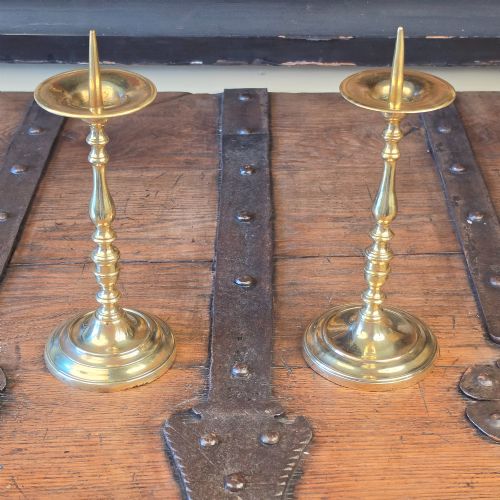
- A candlestick featuring an upward-pointing metal spike on the drip pan to secure thick church candles rather than a traditional socket. Such items originate from ecclesiastical settings.
- Demi lune stick stand
- A hall stand shaped in a half-moon profile designed to sit flat against a hallway wall while holding walking sticks and umbrellas. This form saves valuable floor space in narrow passages.
- Coal scuttle
- A container or bucket built to hold domestic fuel for an open fireplace, frequently featuring a hinged lid and carrying handle. Materials typically combine sheet brass with copper or wood.
- Cast brass
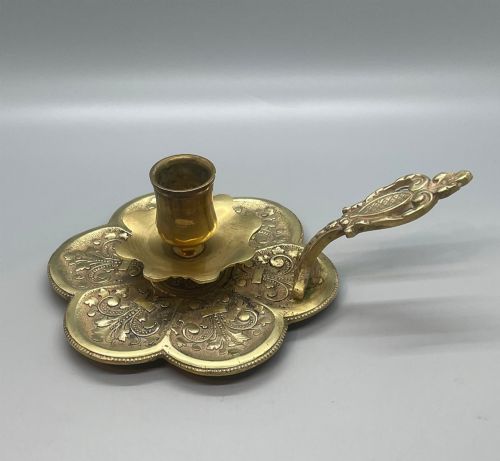
- Molten brass poured into a mould to create solid forms with detailed contours. This technique permits intricate stems and heavy bases on lighting equipment.
Traditional Brass Holders: Frequently Asked Questions
What periods do these pieces date from?
The inventory spans the eighteenth and nineteenth centuries, taking in George II, Georgian, Victorian, and Edwardian eras.
Items range from mid-seventeenth century style reproductions to nineteen-hundreds church lighting and hallway stands.
How were coal buckets used?
Coal buckets sat beside the hearth to store reserve fuel cleanly near the fire.
Their brass and copper construction kept coal dust contained while complementing the surrounding fire irons.
How should brass holders be cleaned?
Maintenance requires gentle dusting and occasional cleaning with non-abrasive polishes to preserve the underlying metal.
Aggressive cleaning removes historical patination and dulls the natural warmth accumulated over centuries.
Are stick stands waterproof?
Most stands feature metal liners or solid brass and iron basins to catch water from wet umbrellas.
Wooden frames like oak and mahogany rely on these internal metal elements to protect the surrounding timber structure.