

Traditional Brass Fitting
Traditional brass fitting pieces are cast and forged metal hardware and lighting spanning multiple centuries, sought after for period interior authenticity.
Traditional Brass Fitting
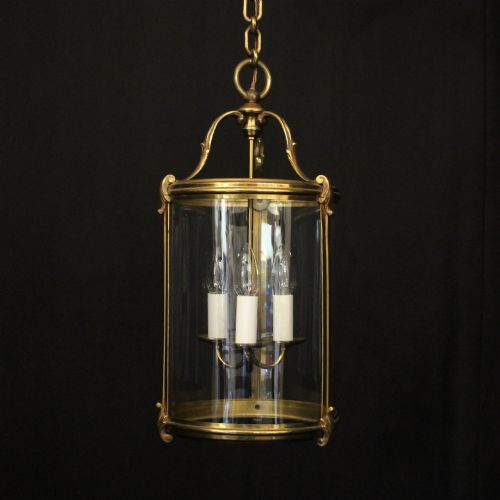
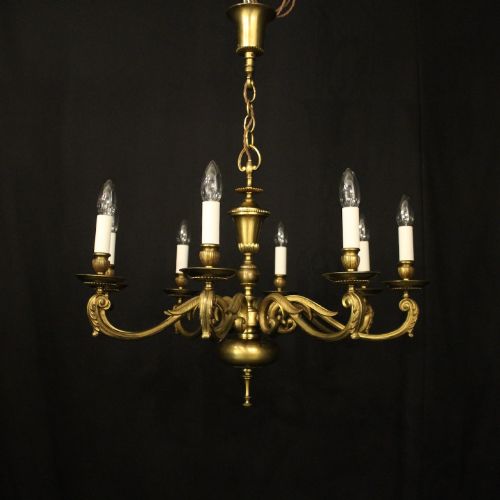
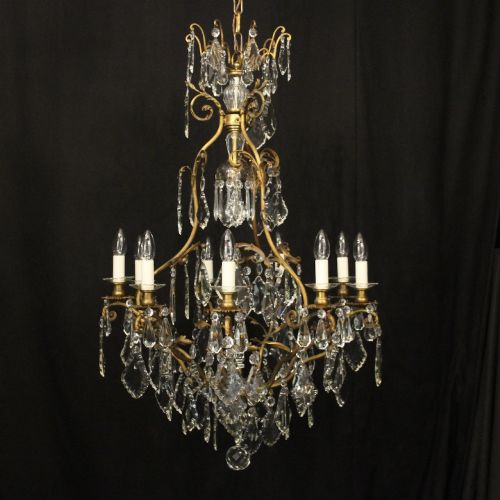
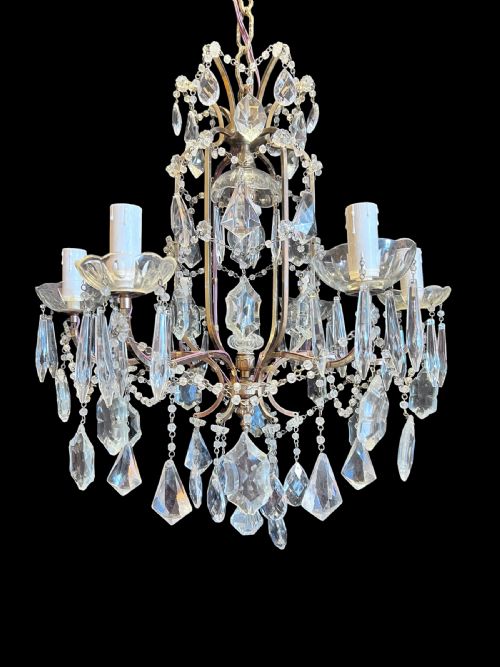
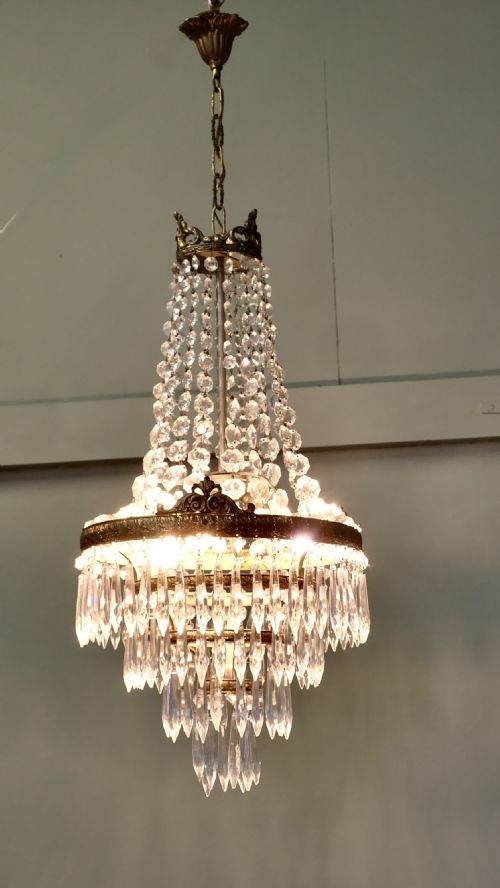
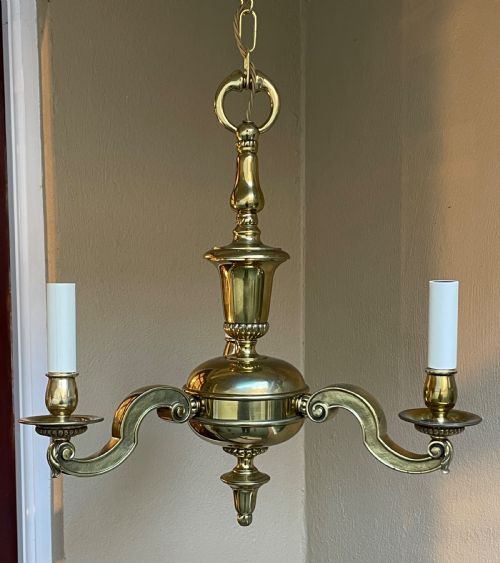
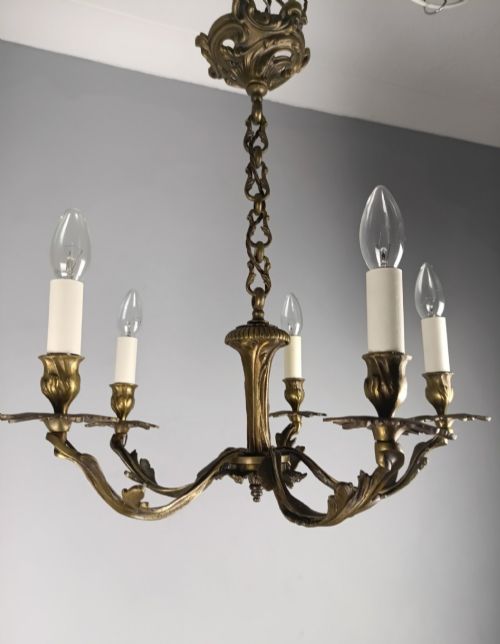
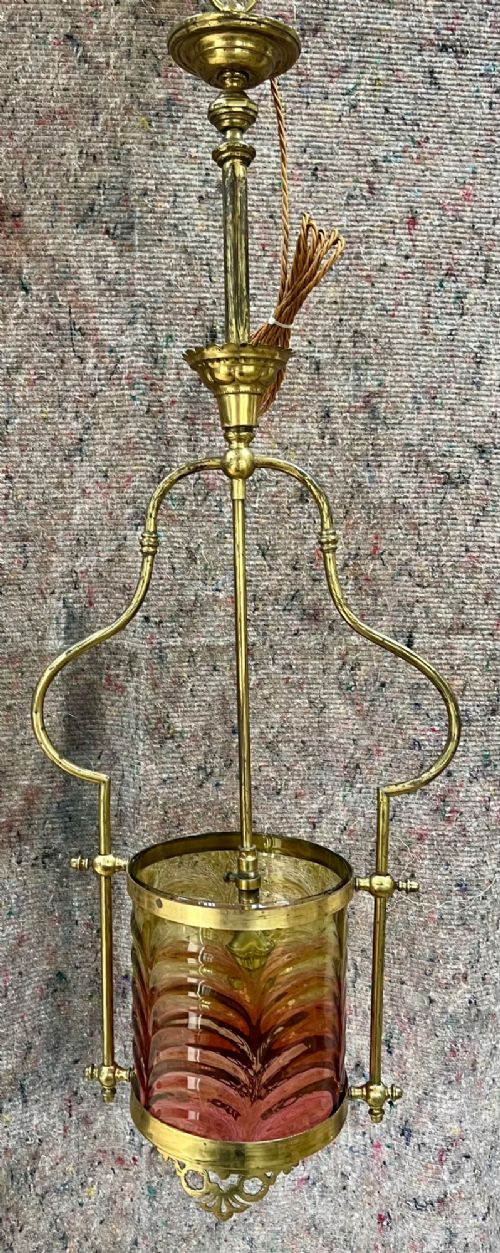
A traditional brass fitting encompasses a broad array of period hardware and lighting fixtures designed for domestic interiors. The selections span from multi-armed chandeliers and convex hall lanterns to fireplace andirons and door knockers.
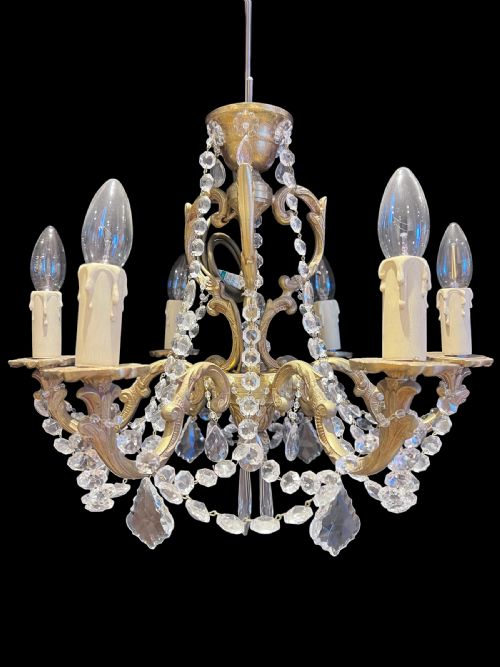
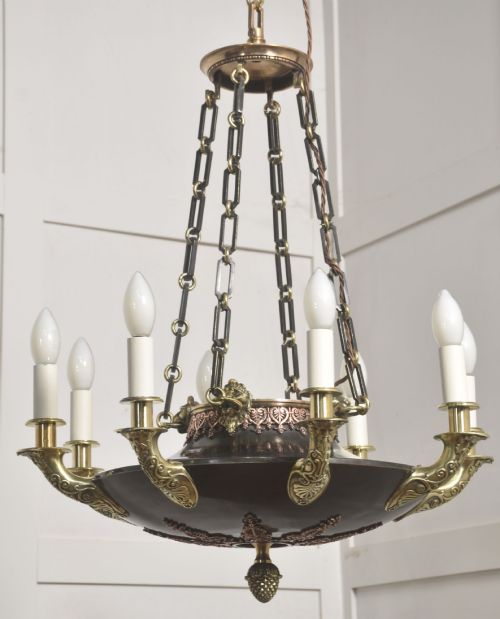
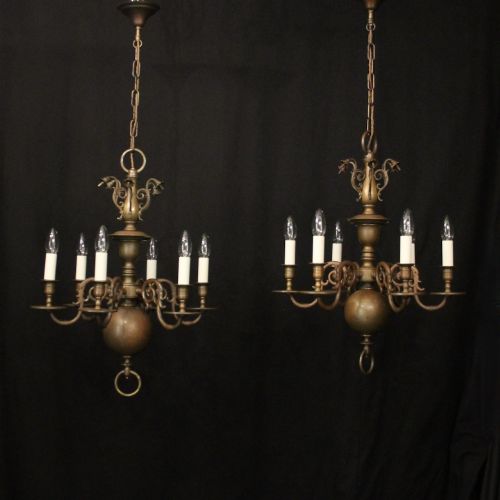
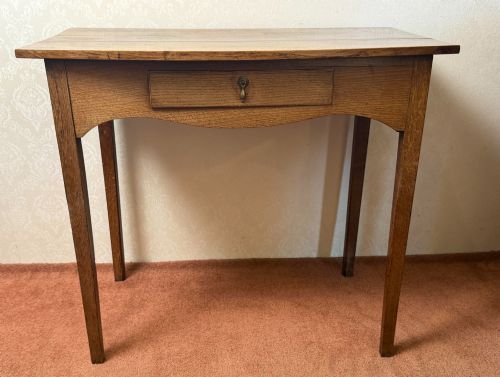
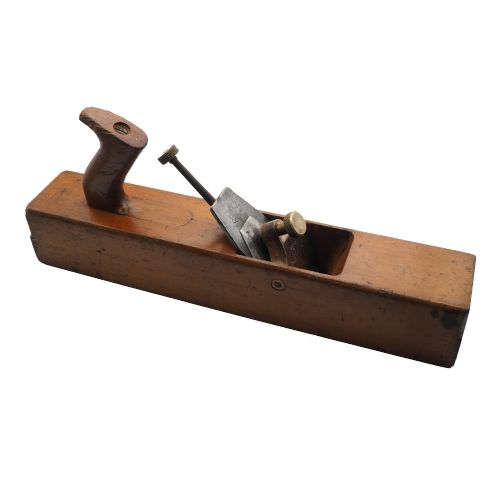
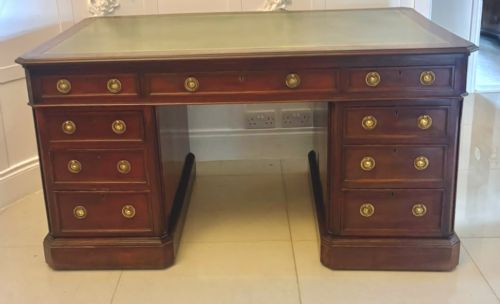
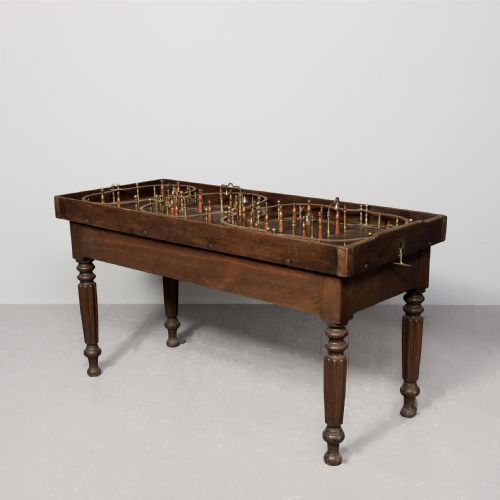
The most common examples encountered in this category are chandeliers and ceiling lights, particularly French and English multi-light fixtures manufactured in bronze, gilt brass, and cast brass. These lighting forms dominate the range alongside occasional desks, side tables, and woodworking tools.
Originating predominantly from the nineteenth and early twentieth centuries, including the Victorian and Edwardian periods, these objects reflect diverse European stylistic influences. Pieces range from French Empire and Rococo designs to English country and Dutch Baroque forms.
Materials and construction techniques
Metalworking techniques form the core of these pieces, relying heavily on brass, bronze, and copper cast in complex moulds or hammered by hand. Gilt finishes, surface gilding, and applied patination are frequently utilised to enrich the raw metal surfaces.
Glass and crystal elements are routinely integrated into lighting fixtures, held by metal armatures to refract light through drops, tents, and waterfalls. Supplementary materials such as oak, mahogany, beech, and rosewood appear in furniture and cabinet pieces associated with the broader category.
Listings feature lighting and hardware predominantly in brass, bronze, and gilt finishes, spanning the nineteenth century through the early twentieth century.
Distinctions in craftsmanship and finish
Quality diverges notably in the crispness of metal casting and the depth of surface chasing. Finer examples display sharp detail in decorative motifs and smooth, deliberate patination, whereas lesser pieces show softer contours and coarser assembly.
The integration of secondary materials like cut crystal drops, hand-blown glass, and specialised joinery elevates an object's standing. Superior lighting fixtures maintain balanced proportions across multiple arms and structural integrity within their hanging mechanisms.
Norris London
The Traditional Brass Fitting Glossary
- Chandelier
- A branched ceiling-mounted lighting fixture designed to hold multiple candle or electric light sources. These often incorporate glass crystals and metal frames.
- Gilt bronze
- Bronze metal that has been coated with a thin layer of gold or gold leaf. This technique provides a rich, enduring metallic sheen.
- Andirons
- Horizontal metal bars supported on legs, placed in a hearth to raise firewood for better air circulation. They frequently feature decorative brass or bronze terminals.
- Hall lantern
- An enclosed ceiling or wall-mounted light fixture designed for entranceways and corridors. They often use convex glass panels within a metal framework.
- Patina
- The surface appearance altered by age, wear, and polishing over decades or centuries. Collectors value this natural indicator of historical authenticity.
Traditional Brass Fitting: Frequently Asked Questions
What is a traditional brass fitting?
A traditional brass fitting refers to historical metal hardware, lighting, and decorative accessories constructed primarily from copper alloys. These items include chandeliers, wall lights, and fireplace furniture from past centuries.
They serve both functional and decorative purposes in period interiors, utilising enduring metal components that have survived through generations of domestic use.
How do I hang a heavy antique chandelier?
Hanging a heavy antique chandelier requires securing the fixture directly to ceiling joists using rated steel fixings and appropriate weight-bearing brackets. The considerable mass of cast metal and crystal demands professional structural support.
Electrical wiring must also be inspected and updated to comply with current safety standards while preserving the historical framework of the light.
How do I clean antique brass safely?
Cleaning antique brass involves removing surface dust with a soft cloth and avoiding harsh chemical abrasives that strip the historical patina. Gentle washing with mild soap and warm water is usually sufficient for regular maintenance.
Aggressive polishing destroys the aged surface character that collectors and historians prefer to preserve on nineteenth and early twentieth-century metalwork.
Can I date a brass fitting by its style?
Dating a brass fitting relies on observing stylistic markers such as Victorian ornamentation, Edwardian simplicity, or French Empire motifs. Manufacturing techniques like sand casting versus machine production also offer chronological clues.
Comparing the assembly methods, screw types, and decorative details against documented historical examples helps narrow down the period of origin.