


Traditional Brass Candle Stands
Traditional brass candle stands bring genuine weight and period warmth to a room, offering functional lighting shaped by centuries of metalwork.
Traditional Brass Candle Stands
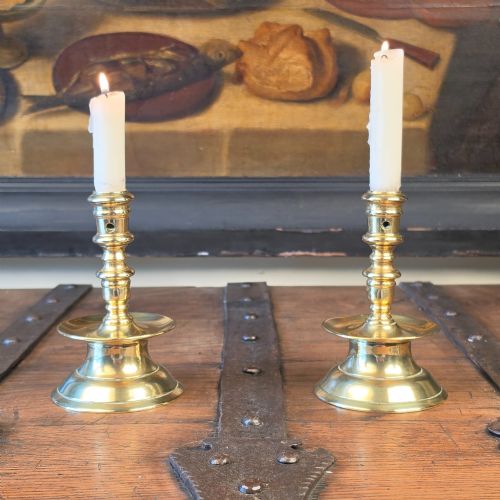
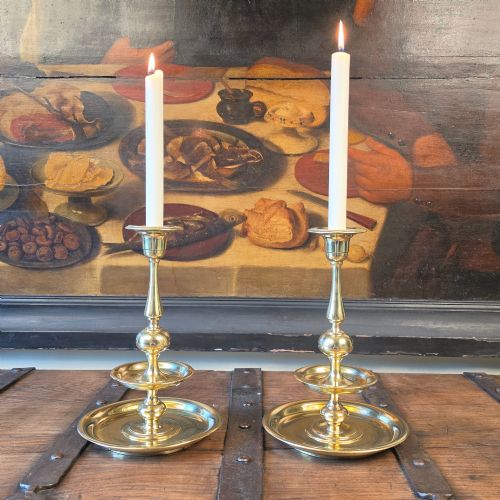
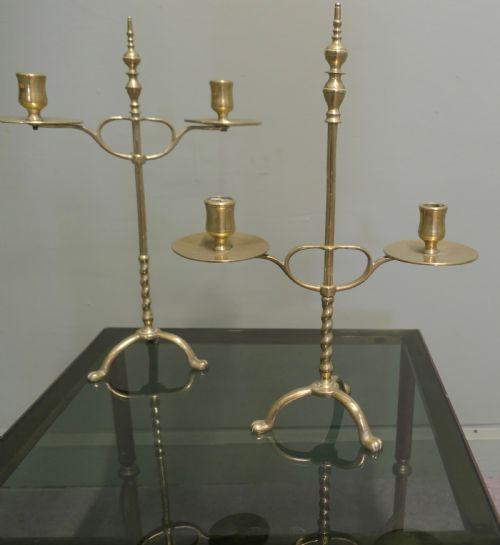
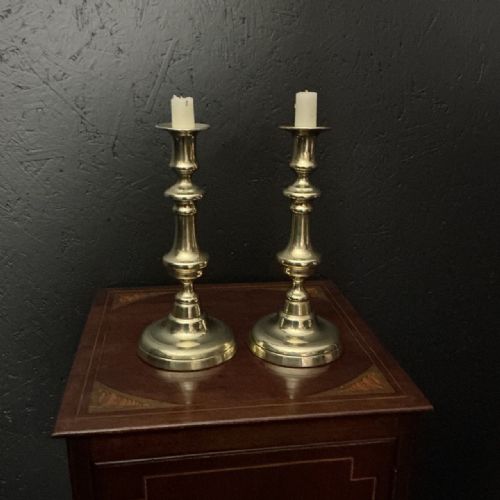
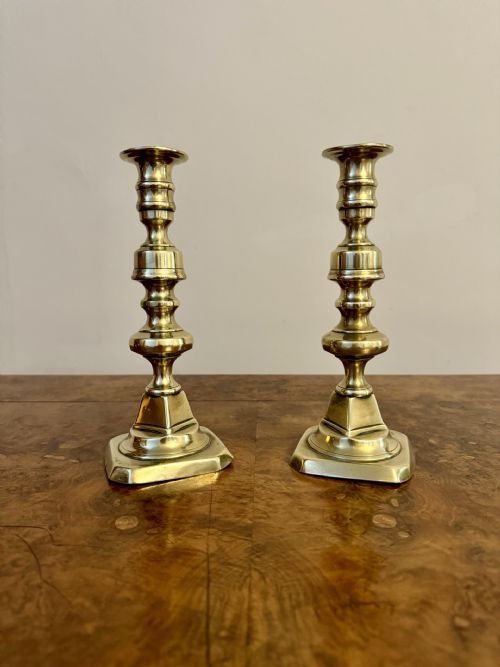
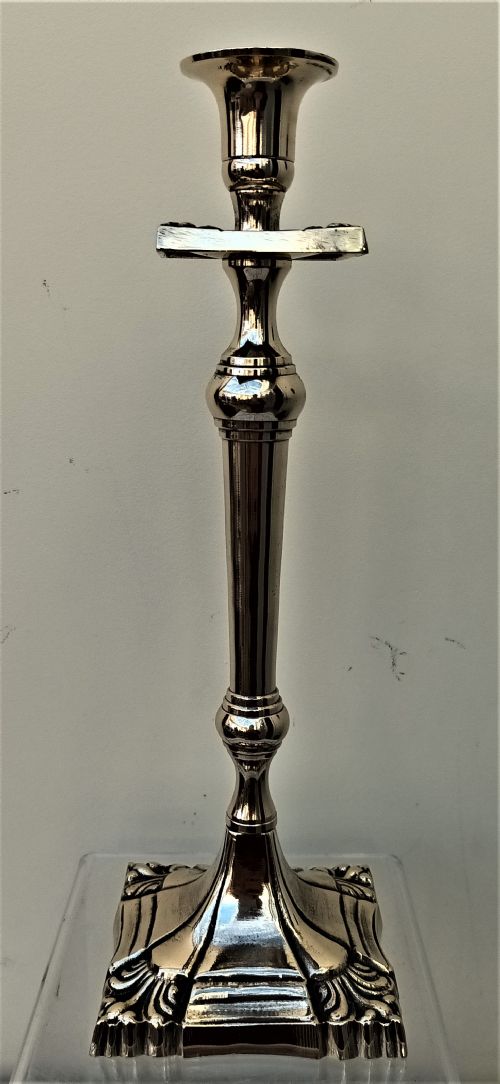
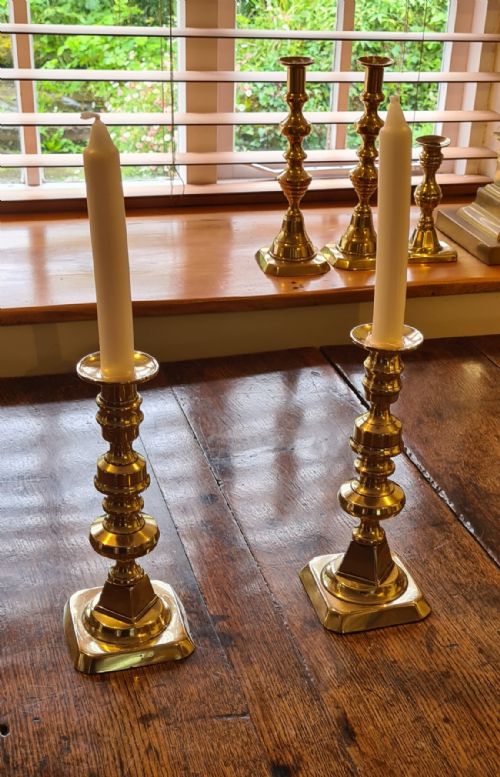
Traditional brass candle stands encompass various forms of candlesticks and candleholders spanning the eighteenth and nineteenth centuries, alongside revival pieces modelled on earlier designs. These objects emerge from Georgian and Victorian periods, featuring notable examples from the eighteen-eighties and nineteen-hundreds.
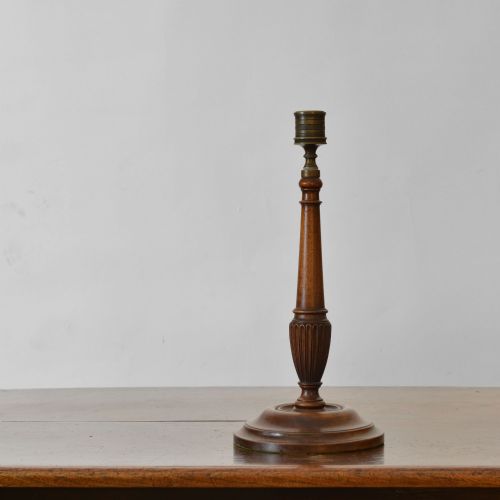
Buyers encounter single sticks and matched pairs built for domestic tables, desks, and churches. Materials range from solid brass to cast bronze and combinations incorporating mahogany and oak.
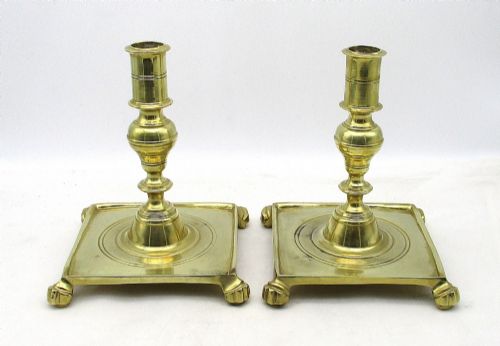
Stylistic influences draw heavily from Georgian elegance, Victorian ornamentation, and seventeenth-century revivals including Baroque and Jacobean motifs.
Proportions and casting finish
Finishing separates standard production items from finer workshop output, particularly in the crispness of turned details and the smoothness of cast joints. Heavy gauge metal provides satisfying heft and structural stability to tall columns.
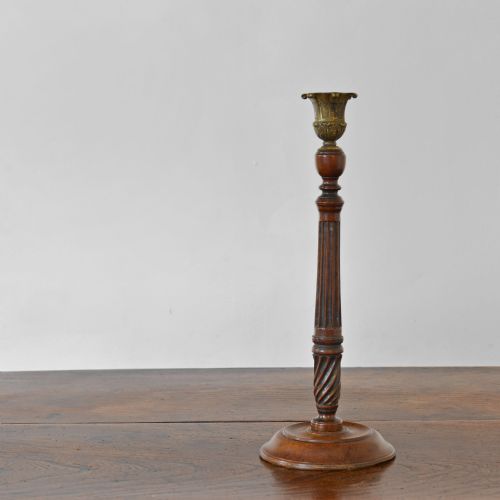
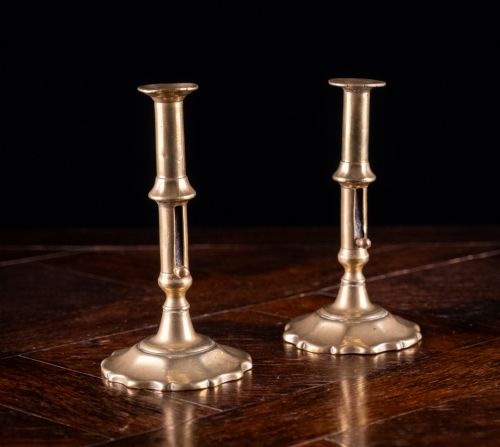
Makers who retained original ejector mechanisms or incorporated subtle twists in the brass and timber display superior craftsmanship. Clean lines on petal bases and restrained ornamentation indicate higher design merit.
Traditional Brass Candle Stands Retail Price Guide 2026
Typical asking prices for traditional brass candle stands among the pieces listed under this phrase on Sellingantiques today, from the lower quarter to the upper quarter. They describe what is for sale here now, not the wider market.
J.T. & Co·James Clews
The Traditional Brass Candle Stands Glossary
- Ejector candlestick
- A domestic holder featuring an internal sliding mechanism designed to push the remaining candle stub up for easy removal. This ingenious device became common during the mid-nineteenth century.
- Pricket candlestick
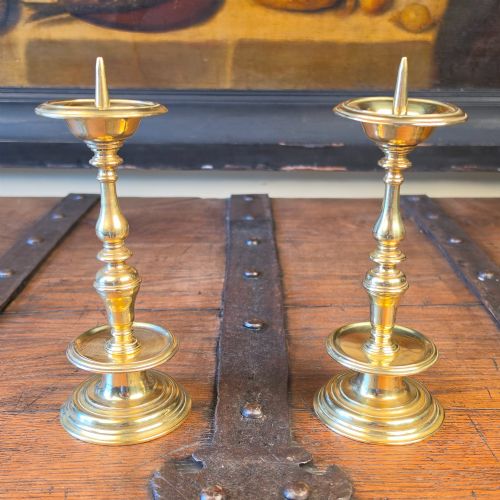
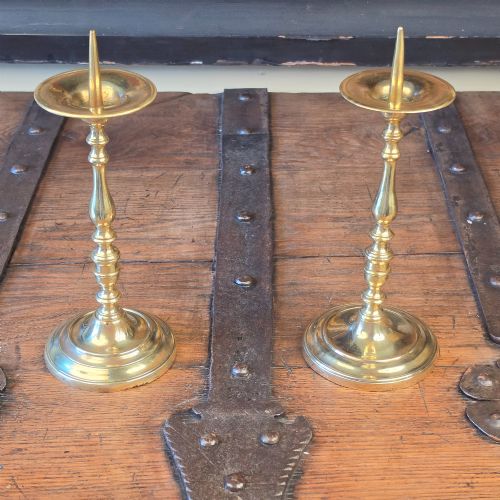
- A spike-topped holder designed to impale a candle rather than accept it into a socket. These often appear in ecclesiastical settings and revival pieces.
- Petal base
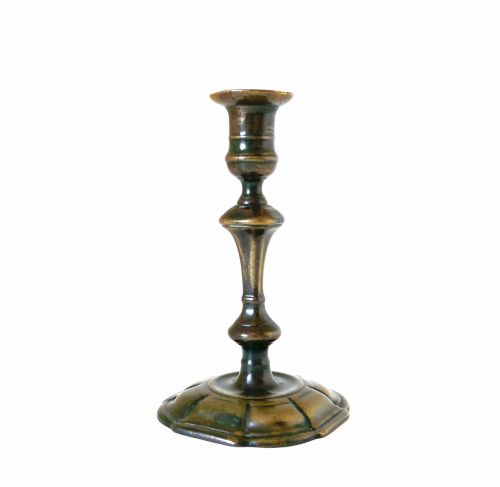
- A scalloped, multi-lobed foot resembling an open flower, popular on eighteenth-century designs. This shape provides a stable foundation while softening the silhouette.
- Barley twist
- A spiral column carved into wood or cast into metal, reminiscent of a twisted stalk of barley. The design gained popularity across various revival periods.
- Patination
- The surface sheen and darkening acquired by brass and bronze through age and oxidation. Collectors prize unpolished or naturally mellowed surfaces.
Traditional Brass Candle Stands: Frequently Asked Questions
What are traditional brass candle stands?
These pieces comprise seventeenth to twentieth-century candlesticks and holders cast or turned from brass, bronze, and mixed woods.
They serve as decorative lighting accessories originating from Georgian, Victorian, and Edwardian eras.
How do I date a brass candlestick?
Dating relies on stylistic clues like petal bases, seamed construction lines, and registered design marks on the metal.
Revival pieces often mimic seventeenth-century forms while retaining nineteenth-century manufacturing techniques.
What is an ejector candlestick?
An ejector stick contains a small internal slider connected to an exterior thumbpiece for lifting candle stubs.
This practical feature was widely adopted by nineteenth-century manufacturers for domestic table use.
Are these candle stands made of solid brass?
Many examples consist of solid cast brass or bronze, whilst others incorporate turned oak and mahogany elements.
Weight and construction methods help distinguish solid metal casting from plated alternatives.
How do I care for antique brass?
Maintenance involves gentle dusting with a soft cloth to preserve the natural historic surface patination.
Avoid harsh chemical cleaning agents that strip away the aged character accumulated over centuries.