


Traditional Bobbin Seating
Traditional bobbin seating brings sculptural turned woodwork into everyday rooms, offering sturdy seating built with distinctive spool-shaped turnings.
Traditional Bobbin Seating
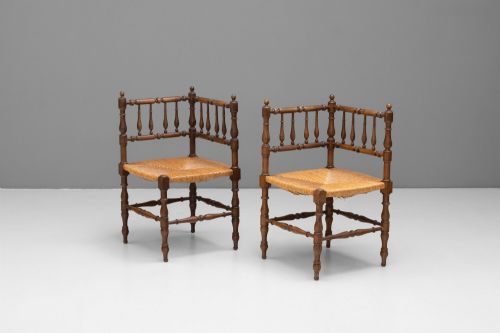
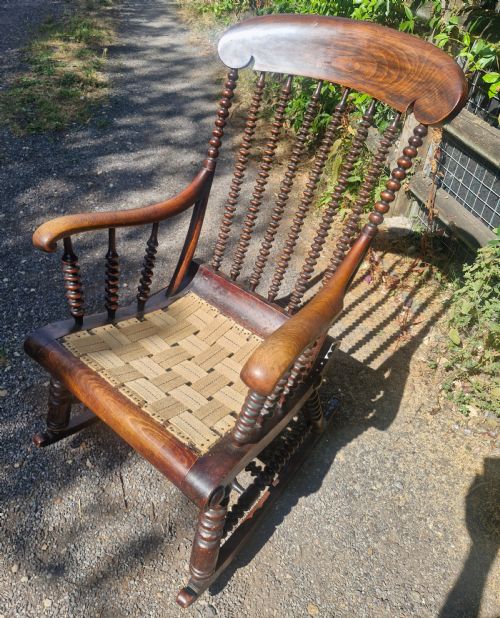
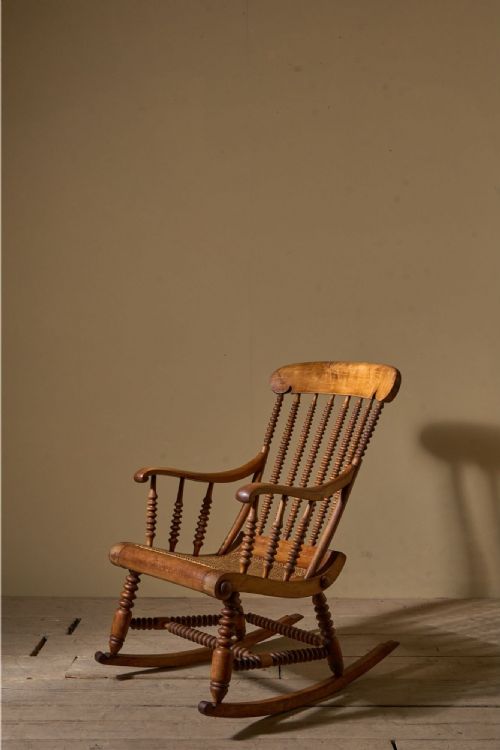
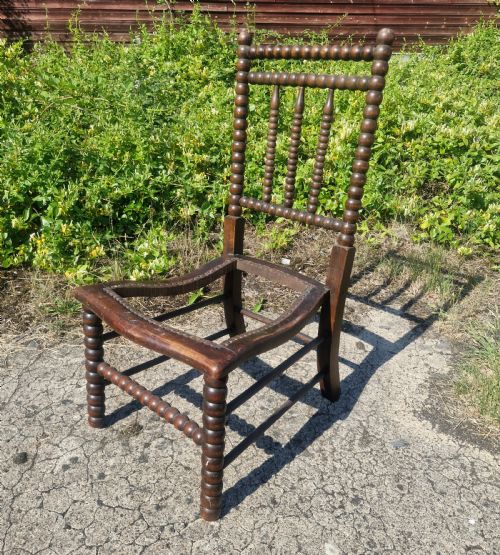
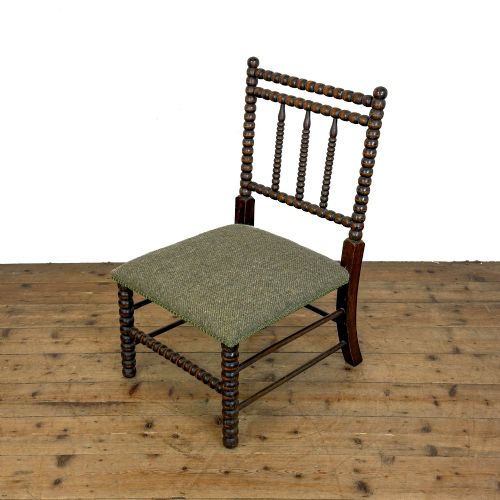
Traditional bobbin seating encompasses practical chairs and stools defined by their spool-turned framework. When exploring traditional bobbin seating, expect to find nineteenth-century pieces ranging from low bedroom chairs to substantial armchairs and rocking chairs.
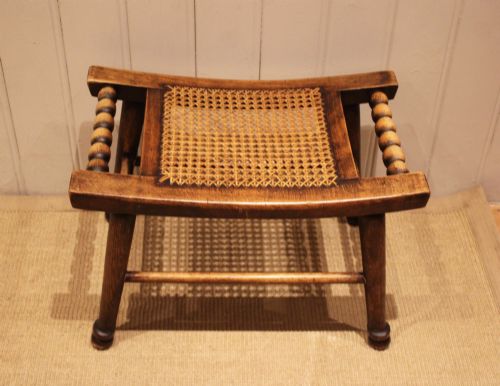
Makers utilised various timbers to construct these frames, pairing the characteristic rounded turnings with rush, cane, or fabric seating. Pieces often appear alongside related styles like Derbyshire chairs and turners' armchairs.
Aspects of quality
Quality rests upon the crispness of the lathe work and the uniformity of the individual bobbin turnings. Better examples display careful timber selection, ensuring the grain complements the complex turned profiles without weakness.
The integrity of the structural joints and the tightness of the original weaving determine the durability of each chair. Finer specimens maintain original surface finishes and authentic seating materials rather than modern replacements.
Current listings span the nineteenth century, featuring oak, beech, and walnut alongside rush, cane, and fabric seats.
The Traditional Bobbin Seating Glossary
- Bobbin turning
- A form of woodturning characterised by a succession of rounded, spool-like shapes resembling bobbins of thread. This technique defines the primary decorative structure of the furniture.
- Turners chair
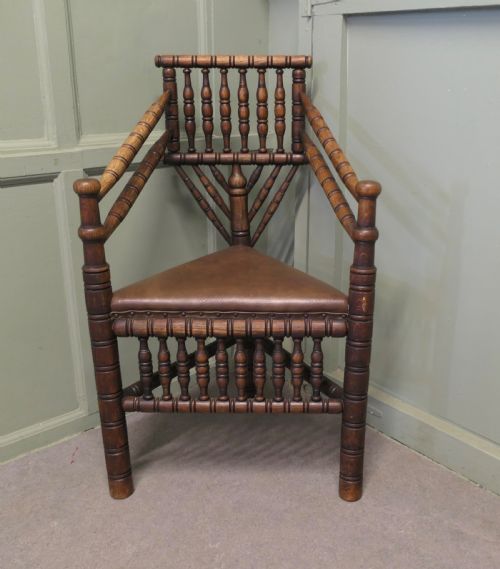
- An early form of seating constructed entirely from turned posts and spindles, sometimes associated with traditional Saxon designs. These armchairs typically feature heavy wooden frames and triangular or square seats.
- Cane seat
- A seating surface woven from peeled rattan strips in traditional mesh patterns. It provides a lightweight yet resilient support suspended within the wooden frame.
- Rush seating
- A woven seat made from dried marsh rushes twisted into cords. This traditional material yields a durable, textured surface common on country chairs.
Traditional Bobbin Seating: Frequently Asked Questions
What is a bobbin chair?
A bobbin chair is a piece of seating furniture constructed with wooden frame members turned on a lathe to resemble a series of bobbins or spools.
These chairs date predominantly to the nineteenth century and draw on older vernacular traditions like the turner's chair.
How do I date a bobbin chair?
Dating relies on examining the timber species, construction methods, and overall furniture form in relation to known historical periods.
Nineteenth-century examples frequently employ beech, oak, or walnut, sometimes combining turned frames with cane or rush seating.
Where were bobbin chairs used?
These chairs served versatile roles across domestic interiors, appearing in bedrooms, libraries, and country house sitting rooms.
Smaller low-seat versions suited dressing rooms, while larger armchairs and rocking chairs functioned as fireside seating.
Are bobbin chairs comfortable?
Comfort depends heavily on the specific form, seat type, and whether a cushion is included with the frame.
Open armchairs with woven cane or rush seats offer supportive seating, while bedroom chairs provide lower, relaxed proportions.