





Traditional Asian Pottery Vases
Traditional Asian pottery vases bring centuries of kiln mastery into a room, offering rich palettes of cobalt blue, enamel, and gold leaf that command attention.
Traditional Asian Pottery Vases
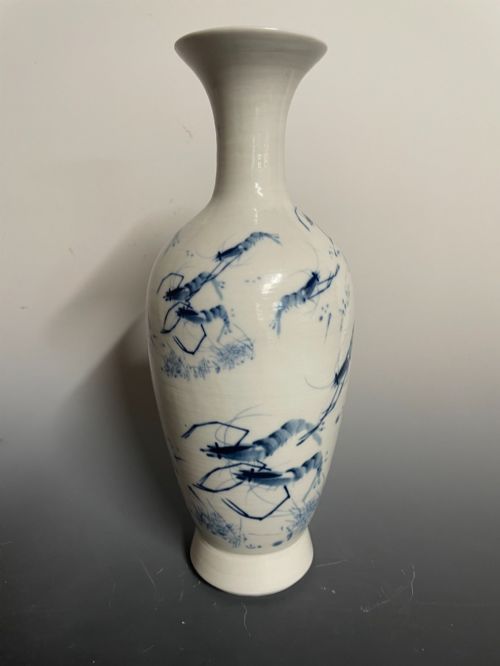
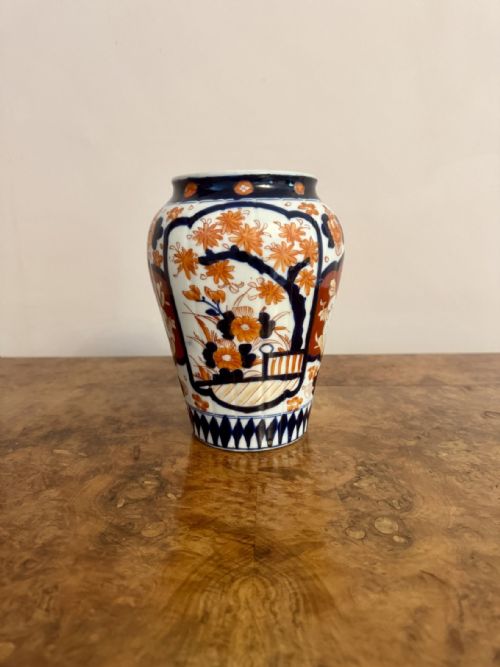
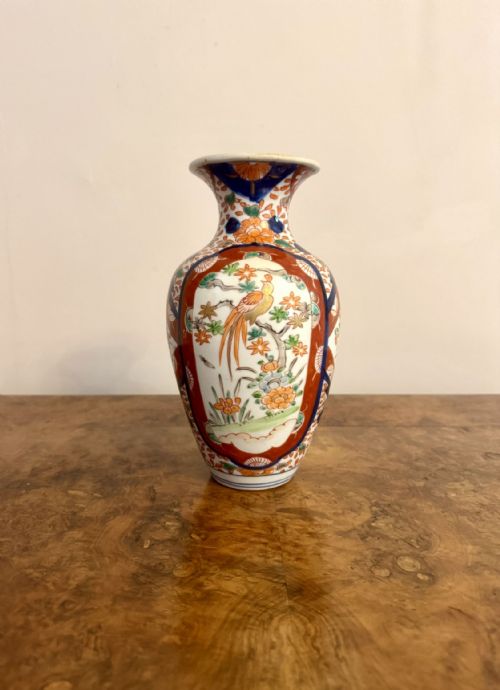
Traditional Asian pottery vases encompass diverse forms originating from Chinese and Japanese kilns, ranging from compact cabinet pieces to imposing floor vases and converted table lamps. Buyers pursuing traditional asian pottery vases will frequently encounter Japanese Imari wares from around nineteen hundred alongside earlier Chinese blue and white porcelain.
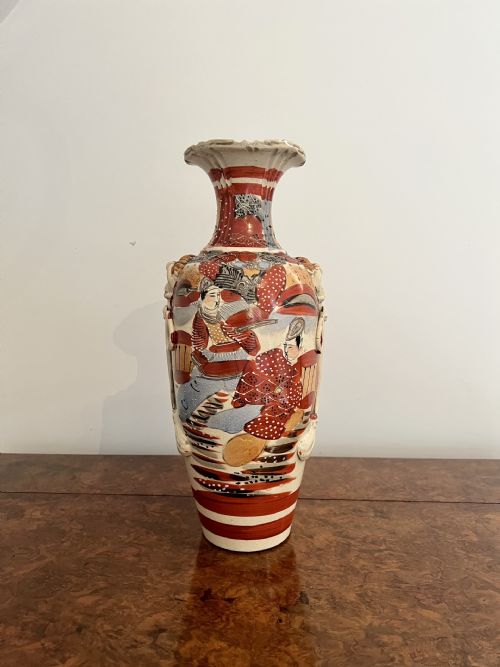
The selection includes specific regional identities such as Satsuma and Kutani ceramics, plus decorative Chinese export creations. Hexagonal shapes and double gourd silhouettes appear alongside pairs of large floor vases suited to major architectural spaces.
Materials and construction
These vessels rely fundamentally on fine porcelain and earthenware bodies, shaped by hand or wheel before receiving meticulous surface decoration. Artisans applied cobalt glaze beneath the transparent surface or built up intricate designs using vibrant enamel colours and gold leaf highlights.
Certain examples incorporate contrasting elements such as brass mounts or cloisonné work, fusing metalworking techniques with ceramic traditions to achieve their decorative impact.
Traditional Asian Pottery Vases Retail Price Guide 2026
Typical asking prices for traditional asian pottery vases among the pieces listed under this phrase on Sellingantiques today, from the lower quarter to the upper quarter. They describe what is for sale here now, not the wider market.
Current listings feature porcelain and earthenware bodies decorated with cobalt glaze, enamel, and gold leaf across multiple periods.
Assessing quality and merit
Distinction across these vases lies in the precision of the brushwork and the depth of the glaze palette, where confident, fluid painting elevates a piece far above mechanical or hurried execution. The richness of the gilding and the crispness of moulded details further separate standard decorative items from superior examples.
Proportion and balance also govern value, as successful vessels maintain absolute harmony between their form, neck, and footrim regardless of whether they measure a few inches or stand as towering floor pieces.
The Traditional Asian Pottery Vases Glossary
- Imari
- A style of Japanese porcelain featuring a characteristic palette of underglaze cobalt blue, iron red, and gilt highlights. This aesthetic proved highly popular for export during the late nineteenth and early twentieth centuries.
- Satsuma
- A type of Japanese earthenware characterised by a pale, ivory-coloured cracked glaze decorated with detailed enamels and heavy gilding. These pieces frequently depict figural scenes and intricate floral motifs.
- Cloisonné
- A metalworking technique where thin wire partitions create compartments on a vase body, which are then filled with enamel paste and fired. It often appears alongside ceramic works in mixed decorative groupings.
- Double gourd
- A traditional vase silhouette shaped like two stacked spheres resembling a medicinal gourd, signifying good fortune and prosperity in East Asian design.
Traditional Asian Pottery Vases: Frequently Asked Questions
What periods do these vases date from?
The available selection spans from the late nineteenth century through to the early decades of the twentieth century, including pieces marked in nineteenth century styles.
Production dates recorded in the inventory stretch from eighteen seventy up to nineteen thirty, covering significant periods of export ceramics.
How were these vases originally used?
Many of these vessels served as decorative centrepieces in grand interiors, often displayed in matched pairs on pedestals or tables. Larger floor vases were designed to fill empty architectural corners in reception rooms.
Some later examples have been adapted as table lamps while retaining their original ceramic bodies.
How do I distinguish Imari from Satsuma?
Imari ceramics utilise hard porcelain decorated primarily in cobalt blue and iron red with gold, presenting a resonant ring when tapped. Satsuma pieces consist of softer earthenware covered in a distinct crackled glaze beneath dense enamel paintings.
Satsuma work generally displays elaborate figural and nature scenes, whereas Imari favours geometric and floral panel layouts.
Are these vases sturdy enough for daily use?
While manufactured from durable ceramic materials, these antique pieces require careful handling due to their age and delicate surface decorations like enamel and gold leaf. They function best as static decorative objects rather than utilitarian vessels for holding water and fresh flowers.
Placing them on stable surfaces away from high-traffic areas ensures their preservation.