


Traditional Asian Carved Sculptures
Traditional Asian carved sculptures bring centuries of regional craftsmanship into a room, spanning figures, deities, and animals carved from wood, stone, and soapstone.

Traditional Asian Carved Sculptures
Traditional Asian carved sculptures encompass figures, animals, and architectural fragments originating from China, Japan, India, Burma, and Cambodia. These pieces range in date from the eighteenth century through the early twentieth century, reflecting diverse cultural traditions.
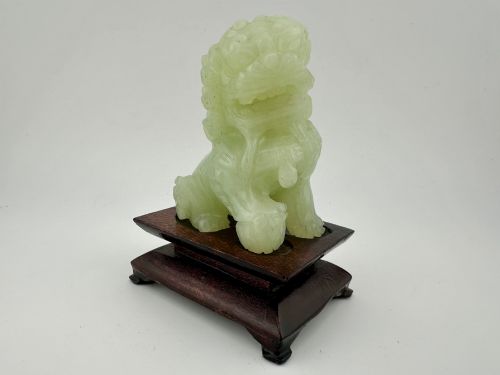
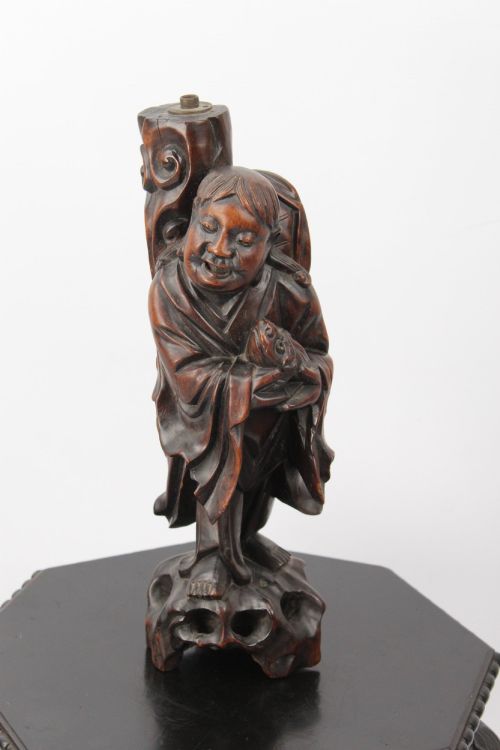
Buyers encountering this group will frequently find figures of Daoist immortals, Buddhist deities such as Buddha and Quan Yin, mythical beasts like Foo Dogs, and genre subjects carved in hardwood, soapstone, and bamboo. The selection also includes functional objects such as headrests, seats, and desk seals alongside pure display sculptures.
How they were made
Makers utilised organic materials such as dense hardwoods, root wood, boxwood, bamboo, and coconut, shaping the natural contours of the medium into intricate figural and landscape compositions. Stone variants rely on soapstone and hardstone, carved with fine detail to depict continuous wooded scenes or temple guards.
Materials in this group span organic media like bamboo, coconut, and root wood alongside soapstone and hardstone.
What varies in quality
The preservation of original surface finishes, such as polychrome pigments, gold leaf, and polished hardstone, determines the integrity of the piece. Superior examples maintain crisp undercut details and stable junctions where multiple elements or wooden stands are involved.
The Traditional Asian Carved Sculptures Glossary
- Netsuke
- A small carved toggle fastened to the end of a cord connecting a small container to a kimono sash. These miniature sculptures often depict animals, figures, or mythical subjects.
- Okimono
- A Japanese decorative freestanding sculpture designed for display on a tokonoma alcove or shelf. These figures frequently represent deities, historical figures, or daily life.
- Soapstone
- A talc-schist mineral soft enough to carve easily with hand tools, frequently utilised for Chinese desk seals, seals, and landscape carvings. It exhibits a smooth, soapy texture.
- Foo Dog
- A stylized mythical lion or temple guardian dog traditionally placed at gates to ward off evil spirits. They appear frequently in stone, wood, and ceramic sculpture.
Traditional Asian Carved Sculptures: Frequently Asked Questions
What materials are these sculptures made from?
These sculptures are fashioned predominantly from various woods, including dense hardwood, boxwood, bamboo, root wood, and coconut. Mineral materials such as soapstone, hardstone, stone, and terracotta also appear across the selection.
Surface treatments on these materials frequently include applied gold leaf, lacquer, and polychrome pigments to enhance the visual depth of the carved subjects.
How do I identify the subject of a figure?
Many figures represent specific deities, immortals, or cultural archetypes like Daoist immortals, Buddhist figures such as Quan Yin or Buddha, and temple guardians like Foo Dogs. Attributes like specific headdresses, companion animals, or symbolic objects held in the hands typically identify the subject.
Secular figures often depict fishermen, sages, dancers, or genre scenes from daily life within traditional Asian settings.
Where were these carved sculptures originally produced?
The pieces originate from across Asia, with a strong representation of Chinese Qing period and traditional works, Japanese Edo and Meiji period carvings, and South Indian folk art. Burmese temple carvings and Cambodian or Khmer figures also form part of the regional spread.
Each region utilised distinct local materials, such as bamboo and hardwoods in China or boxwood in Japan, alongside specific regional iconography.
How should I care for antique carved wooden sculptures?
Keep wooden and bamboo sculptures away from direct sunlight and extreme fluctuations in humidity to prevent timber splitting or warping. Dust them gently with a dry, soft cloth without applying modern chemical polishes or oils.
Stone and soapstone pieces require similar gentle handling to protect delicate protruding elements like fingers, tusks, or intricate landscape details.