
Traditional Armoire Wardrobe
A traditional armoire wardrobe provides substantial storage through panelled doors and internal hanging space, drawing on centuries of vernacular furniture design.
Traditional Armoire Wardrobe
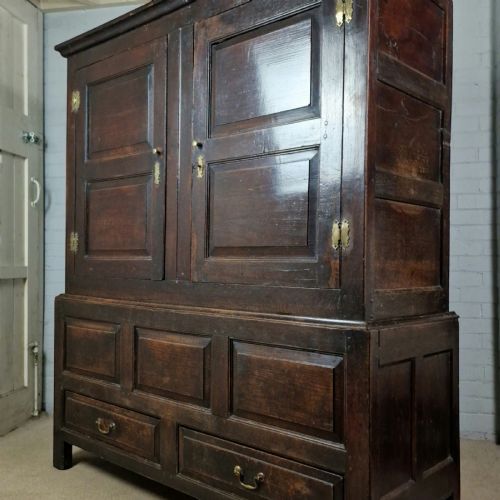
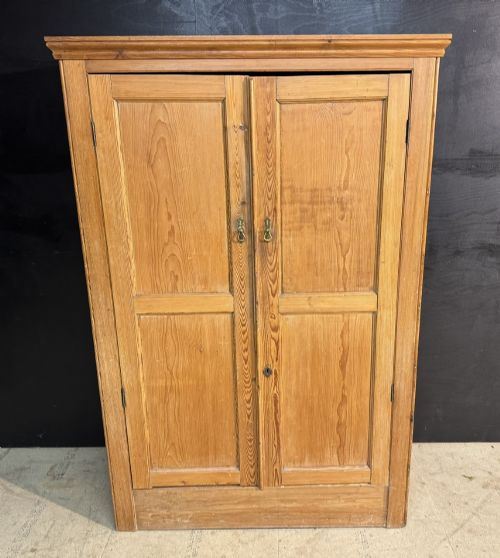
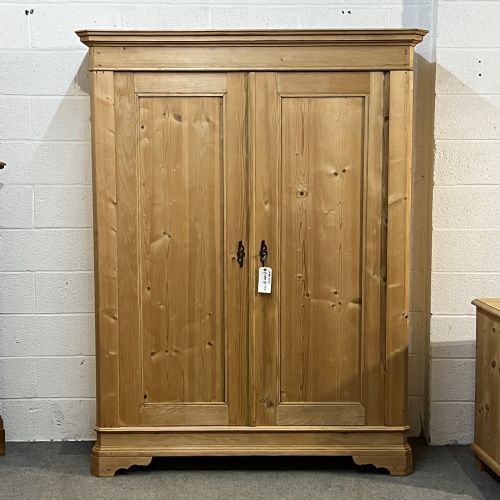
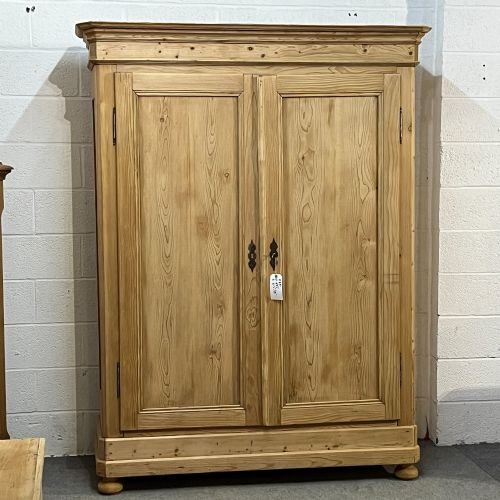
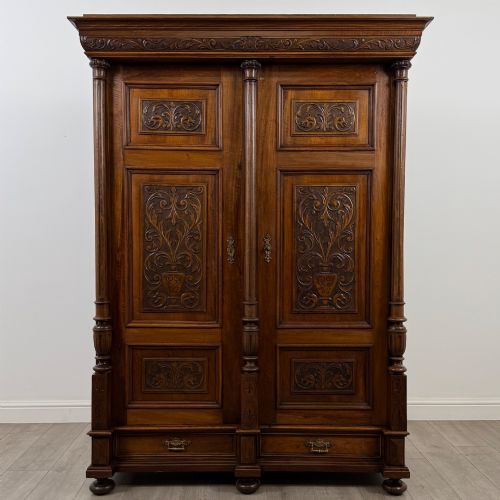
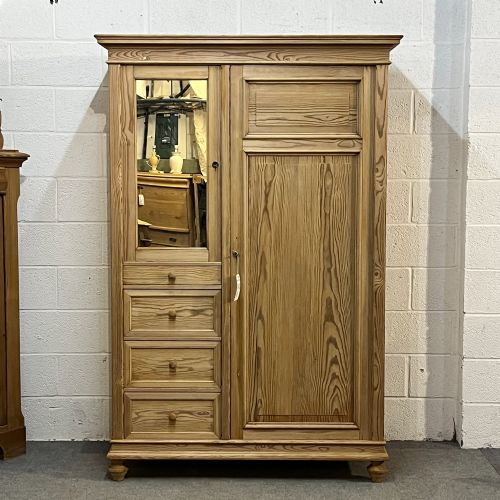
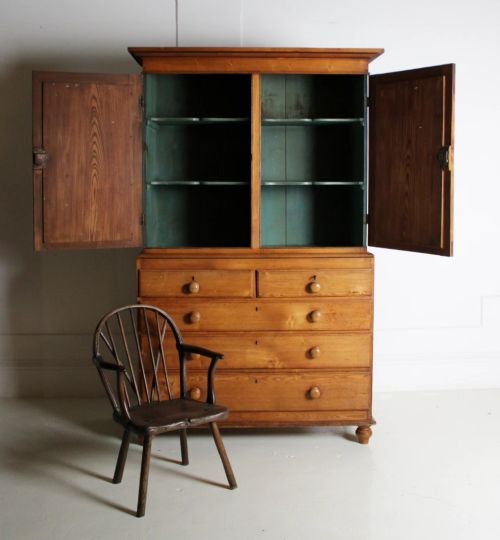
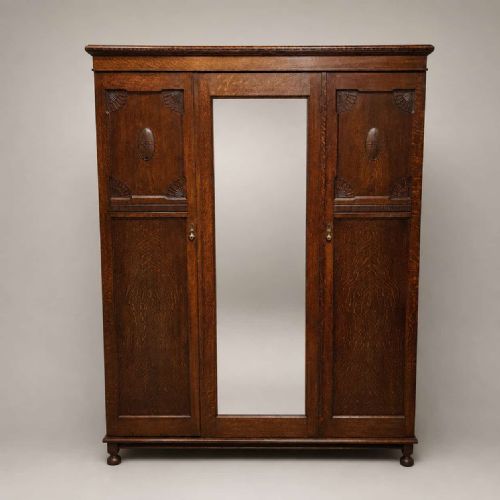
When you search for a traditional armoire wardrobe, you encounter large storage furniture originating from various periods including the eighteenth and nineteenth centuries. These pieces encompass regional forms such as Georgian oak housekeepers cupboards, Victorian pine wardrobes, and French provincial designs.
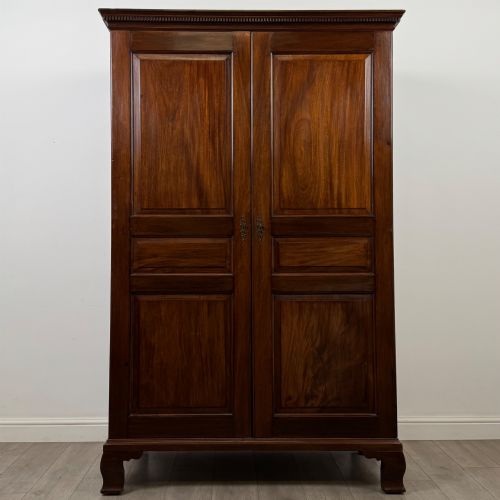
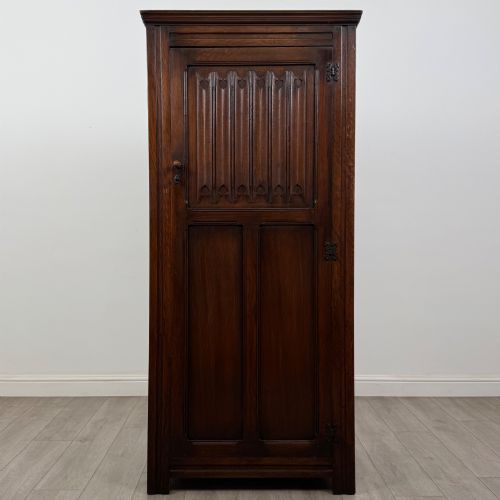
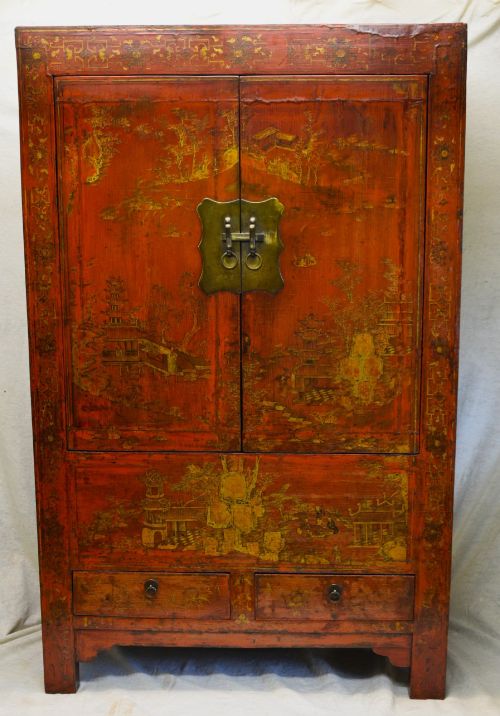
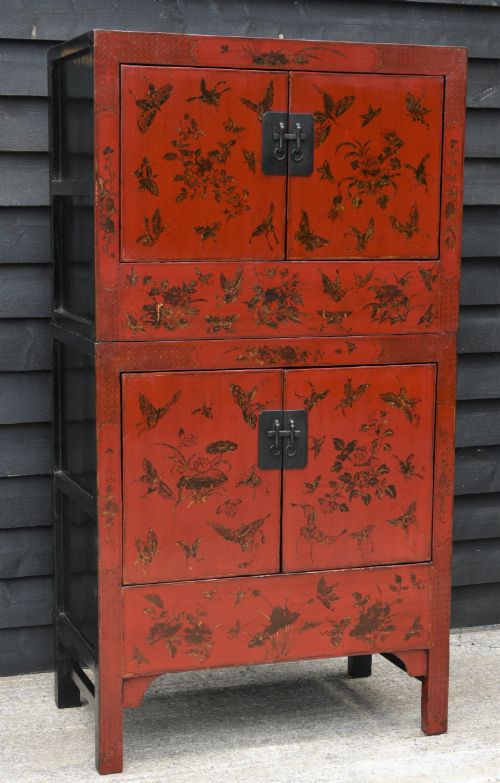
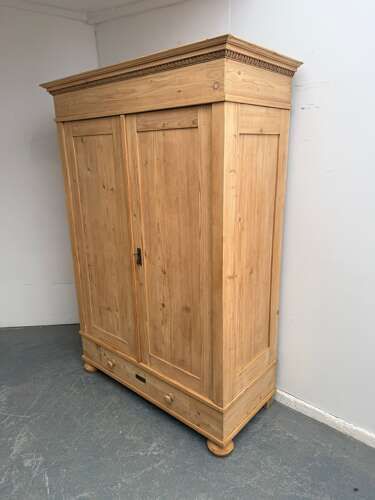
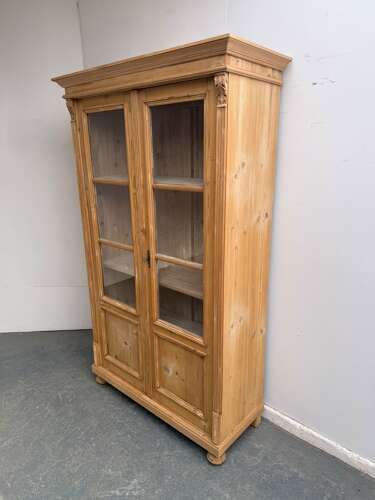
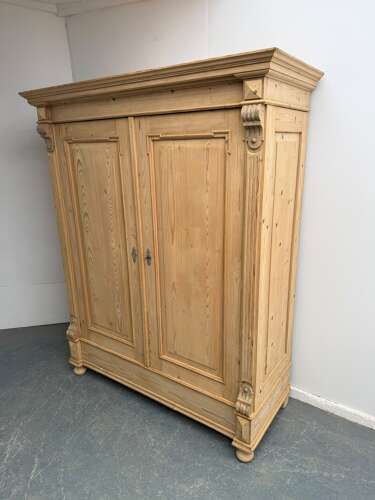
The selection on this page relies heavily on pine, mahogany, and oak constructions, spanning styles from country farmhouse examples to formal Georgian mahogany presses. Pieces range from simple two-door knockdown wardrobes to elaborate triple door formats and Chinese red lacquered wedding cabinets.
Buyers frequently find functional items intended for domestic storage, incorporating hanging space, shelves, and internal drawers. The regional variety reflects domestic habits across centuries, offering deep carcasses designed to hold heavy garments and household linens.
Materials and construction
Carpenters built these wardrobes using solid native timbers like pine, oak, and ash, alongside high-status hardwoods such as mahogany and walnut. Many large pine examples utilised knockdown construction systems held together by wooden pins or wedges to allow movement between rooms.
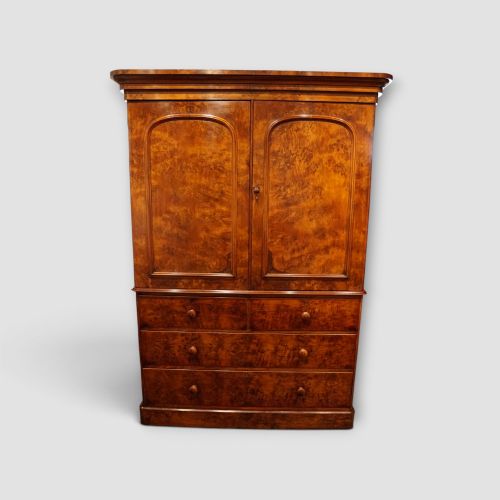
Joinery techniques relied on pegged mortise and tenon frames to support heavy panelled doors and internal shelving without warping. Cabinetmakers applied brass hardware, iron hinges, and glass panels where appropriate, while exterior surfaces often received coats of paint, wax, or flame mahogany veneer.
Several Chinese marriage cabinets arrive finished in vibrant red lacquer, originally intended to bring prosperity to newly wed couples.
Determining quality
Quality rests upon the selection of timber and the integrity of the structural joinery within the main carcass. Superior examples demonstrate careful timber matching on panelled doors and properly seated backboards that remain stable through seasonal humidity changes.
Proportion and execution define the distinction between standard utilitarian storage and finer cabinetmaking. Refined pieces exhibit balanced cornices, crisp mouldings, and original hardware that integrate harmoniously with the primary wood.
The Traditional Armoire Wardrobe Glossary
- Knockdown wardrobe
- A large wardrobe designed to be dismantled into flat panels and separate cornices for ease of transport and installation in domestic rooms.
- Linen press
- A tall storage piece featuring upper sliding trays or shelves enclosed by doors, positioned above a base section fitted with functional drawers.
- Housekeepers cupboard
- A utilitarian utility piece built with substantial depth and multiple internal shelves or hanging compartments intended for domestic organisation.
- Marriage cabinet
- A traditional Chinese storage form characterised by contrasting metal hardware, red lacquer finishes, and internal shelving for household goods.
Traditional Armoire Wardrobe: Frequently Asked Questions
How do I assemble a knockdown wardrobe?
Knockdown wardrobes utilise interlocking panels, pegged joints, or internal metal bolts designed to hold the heavy framework square without permanent glue. Careful alignment of the crown and base ensures the doors hang straight once tightened.
Working with a second person prevents strain on old timber tenons during the assembly process.
Can these wardrobes fit modern clothes hangers?
Older wardrobes frequently possess shallower internal depths than contemporary closets, requiring front-facing or specialised pull-out rails rather than standard sideways hanging rods. Measuring the internal depth before purchase confirms whether modern garment widths clear the closed doors.
Many period pieces relied on rows of wooden pegs or shallow shelves rather than hanging space.
How do I care for antique pine surfaces?
Pine furniture benefits from regular applications of natural beeswax to nourish the dry timber and protect against everyday moisture marks. Avoid placing unsealed pine pieces in direct sunlight or beside heat sources to prevent timber shrinkage.
Gentle dusting with a dry cloth preserves the patina built up over decades of domestic use.
What is the difference between an armoire and a press?
An armoire focuses primarily on vertical hanging space behind tall cabinet doors, whereas a traditional press incorporates sliding linen trays or shelves within the upper section. Both forms frequently include lower drawer banks for folded garments.
Regional cabinetmakers used these terms interchangeably depending on local workshop traditions.