



Traditional Anatolian Wool Carpet
Traditional anatolian wool carpet examples bring historic warmth to a floor through centuries of weaving heritage.
Traditional Anatolian Wool Carpet
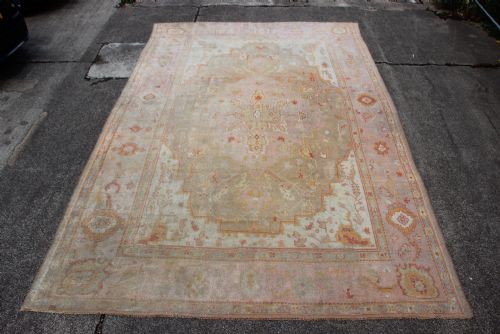
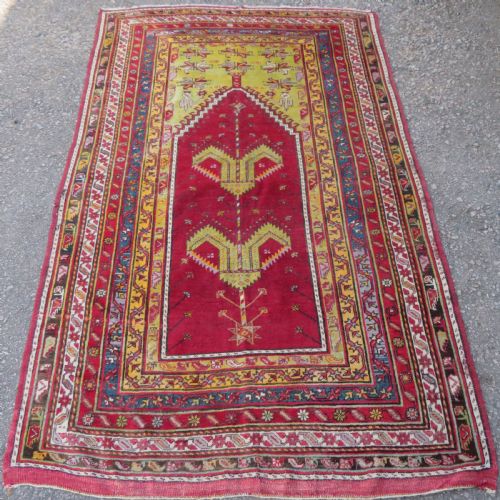
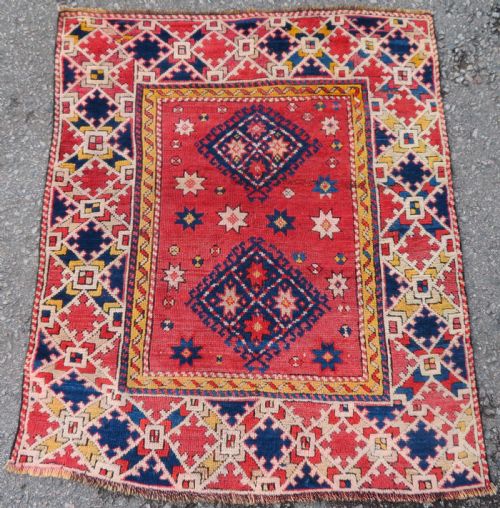
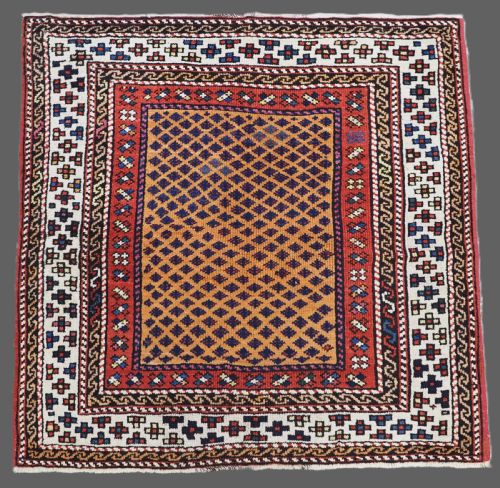
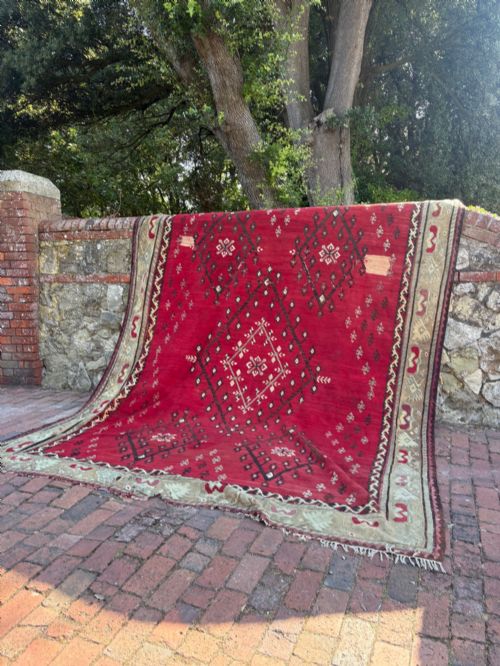
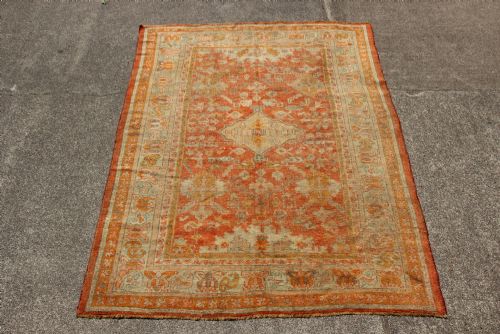
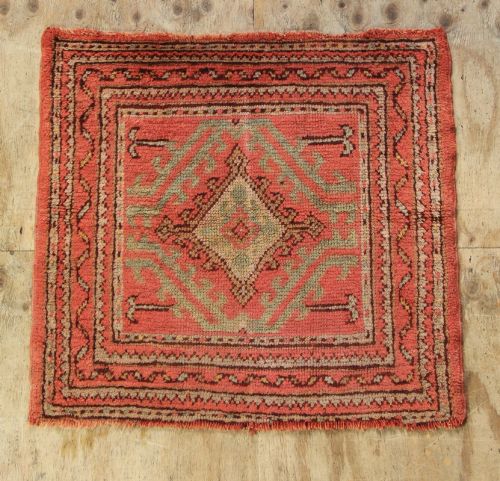
A traditional anatolian wool carpet represents hand-woven floor coverings originating from various regions of Anatolia and Turkey, spanning from the nineteenth century into the early twentieth century. Buyers encounter formats ranging from large palace-scale Oushak carpets down to narrow runners, square scatter rugs, and flatweave kilims.
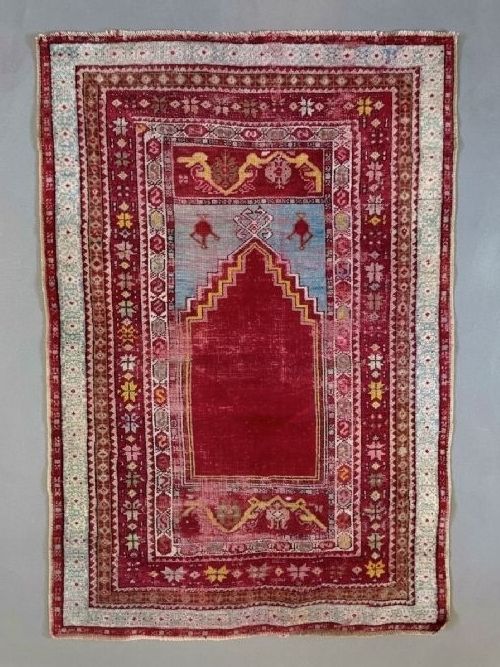
The selection frequently includes specific regional types such as Bergama, Kirsehir, Milas, and Konya Karapinar pieces, often created for village or town use. Prayer rugs with mihrab designs and large room-size carpets dominate the available inventory from periods like 1880, 1900, and the 1920s.
These textiles function practically as floor coverings while displaying traditional motifs, lattice patterns, and field colours that reflect their specific Anatolian origins. Each piece holds the structural history of regional village weaving traditions.
Distinctions in quality and execution
Quality separates through the fineness of the knot density, the precision of the lattice or prayer design, and the integrity of the natural dye palette. Examples showing exceptional colour depth, such as unusual pink or green fields, distinguish themselves from standard production.
The condition of the wool pile and the presence of early repairs impact the structural standing of the piece. Well-preserved village rugs maintain their original proportions and structural firmness across the foundation better than heavily worn examples.
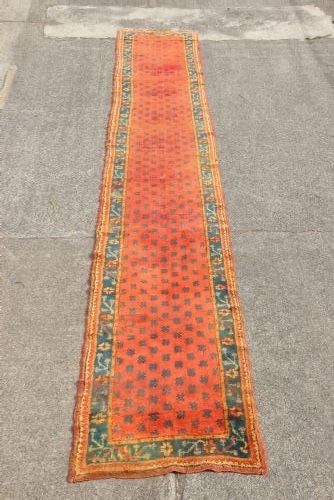
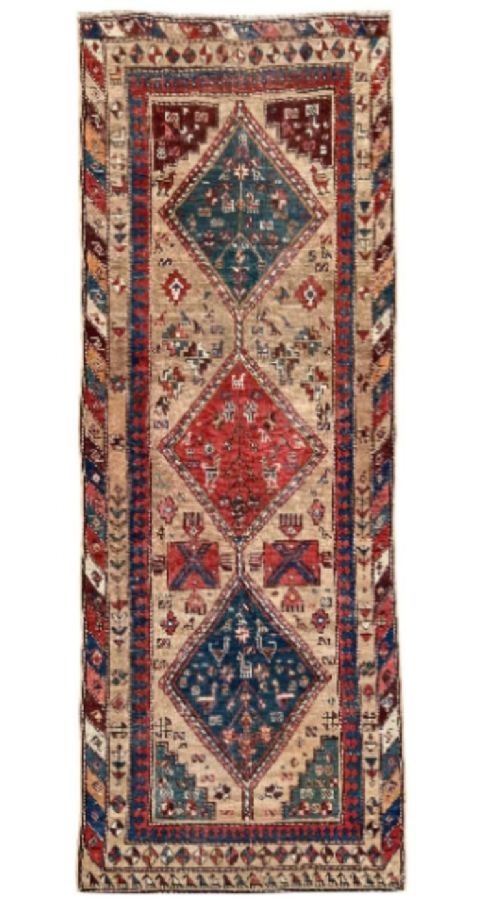
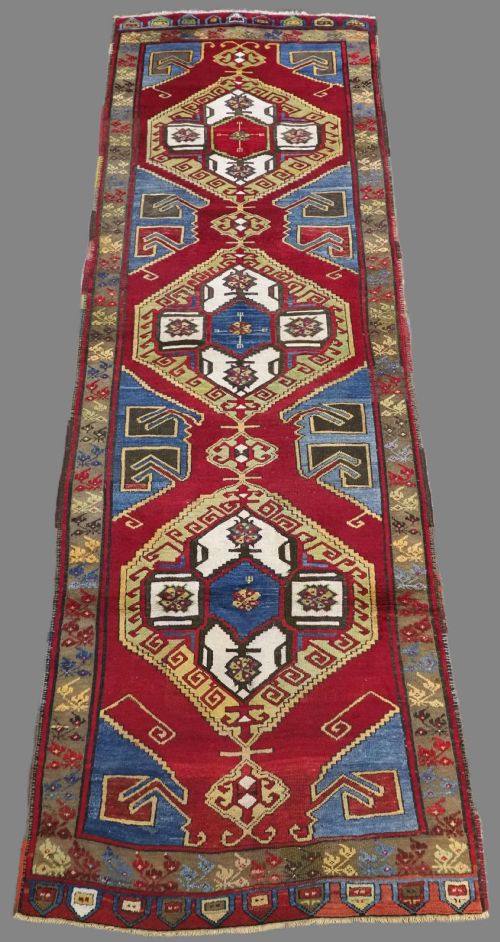
Object forms include long runners, square mats, large carpets, and flatweave kelims originating from various Anatolian villages.
Oushak·Kirsehir·Bergama·Konya Karapinar·Ghiordes·Milas Melas·Ladik·Yahyali·Kemaliye·Yagcibedir·Dosmealti
The Traditional Anatolian Wool Carpet Glossary
- Oushak
- A major weaving centre in western Anatolia known for large-scale carpets with pale grounds and distinctive floral designs. These pieces often feature muted tones and decorative village motifs.
- Kilim
- A flatweave textile made without a pile by tightly interweaving warp and weft strands. These function as reversible floor coverings or wall hangings.
- Prayer Rug
- A smaller rug format featuring a mihrab or niche design indicating the direction of prayer. These were utilised for daily devotion in Turkish households.
- Runner
- A long, narrow carpet format designed for hallways, corridors, or staircases. They typically display repeated geometric or medallion patterns down their length.
- Warp
- The vertical threads stretched across a loom that form the structural skeleton of the carpet. The pile knots are tied around these foundational cords.
Traditional Anatolian Wool Carpet: Frequently Asked Questions
How do I identify an Oushak carpet?
Oushak carpets typically display large-scale floral patterns and pale colour fields, often utilising soft blues, pinks, and creams.
These pieces originate from western Anatolia and generally provide a more expansive, decorative appearance compared to tighter geometric village rugs.
Where were prayer rugs used?
Prayer rugs served both practical devotional purposes and domestic decoration within traditional Turkish homes.
Their distinctive arch or mihrab design points toward Mecca during daily use by the household.
What is the difference between a kelim and a pile rug?
Kelims are flatweave textiles created without any raised pile by interweaving the warp and weft threads directly.
Pile rugs feature individual knots of wool tied to the foundation, resulting in a thick, textured surface.
How do I care for an antique wool carpet?
Antique wool carpets require gentle vacuuming without rotating brush heads to protect the historic pile and foundation threads.
Professional specialist cleaning ensures the natural wool fibres and dyes remain preserved over decades of domestic placement.