
Central Medallion Area Rug
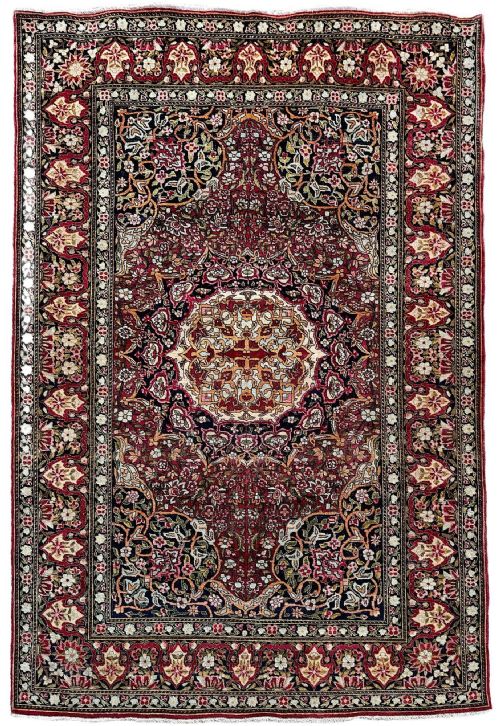
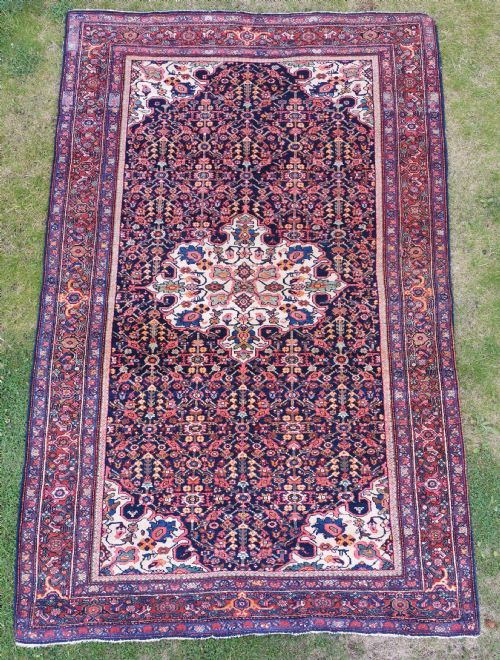
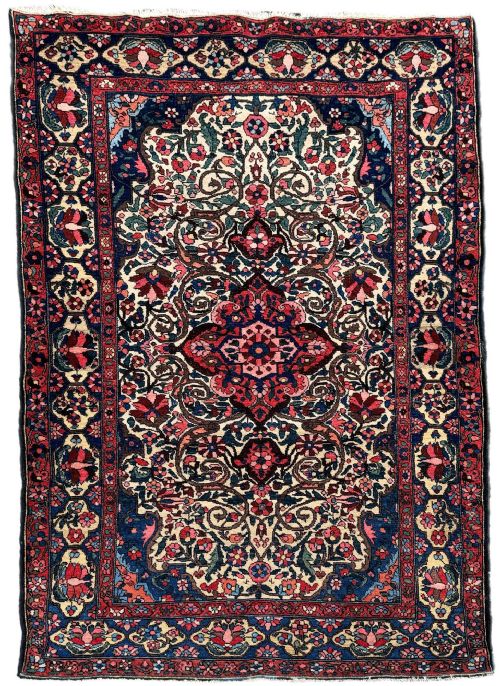
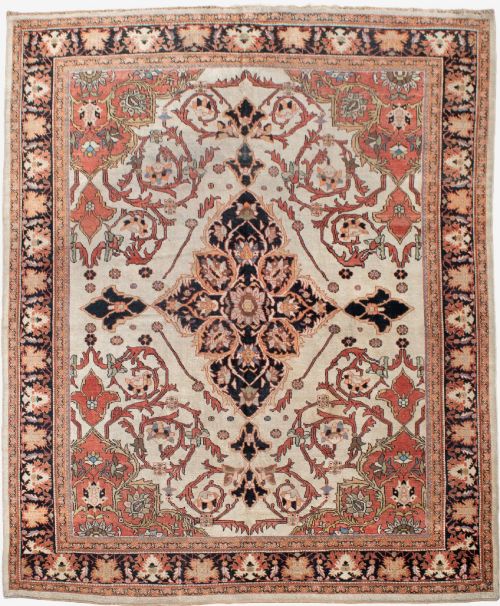
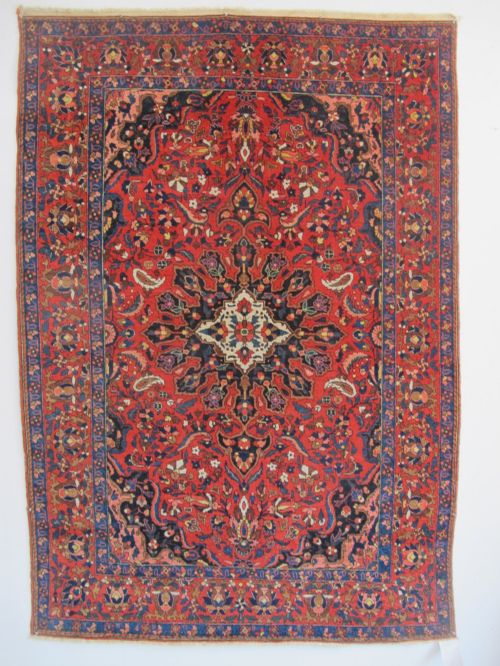
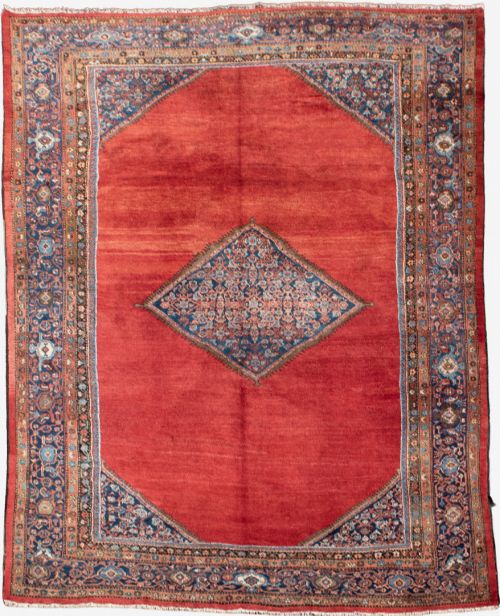
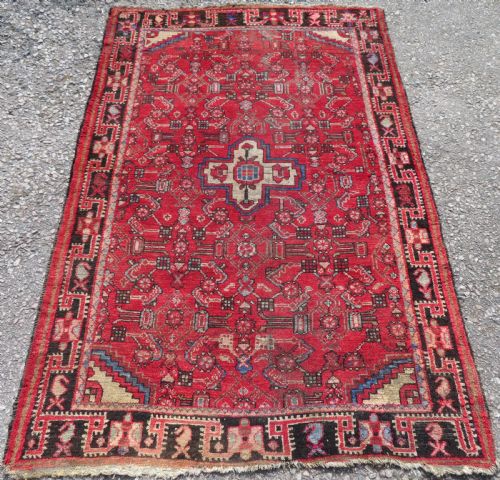
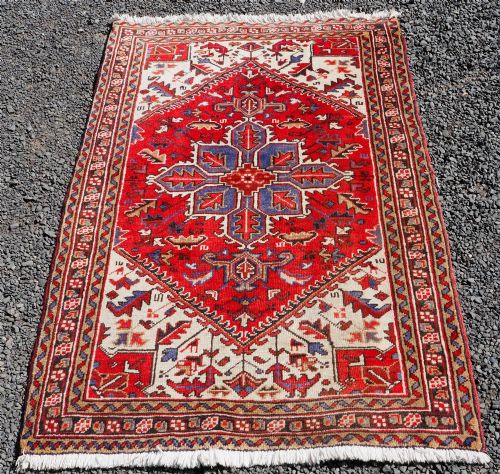
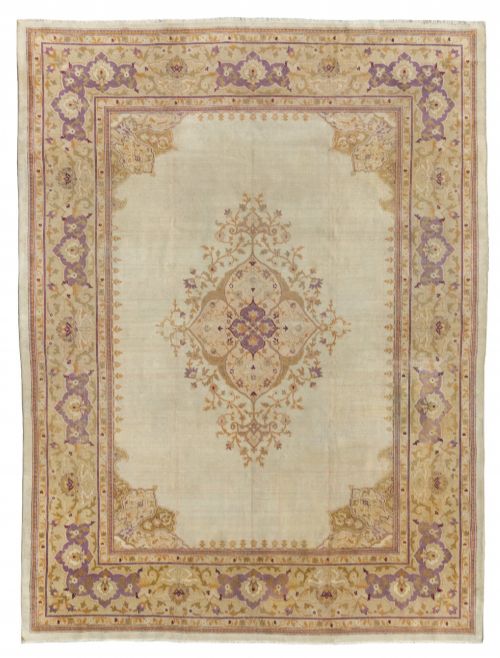
A central medallion area rug anchors a room with a distinct focal point drawn from Persian, Ottoman, and Tibetan traditions.
Central Medallion Area Rug
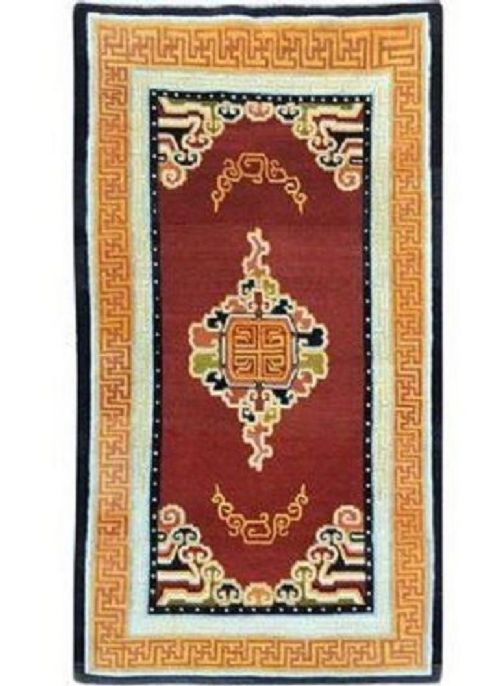
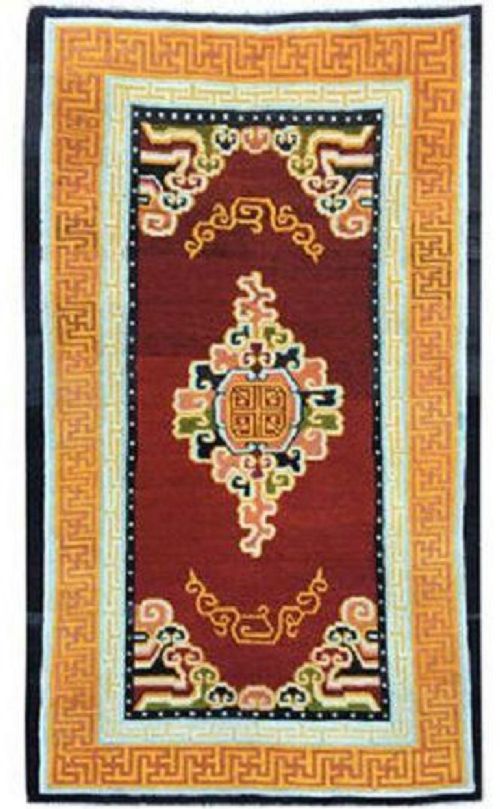
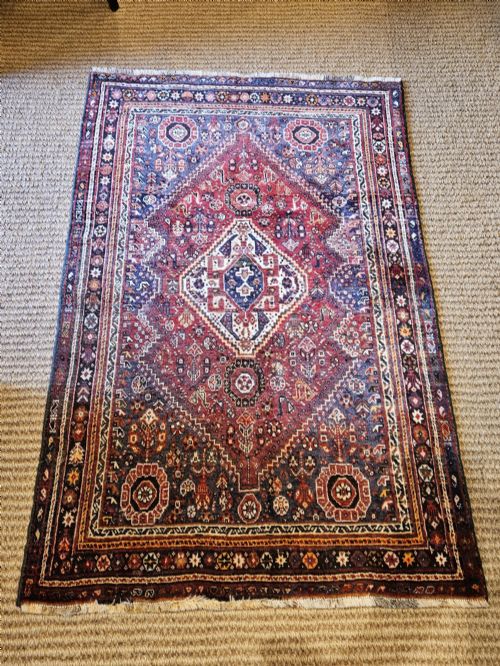
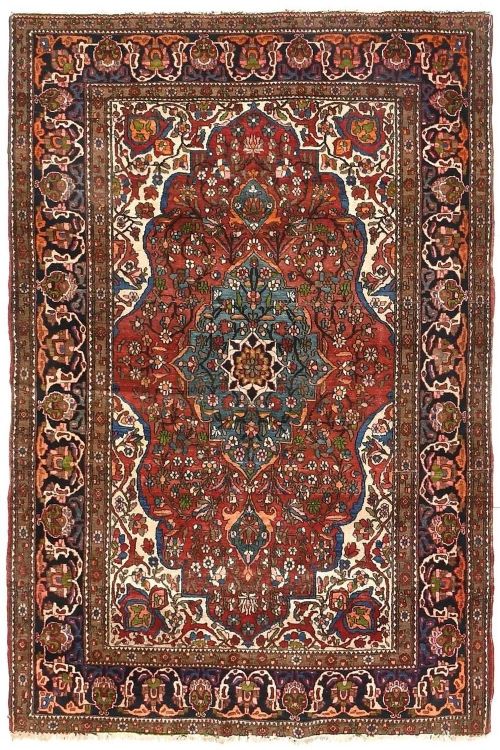
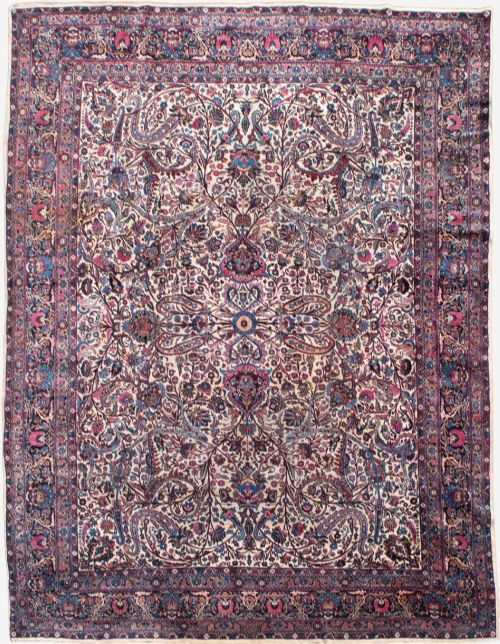
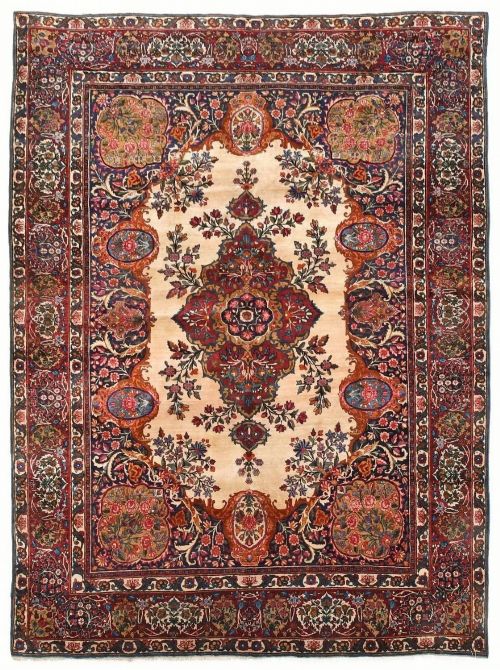
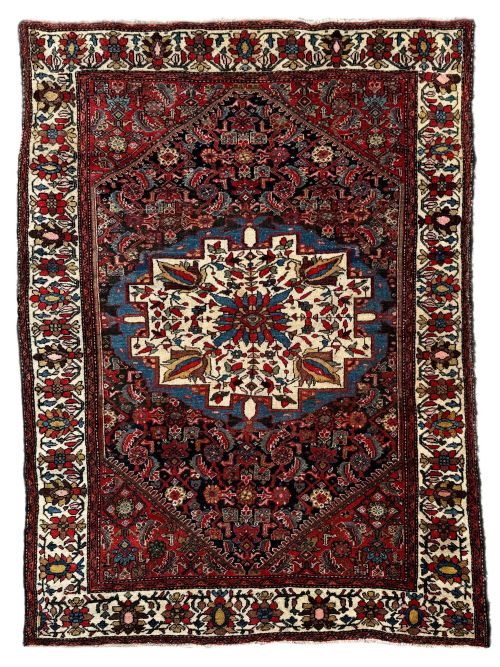
The specimens seen here appear as small scatter sizes, room-sized carpets, and flatweaves, reflecting diverse regional styles such as Isfahan, Tabriz, Bakhtiar, and Oushak. Buyers encounter traditional Persian designs alongside Tibetan and Ottoman pieces, each utilising distinct regional motifs around the core medallion.
Materials and construction
Weavers constructed these pieces predominantly using wool pile knotted onto cotton foundations, occasionally incorporating silk for enhanced detail or camel hair for natural tone variations. The choice of fibre dictates the weight and handle of the textile, distinguishing heavy room-sized carpets from lighter scatter rugs.
Natural dye traditions supplied the palette for these textiles, resulting in saturated rusts, indigos, and soft abrashes across the field. The density of the knotting varies according to origin, with city workshops achieving high precision and tribal makers employing bolder, more open structures.
Several vintage Tibetan rugs share the exact floor dimensions of two metres by one metre twenty-four.
Assessing quality in woven carpets
Quality rests upon the fineness of the knot count and the precision with which the central medallion maintains its symmetry against the field. Tighter knots allow intricate curvilinear designs to hold their definition over decades of use.
The integrity of the foundation and the purity of the wool determine how gracefully a piece ages under foot traffic. Superior materials retain their lustre and handle, whereas inferior constructions show premature wear along the warps and wefts.
Isfahan·Tabriz·Kashan·Kirman·Bakhtiar
The Central Medallion Area Rug Glossary
- Medallion
- The central ornamental motif set within the field of the rug. It often echoes the design of the corner spandrels.
- Pile
- The upright yarn surface of the rug formed by the knotted threads. This layer determines the texture and depth of the piece.
- Foundation
- The underlying grid of warp and weft threads that supports the knotted pile. Cotton and wool serve as the primary structural elements.
- Abrashe
- A subtle variation in colour hue within the same dye lot, caused by successive batches of yarn. It indicates hand-dyeing methods.
- Spandrels
- The triangular corner sections of the field that frame the central medallion. They often contain complementary floral or geometric patterns.
Central Medallion Area Rug: Frequently Asked Questions
How do I place a central medallion rug?
Position the piece so the central motif commands the middle of the seating area or beneath a primary piece of furniture. This highlights the symmetry of the design within the room.
Allow sufficient floor margin around the edges of the carpet to frame the field and borders properly.
What is the difference between city and tribal rugs?
City carpets display fine, curvilinear floral patterns woven with high knot densities in workshops located in urban centres. They rely on precise cartoons and professional weavers.
Tribal rugs use geometric motifs, memory designs, and coarser wools produced in nomadic or village settings. Their charm lies in spontaneous colour shifts and rustic textures.
How do I care for an antique wool rug?
Vacuum the piece gently using suction only, avoiding the rotating brush roll that can pull at the vintage pile. Lift the rug periodically to clean beneath and prevent grit accumulation.
Keep the textile out of direct sunlight to protect the natural dyes from fading over time.
How are different regional styles identified?
Look to the specific vocabulary of the motifs, such as the garden panel designs of Bakhtiar or the weeping willow patterns of Kirman. The palette and the quality of the wool also point directly to specific weaving regions.
Examine the back of the rug to observe knot structure and foundation materials, which confirm whether a piece hails from Persia, Anatolia, or Tibet.