



Traditional Tabriz Carpet
A traditional tabriz carpet brings structured Persian artistry and resilient craftsmanship into a room.
Traditional Tabriz Carpet
A traditional tabriz carpet represents centuries of weaving heritage originating from north-west Persia. These floor coverings range from intimate area rugs to expansive country house carpets designed for grand reception rooms.
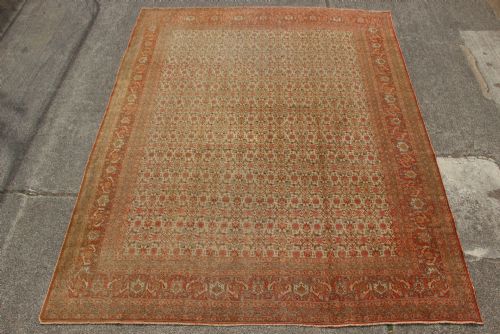
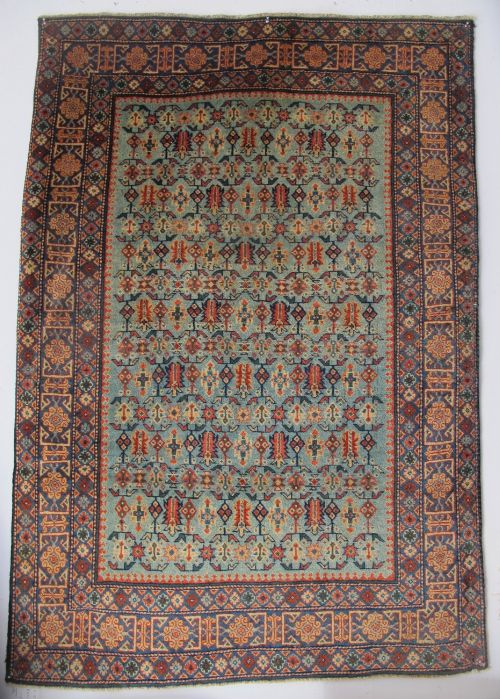
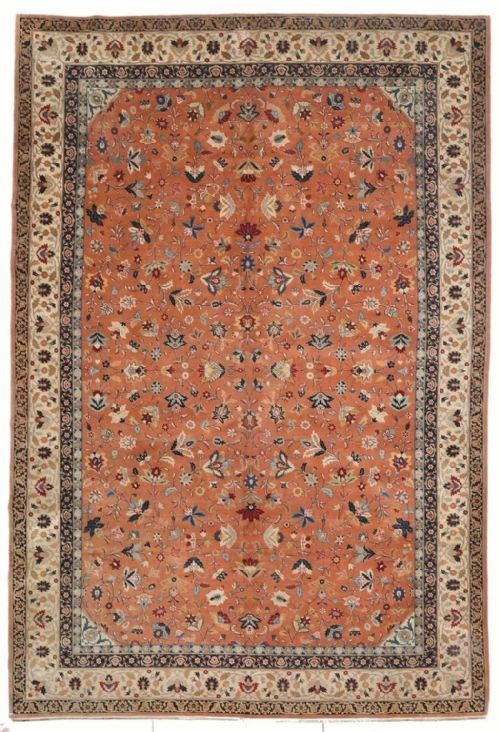
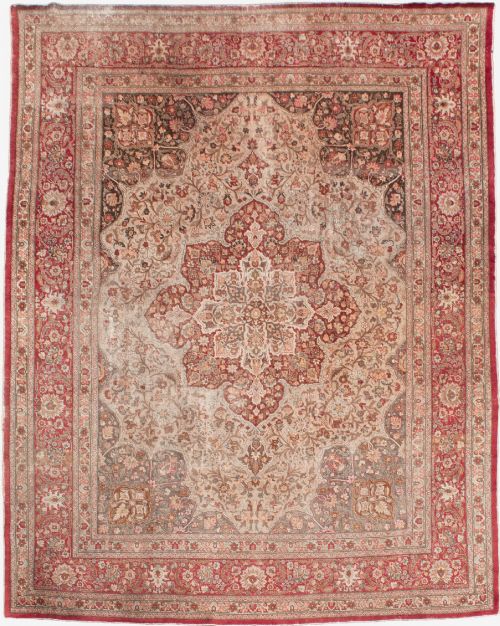
The pieces seen here span from the eighteenth century through the nineteenth and twentieth centuries, incorporating classical floral medallions and all-over Herati motifs. Buyers frequently encounter room-size examples dating around nineteen-twenty.
Village and city workshops both contributed to this tradition, producing distinct formats that balance geometry with intricate botanical layouts. Each specimen carries the signature aesthetic of Persian craftsmanship adapted for formal interiors.
How they were made
Weavers constructed these carpets using durable wool foundations and pile, often complemented by cotton warps for structural stability. Certain finer examples incorporate silk to achieve delicate detail and subtle luminosity in the pile.
Dyeing methods relied on natural materials to produce rich, lasting colour palettes that mellow gracefully over decades of use. Skilled artisans knotted the pile tightly by hand onto vertical looms, ensuring dense coverage and long-term durability.
Traditional Tabriz Carpet Retail Price Guide 2026
Typical asking prices for traditional tabriz carpet among the pieces listed under this phrase on Sellingantiques today, from the lower quarter to the upper quarter. They describe what is for sale here now, not the wider market.
The listings span from the eighteenth century to the nineteen-thirties, showcasing wool, cotton, and silk construction.
What varies in quality
Knot density and precision of execution dictate the refinement of the design, separating standard production from master workshop outputs. Finer knotting allows for sharper delineation of floral scrolls and intricate medallion borders.
The choice of materials also influences the piece, with select silk additions or high-grade wool elevating the texture and visual depth. Furthermore, the crispness of the drawing and the balance of the overall composition distinguish exceptional examples from simpler regional output.
Haji Jalili·Benlian
The Traditional Tabriz Carpet Glossary
- Herati design
- A repeating pattern featuring a central floral motif enclosed within a diamond lattice flanked by leaf blades. It appears frequently in traditional Persian weaving.
- Medallion
- A symmetrical central ornament set into the field of the carpet, drawing the eye as the primary focal point of the composition.
- Warp
- The vertical threads stretched tightly on the loom that form the structural skeleton of the carpet and terminate in fringes.
- Pile
- The dense surface layer of upright wool, cotton, or silk yarn that forms the soft nap and displays the woven design.
- Qajar Period
- The historical era of Persian rule spanning from seventeen eighty-nine to nineteen twenty-five, associated with notable developments in textile arts.
Traditional Tabriz Carpet: Frequently Asked Questions
How do I clean a traditional tabriz carpet?
Regular gentle vacuuming without a beater bar removes surface dust and prevents fibres from matting. Professional specialist cleaning remains essential for deep maintenance to preserve the natural dyes.
Avoid using domestic wet cleaners or harsh chemical detergents on wool and silk piles. Quick action on spills by blotting rather than rubbing protects the integrity of the weave.
Where should I place a large room-size carpet?
These pieces suit principal living spaces, dining rooms, or libraries where their grand proportions establish a focal point. Placing them over wooden flooring adds warmth and acoustic softening to high-traffic areas.
Ensure furniture sits comfortably on or around the perimeter of the rug to anchor the layout. Using a quality underlay prevents slipping and cushions the foundation against premature wear.
How can I tell an older carpet from a newer one?
Examination of the fringe attachment, dye saturation, and wear patterns helps indicate the age of a woven textile. Vegetable dyes used in nineteenth-century and earlier pieces exhibit subtle tonal variations known as abrage.
Hand-spun yarns display slight irregularities in thickness compared to uniform modern machine-spun equivalents. Consulting the structural density of the knots on the reverse reveals manufacturing methods of specific periods.
What makes Haji Jalili carpets distinctive?
Haji Jalili workshops are renowned for employing a restrained, muted palette featuring soft terracotta, ivory, and delicate grey-blue tones. Their compositions often re-imagine classic floral formats with refined, open drawing styles.
Collectors prize these specific pieces for their understated elegance and sophisticated handling of traditional motifs. The fine wool quality used in these workshops yields a particularly supple handle.