


Hand Woven Anatolian Carpet
A hand woven anatolian carpet brings centuries of nomadic and village weaving traditions directly to a floor, offering rich vegetable palettes and enduring wool craftsmanship.
Hand Woven Anatolian Carpet
A hand woven anatolian carpet encompasses floor coverings originating from towns and nomadic settlements across Anatolia, spanning formats from small village prayer rugs to large room-sized carpets. Buyers encounter examples dating from the mid-nineteenth century through to the early twentieth century, carrying distinct regional designs.
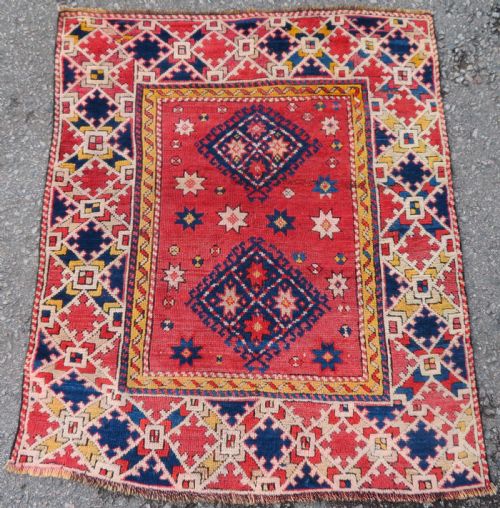
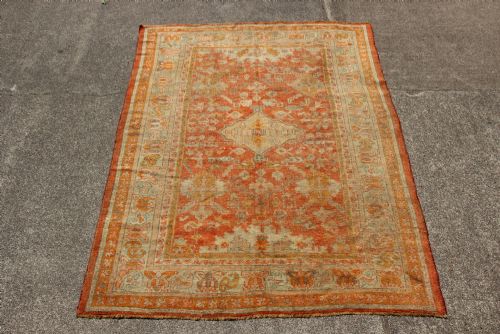
Village and workshop productions such as Bergama, Oushak, Kirsehir and Konya dominate the selection. These pieces reflect specific local weaving traditions, geometric motifs, and architectural mihrab designs intended for domestic use or ceremonial prayer.
Materials and construction methods
Weavers utilised hand-spun wool for its resilience and ability to take deep natural dyes, often combining wool foundations with cotton or additional angora wool. Specific regional workshops also employed silk and mercerised cotton for finer decorative urban productions.
The construction relies on traditional hand-knotting techniques executed on vertical looms. Artisans secured the pile with symmetrical or asymmetrical knots, finishing the edges with wool selvages and securing the ends with woven kilim fringes.
Object types recorded across the inventory include village prayer rugs, runner formats, and large Oushak area carpets.
Distinctions in execution and handle
Quality rests upon the density of the knotting, the fineness of the spin in the wool, and the purity of the dyestuffs utilised. Tightly packed knots yield a crispness in the geometric or floral patterns and ensure longevity under foot.
The handling of the pile and the balance of the regional palette dictate the visual success of a piece. Master weavers achieved harmonious transitions in colour and well-proportioned borders that separate standard village work from superior examples.
The Hand Woven Anatolian Carpet Glossary
- Mihrab
- The arched design element found on prayer rugs that represents a prayer niche in a mosque. This motif traditionally points towards Mecca during prayer.
- Pile
- The upright yarn loops that form the functional surface of the carpet. It is created by knotting wool, silk or cotton strands onto the warp threads.
- Warp
- The vertical foundation threads stretched lengthwise on the loom. Weft threads are passed horizontally through these warp threads to lock the knots in place.
- Selvage
- The reinforced side edges of a carpet formed by wrapping extra warp threads. This finishing prevents the edges from fraying during daily use.
- Prayer rug
- A smaller format rug featuring a central niche design used for ritual daily prayers. These pieces typically display specific regional motifs associated with towns like Ghiordes or Ladik.
Hand Woven Anatolian Carpet: Frequently Asked Questions
How do I care for a vintage carpet?
Vacuum the piece gently using suction only without a rotating brush roll to protect the wool pile. Keep the carpet out of direct sunlight to prevent natural dyes from fading over decades of display.
Professional cleaning should occur infrequently and only by specialists experienced in handling antique textiles. Rotate the carpet periodically to ensure even wear across high-traffic areas.
Where were these rugs made?
Production centres include historical towns and weaving regions such as Oushak, Bergama, Konya, Kirsehir and Kula. Each location developed distinct stylistic vocabularies and colour palettes passed down through generations of artisans.
Nomadic groups and village communities outside these towns also produced independent rugs using local materials and tribal motifs. These rural pieces often display more geometric and spontaneous design interpretations.
What is the difference between village and city rugs?
Village rugs typically feature bolder geometric patterns, thicker wool, and saturated primary colours resulting from independent household production. The weavers utilised local designs remembered from tradition rather than formal paper cartoons.
City carpets from centres like Oushak or Kayseri often display refined floral compositions, finer knot counts, and softer pastel or ivory palettes. These urban workshops produced decorative items intended for affluent households and export.