


Vintage Patterned Wool Rug
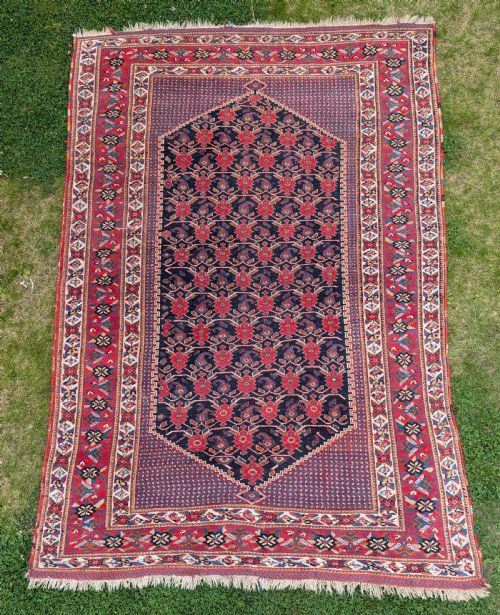
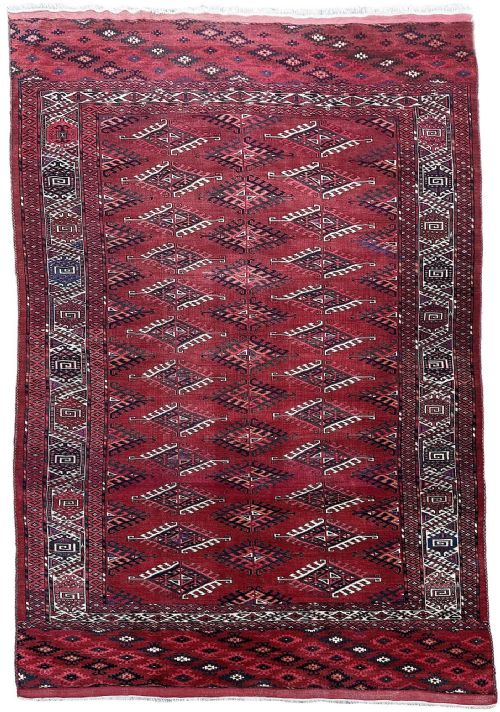
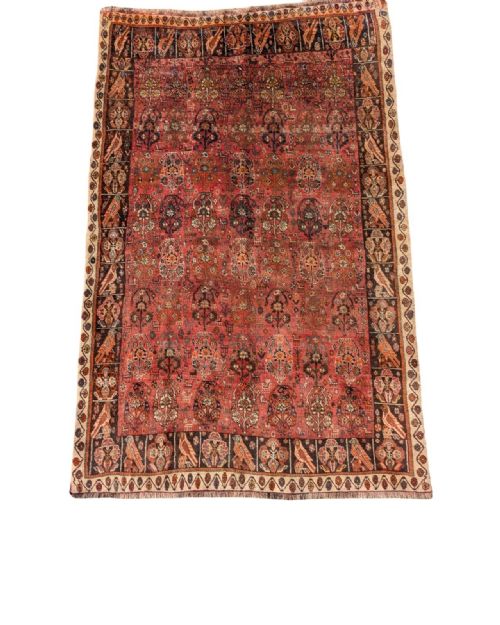
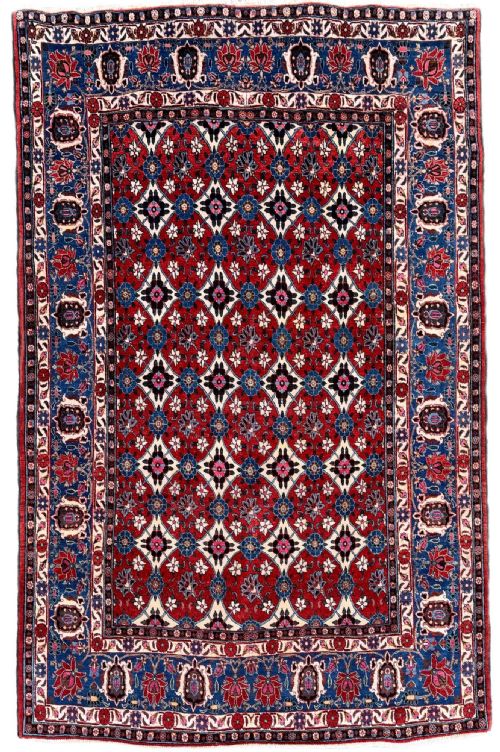
A vintage patterned wool rug brings texture and rich regional colour to a room, drawing on long-standing weaving traditions from Persia, the Caucasus, and Central Asia.
Vintage Patterned Wool Rug
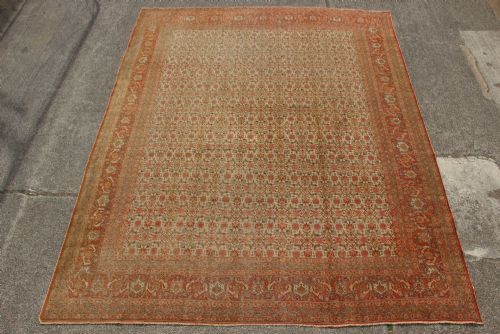
When searching for a vintage patterned wool rug, buyers encounter floor coverings that span the nineteenth century up through the nineteen-forties. These textiles encompass formal city carpets alongside nomadic tribal weaving from regions such as Persia, Anatolia, and Turkmenistan.
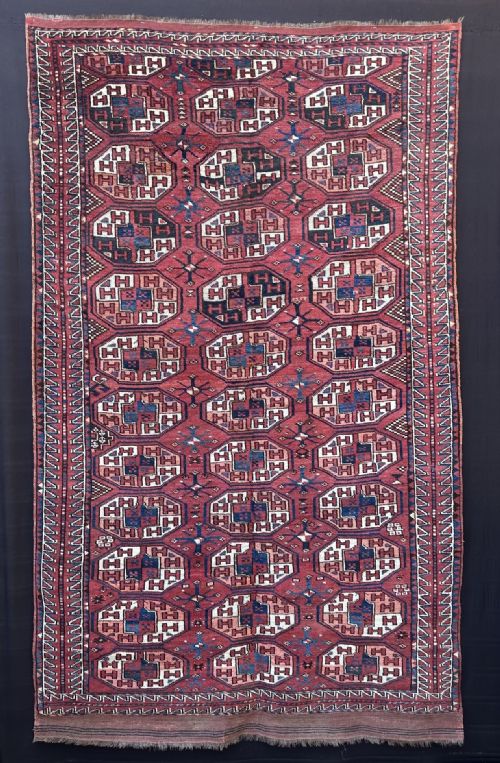
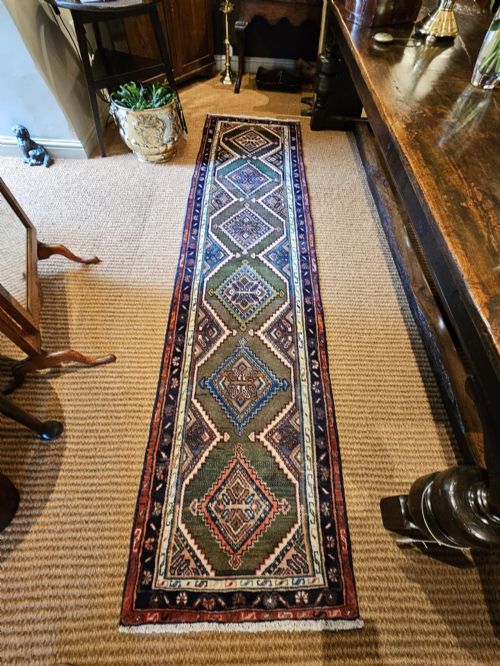
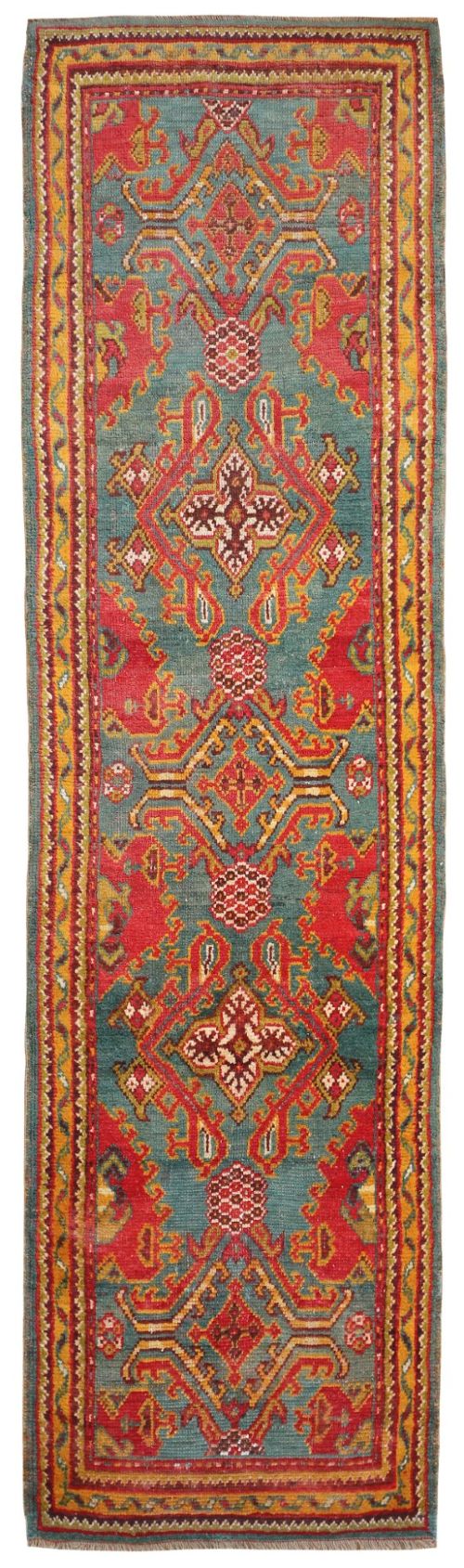
The pieces on this page appear in various forms, ranging from large room-sized carpets and hearth rugs down to narrow runners, square formats, and specific tribal items like tent door rugs or horse blankets. Pure wool construction predominates, often supplemented by cotton foundations or occasional silk highlights.
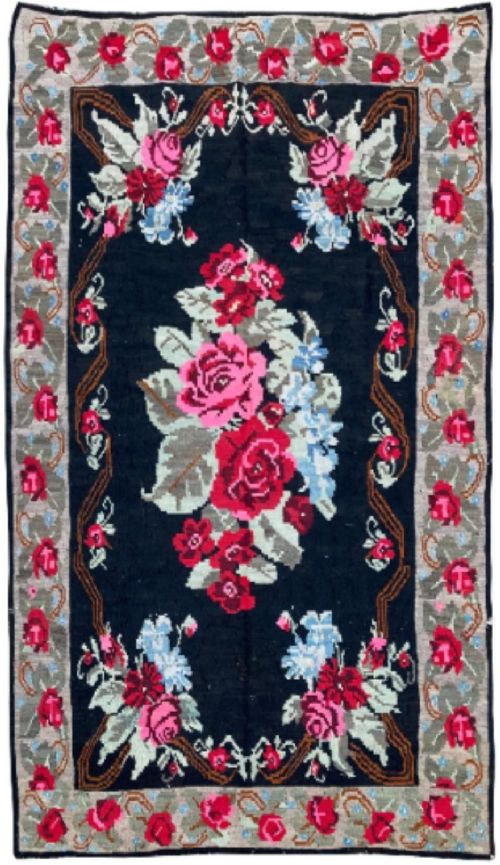
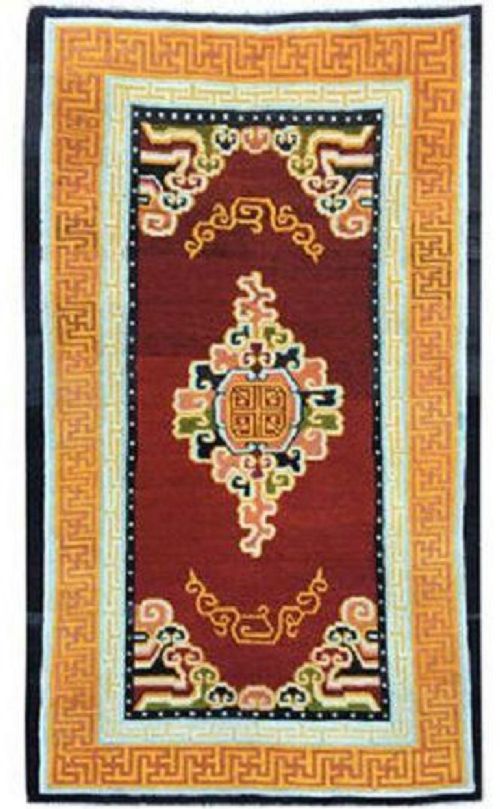
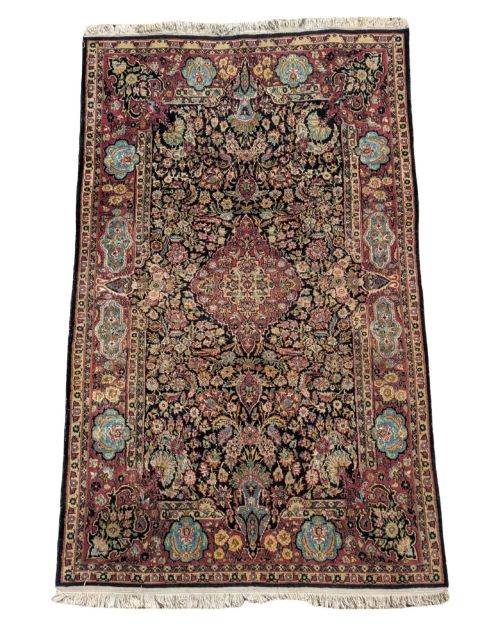
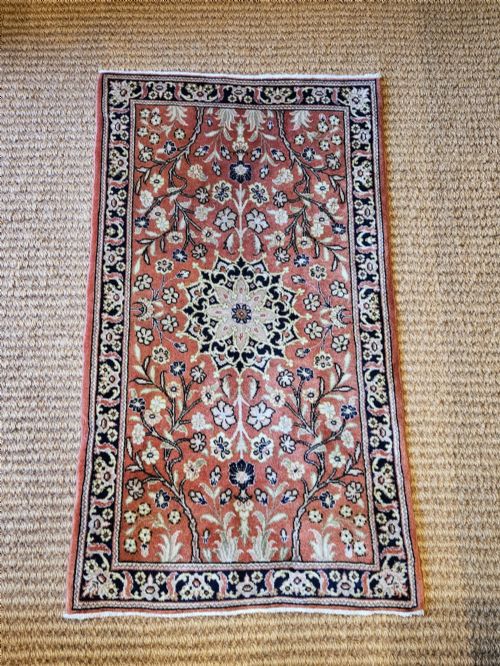
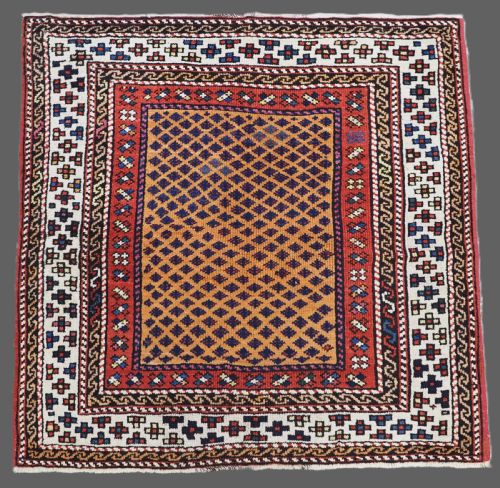
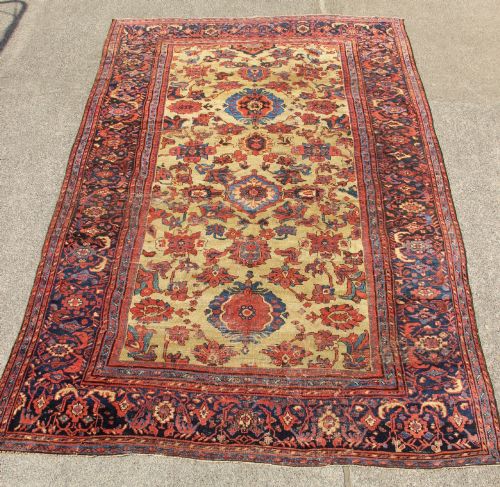
Tribal pieces frequently display geometric motifs, medallion layouts, and boteh patterns rooted in specific village or nomadic traditions. City carpets from centres like Tabriz, Kashan, and Isfahan tend to showcase more intricate floral schemes and curvilinear designs.
How They Were Made
These textiles rely primarily on hand-spun wool for the pile, yielding a resilient and tactile surface that absorbs dye distinctively. Artisans often combined this wool with cotton for warp and silk highlights for specific decorative emphasis.
Natural dyes provide the foundational colour palette across the older specimens, creating nuanced tones that develop depth over decades of use. Skilled hands tied individual knots onto hand-woven foundations, producing flatweaves like kilims or dense pile carpets depending on the regional workshop.
Some nineteenth-century nomads wove small ceremonial horse blankets alongside carpets, ensuring their prized steeds stayed as stylishly attired as the tent.
What Varies in Quality
The standard of a woven textile rests on the density of its knotting and the precision of its design execution. Finer knot counts allow for sharper geometric lines and more detailed curvilinear patterns in city and village carpets alike.
Material selection also dictates overall calibre, from basic hand-spun wool to pieces incorporating silk highlights and superior natural dyes. The consistency of the weave and the structural integrity of the foundation dictate how well the piece holds its form.
The Vintage Patterned Wool Rug Glossary
- Kilim
- A flatwoven carpet or rug produced without a pile by tightly interlacing warp and weft strands. These textiles often display sharp geometric patterns and light portable formats.
- Boteh
- A stylised almond or paisley motif representing a floral spray or cypress tree. This ancient design appears frequently across Persian and regional nomadic weaving.
- Runner
- A long and narrow carpet format designed specifically for hallways, corridors, or alongside beds. These pieces guide movement through interior spaces.
- Warp
- The vertical threads stretched tightly on a loom that form the structural foundation of a rug. The visible fringe at either end usually consists of these extended foundation threads.
- Medallion
- A central ornamental design motif placed in the middle field of a carpet. Weavers often surround this focal point with intricate corner brackets and border guards.
Vintage Patterned Wool Rug: Frequently Asked Questions
How do I clean an old wool rug?
Gentle surface brushing and professional specialist washing maintain the integrity of natural fibres without disturbing the foundation.
Avoid harsh chemical treatments or heavy soaking that might disrupt the natural dyes and hand-spun wool pile.
Are these carpets suitable for heavy foot traffic?
Dense wool construction and sturdy hand-knotted foundations provide natural resilience for daily use in hallways and living spaces. Thicker pile variations absorb impact well while retaining their structural form.
Placing a suitable underlay beneath the textile prevents slippage and reduces wear on hard floors.
How do I distinguish city carpets from tribal rugs?
City workshop pieces usually feature curvilinear floral arrangements, precise symmetry, and sophisticated medallion layouts created on fixed vertical looms. Nomadic and village examples lean towards bolder geometric shapes, rectilinear motifs, and asymmetrical tribal character.
Materials and knotting density also offer clear clues to their geographic origin and production background.