

Traditional Accent Side Chairs
Traditional accent side chairs arrive in diverse woods and revival styles, bringing period character and functional seating to any room.
Traditional Accent Side Chairs
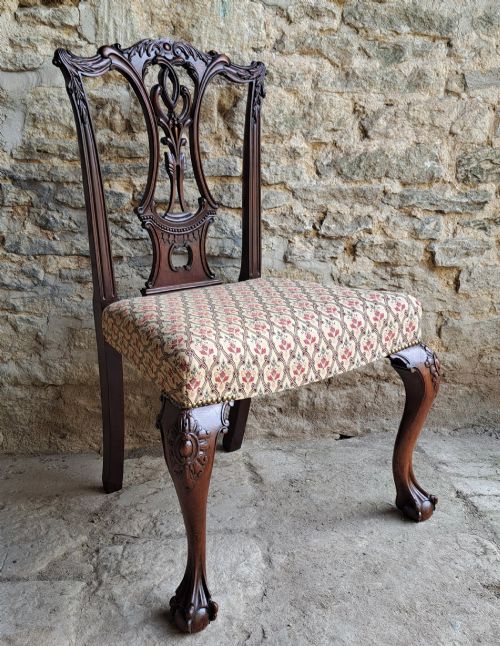
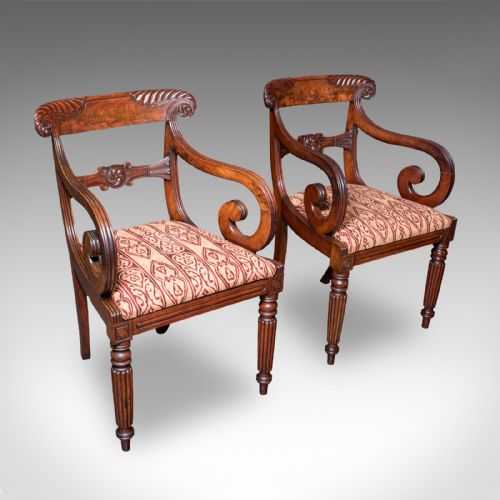
Traditional accent side chairs encompass a wide variety of historical seating forms designed for occasional use in halls, dining rooms, and parlours. When exploring traditional accent side chairs, buyers encounter pieces spanning from the eighteenth century through the Edwardian period.
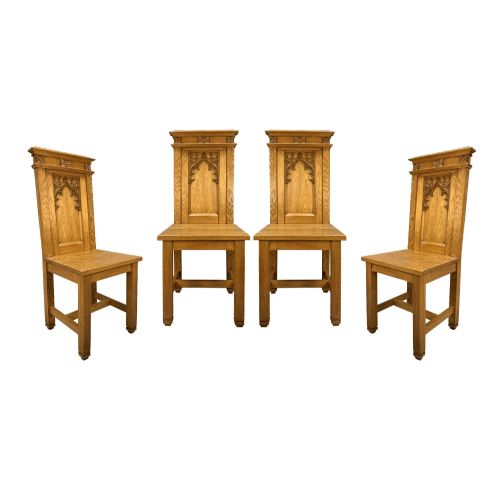
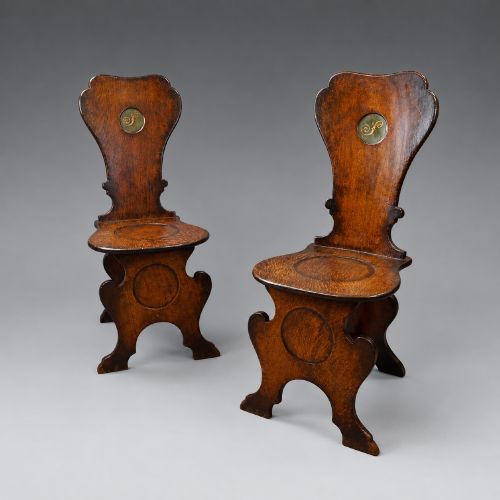
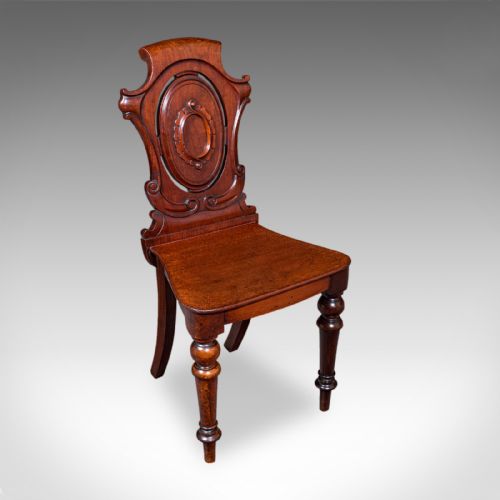
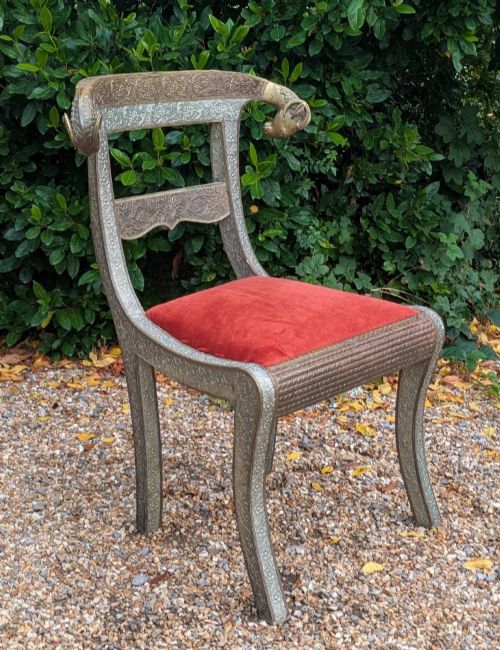
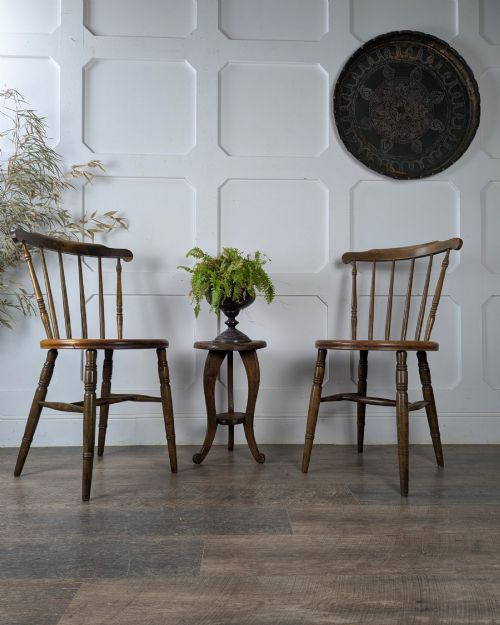
The selection frequently includes mahogany and oak hall chairs, alongside elm farmhouse seats and upholstered occasional designs. These forms reflect centuries of cabinetmaking traditions originating from British, European, and Asian workshops.
How they were made
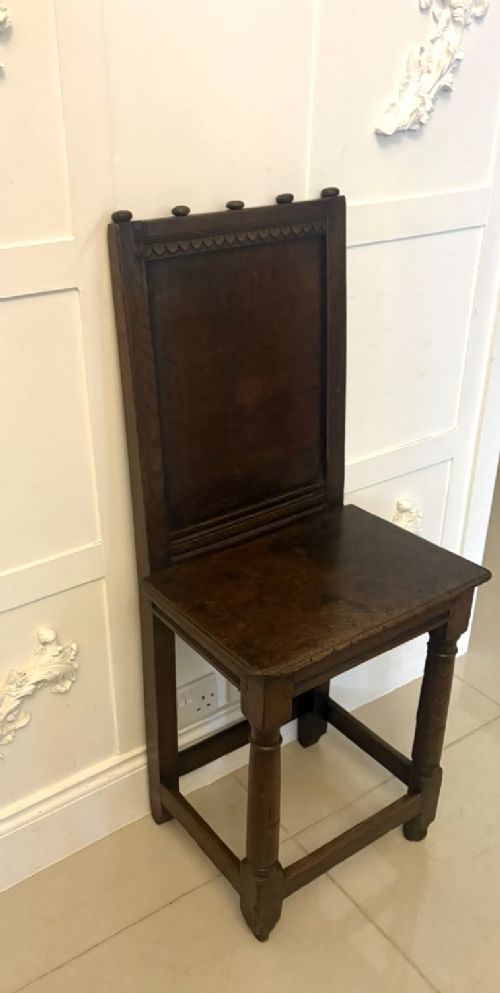
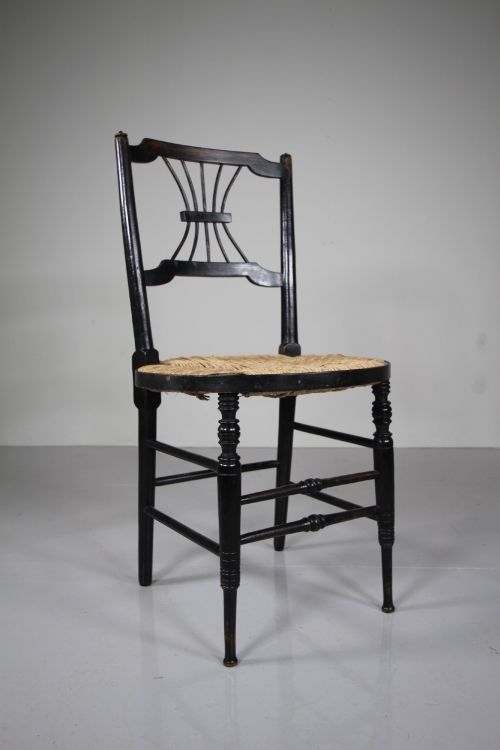
Cabinetmakers constructed these frames using dense timbers such as mahogany, oak, walnut, rosewood, and elm, often employing mortise and tenon joints for stability. Turning techniques created bobbin frames, whilst hand carving produced intricate details like shield backs and decorative splats.
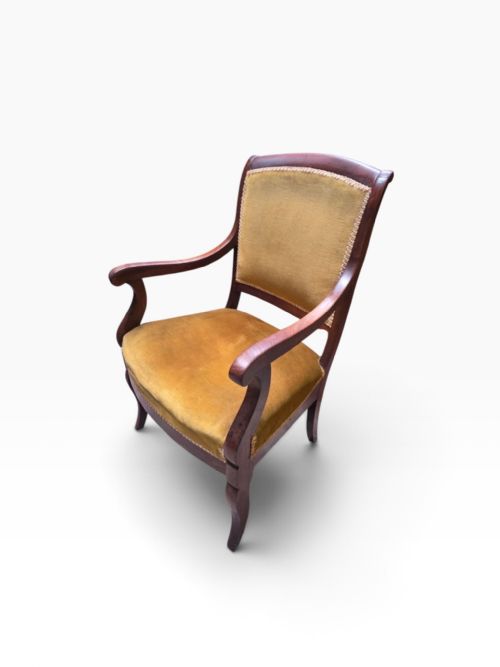
Upholstered versions incorporate materials like velvet, leather, fabric, and rush for seats and backs. Brass fittings and hand-painted finishes appear on select regional and revival pieces.
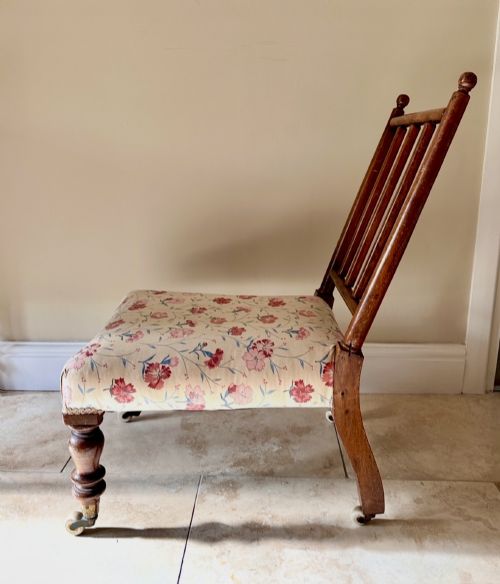
Low spinning chairs waited patiently by the hearth, perfectly sized for domestic yarn work.
What varies in quality
Quality rests in the crispness of the hand carving and the selection of figured timber grain. Pieces with substantial proportions and well-executed joinery distinguish themselves from simpler regional variants.
The integrity of the original frame construction and the preservation of period surfaces determine the standing of each individual chair.
William Morris·Charles Tozer
The Traditional Accent Side Chairs Glossary
- Hall chair
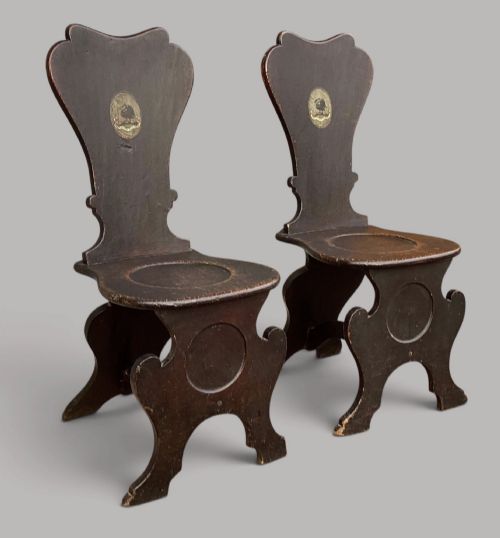
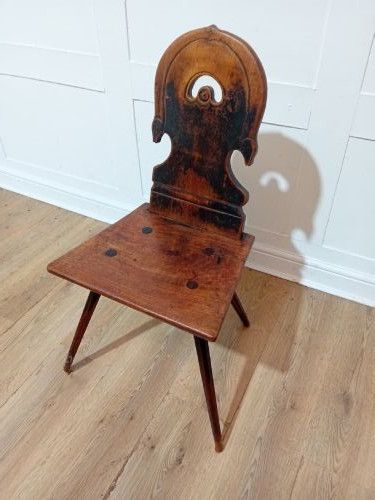
- A wooden seat designed for placement in a hallway, often featuring a solid wood panel back with carved or painted family crests.
- Bergère
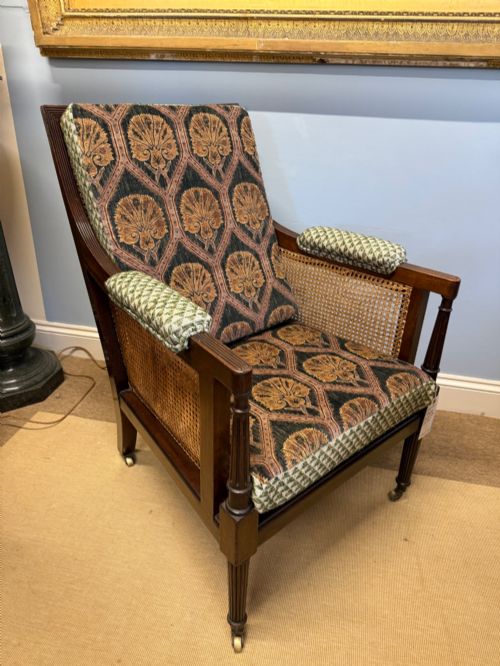
- An enclosed upholstered armchair with exposed wooden framing and woven cane panels on the back and sides.
- Bobbin turning
- A method of woodturning that produces a series of rounded spheres resembling bobbins along the length of a leg or stretcher.
- Cockpen chair
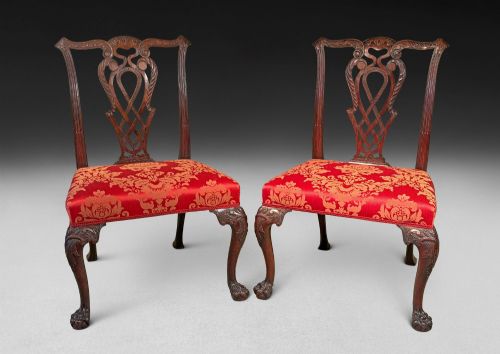
- A lattice-backed chair style inspired by Chinese Chippendale designs, featuring geometric openwork wooden patterns.
- Sgabello
- A Renaissance style chair featuring a high wooden back and solid trestle supports instead of traditional legs.
Traditional Accent Side Chairs: Frequently Asked Questions
Where should I place a side chair?
These chairs function well in hallways, bedrooms, and reception spaces where extra seating is useful without taking up excessive floor space.
Their varied heights and back designs allow them to complement existing living room furniture as decorative accents.
How do I identify the period?
Dating relies on observing wood types, structural joinery methods, and characteristic style markers associated with Georgian, Victorian, or Edwardian cabinetmaking.
Revival pieces often combine earlier decorative motifs with nineteenth or twentieth-century construction techniques.
Are these chairs comfortable for daily use?
Many side and hall chairs feature rigid wooden seats intended for brief periods of sitting rather than long lounging.
Upholstered nursing chairs, armchairs, and bergères provide softer seating options designed for extended relaxation.
What is a rush seat?
Rush seating involves twisting dried marsh grasses into a durable cord that is hand-woven tightly across the chair frame.
This technique appears frequently on country farmhouse chairs and traditional spinning seats.